1
/
of
10
Matcha Bowl Makuzu Kosai Pine Bamboo Plum Overglaze Chawan
Matcha Bowl Makuzu Kosai Pine Bamboo Plum Overglaze Chawan
Regular price
Dhs. 1,399.00 AED
Regular price
Sale price
Dhs. 1,399.00 AED
Taxes included.
Shipping calculated at checkout.
Makuzu Kōsai's matcha bowl carries the three companions of winter across four faces — pine, bamboo, and plum rendered in polychrome overglaze on a celadon-toned ground. A Kyoto lineage that runs from the Meiji era forward. Certificate included. Excellent condition, shared box. Where authorship and season become one.
🔹 [ Basic Details ]
• Artist: 真葛香斎 (Makuzu Kōsai), Miyagawa Kōsai lineage
• Technique: Polychrome overglaze enamel (色絵), shochikubai (three friends of winter) motif
• Era: Contemporary (Miyagawa Kōsai lineage, established Meiji era)
• Origin: Kyoto, Japan (Makuzu-yaki / Kyo-yaki tradition)
• Dimensions: D 12.5 cm × H 7.5 cm
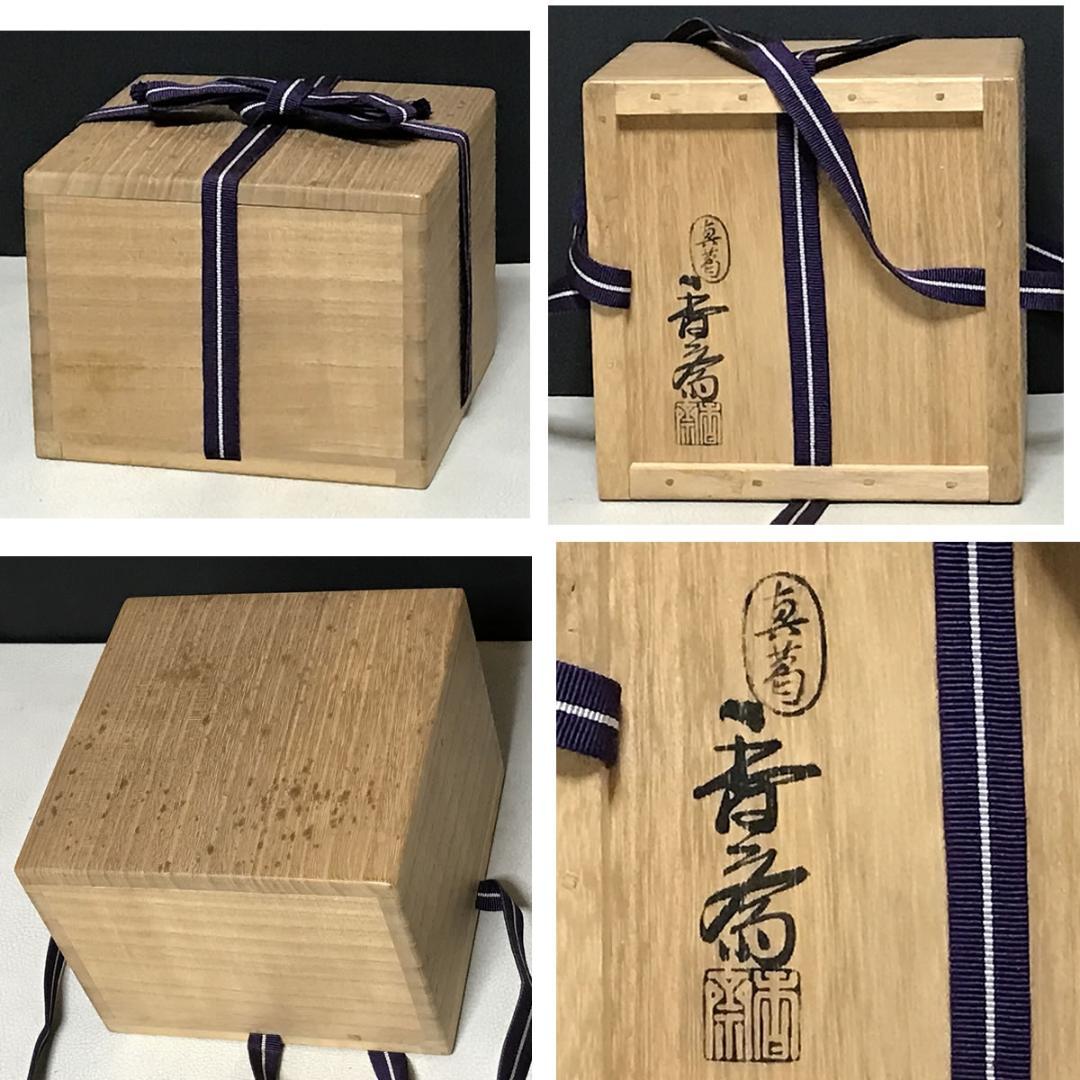
• Box: Shared wooden box (共箱) included; certificate present
• Condition: Excellent; no damage
🔹 [ Cultural & Artistic Insight ]
The Makuzu Kōsai name belongs to one of Japan's most storied ceramic lineages. The original Miyagawa Kōzan (1842–1916) transformed Japanese ceramics for the Meiji export era, winning international acclaim at the Paris Expositions. The Kōsai branch continued the family's commitment to refined overglaze decoration, working the symbolic vocabulary of classical Japanese and Chinese design: shochikubai — pine, bamboo, plum — the "three friends of winter" who endure cold and represent perseverance, resilience, and vitality. On four sides of the chawan, the motif unfolds as a continuous seasonal narrative, each plant asserting its particular character within the whole.
The certificate accompanying this piece signals that it was produced and authenticated within the lineage's formal presentation system — a meaningful distinction in a market where lineage names are sometimes invoked loosely.
🔹 [ Deep-Dive Commentary ]
To acquire a Makuzu Kōsai chawan with certificate is to acquire a verifiable piece of Kyoto ceramic history. The Miyagawa family enterprise operated from the late Edo period through the present, adapting its technical range from traditional Japanese motifs to international porcelain styles and back again — a flexibility that kept the lineage relevant across radically different market environments. Kōsai represents the classical pole of that range: refined overglaze work on well-proportioned forms, produced for the domestic tea-ceremony market.
The shochikubai motif on this chawan is rendered on four faces, creating a rotational narrative: as the bowl is turned during temae (the formal preparation sequence), each plant comes briefly into view before the next takes its place. This compositional structure — distributing the motif around the circumference rather than centering it on one face — is characteristic of high tea-ceremony ware where the host's choreography of the bowl's rotation is considered part of the aesthetic experience.
The dimensions — D 12.5 cm, H 7.5 cm — place this firmly in the standard range for a matcha chawan, with a rim diameter suited to both koicha and usucha preparation. The celadon tones of the ground glaze provide a coolness that contrasts productively with the warm colors of the overglaze palette: pine green, plum blossom white and pink, bamboo yellow-green.
For collectors, the combination of lineage provenance, certificate, shared box, and excellent condition makes this a reference-quality acquisition. The shochikubai motif, being auspicious across multiple ceremonial contexts (New Year, formal tea gatherings), ensures the bowl's seasonal and ceremonial utility extends beyond a single occasion.
【日本語説明】
🔹 [ 基本情報 ]
• 作者:真葛香斎(宮川香斎窯)
• 技法:色絵(松竹梅文、四方に展開)
• 時代:現代(明治期創業の宮川家伝統継承)
• 産地:京都(真葛焼・京焼)
• 寸法:口径12.5cm × 高さ7.5cm
• 箱:共箱・証書付
• 状態:優品。損傷なし
🔹 [ 文化・芸術的背景 ]
松竹梅は「歳寒三友」として中国・日本の文人画から茶道具へと受け継がれた吉祥文様。四方に展開する構図は、点前中に茶碗を回す動作と呼応し、見る者に一種の物語性を感じさせます。宮川香斎の証書付という点で信頼性の高い一碗です。
🔹 [ 詳細解説 ]
宮川香斎は明治期の宮川香山を源流に持つ京焼の名門。本作は松竹梅を四面に配した構図が秀逸で、茶事における実用と観賞を両立しています。証書・共箱付きで、コレクションの基準となる一碗です。
🔹 [ SHIPPING & PACKAGING ]
• Dispatch: Within 1-6 business days
• Carrier: Japan Post EMS / UPS (with tracking)
• Packaging: Carefully wrapped with protective materials
🔹 [ Basic Details ]
• Artist: 真葛香斎 (Makuzu Kōsai), Miyagawa Kōsai lineage
• Technique: Polychrome overglaze enamel (色絵), shochikubai (three friends of winter) motif
• Era: Contemporary (Miyagawa Kōsai lineage, established Meiji era)
• Origin: Kyoto, Japan (Makuzu-yaki / Kyo-yaki tradition)
• Dimensions: D 12.5 cm × H 7.5 cm
• Box: Shared wooden box (共箱) included; certificate present
• Condition: Excellent; no damage
🔹 [ Cultural & Artistic Insight ]
The Makuzu Kōsai name belongs to one of Japan's most storied ceramic lineages. The original Miyagawa Kōzan (1842–1916) transformed Japanese ceramics for the Meiji export era, winning international acclaim at the Paris Expositions. The Kōsai branch continued the family's commitment to refined overglaze decoration, working the symbolic vocabulary of classical Japanese and Chinese design: shochikubai — pine, bamboo, plum — the "three friends of winter" who endure cold and represent perseverance, resilience, and vitality. On four sides of the chawan, the motif unfolds as a continuous seasonal narrative, each plant asserting its particular character within the whole.
The certificate accompanying this piece signals that it was produced and authenticated within the lineage's formal presentation system — a meaningful distinction in a market where lineage names are sometimes invoked loosely.
🔹 [ Deep-Dive Commentary ]
To acquire a Makuzu Kōsai chawan with certificate is to acquire a verifiable piece of Kyoto ceramic history. The Miyagawa family enterprise operated from the late Edo period through the present, adapting its technical range from traditional Japanese motifs to international porcelain styles and back again — a flexibility that kept the lineage relevant across radically different market environments. Kōsai represents the classical pole of that range: refined overglaze work on well-proportioned forms, produced for the domestic tea-ceremony market.
The shochikubai motif on this chawan is rendered on four faces, creating a rotational narrative: as the bowl is turned during temae (the formal preparation sequence), each plant comes briefly into view before the next takes its place. This compositional structure — distributing the motif around the circumference rather than centering it on one face — is characteristic of high tea-ceremony ware where the host's choreography of the bowl's rotation is considered part of the aesthetic experience.
The dimensions — D 12.5 cm, H 7.5 cm — place this firmly in the standard range for a matcha chawan, with a rim diameter suited to both koicha and usucha preparation. The celadon tones of the ground glaze provide a coolness that contrasts productively with the warm colors of the overglaze palette: pine green, plum blossom white and pink, bamboo yellow-green.
For collectors, the combination of lineage provenance, certificate, shared box, and excellent condition makes this a reference-quality acquisition. The shochikubai motif, being auspicious across multiple ceremonial contexts (New Year, formal tea gatherings), ensures the bowl's seasonal and ceremonial utility extends beyond a single occasion.
【日本語説明】
🔹 [ 基本情報 ]
• 作者:真葛香斎(宮川香斎窯)
• 技法:色絵(松竹梅文、四方に展開)
• 時代:現代(明治期創業の宮川家伝統継承)
• 産地:京都(真葛焼・京焼)
• 寸法:口径12.5cm × 高さ7.5cm
• 箱:共箱・証書付
• 状態:優品。損傷なし
🔹 [ 文化・芸術的背景 ]
松竹梅は「歳寒三友」として中国・日本の文人画から茶道具へと受け継がれた吉祥文様。四方に展開する構図は、点前中に茶碗を回す動作と呼応し、見る者に一種の物語性を感じさせます。宮川香斎の証書付という点で信頼性の高い一碗です。
🔹 [ 詳細解説 ]
宮川香斎は明治期の宮川香山を源流に持つ京焼の名門。本作は松竹梅を四面に配した構図が秀逸で、茶事における実用と観賞を両立しています。証書・共箱付きで、コレクションの基準となる一碗です。
🔹 [ SHIPPING & PACKAGING ]
• Dispatch: Within 1-6 business days
• Carrier: Japan Post EMS / UPS (with tracking)
• Packaging: Carefully wrapped with protective materials
Quantity
Couldn't load pickup availability
Low stock: 1 left
View full details