1
/
of
12
Mashimizu Zoroku Fukizumi Shell Kogo — Porcelain Incense Container
Mashimizu Zoroku Fukizumi Shell Kogo — Porcelain Incense Container
Regular price
Dhs. 1,229.00 AED
Regular price
Sale price
Dhs. 1,229.00 AED
Taxes included.
Shipping calculated at checkout.
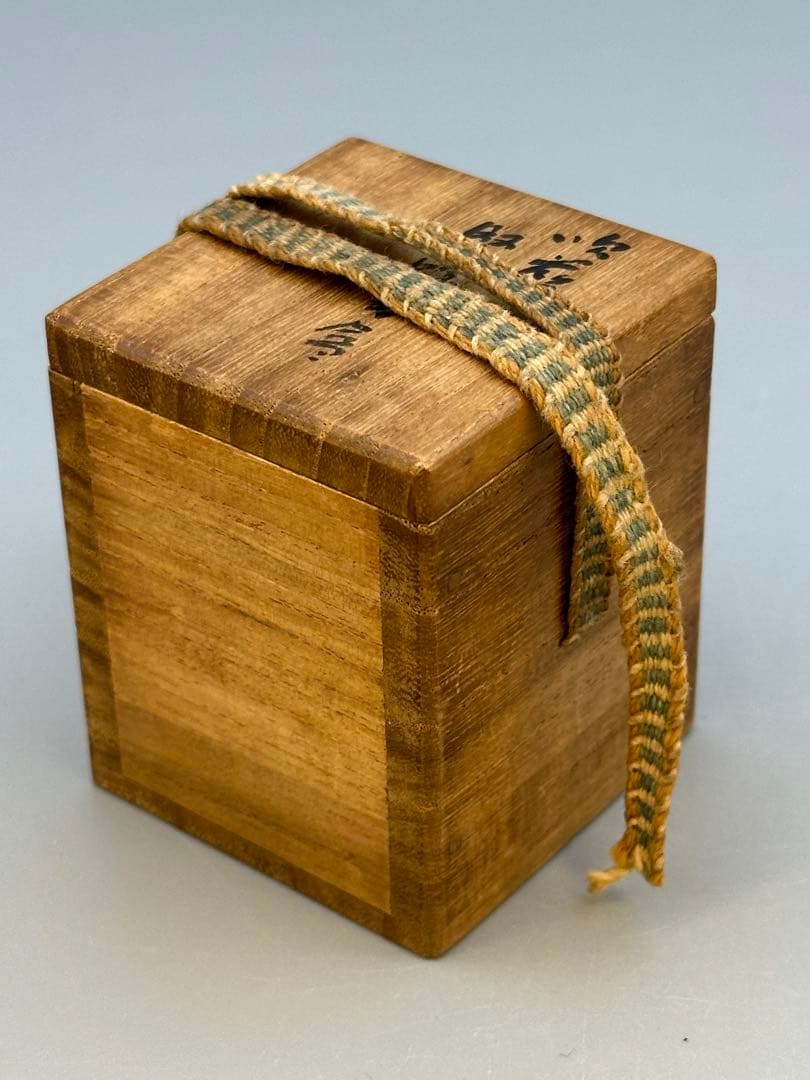
Discover this zoroku shell kogo, a distinctive turban shell ceramic with fukizumi porcelain technique. This incense box ceramic and blue white pottery piece features a blown ink technique and shell shaped vessel form—a signed tomobako art from the japan tea ceremony tradition, a collector tea ware of enduring presence.
🔹 [ Basic Details ]
• Artist: Mashimizu Zoroku (真清水蔵六), distinguished Kyoto ceramics lineage
• Technique: Fukizumi (吹墨, blown ink) cobalt speckle on white porcelain; hand-sculpted turban shell form
• Era: Contemporary (Heisei–Reiwa period)
• Origin: Kyoto, Japan (Gojozaka tradition)
• Dimensions: Height approx. 4.9 cm, Diameter approx. 3.7 cm
• Box: Signed tomobako with Zoroku inscription and seal
• Condition: Excellent — no notable scratches, chips, or repairs.
🔹 [ Cultural & Artistic Insight ]
The turban shell (堅螺/tategai) is an unusual and charming form for a kogo. In tea culture, shell-shaped incense containers are traditionally used during the furo season (May–October), when ceramic kogo replace lacquer ones for the hearth arrangement. A shell form connects the tea gathering to the sea—an evocation of summer distance.
The fukizumi (吹墨, blown ink) technique produces the speckled blue pattern that covers this piece. Cobalt pigment is blown through a fine mesh or tube onto the wet glaze surface, creating an organic constellation of blue dots that no brush could replicate. The result resembles sea spray or morning mist—atmospheric and alive.
Small plum blossom outlines painted in blue emerge from the speckled ground, adding a delicate figurative element to the abstract texture. The spiral viewed from above reveals the mathematical precision of nature's own geometry.
"The shell remembers the sea. The ink remembers the breath that scattered it."
🔹 [ Deep-Dive Commentary ]
The Mashimizu Zoroku lineage is among Kyoto's most respected ceramic families, established in the Gojozaka pottery district. Successive generations have maintained a commitment to sometsuke (染付, blue and white) porcelain while exploring inventive forms drawn from nature.
Fukizumi (吹墨) is a technique inherited from Chinese porcelain traditions but refined within Japanese ceramic practice. The atomized cobalt creates effects ranging from dense concentration to delicate mist, depending on the artist's control of breath, distance, and pigment density. Each firing reveals the pattern differently.
The choice of a turban shell form demonstrates the Zoroku tradition's interest in sculptural ceramics that transcend conventional vessel shapes. In the tea room, such a kogo becomes a point of conversation—guests admire both the technical achievement and the wit of containing incense within a sea creature's architecture.
【日本語解説】
🔹 [ 基本情報 ]
・作家:真清水蔵六(京都の名門陶家)
・技法:吹墨(コバルト吹き付け)、白磁、手造り堅螺形
・時代:現代(平成・令和期)
・産地:京都(五条坂系)
・寸法:高さ約4.9cm、径約3.7cm
・箱:共箱(蔵六墨書・印)
・状態:良好 — 目立つ傷や汚れなし。
🔹 [ 文化的・美術的解説 ]
堅螺(たてがい)は香合として珍しくも愛嬌のある造形である。茶の湯において貝形の香合は風炉の季節(五月〜十月)に用いられ、茶席に海の遠さと夏の気配を運ぶ。
吹墨は呉須を細かい目や管を通して湿った釉面に吹き付ける技法で、筆では再現できない有機的な青の星座を生む。海の飛沫か朝霧のような大気的質感が現れる。斑点の地から小さな梅花の線描が浮かび、抽象的テクスチャーに繊細な具象を加える。
🔹 [ 深掘り解説 ]
真清水蔵六家は京都五条坂の最も敬される陶家の一つであり、代々染付磁器への精進を守りながら自然に取材した創意あふれる造形を探究してきた。
吹墨は中国磁器の伝統を継承しつつ日本の陶芸実践の中で洗練された技法であり、息の加減、距離、顔料の濃度によって密集から薄霧まで多彩な表現を可能にする。堅螺という造形は蔵六家の彫塑的陶芸への関心を示し、茶室では鑑賞と会話の焦点となる。
🔹 [ SHIPPING & PACKAGING ]
• Dispatch: Within 1-6 business days
• Carrier: Japan Post EMS / UPS (with tracking)
• Packaging: Carefully wrapped with protective materials
🔹 [ Basic Details ]
• Artist: Mashimizu Zoroku (真清水蔵六), distinguished Kyoto ceramics lineage
• Technique: Fukizumi (吹墨, blown ink) cobalt speckle on white porcelain; hand-sculpted turban shell form
• Era: Contemporary (Heisei–Reiwa period)
• Origin: Kyoto, Japan (Gojozaka tradition)
• Dimensions: Height approx. 4.9 cm, Diameter approx. 3.7 cm
• Box: Signed tomobako with Zoroku inscription and seal
• Condition: Excellent — no notable scratches, chips, or repairs.
🔹 [ Cultural & Artistic Insight ]
The turban shell (堅螺/tategai) is an unusual and charming form for a kogo. In tea culture, shell-shaped incense containers are traditionally used during the furo season (May–October), when ceramic kogo replace lacquer ones for the hearth arrangement. A shell form connects the tea gathering to the sea—an evocation of summer distance.
The fukizumi (吹墨, blown ink) technique produces the speckled blue pattern that covers this piece. Cobalt pigment is blown through a fine mesh or tube onto the wet glaze surface, creating an organic constellation of blue dots that no brush could replicate. The result resembles sea spray or morning mist—atmospheric and alive.
Small plum blossom outlines painted in blue emerge from the speckled ground, adding a delicate figurative element to the abstract texture. The spiral viewed from above reveals the mathematical precision of nature's own geometry.
"The shell remembers the sea. The ink remembers the breath that scattered it."
🔹 [ Deep-Dive Commentary ]
The Mashimizu Zoroku lineage is among Kyoto's most respected ceramic families, established in the Gojozaka pottery district. Successive generations have maintained a commitment to sometsuke (染付, blue and white) porcelain while exploring inventive forms drawn from nature.
Fukizumi (吹墨) is a technique inherited from Chinese porcelain traditions but refined within Japanese ceramic practice. The atomized cobalt creates effects ranging from dense concentration to delicate mist, depending on the artist's control of breath, distance, and pigment density. Each firing reveals the pattern differently.
The choice of a turban shell form demonstrates the Zoroku tradition's interest in sculptural ceramics that transcend conventional vessel shapes. In the tea room, such a kogo becomes a point of conversation—guests admire both the technical achievement and the wit of containing incense within a sea creature's architecture.
【日本語解説】
🔹 [ 基本情報 ]
・作家:真清水蔵六(京都の名門陶家)
・技法:吹墨(コバルト吹き付け)、白磁、手造り堅螺形
・時代:現代(平成・令和期)
・産地:京都(五条坂系)
・寸法:高さ約4.9cm、径約3.7cm
・箱:共箱(蔵六墨書・印)
・状態:良好 — 目立つ傷や汚れなし。
🔹 [ 文化的・美術的解説 ]
堅螺(たてがい)は香合として珍しくも愛嬌のある造形である。茶の湯において貝形の香合は風炉の季節(五月〜十月)に用いられ、茶席に海の遠さと夏の気配を運ぶ。
吹墨は呉須を細かい目や管を通して湿った釉面に吹き付ける技法で、筆では再現できない有機的な青の星座を生む。海の飛沫か朝霧のような大気的質感が現れる。斑点の地から小さな梅花の線描が浮かび、抽象的テクスチャーに繊細な具象を加える。
🔹 [ 深掘り解説 ]
真清水蔵六家は京都五条坂の最も敬される陶家の一つであり、代々染付磁器への精進を守りながら自然に取材した創意あふれる造形を探究してきた。
吹墨は中国磁器の伝統を継承しつつ日本の陶芸実践の中で洗練された技法であり、息の加減、距離、顔料の濃度によって密集から薄霧まで多彩な表現を可能にする。堅螺という造形は蔵六家の彫塑的陶芸への関心を示し、茶室では鑑賞と会話の焦点となる。
🔹 [ SHIPPING & PACKAGING ]
• Dispatch: Within 1-6 business days
• Carrier: Japan Post EMS / UPS (with tracking)
• Packaging: Carefully wrapped with protective materials
Quantity
Couldn't load pickup availability
Low stock: 1 left
View full details