1
/
of
10
Maki-e Willow Lacquer Tea Caddy by Nakamura Kyozo — Natsume
Maki-e Willow Lacquer Tea Caddy by Nakamura Kyozo — Natsume
Regular price
Dhs. 901.00 AED
Regular price
Sale price
Dhs. 901.00 AED
Taxes included.
Shipping calculated at checkout.
Discover authentic gold makie lacquer artistry in this makie willow natsume. This lacquer tea caddy presents a willow tree design on a black urushi natsume surface—a signed lacquer art piece and botanical motif box from the japan tea ceremony tradition, an enduring tea caddy collector treasure and lacquerware natsume of quiet presence.
🔹 [ Basic Details ]
• Artist: Nakamura Kyozo (中村恭蔵)
• Technique: Gold maki-e (蒔絵) on black urushi lacquer
• Era: Contemporary (Heisei–Reiwa period)
• Origin: Japan
• Dimensions: Height approx. 7.4 cm, Diameter approx. 6.8 cm
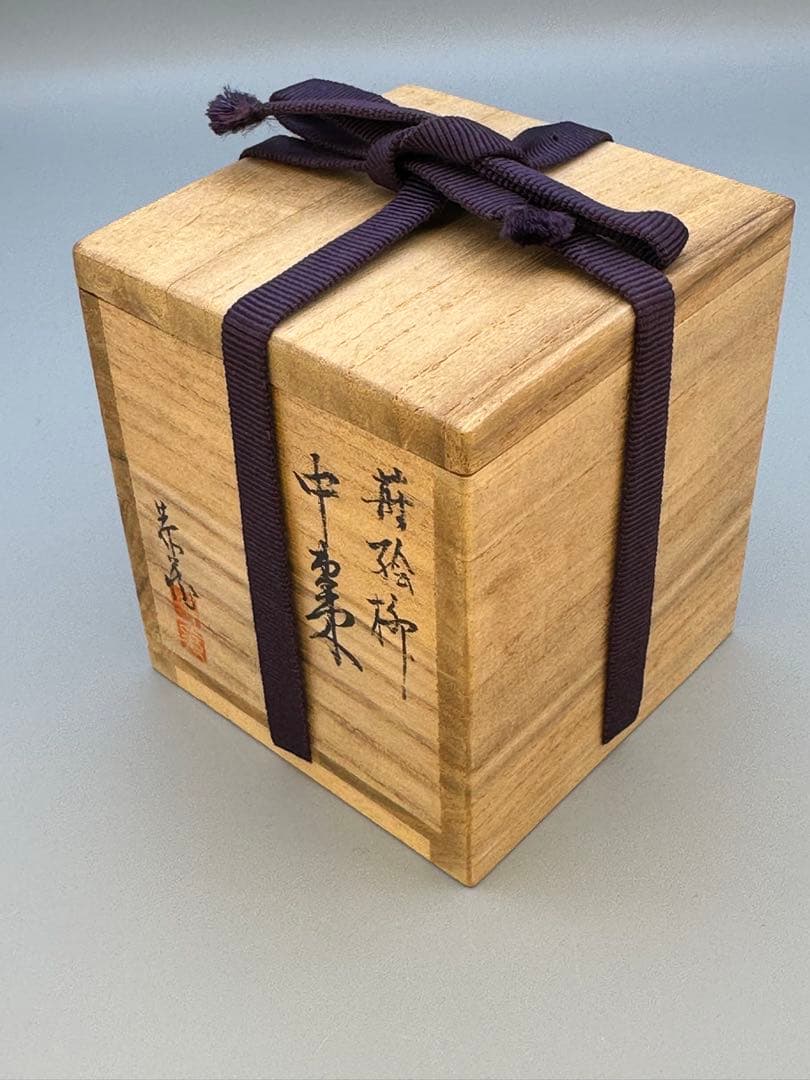
• Box: Signed tomobako (共箱) inscribed "蒔絵柳 中棗" (Maki-e Willow Chu-natsume)
• Condition: Excellent — no notable scratches, chips, or repairs. Clean condition throughout.
🔹 [ Cultural & Artistic Insight ]
The weeping willow (shidare-yanagi, 枝垂柳) is among the most evocative motifs in Japanese decorative arts. Its cascading branches suggest the passage of time, the weight of memory, and the quiet surrender of form to gravity. In tea culture, willow-themed utensils are favored for gatherings in late spring and early summer.
Nakamura Kyozo executes this motif in bold gold maki-e against deep black urushi. A sinuous trunk rises in undulating gold, its branches descending in disciplined rows of feather-like fronds that envelop the entire vessel. The density of the gold work against the void of black creates a visual rhythm—presence against absence, weight against silence.
"The willow does not resist the wind. It remembers every direction the wind has traveled."
🔹 [ Deep-Dive Commentary ]
Maki-e (蒔絵, literally "sprinkled picture") is Japan's most celebrated lacquer decoration technique. Gold or silver powder is sprinkled onto wet lacquer, then sealed with additional coats and polished. The result is an image that exists within the lacquer surface rather than upon it.
The natsume (棗) is a tea caddy designed to hold thin tea (usucha) powder. Named for its resemblance to a jujube fruit, the form is one of the most essential utensils in the tea room. A chu-natsume (中棗, medium natsume) like this piece represents the standard size.
The willow motif on lacquerware carries particular resonance because the medium itself embodies the same qualities—urushi is organic, alive to humidity and light, aging with grace over decades. A willow rendered in gold maki-e on black lacquer becomes a meditation on how beauty persists through yielding.
The artist's choice to cover nearly the entire surface creates an immersive quality. Rather than a single willow in a landscape, the viewer is placed beneath the canopy.
【日本語解説】
🔹 [ 基本情報 ]
・作家:中村恭蔵
・技法:金蒔絵、黒漆塗
・時代:現代(平成・令和期)
・産地:日本
・寸法:高さ約7.4cm、径約6.8cm
・箱:共箱(「蒔絵柳 中棗」と墨書)
・状態:良好 — 目立つ傷や汚れなし。
🔹 [ 文化的・美術的解説 ]
枝垂柳は日本の装飾芸術において最も情感豊かな意匠の一つである。垂れ下がる枝は時の流れ、記憶の重み、そして形が重力に静かに委ねる姿を暗示する。茶道では柳の意匠は晩春から初夏の茶席に好まれる。
中村恭蔵は深い黒漆の上に大胆な金蒔絵でこの意匠を描く。うねる幹が金で立ち上がり、枝は羽のような房を整然と垂らし、器全体を包み込む。金の密度と黒の虚の対比が視覚的韻律を生む。
🔹 [ 深掘り解説 ]
蒔絵は日本の最も名高い漆装飾技法である。湿った漆の上に金銀粉を蒔き、さらに漆を重ねて研ぎ出す。画像は漆の表面の上ではなく、内に存在する。
棗は薄茶を入れるための茶器であり、棗の実に似た形からその名がつけられた。中棗は標準的な大きさであり、茶室において最も基本的な道具の一つである。
漆器における柳の意匠は格別の共鳴を持つ。漆そのものが有機的で、湿度と光に応じ、数十年をかけて優雅に変化する素材だからである。黒漆に金蒔絵で描かれた柳は、しなやかさの中に美が持続することへの瞑想となる。
🔹 [ SHIPPING & PACKAGING ]
• Dispatch: Within 1-6 business days
• Carrier: Japan Post EMS / UPS (with tracking)
• Packaging: Carefully wrapped with protective materials
🔹 [ Basic Details ]
• Artist: Nakamura Kyozo (中村恭蔵)
• Technique: Gold maki-e (蒔絵) on black urushi lacquer
• Era: Contemporary (Heisei–Reiwa period)
• Origin: Japan
• Dimensions: Height approx. 7.4 cm, Diameter approx. 6.8 cm
• Box: Signed tomobako (共箱) inscribed "蒔絵柳 中棗" (Maki-e Willow Chu-natsume)
• Condition: Excellent — no notable scratches, chips, or repairs. Clean condition throughout.
🔹 [ Cultural & Artistic Insight ]
The weeping willow (shidare-yanagi, 枝垂柳) is among the most evocative motifs in Japanese decorative arts. Its cascading branches suggest the passage of time, the weight of memory, and the quiet surrender of form to gravity. In tea culture, willow-themed utensils are favored for gatherings in late spring and early summer.
Nakamura Kyozo executes this motif in bold gold maki-e against deep black urushi. A sinuous trunk rises in undulating gold, its branches descending in disciplined rows of feather-like fronds that envelop the entire vessel. The density of the gold work against the void of black creates a visual rhythm—presence against absence, weight against silence.
"The willow does not resist the wind. It remembers every direction the wind has traveled."
🔹 [ Deep-Dive Commentary ]
Maki-e (蒔絵, literally "sprinkled picture") is Japan's most celebrated lacquer decoration technique. Gold or silver powder is sprinkled onto wet lacquer, then sealed with additional coats and polished. The result is an image that exists within the lacquer surface rather than upon it.
The natsume (棗) is a tea caddy designed to hold thin tea (usucha) powder. Named for its resemblance to a jujube fruit, the form is one of the most essential utensils in the tea room. A chu-natsume (中棗, medium natsume) like this piece represents the standard size.
The willow motif on lacquerware carries particular resonance because the medium itself embodies the same qualities—urushi is organic, alive to humidity and light, aging with grace over decades. A willow rendered in gold maki-e on black lacquer becomes a meditation on how beauty persists through yielding.
The artist's choice to cover nearly the entire surface creates an immersive quality. Rather than a single willow in a landscape, the viewer is placed beneath the canopy.
【日本語解説】
🔹 [ 基本情報 ]
・作家:中村恭蔵
・技法:金蒔絵、黒漆塗
・時代:現代(平成・令和期)
・産地:日本
・寸法:高さ約7.4cm、径約6.8cm
・箱:共箱(「蒔絵柳 中棗」と墨書)
・状態:良好 — 目立つ傷や汚れなし。
🔹 [ 文化的・美術的解説 ]
枝垂柳は日本の装飾芸術において最も情感豊かな意匠の一つである。垂れ下がる枝は時の流れ、記憶の重み、そして形が重力に静かに委ねる姿を暗示する。茶道では柳の意匠は晩春から初夏の茶席に好まれる。
中村恭蔵は深い黒漆の上に大胆な金蒔絵でこの意匠を描く。うねる幹が金で立ち上がり、枝は羽のような房を整然と垂らし、器全体を包み込む。金の密度と黒の虚の対比が視覚的韻律を生む。
🔹 [ 深掘り解説 ]
蒔絵は日本の最も名高い漆装飾技法である。湿った漆の上に金銀粉を蒔き、さらに漆を重ねて研ぎ出す。画像は漆の表面の上ではなく、内に存在する。
棗は薄茶を入れるための茶器であり、棗の実に似た形からその名がつけられた。中棗は標準的な大きさであり、茶室において最も基本的な道具の一つである。
漆器における柳の意匠は格別の共鳴を持つ。漆そのものが有機的で、湿度と光に応じ、数十年をかけて優雅に変化する素材だからである。黒漆に金蒔絵で描かれた柳は、しなやかさの中に美が持続することへの瞑想となる。
🔹 [ SHIPPING & PACKAGING ]
• Dispatch: Within 1-6 business days
• Carrier: Japan Post EMS / UPS (with tracking)
• Packaging: Carefully wrapped with protective materials
Quantity
Couldn't load pickup availability
Out of stock
View full details