1
/
of
10
Madara Karatsu Chawan by Hamamoto Yoshiyuki — Mottled Straw Ash Tea Bowl from Sanri Kiln
Madara Karatsu Chawan by Hamamoto Yoshiyuki — Mottled Straw Ash Tea Bowl from Sanri Kiln
Regular price
Dhs. 3,271.00 AED
Regular price
Sale price
Dhs. 3,271.00 AED
Taxes included.
Shipping calculated at checkout.
Experience authentic Japanese tea ceramics with this Madara Karatsu Chawan by Hamamoto Yoshiyuki. This mottled Karatsu tea bowl serves as a functional chawan and a collectible art object, featuring traditional straw ash glaze and iron-rich Karatsu clay—a must-have for any tea ceremony practitioner seeking wabi-sabi aesthetics and gallery-provenance ceramics.
━━━━━━━━━━━━━━━━━━━━
🔹 [ BASIC DETAILS ]
• Artist: Hamamoto Yoshiyuki (浜本洋好)
• Technique: Madara-Karatsu — straw ash (wara-bai) glaze over iron-rich clay, wood-fired
• Era: Contemporary
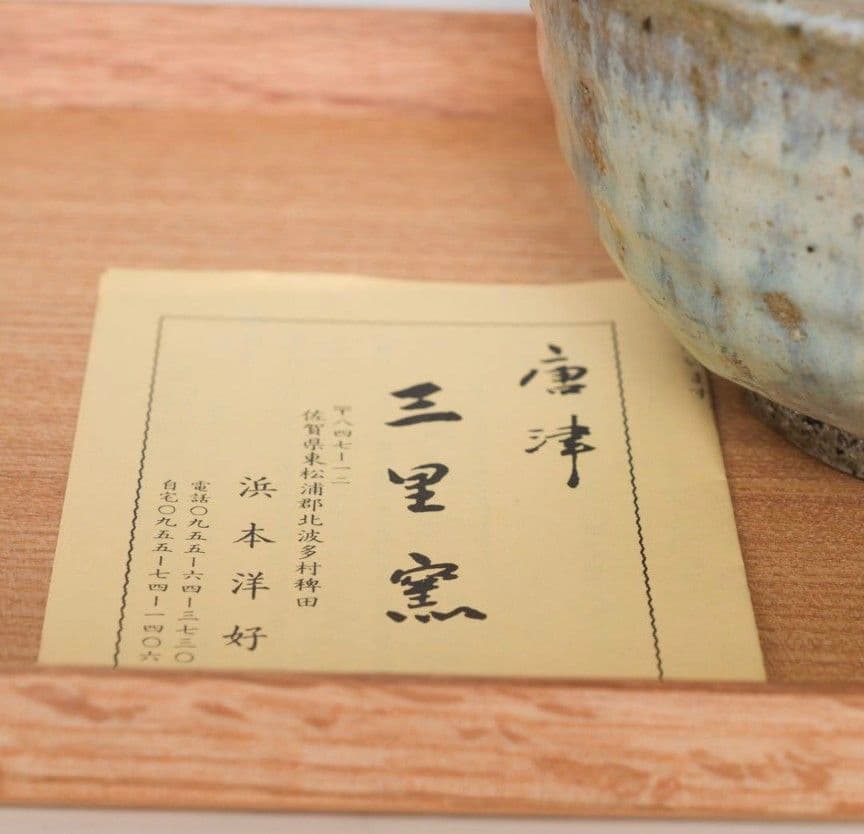
• Origin: Sanri-gama (三里窯), Karatsu, Saga Prefecture, Japan
• Dimensions: Diameter 13.5 cm × Height 8.5 cm (5.3" × 3.3")
• Box: Tomobako (artist-signed wooden box) with tomobukuro (共布)
• Condition: Excellent — no chips, no cracks, no repairs
━━━━━━━━━━━━━━━━━━━━
🔹 [ CULTURAL & ARTISTIC INSIGHT ]
Karatsu ware holds a singular place in the lineage of Japanese tea culture. The old adage among chajin—"Ichi-Raku, Ni-Hagi, San-Karatsu"—places Karatsu alongside Raku and Hagi as one of the three most revered origins for tea bowls. Within the Karatsu tradition, Madara-Karatsu (斑唐津) stands apart: the word "madara" means mottled or spotted, and the effect is born not from the potter’s brush but from an elemental dialogue between straw ash, iron clay, and flame. There is no painting here, no decoration applied by human will. The surface is authored by fire.
Hamamoto Yoshiyuki works at Sanri-gama with a philosophy that borders on devotion. He reveres the soil, maintains the straw without interruption, and approaches the kiln with a sense of awe. His character—quiet, sincere, averse to spectacle—passes directly into the clay. This chawan carries that temperament: it does not announce itself, yet once held, its presence fills the hands with a density of intention that words struggle to reach. The mottled surface shifts between pale blue-grey where straw ash pooled, warm brown where the clay body asserts itself, and passages of opaque white that seem to hold light rather than reflect it.
That this bowl was selected and sold through Shibuya Kuroda Touen—one of Tokyo’s most discerning ceramic galleries, long regarded as a gatekeeper of tea-ceremony quality—speaks to its standing. Gallery provenance of this caliber confirms what the bowl already declares through its form and surface: this is work of serious cultural weight.
*"The flame does not obey. It reveals."*
━━━━━━━━━━━━━━━━━━━━
🔹 [ DEEP-DIVE COMMENTARY ]
**The Madara Effect — Straw Ash as Co-Author**: Unlike applied glazes that coat a surface uniformly, the madara technique relies on straw placed inside or near the kiln during firing. As the straw combusts, its alkaline ash drifts and settles unpredictably, reacting with the iron oxide in Karatsu clay to produce the characteristic mottled blue-grey and white. Each firing is a collaboration between potter, material, and kiln atmosphere—no two bowls emerge alike.
**Kodai — Reading the Foot**: Turn this bowl over and you encounter raw Karatsu earth in its unmediated state. The foot ring is rough, granular, deliberately unrefined—dark iron-brown clay exposed without apology. In tea aesthetics, the kodai is considered the most honest part of a chawan. Here, patches of glaze crawl at the boundary between glazed and unglazed surfaces, evidence of authentic wood-firing.
**Karatsu & the Korean Continuum**: Karatsu ware traces its roots to Korean potters who settled in northern Kyushu in the late sixteenth century. The robust forms, the iron-rich clay bodies, the reliance on wood ash and straw ash glazes—all carry the memory of Korean ceramic traditions filtered through Japanese tea sensibility. Hamamoto’s work sits within this continuity.
**Gallery Provenance — Shibuya Kuroda Touen**: Founded as a specialist in tea-ceremony ceramics and contemporary Japanese craft, Kuroda Touen has long served as a bridge between living potters and serious collectors. Their selection process is rigorous; to be exhibited and sold through their gallery is itself a form of recognition.
━━━━━━━━━━━━━━━━━━━━
🔹 [ 日本語解説 ]
【基本情報】
• 作家:浜本洋好
• 技法:斑唐津 — 藤灰釉、鉄分を含む唐津土、薪窯焼成
• 時代:現代
• 産地:三里窯、佐賀県唐津市
• 寸法:径13.5cm × 高さ8.5cm
• 付属:共箱・共布
• 状態:良好
【解説】
「一楽、二萩、三唐津」と謳われる茶碗の名産地・唐津。その中でも斑唐津は、藤灰が鉄分豊富な素地と炎の中で反応し、青灰色と白の斑(まだら)模様を生み出す、最も原初的で力強い技法のひとつです。
浜本洋好氏は、三里窯にて「土を大切に扱い、藤を絶やさず、炎を畏敬する」という姿勢で作陶を続ける作家です。清廉で派手を好まないその人柄は、そのまま作品に宿ります。
しぶや黒田陶苑は、東京・渋谷において茶道具・現代陶芸の目利きとして知られる名門画廊です。同店を通じて世に出たという来歴は、この茶碗の品格と確かさを裏付けるものです。静かでありながら、手に取れば確かな存在感——浜本洋好の作陶精神が凝縮された一碗です。
━━━━━━━━━━━━━━━━━━━━
🔹 [ SHIPPING & PACKAGING ]
• Dispatch: Within 1-6 business days
• Carrier: Japan Post EMS / UPS (with tracking)
• Packaging: Carefully wrapped with protective materials
*Where straw ash meets iron earth, the kiln speaks in a language older than intention.*
━━━━━━━━━━━━━━━━━━━━
🔹 [ BASIC DETAILS ]
• Artist: Hamamoto Yoshiyuki (浜本洋好)
• Technique: Madara-Karatsu — straw ash (wara-bai) glaze over iron-rich clay, wood-fired
• Era: Contemporary
• Origin: Sanri-gama (三里窯), Karatsu, Saga Prefecture, Japan
• Dimensions: Diameter 13.5 cm × Height 8.5 cm (5.3" × 3.3")
• Box: Tomobako (artist-signed wooden box) with tomobukuro (共布)
• Condition: Excellent — no chips, no cracks, no repairs
━━━━━━━━━━━━━━━━━━━━
🔹 [ CULTURAL & ARTISTIC INSIGHT ]
Karatsu ware holds a singular place in the lineage of Japanese tea culture. The old adage among chajin—"Ichi-Raku, Ni-Hagi, San-Karatsu"—places Karatsu alongside Raku and Hagi as one of the three most revered origins for tea bowls. Within the Karatsu tradition, Madara-Karatsu (斑唐津) stands apart: the word "madara" means mottled or spotted, and the effect is born not from the potter’s brush but from an elemental dialogue between straw ash, iron clay, and flame. There is no painting here, no decoration applied by human will. The surface is authored by fire.
Hamamoto Yoshiyuki works at Sanri-gama with a philosophy that borders on devotion. He reveres the soil, maintains the straw without interruption, and approaches the kiln with a sense of awe. His character—quiet, sincere, averse to spectacle—passes directly into the clay. This chawan carries that temperament: it does not announce itself, yet once held, its presence fills the hands with a density of intention that words struggle to reach. The mottled surface shifts between pale blue-grey where straw ash pooled, warm brown where the clay body asserts itself, and passages of opaque white that seem to hold light rather than reflect it.
That this bowl was selected and sold through Shibuya Kuroda Touen—one of Tokyo’s most discerning ceramic galleries, long regarded as a gatekeeper of tea-ceremony quality—speaks to its standing. Gallery provenance of this caliber confirms what the bowl already declares through its form and surface: this is work of serious cultural weight.
*"The flame does not obey. It reveals."*
━━━━━━━━━━━━━━━━━━━━
🔹 [ DEEP-DIVE COMMENTARY ]
**The Madara Effect — Straw Ash as Co-Author**: Unlike applied glazes that coat a surface uniformly, the madara technique relies on straw placed inside or near the kiln during firing. As the straw combusts, its alkaline ash drifts and settles unpredictably, reacting with the iron oxide in Karatsu clay to produce the characteristic mottled blue-grey and white. Each firing is a collaboration between potter, material, and kiln atmosphere—no two bowls emerge alike.
**Kodai — Reading the Foot**: Turn this bowl over and you encounter raw Karatsu earth in its unmediated state. The foot ring is rough, granular, deliberately unrefined—dark iron-brown clay exposed without apology. In tea aesthetics, the kodai is considered the most honest part of a chawan. Here, patches of glaze crawl at the boundary between glazed and unglazed surfaces, evidence of authentic wood-firing.
**Karatsu & the Korean Continuum**: Karatsu ware traces its roots to Korean potters who settled in northern Kyushu in the late sixteenth century. The robust forms, the iron-rich clay bodies, the reliance on wood ash and straw ash glazes—all carry the memory of Korean ceramic traditions filtered through Japanese tea sensibility. Hamamoto’s work sits within this continuity.
**Gallery Provenance — Shibuya Kuroda Touen**: Founded as a specialist in tea-ceremony ceramics and contemporary Japanese craft, Kuroda Touen has long served as a bridge between living potters and serious collectors. Their selection process is rigorous; to be exhibited and sold through their gallery is itself a form of recognition.
━━━━━━━━━━━━━━━━━━━━
🔹 [ 日本語解説 ]
【基本情報】
• 作家:浜本洋好
• 技法:斑唐津 — 藤灰釉、鉄分を含む唐津土、薪窯焼成
• 時代:現代
• 産地:三里窯、佐賀県唐津市
• 寸法:径13.5cm × 高さ8.5cm
• 付属:共箱・共布
• 状態:良好
【解説】
「一楽、二萩、三唐津」と謳われる茶碗の名産地・唐津。その中でも斑唐津は、藤灰が鉄分豊富な素地と炎の中で反応し、青灰色と白の斑(まだら)模様を生み出す、最も原初的で力強い技法のひとつです。
浜本洋好氏は、三里窯にて「土を大切に扱い、藤を絶やさず、炎を畏敬する」という姿勢で作陶を続ける作家です。清廉で派手を好まないその人柄は、そのまま作品に宿ります。
しぶや黒田陶苑は、東京・渋谷において茶道具・現代陶芸の目利きとして知られる名門画廊です。同店を通じて世に出たという来歴は、この茶碗の品格と確かさを裏付けるものです。静かでありながら、手に取れば確かな存在感——浜本洋好の作陶精神が凝縮された一碗です。
━━━━━━━━━━━━━━━━━━━━
🔹 [ SHIPPING & PACKAGING ]
• Dispatch: Within 1-6 business days
• Carrier: Japan Post EMS / UPS (with tracking)
• Packaging: Carefully wrapped with protective materials
*Where straw ash meets iron earth, the kiln speaks in a language older than intention.*
Quantity
Couldn't load pickup availability
Low stock: 1 left
View full details