1
/
of
10
Kyogyo Kiln Soei Autumn Grass Matcha Bowl — Kyo-yaki Ironweed Bellflower Chawan, Signed Box
Kyogyo Kiln Soei Autumn Grass Matcha Bowl — Kyo-yaki Ironweed Bellflower Chawan, Signed Box
Regular price
Dhs. 715.00 AED
Regular price
Sale price
Dhs. 715.00 AED
Taxes included.
Shipping calculated at checkout.
Experience Authentic Japan Art with this Kyo-yaki Autumn Grass Matcha Bowl. This Kyogyo Kiln Chawan serves as a Japanese Tea Ceremony Bowl and Seasonal Collector Ceramics, featuring Overglaze Enamel Bellflower and Autumn Grass Painting—a must-have for any Art Collector.
🔹 [ BASIC DETAILS ]
• Artist: Soei (宗英), Kyogyo-gama (京暁窯)
• Style: Kyo-yaki (京焼) — Kyoto tradition overglaze enamel (iroe)
• Technique: Wheel-thrown, polychrome overglaze enamel painting (bellflower, pampas grass, patrinia, clover); salmon-pink ground with incised scale texture (nishiki-de ground)
• Theme: Akikusa-e (秋草絵 — autumn grasses and flowers)
• Era: Heisei period (1990s–2000s)
• Origin: Kyoto, Japan
• Dimensions: Diameter approx. 12 cm / Height approx. 8.5 cm
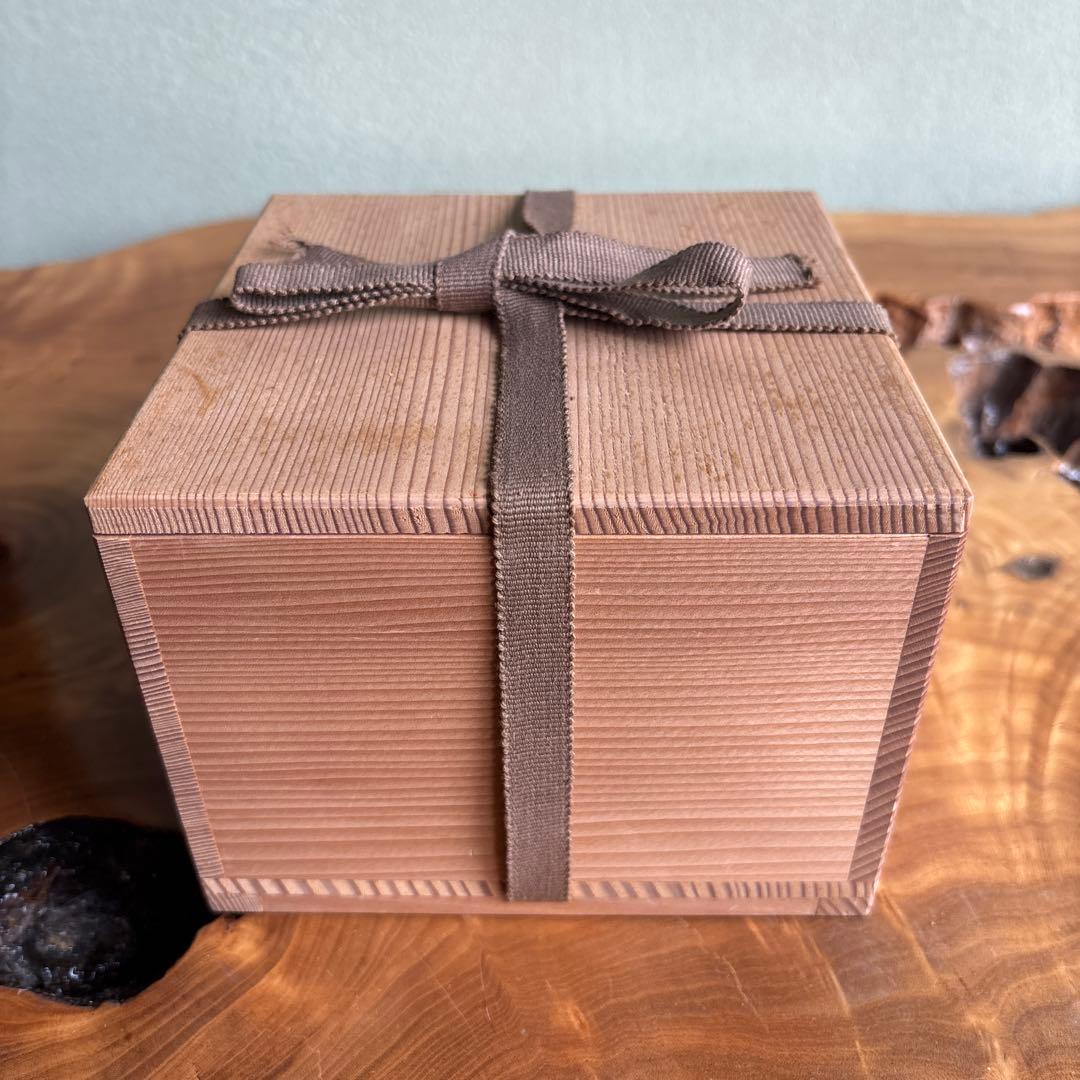
• Box: Original tomobako (共箱) inscribed 秋草絵茶碗 京暁窯 宗英
• Condition: No chips or cracks; crazing on inner surface is intrinsic — excellent
🔹 [ Cultural & Artistic Insight ]
Akikusa — the autumn grasses — occupy a singular position in Japanese aesthetics. Unlike the dramatic mono no aware of cherry blossoms, which bloom and fall in days, the autumn field is alive with a more patient, dispersed beauty: pampas grass (susuki) that catches the evening light, bellflower (kikyo) in deep violet-purple, patrinia (ominaeshi) in pale gold, the reddish berries of nanten. Together they compose the landscape of mugen — quiet infinity — that Japanese poets and painters have returned to for over a millennium, from the Man'yoshu through to Heian court painting and the decorative arts of the Rinpa school.
On tea ceramics, the akikusa motif signals the specific emotional register of the tea ceremony in autumn: a season of harvest and letting go, of gathering before the cold, of finding warmth in gathering. A tea bowl painted with these grasses invites the drinker into that temporal awareness—each sip a small acknowledgment of the season passing.
Soei of Kyogyo-gama works in the refined Kyoto polychrome tradition, where precise brushwork and a painter's eye govern the ceramicist's hand. The ground color of this chawan is a warm salmon-pink—not the stark white of porcelain nor the earthy buff of stoneware, but a specific tonal choice that makes the blue-violet bellflowers read with unusual depth and the white pampas grass strokes float like breath.
🔹 [ Deep-Dive Commentary ]
The visual grammar of this chawan is rich. The surface has been incised with a fine scale or textile-like ground pattern before glazing—a technique borrowed from Kyoto's nishiki-de (brocade ware) tradition—giving the pink ground a textile warmth and depth rather than the flat color of a painted slip. Against this textured field the autumn flora is painted with confident looseness: a spray of bellflowers in cobalt and purple, a tuft of pampas grass in silver-white, scattered red berries, green stems bending under invisible autumn wind.
The pictorial composition wraps around the full circumference of the bowl, so that as the hands rotate it during drinking, scenes succeed one another like panels of a folding screen. This is not accidental—it is a fundamental principle of Kyoto tea ceramics that the painted surface should reward slow, attentive looking. Each angle offers a different arrangement of motifs, a different balance of color and interval.
The bellflower (kikyo) is particularly significant. It is among the seven plants of autumn (aki no nanakusa) listed in the Man'yoshu, the oldest anthology of Japanese poetry. Its distinctive five-petaled star form was widely adopted as a family crest (kamon) and is associated with the Akechi and Hojo clans. On a tea bowl, the kikyo connotes literary depth and autumn poetics without overt heraldic display—a quiet cultural signal.
The inner surface shows a fine crazing—confirming that this is a genuine fired piece with natural thermal history. The foot-ring is cleanly trimmed, the glaze ending neatly above it to expose the cream body clay. The tomobako inscription names artist, kiln, and motif, providing a complete record of provenance.
For the collector seeking a Kyoto tea bowl that bridges the decorative and the functional—aesthetically ambitious but usable in practice—this akikusa chawan by Kyogyo-gama Soei is a considered choice.
---
[ JAPANESE DESCRIPTION / 日本語解説 ]
【基本情報】
作者:宗英(京暁窯)
様式:京焼・色絵(秋草絵)
技法:轆轤成形・錦手地・多彩色絵(桔梗・萩・芒・南天等)
寸法:径 約12cm / 高さ 約8.5cm
共箱:「秋草絵茶碗 京暁窯 宗英」墨書
状態:ヒビ・カケなし。内側の貫入は焼成本来の景色。
【文化的背景・作品解説】
秋草絵は、万葉集以来の日本美術における最も根源的なモチーフのひとつ。桔梗・萩・芒・女郎花——秋の野の植物が、淡い時の流れと「もののあわれ」を静かに語る。本作は京暁窯・宗英による色絵茶碗で、温かみのあるサーモンピンクの地(錦手風の刻文入り)に、青紫の桔梗、白い芒、緑の草、赤い実が生き生きと描かれている。
京焼の多彩色絵の伝統を踏まえた筆致は確かで伸びやかであり、茶碗の周囲を巡る秋の野が、手に取るたびに新しい場面を見せる。桔梗は万葉集に詠まれた秋の七草のひとつ。茶席でこの碗を手にするとき、飲み手は日本の秋の詩的伝統の中に静かに包まれる。実用できる美しさと文化的な奥行きを持つ、京焼色絵の佳品。
🔹 [ SHIPPING & PACKAGING ]
• Dispatch: Within 1-6 business days
• Carrier: Japan Post EMS / UPS (with tracking)
• Packaging: Carefully wrapped with protective materials
🔹 [ BASIC DETAILS ]
• Artist: Soei (宗英), Kyogyo-gama (京暁窯)
• Style: Kyo-yaki (京焼) — Kyoto tradition overglaze enamel (iroe)
• Technique: Wheel-thrown, polychrome overglaze enamel painting (bellflower, pampas grass, patrinia, clover); salmon-pink ground with incised scale texture (nishiki-de ground)
• Theme: Akikusa-e (秋草絵 — autumn grasses and flowers)
• Era: Heisei period (1990s–2000s)
• Origin: Kyoto, Japan
• Dimensions: Diameter approx. 12 cm / Height approx. 8.5 cm
• Box: Original tomobako (共箱) inscribed 秋草絵茶碗 京暁窯 宗英
• Condition: No chips or cracks; crazing on inner surface is intrinsic — excellent
🔹 [ Cultural & Artistic Insight ]
Akikusa — the autumn grasses — occupy a singular position in Japanese aesthetics. Unlike the dramatic mono no aware of cherry blossoms, which bloom and fall in days, the autumn field is alive with a more patient, dispersed beauty: pampas grass (susuki) that catches the evening light, bellflower (kikyo) in deep violet-purple, patrinia (ominaeshi) in pale gold, the reddish berries of nanten. Together they compose the landscape of mugen — quiet infinity — that Japanese poets and painters have returned to for over a millennium, from the Man'yoshu through to Heian court painting and the decorative arts of the Rinpa school.
On tea ceramics, the akikusa motif signals the specific emotional register of the tea ceremony in autumn: a season of harvest and letting go, of gathering before the cold, of finding warmth in gathering. A tea bowl painted with these grasses invites the drinker into that temporal awareness—each sip a small acknowledgment of the season passing.
Soei of Kyogyo-gama works in the refined Kyoto polychrome tradition, where precise brushwork and a painter's eye govern the ceramicist's hand. The ground color of this chawan is a warm salmon-pink—not the stark white of porcelain nor the earthy buff of stoneware, but a specific tonal choice that makes the blue-violet bellflowers read with unusual depth and the white pampas grass strokes float like breath.
🔹 [ Deep-Dive Commentary ]
The visual grammar of this chawan is rich. The surface has been incised with a fine scale or textile-like ground pattern before glazing—a technique borrowed from Kyoto's nishiki-de (brocade ware) tradition—giving the pink ground a textile warmth and depth rather than the flat color of a painted slip. Against this textured field the autumn flora is painted with confident looseness: a spray of bellflowers in cobalt and purple, a tuft of pampas grass in silver-white, scattered red berries, green stems bending under invisible autumn wind.
The pictorial composition wraps around the full circumference of the bowl, so that as the hands rotate it during drinking, scenes succeed one another like panels of a folding screen. This is not accidental—it is a fundamental principle of Kyoto tea ceramics that the painted surface should reward slow, attentive looking. Each angle offers a different arrangement of motifs, a different balance of color and interval.
The bellflower (kikyo) is particularly significant. It is among the seven plants of autumn (aki no nanakusa) listed in the Man'yoshu, the oldest anthology of Japanese poetry. Its distinctive five-petaled star form was widely adopted as a family crest (kamon) and is associated with the Akechi and Hojo clans. On a tea bowl, the kikyo connotes literary depth and autumn poetics without overt heraldic display—a quiet cultural signal.
The inner surface shows a fine crazing—confirming that this is a genuine fired piece with natural thermal history. The foot-ring is cleanly trimmed, the glaze ending neatly above it to expose the cream body clay. The tomobako inscription names artist, kiln, and motif, providing a complete record of provenance.
For the collector seeking a Kyoto tea bowl that bridges the decorative and the functional—aesthetically ambitious but usable in practice—this akikusa chawan by Kyogyo-gama Soei is a considered choice.
---
[ JAPANESE DESCRIPTION / 日本語解説 ]
【基本情報】
作者:宗英(京暁窯)
様式:京焼・色絵(秋草絵)
技法:轆轤成形・錦手地・多彩色絵(桔梗・萩・芒・南天等)
寸法:径 約12cm / 高さ 約8.5cm
共箱:「秋草絵茶碗 京暁窯 宗英」墨書
状態:ヒビ・カケなし。内側の貫入は焼成本来の景色。
【文化的背景・作品解説】
秋草絵は、万葉集以来の日本美術における最も根源的なモチーフのひとつ。桔梗・萩・芒・女郎花——秋の野の植物が、淡い時の流れと「もののあわれ」を静かに語る。本作は京暁窯・宗英による色絵茶碗で、温かみのあるサーモンピンクの地(錦手風の刻文入り)に、青紫の桔梗、白い芒、緑の草、赤い実が生き生きと描かれている。
京焼の多彩色絵の伝統を踏まえた筆致は確かで伸びやかであり、茶碗の周囲を巡る秋の野が、手に取るたびに新しい場面を見せる。桔梗は万葉集に詠まれた秋の七草のひとつ。茶席でこの碗を手にするとき、飲み手は日本の秋の詩的伝統の中に静かに包まれる。実用できる美しさと文化的な奥行きを持つ、京焼色絵の佳品。
🔹 [ SHIPPING & PACKAGING ]
• Dispatch: Within 1-6 business days
• Carrier: Japan Post EMS / UPS (with tracking)
• Packaging: Carefully wrapped with protective materials
Quantity
Couldn't load pickup availability
Low stock: 1 left
View full details