1
/
of
8
Kutani Ware Shozo-Style Tea Bowl by Shoko - Iro-e Enamel Chawan with Signed Box
Kutani Ware Shozo-Style Tea Bowl by Shoko - Iro-e Enamel Chawan with Signed Box
Regular price
Dhs. 781.00 AED
Regular price
Sale price
Dhs. 781.00 AED
Taxes included.
Shipping calculated at checkout.
Experience authentic Japanese tea culture with this Kutani Ware Overglaze Enamel Tea Bowl by Shoko. This Japanese Matcha Chawan serves as a Shozo Style Kutani masterwork and Polychrome Ceramic bowl, featuring Gold Accent Pottery artistry and Japanese Bird Motif design—a must-have for any Art Collector seeking authentic Ishikawa Ceramic Art and Collector Tea Ware.
━━━━━━━━━━━━━━━━━━━━
🔹 [ BASIC DETAILS ]
• Artist: Shoko (祥弘)
• Technique: Kutani iro-e (色絵) overglaze enamel in Shozo style (庄三風)
• Era: Contemporary (Heisei–Reiwa period)
• Origin: Kutani, Ishikawa Prefecture, Japan
• Dimensions: Diameter approx. 11.3 cm × Height approx. 7.3 cm (4.4" × 2.9")
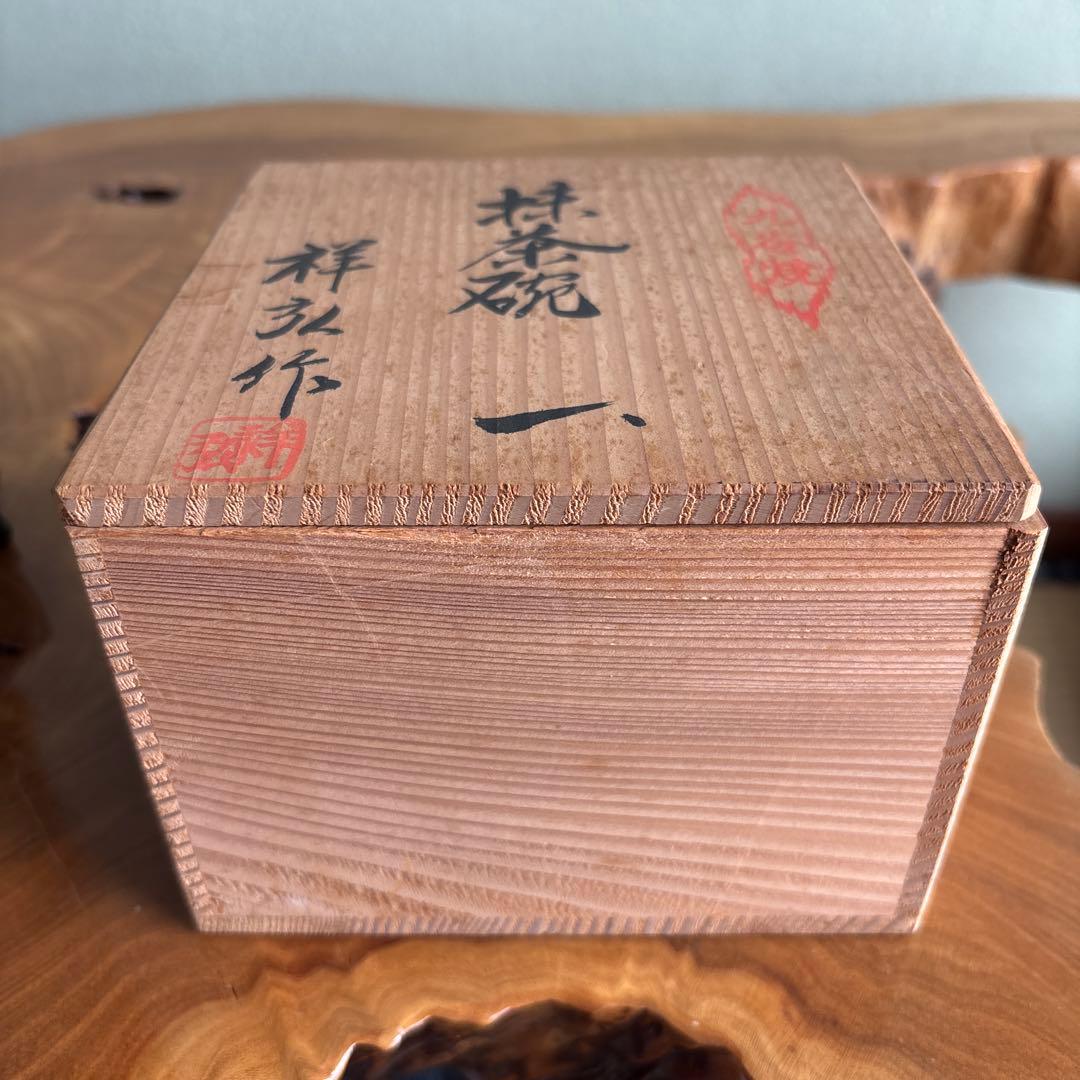
• Box: Tomobako (artist-signed wooden box)
• Condition: Excellent – no cracks, chips, or repairs
━━━━━━━━━━━━━━━━━━━━
🔹 [ CULTURAL & ARTISTIC INSIGHT ]
Kutani ware occupies a singular position in Japanese ceramics — it is the tradition that refused restraint. While tea culture often gravitates toward understatement, Kutani declared that color itself could carry cultural weight. The Shozo style (庄三風), named after the 19th-century master Kutani Shozo, represents the pinnacle of this conviction: densely painted surfaces where every centimeter speaks.
Shoko's work continues this lineage with disciplined abundance. Pheasants perch among flowering peonies and chrysanthemums, rendered in the five signature Kutani colors — green, blue, orange, pink, and gold. The composition is not merely ornamental. In East Asian iconography, pheasants symbolize beauty and good fortune, peonies represent nobility, and chrysanthemums stand for longevity. Together, they form a visual incantation — an entire cosmology compressed onto the surface of a single tea bowl.
The gold line borders at rim and base are not afterthought. They are architecture — framing the painted narrative the way a tokonoma alcove frames a scroll.
*"Color, when it reaches this density, stops being decoration and becomes declaration."*
━━━━━━━━━━━━━━━━━━━━
🔹 [ DEEP-DIVE COMMENTARY ]
**The Shozo Legacy**: Kutani Shozo (九谷庄三, 1816–1883) revolutionized Kutani ware by developing a style that combined meticulous draftsmanship with saturated overglaze enamels. His approach — filling every available surface with interlocking motifs drawn from nature, mythology, and pattern — became one of Kutani's most recognized and internationally celebrated styles. Shoko's bowl works within this tradition, demonstrating both technical command and deep respect for the Shozo aesthetic vocabulary.
**Iro-e Technique**: The overglaze enamel technique (色絵) requires multiple firings. The base form is first glazed and fired, then painted with mineral pigments and fired again at a lower temperature to fuse the colors to the surface. Each color may require a separate firing to achieve proper saturation without bleeding into adjacent hues. The precision visible in this bowl — clean color boundaries, consistent line weight, graduated tones — reflects significant technical discipline.
**Iconographic Program**: The combination of pheasants with peonies (牡丹) and chrysanthemums (菊) is deeply rooted in East Asian decorative tradition. Peonies are the "king of flowers" in Chinese and Japanese art, associated with wealth and honor. Chrysanthemums, the imperial flower of Japan, represent autumn and endurance. The pheasant, with its elaborate plumage, mirrors the ornamental ambition of the Kutani tradition itself.
**Crackle Glaze Foundation**: Beneath the painted surface, a fine crackle glaze (貫入) is visible — the natural result of differential cooling between glaze and clay body. In Kutani ware, this crackle adds textural depth beneath the enamel work, creating a subtle interplay between the painted surface and the ceramic foundation.
━━━━━━━━━━━━━━━━━━━━
🔹 [ 日本語解説 ]
【基本情報】
• 作家:祥弘
• 技法:九谷焼 色絵(庄三風)
• 時代:現代(平成〜令和)
• 産地:石川県九谷
• 寸法:直径約11.3cm × 高さ約7.3cm
• 付属:共箱(「九谷焼 抹茶碗 祥弘作」銘)
• 状態:良好(ヒビ・カケなし)
【解説】
九谷焼は石川県を代表する色絵磁器で、その華やかな色彩美は世界的に知られています。本作は九谷庄三風(しょうざふう)と呼ばれる、画面全体を緻密な絵付けで埋め尽くす様式で制作されています。
庄三風は幕末の名工・九谷庄三(1816〜1883)が確立した画風で、上絵付けの技術を極限まで高め、花鳥・山水・人物などを多彩な色絵で描き込みます。本作では牡丹と菊の花々の間に雉が配され、緑・青・橙・桃・金の五彩が見事に調和しています。口縁と高台際の金線が画面を引き締め、格調高い仕上がりとなっています。
茶席での使用はもちろん、九谷焼の伝統的な色絵技法を堪能できる鑑賞陶としても見応えのある一碗です。
━━━━━━━━━━━━━━━━━━━━
🔹 [ SHIPPING & PACKAGING ]
• Dispatch: Within 1-6 business days
• Carrier: Japan Post EMS / UPS (with tracking)
• Packaging: Carefully wrapped with protective materials
*Every color a conviction. Every brushstroke, an act of continuity with three centuries of Kutani fire.*
━━━━━━━━━━━━━━━━━━━━
🔹 [ BASIC DETAILS ]
• Artist: Shoko (祥弘)
• Technique: Kutani iro-e (色絵) overglaze enamel in Shozo style (庄三風)
• Era: Contemporary (Heisei–Reiwa period)
• Origin: Kutani, Ishikawa Prefecture, Japan
• Dimensions: Diameter approx. 11.3 cm × Height approx. 7.3 cm (4.4" × 2.9")
• Box: Tomobako (artist-signed wooden box)
• Condition: Excellent – no cracks, chips, or repairs
━━━━━━━━━━━━━━━━━━━━
🔹 [ CULTURAL & ARTISTIC INSIGHT ]
Kutani ware occupies a singular position in Japanese ceramics — it is the tradition that refused restraint. While tea culture often gravitates toward understatement, Kutani declared that color itself could carry cultural weight. The Shozo style (庄三風), named after the 19th-century master Kutani Shozo, represents the pinnacle of this conviction: densely painted surfaces where every centimeter speaks.
Shoko's work continues this lineage with disciplined abundance. Pheasants perch among flowering peonies and chrysanthemums, rendered in the five signature Kutani colors — green, blue, orange, pink, and gold. The composition is not merely ornamental. In East Asian iconography, pheasants symbolize beauty and good fortune, peonies represent nobility, and chrysanthemums stand for longevity. Together, they form a visual incantation — an entire cosmology compressed onto the surface of a single tea bowl.
The gold line borders at rim and base are not afterthought. They are architecture — framing the painted narrative the way a tokonoma alcove frames a scroll.
*"Color, when it reaches this density, stops being decoration and becomes declaration."*
━━━━━━━━━━━━━━━━━━━━
🔹 [ DEEP-DIVE COMMENTARY ]
**The Shozo Legacy**: Kutani Shozo (九谷庄三, 1816–1883) revolutionized Kutani ware by developing a style that combined meticulous draftsmanship with saturated overglaze enamels. His approach — filling every available surface with interlocking motifs drawn from nature, mythology, and pattern — became one of Kutani's most recognized and internationally celebrated styles. Shoko's bowl works within this tradition, demonstrating both technical command and deep respect for the Shozo aesthetic vocabulary.
**Iro-e Technique**: The overglaze enamel technique (色絵) requires multiple firings. The base form is first glazed and fired, then painted with mineral pigments and fired again at a lower temperature to fuse the colors to the surface. Each color may require a separate firing to achieve proper saturation without bleeding into adjacent hues. The precision visible in this bowl — clean color boundaries, consistent line weight, graduated tones — reflects significant technical discipline.
**Iconographic Program**: The combination of pheasants with peonies (牡丹) and chrysanthemums (菊) is deeply rooted in East Asian decorative tradition. Peonies are the "king of flowers" in Chinese and Japanese art, associated with wealth and honor. Chrysanthemums, the imperial flower of Japan, represent autumn and endurance. The pheasant, with its elaborate plumage, mirrors the ornamental ambition of the Kutani tradition itself.
**Crackle Glaze Foundation**: Beneath the painted surface, a fine crackle glaze (貫入) is visible — the natural result of differential cooling between glaze and clay body. In Kutani ware, this crackle adds textural depth beneath the enamel work, creating a subtle interplay between the painted surface and the ceramic foundation.
━━━━━━━━━━━━━━━━━━━━
🔹 [ 日本語解説 ]
【基本情報】
• 作家:祥弘
• 技法:九谷焼 色絵(庄三風)
• 時代:現代(平成〜令和)
• 産地:石川県九谷
• 寸法:直径約11.3cm × 高さ約7.3cm
• 付属:共箱(「九谷焼 抹茶碗 祥弘作」銘)
• 状態:良好(ヒビ・カケなし)
【解説】
九谷焼は石川県を代表する色絵磁器で、その華やかな色彩美は世界的に知られています。本作は九谷庄三風(しょうざふう)と呼ばれる、画面全体を緻密な絵付けで埋め尽くす様式で制作されています。
庄三風は幕末の名工・九谷庄三(1816〜1883)が確立した画風で、上絵付けの技術を極限まで高め、花鳥・山水・人物などを多彩な色絵で描き込みます。本作では牡丹と菊の花々の間に雉が配され、緑・青・橙・桃・金の五彩が見事に調和しています。口縁と高台際の金線が画面を引き締め、格調高い仕上がりとなっています。
茶席での使用はもちろん、九谷焼の伝統的な色絵技法を堪能できる鑑賞陶としても見応えのある一碗です。
━━━━━━━━━━━━━━━━━━━━
🔹 [ SHIPPING & PACKAGING ]
• Dispatch: Within 1-6 business days
• Carrier: Japan Post EMS / UPS (with tracking)
• Packaging: Carefully wrapped with protective materials
*Every color a conviction. Every brushstroke, an act of continuity with three centuries of Kutani fire.*
Quantity
Couldn't load pickup availability
Out of stock
View full details