1
/
of
9
Kutani Chawan by Rokko - Japanese Matcha Bowl with Overglaze Enamel Chrysanthemum and Gold on White Crackle Ground, Signed Box
Kutani Chawan by Rokko - Japanese Matcha Bowl with Overglaze Enamel Chrysanthemum and Gold on White Crackle Ground, Signed Box
Regular price
Dhs. 671.00 AED
Regular price
Sale price
Dhs. 671.00 AED
Taxes included.
Shipping calculated at checkout.
Experience the refined splendor of authentic Japanese overglaze painting with this Kutani Tea Bowl by Rokko (芦湖). This Kutani Porcelain Matcha Bowl serves as a Japanese Color Enamel Chawan and Chrysanthemum Pattern Ceramic masterpiece, featuring polychrome gold-and-enamel artistry on a luminous white crackle ground—a must-have for any collector seeking the decorative grandeur of traditional Kutani ware.
━━━━━━━━━━━━━━━━━━━━
🔹 [ BASIC DETAILS ]
• Artist: Rokko (芦湖)
• Technique: Kutani-yaki overglaze enamels (uwaeNishiki) with gold leaf detailing on white crackle porcelain
• Era: Contemporary (Heisei-Reiwa period)
• Origin: Kutani, Ishikawa Prefecture, Japan
• Dimensions: Diameter approx. 11.3 cm × Height approx. 6.5 cm (4.4" × 2.6")
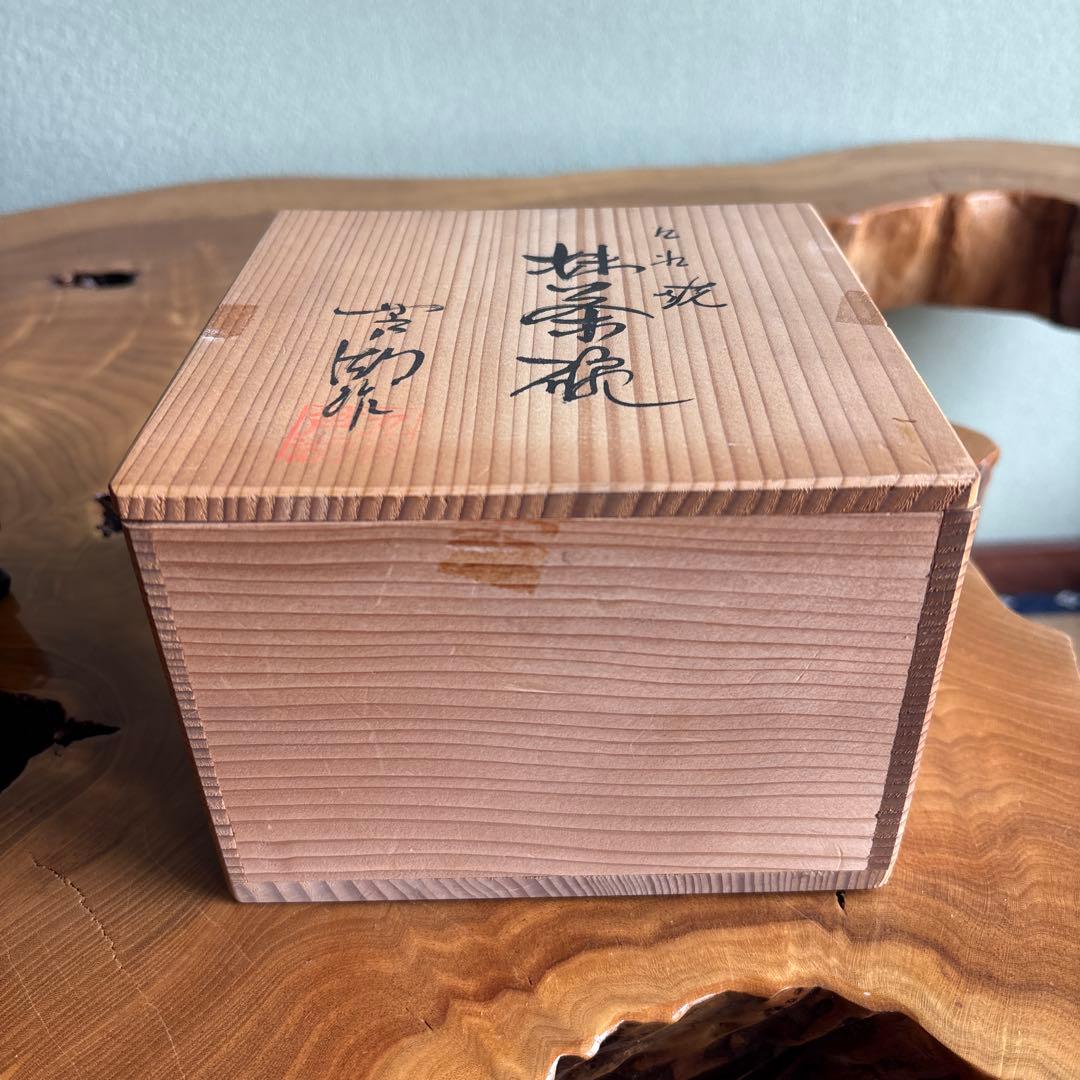
• Box: Tomobako (artist-signed wooden box)
• Condition: Excellent – no cracks, chips, or repairs
━━━━━━━━━━━━━━━━━━━━
🔹 [ CULTURAL & ARTISTIC INSIGHT ]
Kutani ware (九谷焼) from Ishikawa Prefecture occupies a unique place in Japanese ceramics history. Unlike the austere wabi aesthetics of Raku or Shigaraki, Kutani embraces chromatic intensity and pictorial richness—a tradition that draws on Chinese famille rose influences while developing a distinctly Japanese visual vocabulary. The chrysanthemum, one of Japan's most venerated motifs and the symbol of the Imperial Household, appears here in full bloom rendered in lavender, white, gold, and green enamels with extraordinary delicacy.
What is immediately striking upon close examination is the white crackle ground itself. This is not merely a background—it is an active visual element, a network of fine hairline fissures running through the porcelain glaze that creates a surface both antique in feeling and structurally sound. Against this textured white ground, each chrysanthemum petal is painted with individual brushstrokes, gold outlines defining the contours of each bloom while polychrome fill creates the illusion of depth and botanical precision.
Rokko belongs to a lineage of Kutani painters who approach the chawan as both a tea utensil and a pictorial field—a surface that can hold a garden. The interior of this bowl is a clean, luminous white: when matcha is whisked within, the vivid colors of the exterior world and the quiet white interior world become briefly unified in the drinker's hand.
*"The chrysanthemum painted in gold does not bow to autumn—it simply remains, season after season, on the white field of the glaze."*
━━━━━━━━━━━━━━━━━━━━
🔹 [ DEEP-DIVE COMMENTARY ]
**Kutani's Color Tradition**: Classical Kutani ware is characterized by its bold use of five colors—green, yellow, red, purple, and dark blue—though later periods such as the Meiji revival introduced softer palettes and greater emphasis on gold. Rokko's approach here uses lavender chrysanthemums set against white, a choice that reads as both classical and restrained, the gold outlines providing structural clarity without overwhelming the organic softness of the flowers.
**The Crackle Ground**: The fine crazing visible across the white porcelain surface is the result of differential thermal contraction between glaze and clay body during cooling. In Kutani tradition this controlled crackle ground (kannyu) is valued as an aesthetic element that gives aged depth to contemporary work—the glaze appears to carry time within it before it has even been used.
**Imperial Motif and Tea Ceremony**: The chrysanthemum (kiku) is Japan's Imperial crest and one of the nation's most deeply coded visual symbols, representing longevity, autumn contemplation, and nobility. In the tea ceremony, using a chrysanthemum-decorated bowl in late autumn or on occasions related to court culture carries specific seasonal and social resonance—a practice that makes the choice of chawan a form of visual poetry.
━━━━━━━━━━━━━━━━━━━━
🔹 [ 日本語解説 ]
【基本情報】
• 作家:芦湖
• 技法:九谷焼、上絵金彩(菊花文様)、白磁貫入地
• 時代:現代(平成〜令和)
• 産地:石川県 九谷
• 寸法:直径約11.3cm × 高さ約6.5cm
• 付属:共箱
• 状態:極上(ヒビ・カケなし)
【解説】
九谷焼は石川県を代表する色絵磁器で、豊かな発色と繊細な絵付けが国内外で高く評価されています。本作は芦湖作の白磁貫入地に菊花文様を金彩と多彩色で描いた逸品です。外壁一面に展開する菊の花は、白、薄紫、金、緑の四色を巧みに組み合わせ、一枚一枚の花びらに丁寧な筆致が見られます。
白い貫入地は单なる背景ではなく、それ自体が景色の一部です。釉薬の収縮によって生まれた細かなひびが、作品に経年の風格を与えています。菊は日本の皇室紋章であると同時に、秋の深まりや長寿を象徴する文様として茶席でも親しまれてきた意匠です。
茶碗としての使い勝手も良く、緩やかに広がる碗形で抹茶を点てやすい形状です。外の絵付けの華やかさと、内側の清潔な白さの対比が、茶を点てる行為に静かな凛とした佇まいを与えます。共箱入りで保存状態は極上です。
━━━━━━━━━━━━━━━━━━━━
🔹 [ SHIPPING & PACKAGING ]
• Dispatch: Within 1-6 business days
• Carrier: Japan Post EMS / UPS (with tracking)
• Packaging: Carefully wrapped with protective materials
*The chrysanthemum blooms on white porcelain—a garden that requires no tending, a season that does not end.*
━━━━━━━━━━━━━━━━━━━━
🔹 [ BASIC DETAILS ]
• Artist: Rokko (芦湖)
• Technique: Kutani-yaki overglaze enamels (uwaeNishiki) with gold leaf detailing on white crackle porcelain
• Era: Contemporary (Heisei-Reiwa period)
• Origin: Kutani, Ishikawa Prefecture, Japan
• Dimensions: Diameter approx. 11.3 cm × Height approx. 6.5 cm (4.4" × 2.6")
• Box: Tomobako (artist-signed wooden box)
• Condition: Excellent – no cracks, chips, or repairs
━━━━━━━━━━━━━━━━━━━━
🔹 [ CULTURAL & ARTISTIC INSIGHT ]
Kutani ware (九谷焼) from Ishikawa Prefecture occupies a unique place in Japanese ceramics history. Unlike the austere wabi aesthetics of Raku or Shigaraki, Kutani embraces chromatic intensity and pictorial richness—a tradition that draws on Chinese famille rose influences while developing a distinctly Japanese visual vocabulary. The chrysanthemum, one of Japan's most venerated motifs and the symbol of the Imperial Household, appears here in full bloom rendered in lavender, white, gold, and green enamels with extraordinary delicacy.
What is immediately striking upon close examination is the white crackle ground itself. This is not merely a background—it is an active visual element, a network of fine hairline fissures running through the porcelain glaze that creates a surface both antique in feeling and structurally sound. Against this textured white ground, each chrysanthemum petal is painted with individual brushstrokes, gold outlines defining the contours of each bloom while polychrome fill creates the illusion of depth and botanical precision.
Rokko belongs to a lineage of Kutani painters who approach the chawan as both a tea utensil and a pictorial field—a surface that can hold a garden. The interior of this bowl is a clean, luminous white: when matcha is whisked within, the vivid colors of the exterior world and the quiet white interior world become briefly unified in the drinker's hand.
*"The chrysanthemum painted in gold does not bow to autumn—it simply remains, season after season, on the white field of the glaze."*
━━━━━━━━━━━━━━━━━━━━
🔹 [ DEEP-DIVE COMMENTARY ]
**Kutani's Color Tradition**: Classical Kutani ware is characterized by its bold use of five colors—green, yellow, red, purple, and dark blue—though later periods such as the Meiji revival introduced softer palettes and greater emphasis on gold. Rokko's approach here uses lavender chrysanthemums set against white, a choice that reads as both classical and restrained, the gold outlines providing structural clarity without overwhelming the organic softness of the flowers.
**The Crackle Ground**: The fine crazing visible across the white porcelain surface is the result of differential thermal contraction between glaze and clay body during cooling. In Kutani tradition this controlled crackle ground (kannyu) is valued as an aesthetic element that gives aged depth to contemporary work—the glaze appears to carry time within it before it has even been used.
**Imperial Motif and Tea Ceremony**: The chrysanthemum (kiku) is Japan's Imperial crest and one of the nation's most deeply coded visual symbols, representing longevity, autumn contemplation, and nobility. In the tea ceremony, using a chrysanthemum-decorated bowl in late autumn or on occasions related to court culture carries specific seasonal and social resonance—a practice that makes the choice of chawan a form of visual poetry.
━━━━━━━━━━━━━━━━━━━━
🔹 [ 日本語解説 ]
【基本情報】
• 作家:芦湖
• 技法:九谷焼、上絵金彩(菊花文様)、白磁貫入地
• 時代:現代(平成〜令和)
• 産地:石川県 九谷
• 寸法:直径約11.3cm × 高さ約6.5cm
• 付属:共箱
• 状態:極上(ヒビ・カケなし)
【解説】
九谷焼は石川県を代表する色絵磁器で、豊かな発色と繊細な絵付けが国内外で高く評価されています。本作は芦湖作の白磁貫入地に菊花文様を金彩と多彩色で描いた逸品です。外壁一面に展開する菊の花は、白、薄紫、金、緑の四色を巧みに組み合わせ、一枚一枚の花びらに丁寧な筆致が見られます。
白い貫入地は单なる背景ではなく、それ自体が景色の一部です。釉薬の収縮によって生まれた細かなひびが、作品に経年の風格を与えています。菊は日本の皇室紋章であると同時に、秋の深まりや長寿を象徴する文様として茶席でも親しまれてきた意匠です。
茶碗としての使い勝手も良く、緩やかに広がる碗形で抹茶を点てやすい形状です。外の絵付けの華やかさと、内側の清潔な白さの対比が、茶を点てる行為に静かな凛とした佇まいを与えます。共箱入りで保存状態は極上です。
━━━━━━━━━━━━━━━━━━━━
🔹 [ SHIPPING & PACKAGING ]
• Dispatch: Within 1-6 business days
• Carrier: Japan Post EMS / UPS (with tracking)
• Packaging: Carefully wrapped with protective materials
*The chrysanthemum blooms on white porcelain—a garden that requires no tending, a season that does not end.*
Quantity
Couldn't load pickup availability
Low stock: 1 left
View full details