1
/
of
10
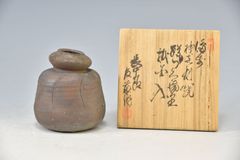
Kuro-yu Yakimuke Chawan — Black Glaze Resist Matcha Bowl with Grass Motif, Tomobako
Kuro-yu Yakimuke Chawan — Black Glaze Resist Matcha Bowl with Grass Motif, Tomobako
Regular price
Dhs. 690.00 AED
Regular price
Sale price
Dhs. 690.00 AED
Taxes included.
Shipping calculated at checkout.
Experience Authentic Japan Art with this Kuro-yu Yakimuke Chawan. This Black Glaze Resist Matcha Bowl serves as a Kusa-e Grass Motif Teabowl and Japanese Ceramic Art Object, featuring Yakimuke Glaze Technique and Wabi Sabi Small Tea Bowl—a must-have for any Art Collector.
🔹 [ BASIC DETAILS ]
• Artist: Attributed studio potter (seal unreadable beneath glaze, per box inscription)
• Technique: Kuro-yu yakimuke (黒釉焼抜) — black iron glaze with deliberate fired-resist areas revealing terracotta clay; kusa-e (草絵) abstract grass motif
• Era: Late Showa to Heisei period (estimated 1980s–2000s)
• Origin: Japan (studio kiln)
• Dimensions: Small form (kobu-ri), estimated mouth diameter approx. 9–10 cm based on box scale
• Box: Original tomobako (共箱) with brushed inscription: 黒釉焼抜 草絵 茶碗, with red artist's seal
• Condition: Good — natural glaze resist areas are intentional; minor surface patina consistent with age; slight scuffs and staining noted; no chips or structural cracks
🔹 [ CULTURAL & ARTISTIC INSIGHT ]
The technique captured in this small bowl — kuro-yu yakimuke (黒釉焼抜), literally "black glaze kiln-exposed" — is among the most conceptually sophisticated in the Japanese ceramic vocabulary. The potter applies a black iron glaze across the surface, then deliberately introduces resist areas or pulls away glaze at selected points before firing. In the kiln's heat, the boundary between glazed and unglazed becomes its own event: the glaze edge crisps and curls, the raw terracotta beneath glows orange-red, and the contrast achieves a quality that no painting or applied decoration can replicate.
The kusa-e (草絵) motif — "grass picture" — appears here as a vertical drawn stroke on both the exterior and interior: a luminous amber-orange line descending through the black ground, terminating in a spray of circular dots or spots at the base. The effect is unmistakably plant-like — a single stem catching light, or a reed reflected in still water. On the interior, the same configuration reads as an abstract composition, the terracotta mark against the black like ink on dark paper, or a lone plant seen through night.
The small size (kobu-ri, 小ぶり) of this bowl places it in a particular category valued in tea ceremony: the intimate, hand-holding form that emphasizes tactile connection over visual display. In winter tea practice, a small bowl retains heat efficiently and places the hands in full contact with the ceramic warmth — a meditative physical experience that larger bowls cannot offer.
Poetic Line: "One stroke through the dark — not a mark, but a presence; not grass, but what grass means in stillness."
🔹 [ DEEP-DIVE COMMENTARY ]
The kuro-yu yakimuke technique belongs to a broader family of Japanese resist-and-reveal ceramic methods, most classically associated with Seto kuro (瀬戸黒) and certain Oribe wares of the Momoyama period. In Seto kuro, bowls were removed from the kiln at peak temperature and the glaze was deliberately wiped or blown off in patterns before the ceramic cooled — creating the characteristic matte-and-gloss, exposed-and-concealed surface. What Sakakibara Wahei's Oribe and this bowl share is the fundamental aesthetic premise: that what the glaze does not cover is as important as what it does.
The process of yakimuke specifically describes the firing-induced exposure of clay — areas where the glaze has either been deliberately avoided during application (wax or paper resist), physically removed before firing, or has pulled away under heat due to surface tension differences. The resulting exposed clay is raw and direct: the potter's material in its most unmediated state, fired but not transformed by glaze chemistry.
The kusa-e (grass picture) designation in the box inscription is significant. Grass — particularly simple grasses, reeds, and bamboo — carries profound associative weight in Japanese aesthetics. In ink painting (sumi-e) and poetry, a single blade of grass can represent autumn, transience, the natural world in its undivided simplicity. Applied to ceramics, kusa-e creates objects that are simultaneously functional tea vessels and abstract paintings — a duality that has been prized since the Momoyama period.
The kobu-ri (small) format is also intentionally chosen for winter tea-gathering use. Japanese tea etiquette specifies different bowl sizes for different seasons: large open forms for summer (allowing the tea to cool), small cupped forms for winter (holding heat and warmth close to the hands). A small black-glazed winter bowl with a grass motif is a highly specific seasonal object — the kind of detail that communicates deep familiarity with tea culture to any practitioner who receives it.
🔹 [ 日本語解説 ]
■ 基本情報
作家:不明(陶印は釉薬下に埋没)
技法:黒釉焼抜・草絵
年代:昭和末期〜平成期(推定1980〜2000年代)
産地:日本(工房窯)
寸法:小ぶり(共箱スケール比から口径 約9〜10cmと推定)
付属:共箱(箱書:黒釉焼抜 草絵 茶碗・朱印)
状態:良好(焼抜き部は意図的な技法によるもの;経年の肌変化あり;欠け・割れなし)
■ 文化・芸術的解説
「黒釉焼抜」とは、黒釉を全体に施した後、意図的に特定部位の釉薬を退かせて素地の素焼き色を露出させる技法です。窯の熱の中で、釉薬の際は締まり縮れ、その内側に素地の赤橙色が鮮やかに浮かび上がります。これは塗りや絵付けとは全く異なる現象——火と材料の直接対話によって生まれた景色です。
「草絵」として命名されたこの碗の文様は、外側と内側の両面に、黒地を貫く一本の縦線と、その下端に散らばる円い斑点として現れています。茎から広がる葉や種子、あるいは静水に映る葦の影——抽象でありながら植物的なその形は、鑑賞者にさまざまな読み取りを許します。内側では、黒いキャンバスの上に描かれた水墨画のように、その線は明確に主張します。
小ぶりの形状は、茶道の冬季用茶碗として理にかなった選択です。大きく開いた夏茶碗が茶を冷ます形であるのとは対照的に、小ぶりで包み込むような冬茶碗は熱を手元に留め、静かな温もりの時間を生みます。
■ 深掘り解説
黒釉焼抜の技法は、桃山時代の瀬戸黒や織部焼に源を持つ「露わし・隠し」の美学系譜に属します。瀬戸黒では、窯から取り出した最高温度の碗の釉薬を意図的に拭い除き、独特のマットと光沢の対比を生み出しました。焼抜きとは、釉薬が施されなかった部分、あるいは熱によって釉薬が引いた部分に、生の素地が露出する現象です——焼かれているが、釉薬による変容は受けていない、最も直接的な状態の土の顔です。
箱書の「草絵」という命名は重要です。草——葦、笹、竹などのシンプルな植物——は、日本の美学において深い連想的な重みを持ちます。水墨画や和歌の世界では、一本の草が秋、無常、自然の分割されない単純さを体現できます。陶芸における草絵は、機能的な茶碗と抽象的な絵画の二面性を持つ対象を生み出します——この二重性は、桃山以来珍重されてきた美の形です。
冬茶碗として設計された小ぶりの黒釉焼抜草絵茶碗は、茶文化への深い親しみを体現した季節的な器です。それを受け取る茶人にとって、形・技法・銘の三つが整った冬の道具として、静かな共鳴をもたらすことでしょう。
🔹 [ SHIPPING & PACKAGING ]
• Dispatch: Within 1-6 business days
• Carrier: Japan Post EMS / UPS (with tracking)
• Packaging: Carefully wrapped with protective materials
🔹 [ BASIC DETAILS ]
• Artist: Attributed studio potter (seal unreadable beneath glaze, per box inscription)
• Technique: Kuro-yu yakimuke (黒釉焼抜) — black iron glaze with deliberate fired-resist areas revealing terracotta clay; kusa-e (草絵) abstract grass motif
• Era: Late Showa to Heisei period (estimated 1980s–2000s)
• Origin: Japan (studio kiln)
• Dimensions: Small form (kobu-ri), estimated mouth diameter approx. 9–10 cm based on box scale
• Box: Original tomobako (共箱) with brushed inscription: 黒釉焼抜 草絵 茶碗, with red artist's seal
• Condition: Good — natural glaze resist areas are intentional; minor surface patina consistent with age; slight scuffs and staining noted; no chips or structural cracks
🔹 [ CULTURAL & ARTISTIC INSIGHT ]
The technique captured in this small bowl — kuro-yu yakimuke (黒釉焼抜), literally "black glaze kiln-exposed" — is among the most conceptually sophisticated in the Japanese ceramic vocabulary. The potter applies a black iron glaze across the surface, then deliberately introduces resist areas or pulls away glaze at selected points before firing. In the kiln's heat, the boundary between glazed and unglazed becomes its own event: the glaze edge crisps and curls, the raw terracotta beneath glows orange-red, and the contrast achieves a quality that no painting or applied decoration can replicate.
The kusa-e (草絵) motif — "grass picture" — appears here as a vertical drawn stroke on both the exterior and interior: a luminous amber-orange line descending through the black ground, terminating in a spray of circular dots or spots at the base. The effect is unmistakably plant-like — a single stem catching light, or a reed reflected in still water. On the interior, the same configuration reads as an abstract composition, the terracotta mark against the black like ink on dark paper, or a lone plant seen through night.
The small size (kobu-ri, 小ぶり) of this bowl places it in a particular category valued in tea ceremony: the intimate, hand-holding form that emphasizes tactile connection over visual display. In winter tea practice, a small bowl retains heat efficiently and places the hands in full contact with the ceramic warmth — a meditative physical experience that larger bowls cannot offer.
Poetic Line: "One stroke through the dark — not a mark, but a presence; not grass, but what grass means in stillness."
🔹 [ DEEP-DIVE COMMENTARY ]
The kuro-yu yakimuke technique belongs to a broader family of Japanese resist-and-reveal ceramic methods, most classically associated with Seto kuro (瀬戸黒) and certain Oribe wares of the Momoyama period. In Seto kuro, bowls were removed from the kiln at peak temperature and the glaze was deliberately wiped or blown off in patterns before the ceramic cooled — creating the characteristic matte-and-gloss, exposed-and-concealed surface. What Sakakibara Wahei's Oribe and this bowl share is the fundamental aesthetic premise: that what the glaze does not cover is as important as what it does.
The process of yakimuke specifically describes the firing-induced exposure of clay — areas where the glaze has either been deliberately avoided during application (wax or paper resist), physically removed before firing, or has pulled away under heat due to surface tension differences. The resulting exposed clay is raw and direct: the potter's material in its most unmediated state, fired but not transformed by glaze chemistry.
The kusa-e (grass picture) designation in the box inscription is significant. Grass — particularly simple grasses, reeds, and bamboo — carries profound associative weight in Japanese aesthetics. In ink painting (sumi-e) and poetry, a single blade of grass can represent autumn, transience, the natural world in its undivided simplicity. Applied to ceramics, kusa-e creates objects that are simultaneously functional tea vessels and abstract paintings — a duality that has been prized since the Momoyama period.
The kobu-ri (small) format is also intentionally chosen for winter tea-gathering use. Japanese tea etiquette specifies different bowl sizes for different seasons: large open forms for summer (allowing the tea to cool), small cupped forms for winter (holding heat and warmth close to the hands). A small black-glazed winter bowl with a grass motif is a highly specific seasonal object — the kind of detail that communicates deep familiarity with tea culture to any practitioner who receives it.
🔹 [ 日本語解説 ]
■ 基本情報
作家:不明(陶印は釉薬下に埋没)
技法:黒釉焼抜・草絵
年代:昭和末期〜平成期(推定1980〜2000年代)
産地:日本(工房窯)
寸法:小ぶり(共箱スケール比から口径 約9〜10cmと推定)
付属:共箱(箱書:黒釉焼抜 草絵 茶碗・朱印)
状態:良好(焼抜き部は意図的な技法によるもの;経年の肌変化あり;欠け・割れなし)
■ 文化・芸術的解説
「黒釉焼抜」とは、黒釉を全体に施した後、意図的に特定部位の釉薬を退かせて素地の素焼き色を露出させる技法です。窯の熱の中で、釉薬の際は締まり縮れ、その内側に素地の赤橙色が鮮やかに浮かび上がります。これは塗りや絵付けとは全く異なる現象——火と材料の直接対話によって生まれた景色です。
「草絵」として命名されたこの碗の文様は、外側と内側の両面に、黒地を貫く一本の縦線と、その下端に散らばる円い斑点として現れています。茎から広がる葉や種子、あるいは静水に映る葦の影——抽象でありながら植物的なその形は、鑑賞者にさまざまな読み取りを許します。内側では、黒いキャンバスの上に描かれた水墨画のように、その線は明確に主張します。
小ぶりの形状は、茶道の冬季用茶碗として理にかなった選択です。大きく開いた夏茶碗が茶を冷ます形であるのとは対照的に、小ぶりで包み込むような冬茶碗は熱を手元に留め、静かな温もりの時間を生みます。
■ 深掘り解説
黒釉焼抜の技法は、桃山時代の瀬戸黒や織部焼に源を持つ「露わし・隠し」の美学系譜に属します。瀬戸黒では、窯から取り出した最高温度の碗の釉薬を意図的に拭い除き、独特のマットと光沢の対比を生み出しました。焼抜きとは、釉薬が施されなかった部分、あるいは熱によって釉薬が引いた部分に、生の素地が露出する現象です——焼かれているが、釉薬による変容は受けていない、最も直接的な状態の土の顔です。
箱書の「草絵」という命名は重要です。草——葦、笹、竹などのシンプルな植物——は、日本の美学において深い連想的な重みを持ちます。水墨画や和歌の世界では、一本の草が秋、無常、自然の分割されない単純さを体現できます。陶芸における草絵は、機能的な茶碗と抽象的な絵画の二面性を持つ対象を生み出します——この二重性は、桃山以来珍重されてきた美の形です。
冬茶碗として設計された小ぶりの黒釉焼抜草絵茶碗は、茶文化への深い親しみを体現した季節的な器です。それを受け取る茶人にとって、形・技法・銘の三つが整った冬の道具として、静かな共鳴をもたらすことでしょう。
🔹 [ SHIPPING & PACKAGING ]
• Dispatch: Within 1-6 business days
• Carrier: Japan Post EMS / UPS (with tracking)
• Packaging: Carefully wrapped with protective materials
Quantity
Couldn't load pickup availability
Low stock: 1 left
View full details