1
/
of
10
Kuro Raku Chawan Matcha Tea Bowl by Ohi Rakutaro — Kanazawa Ohi Ware Black Raku Japanese Ceremonial Bowl with Signed Tomobako
Kuro Raku Chawan Matcha Tea Bowl by Ohi Rakutaro — Kanazawa Ohi Ware Black Raku Japanese Ceremonial Bowl with Signed Tomobako
Regular price
Dhs. 1,196.00 AED
Regular price
Sale price
Dhs. 1,196.00 AED
Taxes included.
Shipping calculated at checkout.
Experience Authentic Japan Art with this Kuro Raku Chawan Matcha Tea Bowl. This Ohi Ware Black Raku Bowl serves as a Japanese Ceremonial Bowl and Urasenke Tea Ceremony Vessel, featuring Hand Molded Raku Pottery and Signed Tomobako Wooden Box — a must-have for any Art Collector seeking Museum Quality Japanese Antique.
🔹 [ BASIC DETAILS ]
• Artist: Ohi Rakutaro (pre-succession name of the 11th generation Ohi Chozaemon, Toshio Ohi)
• Technique: Hand-molded black Raku (kuro-raku), low-fired glaze with oil-spot variegation (yuteki-like landscape)
• Era: Late Showa to Heisei (circa 1980s–2000s)
• Origin: Kanazawa, Ishikawa Prefecture — Ohi Ware, official kiln to the Urasenke school of tea
• Dimensions: Height approx. 8.0 cm, Diameter approx. 12.0 cm
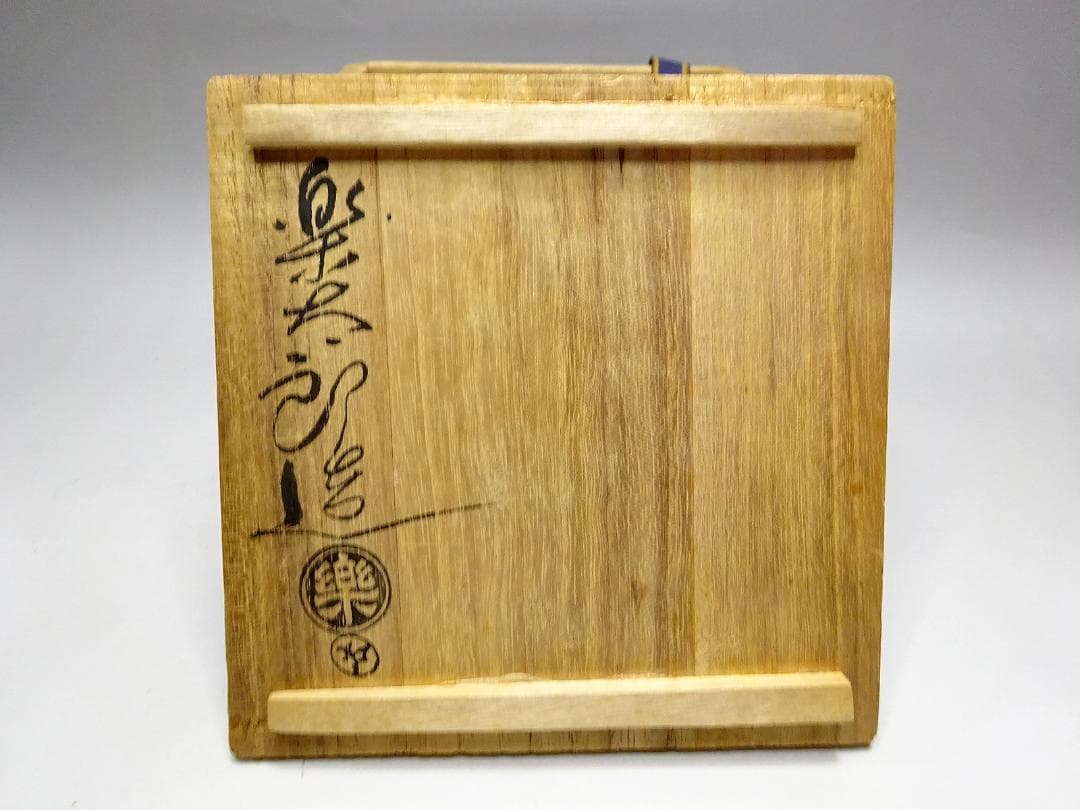
• Box: Original signed kiri-wood tomobako with purple silk cord (sanada-himo)
• Condition: Excellent pre-owned condition. No chips, no cracks, no restorations. Natural kiln variation and glaze pooling are intrinsic to the Raku tradition.
🔹 [ CULTURAL & ARTISTIC INSIGHT ]
Ohi ware (大樋焼) was founded in 1666 when the potter Chozaemon accompanied the tea master Senso Soshitsu — the 4th generation Urasenke — from Kyoto to the Maeda domain in Kaga. From that moment, the Ohi lineage has served as the official chawan-shi (tea bowl maker) to Urasenke, an unbroken line now spanning more than three and a half centuries.
Ohi Rakutaro is the artist name used by Toshio Ohi before his succession as the 11th generation Ohi Chozaemon. Pieces signed "Rakutaro" therefore capture a particular interior moment — the work of an heir already shaped by tradition, yet still writing under his own hand, not yet bearing the full weight of the headship.
This bowl is hand-shaped (tezukune) without a wheel, carved with a spatula, and fired at the low temperatures characteristic of Raku. The black glaze is layered until it carries depth rather than surface, and across the rim you can read a landscape of oil-spot-like variegation — golden-brown crystallizations rising through the black like moss emerging on wet stone.
The form is quiet and slightly inward-leaning, sized to rest in two palms during koicha (thick tea). The foot is small, the body full, the lip gently uneven — the kind of imperfection wabi-sabi does not correct but honors.
The black glaze holds the winter light the way still water holds breath — present, and unwilling to explain itself.
🔹 [ DEEP-DIVE COMMENTARY ]
Raku is less a ware than a philosophy. Developed in 16th-century Kyoto under the guidance of Sen no Rikyu, it rejected the symmetry of the wheel and the hardness of high-fired stoneware in favor of hand-molded bowls that carry the maker's pulse. Ohi ware is the Kaga branch of this lineage — founded as the Urasenke chawan-shi in Kanazawa — and it diverges most visibly in its signature amber-ochre glaze (ame-gusuri). Kuro-raku, the black variant seen here, follows the Kyoto tradition more closely, yet retains the Ohi sense of density and deliberate weight.
To achieve kuro-raku, the bowl is glazed with a lead-and-iron pigment, fired in a charcoal kiln at around 1000°C, and removed at peak heat to cool in open air. This thermal shock is what creates the characteristic surface — matte in recession, glossy at the ridges, and often speckled with oil-spot or tea-dust inclusions where iron crystallizes during cooling. Each bowl is unrepeatable; the kiln authors half of the work.
For collectors, an Ohi Rakutaro piece occupies a specific niche: it is authored by the current headmaster of the kiln, but signed before his succession. That pre-succession window is finite by definition. For those building a reference collection of 20th–21st century chawan, this is the kind of document that closes a lineage rather than simply adding to it.
The signed tomobako (共箱) — the original kiri-wood presentation box signed by the artist — is not a container. It is part of the work. In Japanese tea culture the box carries authorship, provenance, and the right to be used; a chawan without its tomobako is a chawan in exile.
[ JAPANESE DESCRIPTION / 日本語解説 ]
🔹 [ 基本情報 ]
• 作家: 大樋 楽太郎(十一代 大樋長左衛門・大樋年雄の襲名前銘)
• 技法: 手捏ね黒楽、低火度釉、油滴状の景色を伴う窯変
• 時代: 昭和後期〜平成(1980年代〜2000年代頃)
• 産地: 石川県金沢市 — 大樋焼、裏千家御用達
• 寸法: 高さ約 8.0 cm、口径約 12.0 cm
• 箱: 桐製共箱(紫真田紐付)完備
• 状態: 中古美品。欠け・割れ・直しなし。釉溜まりや窯変は楽焼本来の景色。
🔹 [ 文化的・芸術的考察 ]
大樋焼は寛文六年(1666年)、裏千家四代仙叟宗室が加賀藩前田家に招かれた折、京より同道した陶工・長左衛門によって開窯されました。以後、三百五十年以上にわたり裏千家御用達の茶碗師として連綿と続く、数少ない家元直系の窯です。
大樋楽太郎は、現・十一代大樋長左衛門(大樋年雄)氏の襲名前銘です。楽太郎銘の作は、継承の重みを背負う前の、なお「自らの手」で書かれた一筆を封じ込めた時期の仕事と言えます。
本作は手捏ねで成形され、篦(へら)で削り出され、低火度で焼成された黒楽茶碗。黒釉は奥行きをもって幾重にも重ねられ、口縁部には金褐色の油滴状の景色が、濡れた石に浮かぶ苔のように立ち上がります。
形は内へとわずかに抱かれ、濃茶を両掌で受けるに適した寸法。高台は小さく、胴は豊かで、口縁はわずかに揺らぐ — 侘び寂びが正さず、むしろ讃える類の不完全さです。
黒釉は、冬の光を静かな水が息を含むように受け止める — そこに在り、語ろうとしない。
🔹 [ 深層解説 ]
楽焼は様式である以前に、思想です。十六世紀、千利休の指導のもと京で生まれ、轆轤の対称性と高火度炻器の硬さを退け、作り手の脈を宿す手捏ね茶碗として結晶しました。大樋焼はこの系譜の加賀分流であり、裏千家の茶碗師として金沢で開窯。最も可視的な差異は飴釉にありますが、ここに見る黒楽は京楽の伝統により近く、しかし大樋独特の密度と意図的な重みを保っています。
黒楽は鉛・鉄系の釉薬を掛け、炭窯中で千度前後に焼成し、最高温で窯から引き出して外気で急冷します。この熱衝撃が表面の景色を生む — 凹部はマット、稜線は艶やか、冷却時の鉄結晶により油滴や茶塵状の斑文が散る。同じ一碗は二度と生まれず、窯が作品の半分を著す。
コレクターにとって、大樋楽太郎銘の作は特定の位置を占めます — 現当主の作でありながら、襲名前の署名を帯びている。この「襲名前」の時間幅は定義上、有限です。二十〜二十一世紀の茶碗史を一つのリファレンスとして編むなら、これは系譜に追加する一碗ではなく、系譜の一節を閉じる一碗となります。
共箱は収納箱ではなく、作品の一部です。日本の茶の湯において、箱は作者性・伝来・使用される権利を担う。共箱を伴わない茶碗は、流浪の茶碗です。
🔹 [ SHIPPING & PACKAGING ]
• Dispatch: Within 1-6 business days
• Carrier: Japan Post EMS / UPS (with tracking)
• Packaging: Carefully wrapped with protective materials
🔹 [ BASIC DETAILS ]
• Artist: Ohi Rakutaro (pre-succession name of the 11th generation Ohi Chozaemon, Toshio Ohi)
• Technique: Hand-molded black Raku (kuro-raku), low-fired glaze with oil-spot variegation (yuteki-like landscape)
• Era: Late Showa to Heisei (circa 1980s–2000s)
• Origin: Kanazawa, Ishikawa Prefecture — Ohi Ware, official kiln to the Urasenke school of tea
• Dimensions: Height approx. 8.0 cm, Diameter approx. 12.0 cm
• Box: Original signed kiri-wood tomobako with purple silk cord (sanada-himo)
• Condition: Excellent pre-owned condition. No chips, no cracks, no restorations. Natural kiln variation and glaze pooling are intrinsic to the Raku tradition.
🔹 [ CULTURAL & ARTISTIC INSIGHT ]
Ohi ware (大樋焼) was founded in 1666 when the potter Chozaemon accompanied the tea master Senso Soshitsu — the 4th generation Urasenke — from Kyoto to the Maeda domain in Kaga. From that moment, the Ohi lineage has served as the official chawan-shi (tea bowl maker) to Urasenke, an unbroken line now spanning more than three and a half centuries.
Ohi Rakutaro is the artist name used by Toshio Ohi before his succession as the 11th generation Ohi Chozaemon. Pieces signed "Rakutaro" therefore capture a particular interior moment — the work of an heir already shaped by tradition, yet still writing under his own hand, not yet bearing the full weight of the headship.
This bowl is hand-shaped (tezukune) without a wheel, carved with a spatula, and fired at the low temperatures characteristic of Raku. The black glaze is layered until it carries depth rather than surface, and across the rim you can read a landscape of oil-spot-like variegation — golden-brown crystallizations rising through the black like moss emerging on wet stone.
The form is quiet and slightly inward-leaning, sized to rest in two palms during koicha (thick tea). The foot is small, the body full, the lip gently uneven — the kind of imperfection wabi-sabi does not correct but honors.
The black glaze holds the winter light the way still water holds breath — present, and unwilling to explain itself.
🔹 [ DEEP-DIVE COMMENTARY ]
Raku is less a ware than a philosophy. Developed in 16th-century Kyoto under the guidance of Sen no Rikyu, it rejected the symmetry of the wheel and the hardness of high-fired stoneware in favor of hand-molded bowls that carry the maker's pulse. Ohi ware is the Kaga branch of this lineage — founded as the Urasenke chawan-shi in Kanazawa — and it diverges most visibly in its signature amber-ochre glaze (ame-gusuri). Kuro-raku, the black variant seen here, follows the Kyoto tradition more closely, yet retains the Ohi sense of density and deliberate weight.
To achieve kuro-raku, the bowl is glazed with a lead-and-iron pigment, fired in a charcoal kiln at around 1000°C, and removed at peak heat to cool in open air. This thermal shock is what creates the characteristic surface — matte in recession, glossy at the ridges, and often speckled with oil-spot or tea-dust inclusions where iron crystallizes during cooling. Each bowl is unrepeatable; the kiln authors half of the work.
For collectors, an Ohi Rakutaro piece occupies a specific niche: it is authored by the current headmaster of the kiln, but signed before his succession. That pre-succession window is finite by definition. For those building a reference collection of 20th–21st century chawan, this is the kind of document that closes a lineage rather than simply adding to it.
The signed tomobako (共箱) — the original kiri-wood presentation box signed by the artist — is not a container. It is part of the work. In Japanese tea culture the box carries authorship, provenance, and the right to be used; a chawan without its tomobako is a chawan in exile.
[ JAPANESE DESCRIPTION / 日本語解説 ]
🔹 [ 基本情報 ]
• 作家: 大樋 楽太郎(十一代 大樋長左衛門・大樋年雄の襲名前銘)
• 技法: 手捏ね黒楽、低火度釉、油滴状の景色を伴う窯変
• 時代: 昭和後期〜平成(1980年代〜2000年代頃)
• 産地: 石川県金沢市 — 大樋焼、裏千家御用達
• 寸法: 高さ約 8.0 cm、口径約 12.0 cm
• 箱: 桐製共箱(紫真田紐付)完備
• 状態: 中古美品。欠け・割れ・直しなし。釉溜まりや窯変は楽焼本来の景色。
🔹 [ 文化的・芸術的考察 ]
大樋焼は寛文六年(1666年)、裏千家四代仙叟宗室が加賀藩前田家に招かれた折、京より同道した陶工・長左衛門によって開窯されました。以後、三百五十年以上にわたり裏千家御用達の茶碗師として連綿と続く、数少ない家元直系の窯です。
大樋楽太郎は、現・十一代大樋長左衛門(大樋年雄)氏の襲名前銘です。楽太郎銘の作は、継承の重みを背負う前の、なお「自らの手」で書かれた一筆を封じ込めた時期の仕事と言えます。
本作は手捏ねで成形され、篦(へら)で削り出され、低火度で焼成された黒楽茶碗。黒釉は奥行きをもって幾重にも重ねられ、口縁部には金褐色の油滴状の景色が、濡れた石に浮かぶ苔のように立ち上がります。
形は内へとわずかに抱かれ、濃茶を両掌で受けるに適した寸法。高台は小さく、胴は豊かで、口縁はわずかに揺らぐ — 侘び寂びが正さず、むしろ讃える類の不完全さです。
黒釉は、冬の光を静かな水が息を含むように受け止める — そこに在り、語ろうとしない。
🔹 [ 深層解説 ]
楽焼は様式である以前に、思想です。十六世紀、千利休の指導のもと京で生まれ、轆轤の対称性と高火度炻器の硬さを退け、作り手の脈を宿す手捏ね茶碗として結晶しました。大樋焼はこの系譜の加賀分流であり、裏千家の茶碗師として金沢で開窯。最も可視的な差異は飴釉にありますが、ここに見る黒楽は京楽の伝統により近く、しかし大樋独特の密度と意図的な重みを保っています。
黒楽は鉛・鉄系の釉薬を掛け、炭窯中で千度前後に焼成し、最高温で窯から引き出して外気で急冷します。この熱衝撃が表面の景色を生む — 凹部はマット、稜線は艶やか、冷却時の鉄結晶により油滴や茶塵状の斑文が散る。同じ一碗は二度と生まれず、窯が作品の半分を著す。
コレクターにとって、大樋楽太郎銘の作は特定の位置を占めます — 現当主の作でありながら、襲名前の署名を帯びている。この「襲名前」の時間幅は定義上、有限です。二十〜二十一世紀の茶碗史を一つのリファレンスとして編むなら、これは系譜に追加する一碗ではなく、系譜の一節を閉じる一碗となります。
共箱は収納箱ではなく、作品の一部です。日本の茶の湯において、箱は作者性・伝来・使用される権利を担う。共箱を伴わない茶碗は、流浪の茶碗です。
🔹 [ SHIPPING & PACKAGING ]
• Dispatch: Within 1-6 business days
• Carrier: Japan Post EMS / UPS (with tracking)
• Packaging: Carefully wrapped with protective materials
Quantity
Couldn't load pickup availability
Out of stock
View full details