1
/
of
20
Kumagai Hideho Spring Field Maki-e Shu-Hakeme Chu-Natsume Vermillion Tea Caddy
Kumagai Hideho Spring Field Maki-e Shu-Hakeme Chu-Natsume Vermillion Tea Caddy
Regular price
Dhs. 937.00 AED
Regular price
Sale price
Dhs. 937.00 AED
Taxes included.
Shipping calculated at checkout.
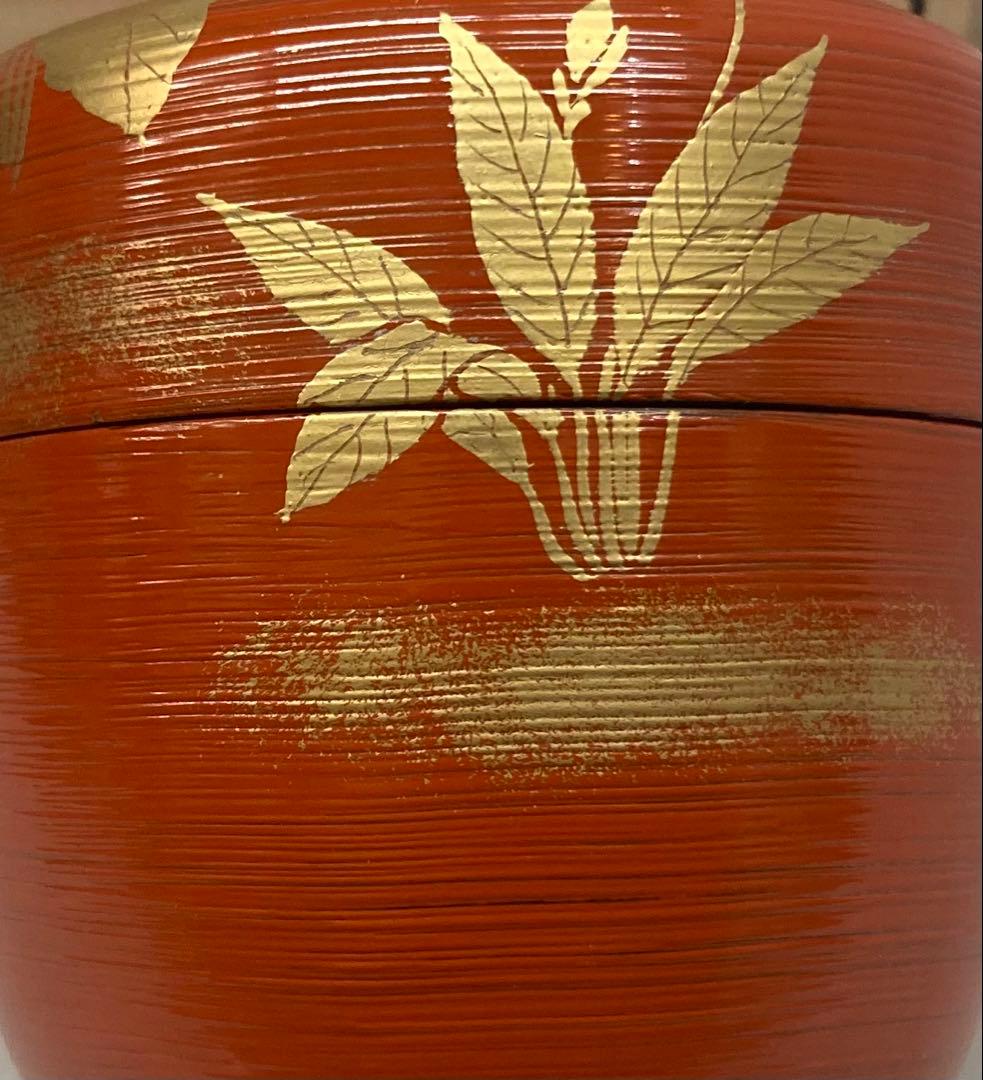
Experience Authentic Japanese Lacquer Art with this Spring Field Maki-e Chu-Natsume by Kumagai Hideho. This Vermillion Brushstroke Lacquer Tea Caddy features Shu-Hakeme Ground and Gold Wildflower Maki-e—a must-have for any Art Collector seeking Urushi Lacquerware and Spring Season Tea Caddy for the Japanese Tea Ceremony.
━━━━━━━━━━━━━━━━━━━━
🔹 [ BASIC DETAILS ]
• Artist: Kumagai Hideho (熊谷秀穂)
• Technique: Gold maki-e (蓒絵) on shu-hakeme (朱刷目 / vermillion brushstroke) lacquer base
• Design: Haru-no-no (春の野) — Spring field wildflowers
• Form: Chu-natsume (中棗) — medium tea caddy
• Era: Contemporary
• Origin: Japan
• Dimensions: Diameter approx. 6.8 cm, Height approx. 6.8 cm (2.7” × 2.7”)
• Box: Signed tomobako inscribed '春の野蓒絵 朱刷目 中棗 / 秀穂' with seal
• Includes: Tomobako, silk cord
• Condition: Good — minor age-related wear consistent with the piece's age; overall presentation intact. No signature on natsume body.
━━━━━━━━━━━━━━━━━━━━
🔹 [ CULTURAL & ARTISTIC INSIGHT ]
The spring field — haru-no-no (春の野) — is a landscape that exists more in memory than in sight. It is the meadow before the farmer arrives, the hillside where grasses and wildflowers grow without arrangement. In Japanese poetry, the spring field appears as a place of unforced beauty — things growing as they will, noticed only by those who slow down enough to look.
Kumagai Hideho renders this pastoral vision on a shu-hakeme ground: vermillion lacquer applied with visible brush strokes that leave their texture in the cured surface. This is not the smooth, mirror-finish of traditional nuri. The brush marks remain as evidence of the maker's gesture — a warmth and directness that establishes the tone before any maki-e begins. Upon this textured vermillion field, gold wildflowers emerge: kikyou (bellflower), plantain lily leaves, small scattered blossoms, and arcing grasses — the vocabulary of the Japanese spring meadow.
*"The vermillion ground holds the brush marks of its making. The flowers grow from that honesty."*
━━━━━━━━━━━━━━━━━━━━
🔹 [ DEEP-DIVE COMMENTARY ]
**Shu-Hakeme — The Brushstroke Ground**: Hakeme (刷目) describes a surface where brush marks are deliberately preserved rather than polished away. In the context of lacquer, shu-hakeme means vermillion urushi applied so that each stroke of the brush leaves its fiber pattern visible in the finished surface. This technique shares an aesthetic kinship with Korean hakeme pottery — both celebrate the trace of the tool and the hand that held it. The result is a ground that feels alive, warm, and unpretentious.
**Spring Flora Vocabulary**: The maki-e composition draws from the tradition of spring wildflower motifs that appears across Japanese decorative arts. Kikyou (bellflower) provides upright, structural forms. Plantain lily leaves offer broad, sweeping curves. Scattered small blossoms and grasses fill the intervals between, creating the impression not of a designed garden but of a field encountered. This distinction matters: the spring field is never composed. It simply is.
**Pastoral Warmth**: Where many natsume aim for formality — black ground, precise maki-e, architectural symmetry — Hideho's piece takes a different path. The shu-hakeme ground, the asymmetric scattering of flora, and the absence of a body signature all point toward a tea caddy designed for intimate, seasonal gatherings where warmth takes precedence over ceremony. This is a natsume for a spring chakai among friends, where the host's sensibility speaks through the utensils selected.
**Age and Character**: The minor wear present on this piece adds, rather than detracts. In lacquerware, gentle aging softens the surface and gives the vermillion a deeper, more complex warmth — much as a well-used tea bowl develops character over decades of service. The maki-e decoration remains intact and clear.
━━━━━━━━━━━━━━━━━━━━
🔹 [ 日本語解説 ]
【基本情報】
• 作家:熊谷秀穂
• 技法:金蓒絵、朱刷目地
• 意匠:春の野(春の野花文様)
• 形状:中棗
• 産地:日本
• 寸法:径約6.8cm、高さ約6.8cm
• 付属:共箱(「春の野蓒絵 朱刷目 中棗 秀穂」墨書・印)
• 状態:良好(古い物なので目に付きにくい汚れ等あり、蓒絵は完全)
【解説】
熊谷秀穂作の春の野蓒絵中棗。刷目(はけめ)は漆の塗り跫をあえて残す技法で、韓国の刷毛目陶器と美意識を共有します。朱刷目の温かな赤の地肌に、金蓒絵で桔梗、擬宝珠の葉、小花、草など春の野花が描かれています。整理された庭ではなく、野に自然に咲く花々の風情が、親しみある春の茶席にふさわしい一品です。古い物なので微細な経年感がありますが、朱漆の深みを増しており、蓒絵は完全です。共箱に墨書と印。
━━━━━━━━━━━━━━━━━━━━
🔹 [ SHIPPING & PACKAGING ]
• Dispatch: Within 1-6 business days
• Carrier: Japan Post EMS / UPS (with tracking)
• Packaging: Carefully wrapped with protective materials
*Vermillion brush strokes hold the memory of the maker's hand. Gold wildflowers grow from that warmth — unplanned, unhurried, spring itself.*
━━━━━━━━━━━━━━━━━━━━
🔹 [ BASIC DETAILS ]
• Artist: Kumagai Hideho (熊谷秀穂)
• Technique: Gold maki-e (蓒絵) on shu-hakeme (朱刷目 / vermillion brushstroke) lacquer base
• Design: Haru-no-no (春の野) — Spring field wildflowers
• Form: Chu-natsume (中棗) — medium tea caddy
• Era: Contemporary
• Origin: Japan
• Dimensions: Diameter approx. 6.8 cm, Height approx. 6.8 cm (2.7” × 2.7”)
• Box: Signed tomobako inscribed '春の野蓒絵 朱刷目 中棗 / 秀穂' with seal
• Includes: Tomobako, silk cord
• Condition: Good — minor age-related wear consistent with the piece's age; overall presentation intact. No signature on natsume body.
━━━━━━━━━━━━━━━━━━━━
🔹 [ CULTURAL & ARTISTIC INSIGHT ]
The spring field — haru-no-no (春の野) — is a landscape that exists more in memory than in sight. It is the meadow before the farmer arrives, the hillside where grasses and wildflowers grow without arrangement. In Japanese poetry, the spring field appears as a place of unforced beauty — things growing as they will, noticed only by those who slow down enough to look.
Kumagai Hideho renders this pastoral vision on a shu-hakeme ground: vermillion lacquer applied with visible brush strokes that leave their texture in the cured surface. This is not the smooth, mirror-finish of traditional nuri. The brush marks remain as evidence of the maker's gesture — a warmth and directness that establishes the tone before any maki-e begins. Upon this textured vermillion field, gold wildflowers emerge: kikyou (bellflower), plantain lily leaves, small scattered blossoms, and arcing grasses — the vocabulary of the Japanese spring meadow.
*"The vermillion ground holds the brush marks of its making. The flowers grow from that honesty."*
━━━━━━━━━━━━━━━━━━━━
🔹 [ DEEP-DIVE COMMENTARY ]
**Shu-Hakeme — The Brushstroke Ground**: Hakeme (刷目) describes a surface where brush marks are deliberately preserved rather than polished away. In the context of lacquer, shu-hakeme means vermillion urushi applied so that each stroke of the brush leaves its fiber pattern visible in the finished surface. This technique shares an aesthetic kinship with Korean hakeme pottery — both celebrate the trace of the tool and the hand that held it. The result is a ground that feels alive, warm, and unpretentious.
**Spring Flora Vocabulary**: The maki-e composition draws from the tradition of spring wildflower motifs that appears across Japanese decorative arts. Kikyou (bellflower) provides upright, structural forms. Plantain lily leaves offer broad, sweeping curves. Scattered small blossoms and grasses fill the intervals between, creating the impression not of a designed garden but of a field encountered. This distinction matters: the spring field is never composed. It simply is.
**Pastoral Warmth**: Where many natsume aim for formality — black ground, precise maki-e, architectural symmetry — Hideho's piece takes a different path. The shu-hakeme ground, the asymmetric scattering of flora, and the absence of a body signature all point toward a tea caddy designed for intimate, seasonal gatherings where warmth takes precedence over ceremony. This is a natsume for a spring chakai among friends, where the host's sensibility speaks through the utensils selected.
**Age and Character**: The minor wear present on this piece adds, rather than detracts. In lacquerware, gentle aging softens the surface and gives the vermillion a deeper, more complex warmth — much as a well-used tea bowl develops character over decades of service. The maki-e decoration remains intact and clear.
━━━━━━━━━━━━━━━━━━━━
🔹 [ 日本語解説 ]
【基本情報】
• 作家:熊谷秀穂
• 技法:金蓒絵、朱刷目地
• 意匠:春の野(春の野花文様)
• 形状:中棗
• 産地:日本
• 寸法:径約6.8cm、高さ約6.8cm
• 付属:共箱(「春の野蓒絵 朱刷目 中棗 秀穂」墨書・印)
• 状態:良好(古い物なので目に付きにくい汚れ等あり、蓒絵は完全)
【解説】
熊谷秀穂作の春の野蓒絵中棗。刷目(はけめ)は漆の塗り跫をあえて残す技法で、韓国の刷毛目陶器と美意識を共有します。朱刷目の温かな赤の地肌に、金蓒絵で桔梗、擬宝珠の葉、小花、草など春の野花が描かれています。整理された庭ではなく、野に自然に咲く花々の風情が、親しみある春の茶席にふさわしい一品です。古い物なので微細な経年感がありますが、朱漆の深みを増しており、蓒絵は完全です。共箱に墨書と印。
━━━━━━━━━━━━━━━━━━━━
🔹 [ SHIPPING & PACKAGING ]
• Dispatch: Within 1-6 business days
• Carrier: Japan Post EMS / UPS (with tracking)
• Packaging: Carefully wrapped with protective materials
*Vermillion brush strokes hold the memory of the maker's hand. Gold wildflowers grow from that warmth — unplanned, unhurried, spring itself.*
Quantity
Couldn't load pickup availability
Low stock: 1 left
View full details