1
/
of
7
Korean Celadon Incised Peony Tea Bowl – Kim Jeong-muk – Goryeo Chawan
Korean Celadon Incised Peony Tea Bowl – Kim Jeong-muk – Goryeo Chawan
Regular price
Dhs. 860.00 AED
Regular price
Sale price
Dhs. 860.00 AED
Taxes included.
Shipping calculated at checkout.
🔹 [ GOLDEN-RATIO HOOK ]
A Korean celadon tea bowl by Kim Jeong-muk of Donggok kiln, incised with an unbroken field of peony arabesque across every surface. This Goryeo-tradition sanggam chawan embodies the cultural weight of Korea's celadon heritage — a matcha tea bowl where a thousand years of ceramic lineage speak through incised floral scrollwork beneath jade-green glaze. Handmade Korean pottery carrying the authorship of a dedicated celadon master.
🔹 [ BASIC DETAILS ]
• Artist: Kim Jeong-muk (金正黙), Donggok Kiln (東谷)
• Technique: Incised (umgak / 陰刻) peony arabesque under celadon glaze, wheel-thrown
• Era: Late 20th century (contemporary, Goryeo revival tradition)
• Origin: Korea
• Dimensions: Diameter approx. 13.2 cm × Height approx. 6.5 cm
• Box: Wooden box with red stamp seals — "韓國 陶藝" (Korean Ceramics), "東谷" (Donggok), artist name "金正黙"
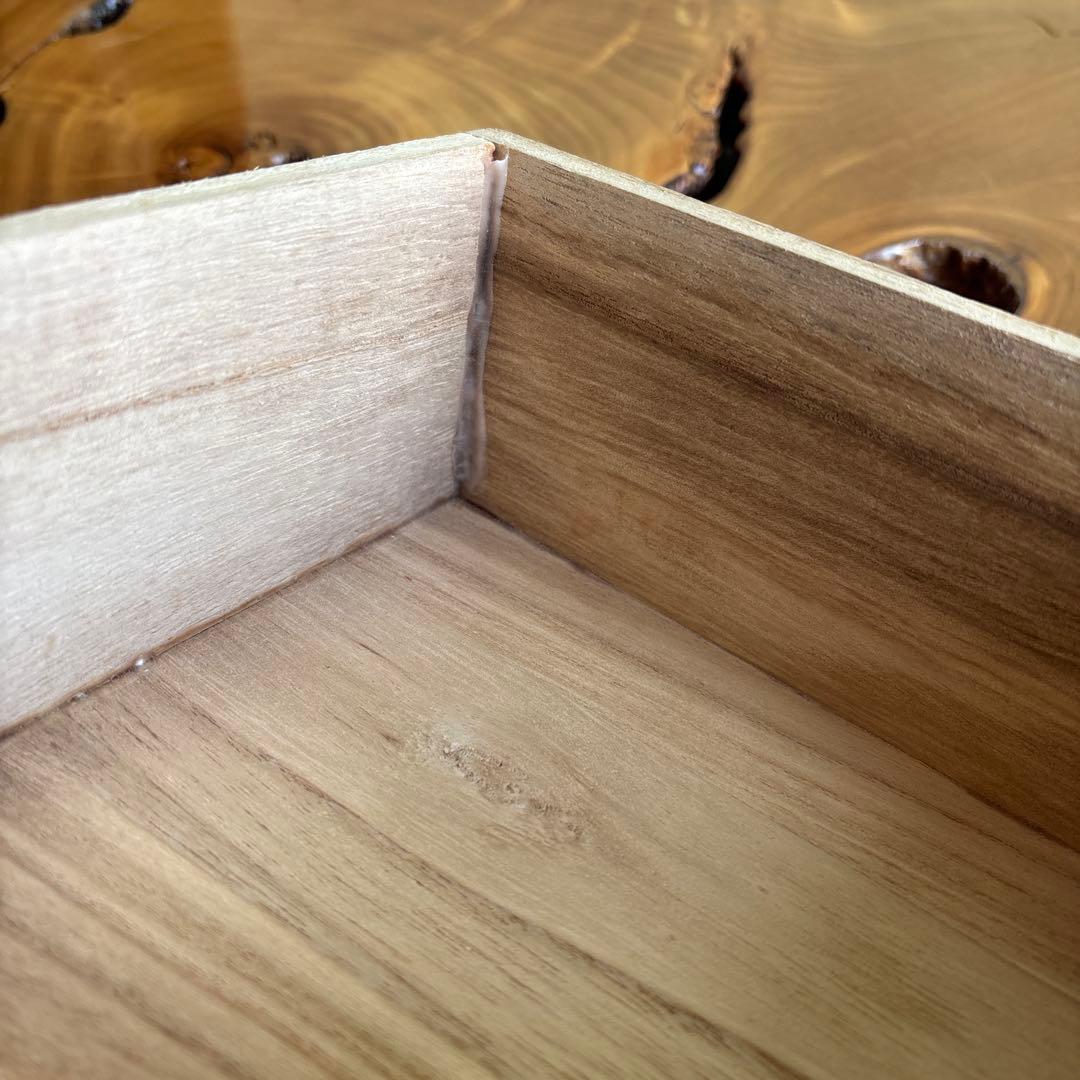
• Condition: Bowl — excellent, no chips, cracks, or repairs. Box — minor repair visible on one corner joint
🔹 [ CULTURAL & ARTISTIC INSIGHT ]
Korean celadon (cheongja / 청자) reached its zenith during the Goryeo dynasty (918–1392), when potters developed techniques that Chinese contemporaries themselves acknowledged as unsurpassed. The sanggam inlay and incised decoration methods — where patterns are carved into leather-hard clay, then covered with translucent celadon glaze — became Korea's singular contribution to world ceramics.
Kim Jeong-muk works within this unbroken lineage at Donggok kiln, producing celadon that honors the Goryeo aesthetic without mimicry. The peony (moran / 牡丹) arabesque — an all-over scrolling pattern of flowers and tendrils — was among the most technically demanding motifs in Korean celadon tradition, requiring absolute consistency of hand pressure and line depth across the entire curved surface.
*A thousand petals, carved before the glaze sealed them in stillness.*
🔹 [ DEEP-DIVE COMMENTARY ]
The incised pattern covers the bowl completely — interior and exterior — with no undecorated ground visible. This is not mere surface embellishment but a declaration of technical mastery. Each peony head and connecting tendril must be carved at uniform depth; too shallow and the pattern vanishes under glaze, too deep and the line coarsens. Kim achieves remarkable consistency: the floral arabesques read clearly beneath the translucent jade-green celadon, appearing as darker green lines within the lighter ground.
The bowl's profile is a gentle hemisphere — deeper and more rounded than its Japanese counterparts, reflecting Korean formal preferences. The foot ring is slim and unglazed, showing a pale sandy clay body typical of Korean celadon ware. The glaze covers the underside almost entirely, pooling inside the foot with a glassy finish and fine crackle throughout.
The artist's incised mark appears near the foot — two characters visible through the glaze. The wooden box bears substantial provenance: red seal stamps reading "韓國 陶藝" (Korean Ceramics) and the artist's full name in ink. This cross-cultural bridge is significant — Korean celadon adapted for Japanese chanoyu practice — representing the deep historical exchange between Korean potters and Japanese tea masters that has continued since the sixteenth century.
The all-over peony arabesque carries layered symbolism: prosperity, honor, and the fleeting nature of beauty. In tea practice, this bowl would be appropriate across seasons, its botanical density creating a contemplative field beneath the froth of matcha.
🔹 [ SHIPPING & PACKAGING ]
• Dispatch: Within 1-6 business days
• Carrier: Japan Post EMS / UPS (with tracking)
• Packaging: Carefully wrapped with protective materials
🔹 [ JAPANESE DESCRIPTION / 日本語解説 ]
韓国の陶芸家・金正黙(キム・ジョンムク)による高麗青磁茶碗です。東谷窯にて制作。碗の内外全面に牡丹唐草文(ぼたんからくさもん)が陰刻技法で施されており、透明感のある翡翠色の青磁釉の下に、繊細な花弁と蔓が浮かび上がります。
高麗王朝(918–1392年)に頂点を極めた韓国青磁の伝統を受け継ぐ作品です。陰刻は素地が半乾きの状態で一本一本彫り込む技法で、線の深さが均一でなければ釉薬の下で文様が消えてしまうため、高度な技術を要します。金正黙の手による線は一貫した深度と流れを保ち、全面にわたって破綻がありません。
碗の形状はゆるやかな半球形で、日本の茶碗に比べやや深く丸みを帯びた韓国的な造形です。高台は細く無釉で、韓国青磁特有の淡い砂色の素地が見えます。釉薬は底面までほぼ全面を覆い、繊細な貫入が走ります。高台脇に作家の刻印あり。
共箱には「韓國 陶藝」「東谷」の朱印と作家名の墨書があります。箱の一角に補修箇所がありますが、碗本体は傷・欠けなく良好な状態です。韓国青磁を日本の茶道に架橋する、文化交流の証としての一碗です。
A Korean celadon tea bowl by Kim Jeong-muk of Donggok kiln, incised with an unbroken field of peony arabesque across every surface. This Goryeo-tradition sanggam chawan embodies the cultural weight of Korea's celadon heritage — a matcha tea bowl where a thousand years of ceramic lineage speak through incised floral scrollwork beneath jade-green glaze. Handmade Korean pottery carrying the authorship of a dedicated celadon master.
🔹 [ BASIC DETAILS ]
• Artist: Kim Jeong-muk (金正黙), Donggok Kiln (東谷)
• Technique: Incised (umgak / 陰刻) peony arabesque under celadon glaze, wheel-thrown
• Era: Late 20th century (contemporary, Goryeo revival tradition)
• Origin: Korea
• Dimensions: Diameter approx. 13.2 cm × Height approx. 6.5 cm
• Box: Wooden box with red stamp seals — "韓國 陶藝" (Korean Ceramics), "東谷" (Donggok), artist name "金正黙"
• Condition: Bowl — excellent, no chips, cracks, or repairs. Box — minor repair visible on one corner joint
🔹 [ CULTURAL & ARTISTIC INSIGHT ]
Korean celadon (cheongja / 청자) reached its zenith during the Goryeo dynasty (918–1392), when potters developed techniques that Chinese contemporaries themselves acknowledged as unsurpassed. The sanggam inlay and incised decoration methods — where patterns are carved into leather-hard clay, then covered with translucent celadon glaze — became Korea's singular contribution to world ceramics.
Kim Jeong-muk works within this unbroken lineage at Donggok kiln, producing celadon that honors the Goryeo aesthetic without mimicry. The peony (moran / 牡丹) arabesque — an all-over scrolling pattern of flowers and tendrils — was among the most technically demanding motifs in Korean celadon tradition, requiring absolute consistency of hand pressure and line depth across the entire curved surface.
*A thousand petals, carved before the glaze sealed them in stillness.*
🔹 [ DEEP-DIVE COMMENTARY ]
The incised pattern covers the bowl completely — interior and exterior — with no undecorated ground visible. This is not mere surface embellishment but a declaration of technical mastery. Each peony head and connecting tendril must be carved at uniform depth; too shallow and the pattern vanishes under glaze, too deep and the line coarsens. Kim achieves remarkable consistency: the floral arabesques read clearly beneath the translucent jade-green celadon, appearing as darker green lines within the lighter ground.
The bowl's profile is a gentle hemisphere — deeper and more rounded than its Japanese counterparts, reflecting Korean formal preferences. The foot ring is slim and unglazed, showing a pale sandy clay body typical of Korean celadon ware. The glaze covers the underside almost entirely, pooling inside the foot with a glassy finish and fine crackle throughout.
The artist's incised mark appears near the foot — two characters visible through the glaze. The wooden box bears substantial provenance: red seal stamps reading "韓國 陶藝" (Korean Ceramics) and the artist's full name in ink. This cross-cultural bridge is significant — Korean celadon adapted for Japanese chanoyu practice — representing the deep historical exchange between Korean potters and Japanese tea masters that has continued since the sixteenth century.
The all-over peony arabesque carries layered symbolism: prosperity, honor, and the fleeting nature of beauty. In tea practice, this bowl would be appropriate across seasons, its botanical density creating a contemplative field beneath the froth of matcha.
🔹 [ SHIPPING & PACKAGING ]
• Dispatch: Within 1-6 business days
• Carrier: Japan Post EMS / UPS (with tracking)
• Packaging: Carefully wrapped with protective materials
🔹 [ JAPANESE DESCRIPTION / 日本語解説 ]
韓国の陶芸家・金正黙(キム・ジョンムク)による高麗青磁茶碗です。東谷窯にて制作。碗の内外全面に牡丹唐草文(ぼたんからくさもん)が陰刻技法で施されており、透明感のある翡翠色の青磁釉の下に、繊細な花弁と蔓が浮かび上がります。
高麗王朝(918–1392年)に頂点を極めた韓国青磁の伝統を受け継ぐ作品です。陰刻は素地が半乾きの状態で一本一本彫り込む技法で、線の深さが均一でなければ釉薬の下で文様が消えてしまうため、高度な技術を要します。金正黙の手による線は一貫した深度と流れを保ち、全面にわたって破綻がありません。
碗の形状はゆるやかな半球形で、日本の茶碗に比べやや深く丸みを帯びた韓国的な造形です。高台は細く無釉で、韓国青磁特有の淡い砂色の素地が見えます。釉薬は底面までほぼ全面を覆い、繊細な貫入が走ります。高台脇に作家の刻印あり。
共箱には「韓國 陶藝」「東谷」の朱印と作家名の墨書があります。箱の一角に補修箇所がありますが、碗本体は傷・欠けなく良好な状態です。韓国青磁を日本の茶道に架橋する、文化交流の証としての一碗です。
Quantity
Couldn't load pickup availability
Low stock: 1 left
View full details