1
/
of
9
Konoha Tenmoku Tea Bowl by Togashi Jiro - Sagae Ware Leaf Chawan with Signed Box
Konoha Tenmoku Tea Bowl by Togashi Jiro - Sagae Ware Leaf Chawan with Signed Box
Regular price
Dhs. 908.00 AED
Regular price
Sale price
Dhs. 908.00 AED
Taxes included.
Shipping calculated at checkout.
A Konoha Tenmoku Tea Bowl by Togashi Jiro, crafted in the Sagae-yaki tradition of Yamagata Prefecture. This Japanese Ceramic Tea Bowl carries the ancient leaf-impression technique — a real leaf placed upon iron glaze before kiln firing, leaving its ghostly silhouette within the vessel. A contemplative Matcha Chawan bridging Song Dynasty lineage and contemporary Japanese Pottery. Handmade Stoneware of quiet cultural weight.
━━━━━━━━━━━━━━━━━━━━
🔹 [ BASIC DETAILS ]
• Artist: Togashi Jiro (富樫二郎)
• Tradition: Sagae-yaki (寒河江焼), Yamagata Prefecture
• Technique: Konoha Tenmoku (木葉天目) — leaf impression in iron glaze
• Dimensions: Diameter approx. 12 cm (4.7 in) × Height approx. 6.2 cm (2.4 in)
• Condition: No cracks or chips
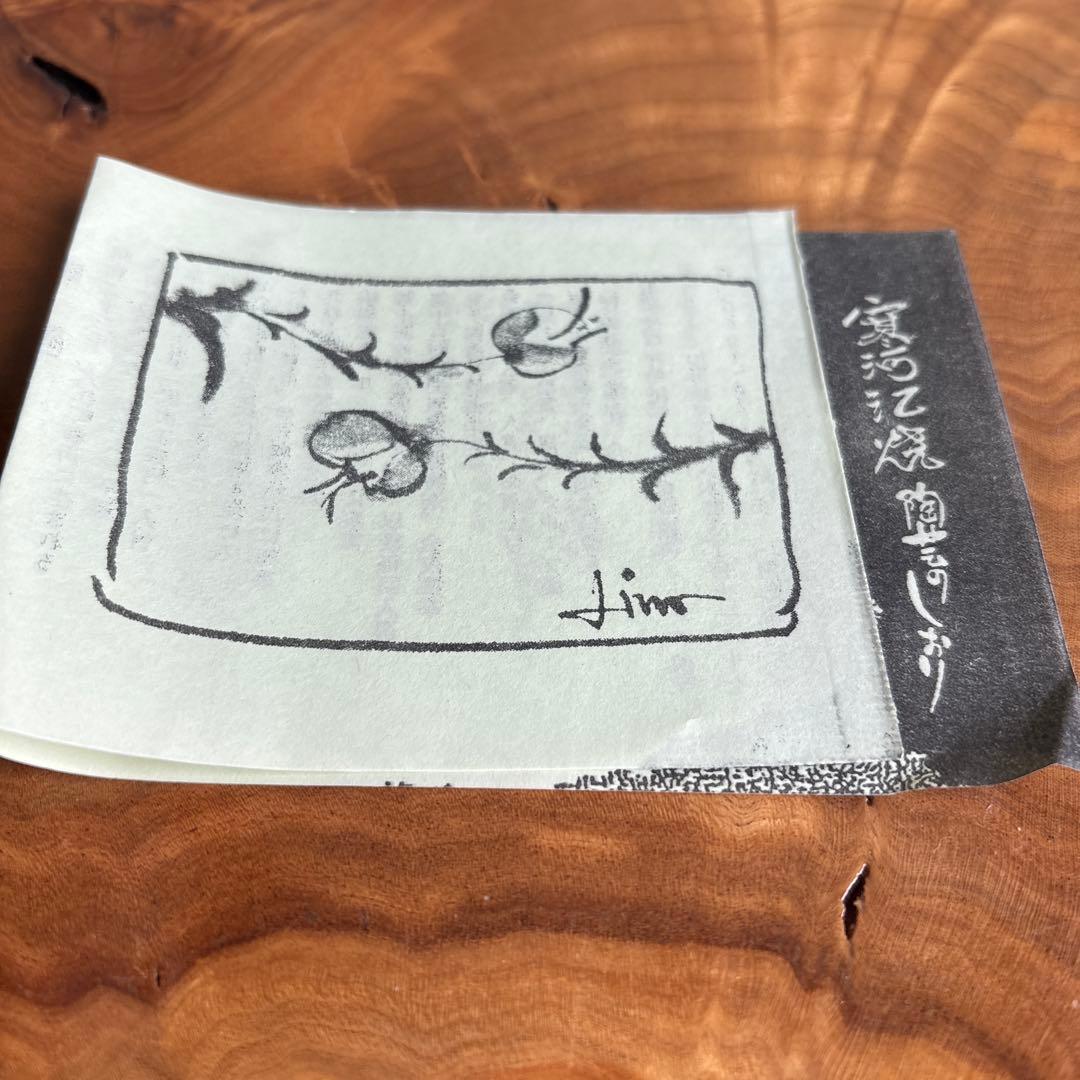
• Includes: Signed tomobako (wooden storage box) with artist name and red seal
• Era: Contemporary (2010–2019)
━━━━━━━━━━━━━━━━━━━━
🔹 [ CULTURAL & ARTISTIC INSIGHT ]
The konoha tenmoku technique traces its origin to the Jizhou kilns of Song Dynasty China, where potters discovered that a leaf laid upon wet glaze would burn away in the kiln, leaving behind an indelible fossil of itself — part accident, part devotion. The method migrated to Japan alongside Zen practice, where it found its deepest resonance: the idea that absence can hold more presence than the thing itself.
Togashi Jiro works within the Sagae-yaki lineage of Yamagata Prefecture, a region whose long winters and volcanic soil have shaped a ceramic tradition rooted in patience and material honesty. His tenmoku bowls honor the classical conical form — the wide mouth tapering toward a compact foot — designed to display the contrast between dark glaze and bright matcha.
The interior of this bowl holds a single leaf impression suspended in glossy black iron glaze, its veins rendered with a fidelity that no brush could achieve. The exterior carries deep black with brown undertones, the hallmark of iron-rich glazes fired at their threshold. The white, unglazed foot ring grounds the piece in the earth from which it came.
*"A leaf fell into the kiln's mouth and refused to disappear — it only changed its language."*
━━━━━━━━━━━━━━━━━━━━
🔹 [ DEEP-DIVE COMMENTARY ]
**The Konoha Technique**: A real leaf, often mulberry or bodhi, is placed on the glazed interior before firing. The organic matter combusts, but its mineral residue and the shadow of its form remain permanently fused into the glaze surface. No two impressions are identical.
**Iron Glaze Dynamics**: Tenmoku glazes derive their depth from high iron-oxide content. The glossy black surface with brown undertones emerges from precise kiln atmosphere control — the boundary between oxidation and reduction determines whether the glaze pools dark or breaks amber at the rim.
**Classical Form**: The conical tenmoku shape descends directly from Song Dynasty prototypes. The wide mouth was designed for tea competitions (toucha) in medieval China, later adopted by Japanese tea practitioners for its capacity to frame the green of whisked matcha against dark glaze.
**Sagae-yaki Heritage**: Sagae-yaki is a regional ceramic tradition of Yamagata, carried forward by a small number of dedicated potters. The local clay and ash glazes reflect the geological character of the Tohoku region — dense, iron-rich, and deeply responsive to wood-firing and reduction atmospheres.
━━━━━━━━━━━━━━━━━━━━
🔹 [ 日本語解説 ]
【基本情報】
• 作家:富樫二郎
• 窯元:寒河江焼(山形県)
• 技法:木葉天目(鉄釉上に実葉を置いて焼成)
• 寸法:口径 約12cm × 高さ 約6.2cm
• 状態:傷・欠けなし
• 付属:共箱(署名・落款あり)
• 年代:現代(2010年代)
【解説】
木葉天目は中国・宋代の吉州窯に起源を持つ技法です。釉薬を施した碗の内側に一枚の葉を置き、窯の中で焼成すると、葉は灰となって消えますが、その形だけが釉面に永遠に残ります。偶然と必然の間に生まれる景色であり、禅の思想と深く結びついています。
富樫二郎氏は山形県寒河江市で作陶を続ける陶芸家です。東北の厳しい冬と火山性の土壌が育んだ寒河江焼の伝統を受け継ぎながら、鉄釉の深い黒と葉脈の繊細な表情を一碗の中に凝縮しています。外側の黒褐色の釉調、白く削り出された高台、そして内側に浮かぶ葉影——すべてが静かな密度を持って語りかけます。
━━━━━━━━━━━━━━━━━━━━
🔹 [ SHIPPING & PACKAGING ]
• Dispatch: Within 1-6 business days
• Carrier: Japan Post EMS / UPS (with tracking)
• Packaging: Carefully wrapped with protective materials
*A leaf crossed centuries to reach this bowl. It will cross the ocean to reach you.*
━━━━━━━━━━━━━━━━━━━━
🔹 [ BASIC DETAILS ]
• Artist: Togashi Jiro (富樫二郎)
• Tradition: Sagae-yaki (寒河江焼), Yamagata Prefecture
• Technique: Konoha Tenmoku (木葉天目) — leaf impression in iron glaze
• Dimensions: Diameter approx. 12 cm (4.7 in) × Height approx. 6.2 cm (2.4 in)
• Condition: No cracks or chips
• Includes: Signed tomobako (wooden storage box) with artist name and red seal
• Era: Contemporary (2010–2019)
━━━━━━━━━━━━━━━━━━━━
🔹 [ CULTURAL & ARTISTIC INSIGHT ]
The konoha tenmoku technique traces its origin to the Jizhou kilns of Song Dynasty China, where potters discovered that a leaf laid upon wet glaze would burn away in the kiln, leaving behind an indelible fossil of itself — part accident, part devotion. The method migrated to Japan alongside Zen practice, where it found its deepest resonance: the idea that absence can hold more presence than the thing itself.
Togashi Jiro works within the Sagae-yaki lineage of Yamagata Prefecture, a region whose long winters and volcanic soil have shaped a ceramic tradition rooted in patience and material honesty. His tenmoku bowls honor the classical conical form — the wide mouth tapering toward a compact foot — designed to display the contrast between dark glaze and bright matcha.
The interior of this bowl holds a single leaf impression suspended in glossy black iron glaze, its veins rendered with a fidelity that no brush could achieve. The exterior carries deep black with brown undertones, the hallmark of iron-rich glazes fired at their threshold. The white, unglazed foot ring grounds the piece in the earth from which it came.
*"A leaf fell into the kiln's mouth and refused to disappear — it only changed its language."*
━━━━━━━━━━━━━━━━━━━━
🔹 [ DEEP-DIVE COMMENTARY ]
**The Konoha Technique**: A real leaf, often mulberry or bodhi, is placed on the glazed interior before firing. The organic matter combusts, but its mineral residue and the shadow of its form remain permanently fused into the glaze surface. No two impressions are identical.
**Iron Glaze Dynamics**: Tenmoku glazes derive their depth from high iron-oxide content. The glossy black surface with brown undertones emerges from precise kiln atmosphere control — the boundary between oxidation and reduction determines whether the glaze pools dark or breaks amber at the rim.
**Classical Form**: The conical tenmoku shape descends directly from Song Dynasty prototypes. The wide mouth was designed for tea competitions (toucha) in medieval China, later adopted by Japanese tea practitioners for its capacity to frame the green of whisked matcha against dark glaze.
**Sagae-yaki Heritage**: Sagae-yaki is a regional ceramic tradition of Yamagata, carried forward by a small number of dedicated potters. The local clay and ash glazes reflect the geological character of the Tohoku region — dense, iron-rich, and deeply responsive to wood-firing and reduction atmospheres.
━━━━━━━━━━━━━━━━━━━━
🔹 [ 日本語解説 ]
【基本情報】
• 作家:富樫二郎
• 窯元:寒河江焼(山形県)
• 技法:木葉天目(鉄釉上に実葉を置いて焼成)
• 寸法:口径 約12cm × 高さ 約6.2cm
• 状態:傷・欠けなし
• 付属:共箱(署名・落款あり)
• 年代:現代(2010年代)
【解説】
木葉天目は中国・宋代の吉州窯に起源を持つ技法です。釉薬を施した碗の内側に一枚の葉を置き、窯の中で焼成すると、葉は灰となって消えますが、その形だけが釉面に永遠に残ります。偶然と必然の間に生まれる景色であり、禅の思想と深く結びついています。
富樫二郎氏は山形県寒河江市で作陶を続ける陶芸家です。東北の厳しい冬と火山性の土壌が育んだ寒河江焼の伝統を受け継ぎながら、鉄釉の深い黒と葉脈の繊細な表情を一碗の中に凝縮しています。外側の黒褐色の釉調、白く削り出された高台、そして内側に浮かぶ葉影——すべてが静かな密度を持って語りかけます。
━━━━━━━━━━━━━━━━━━━━
🔹 [ SHIPPING & PACKAGING ]
• Dispatch: Within 1-6 business days
• Carrier: Japan Post EMS / UPS (with tracking)
• Packaging: Carefully wrapped with protective materials
*A leaf crossed centuries to reach this bowl. It will cross the ocean to reach you.*
Quantity
Couldn't load pickup availability
Low stock: 1 left
View full details