1
/
of
9
Kohiki Square Tea Bowl by Okumura Koichi - Japanese Matcha Chawan Shihō-Chawan with Signed Box
Kohiki Square Tea Bowl by Okumura Koichi - Japanese Matcha Chawan Shihō-Chawan with Signed Box
Regular price
Dhs. 509.00 AED
Regular price
Sale price
Dhs. 509.00 AED
Taxes included.
Shipping calculated at checkout.
Experience authentic Japanese ceramic tradition with this Kohiki Square Tea Bowl (粉引四方茶碗) by Okumura Koichi (奥村考一). This Japanese Matcha Chawan serves as a Kohiki Ware masterpiece and Handmade Tea Ceremony Bowl, featuring a softly squared form with warm beige kohiki slip glaze and gentle crackle—a must-have for any Zen Ceramic collector seeking the understated beauty and tactile warmth of Korean-influenced Japanese white-slip ware.
━━━━━━━━━━━━━━━━━━━━
🔹 [ BASIC DETAILS ]
• Artist: Okumura Koichi (奥村考一)
• Technique: Kohiki (粉引) white slip glaze on stoneware, shihō (four-sided square) forming
• Era: Contemporary (Heisei-Reiwa period)
• Origin: Japan (contemporary studio)
• Dimensions: Diameter approx. 11 cm × Height approx. 8 cm (4.3" × 3.1")
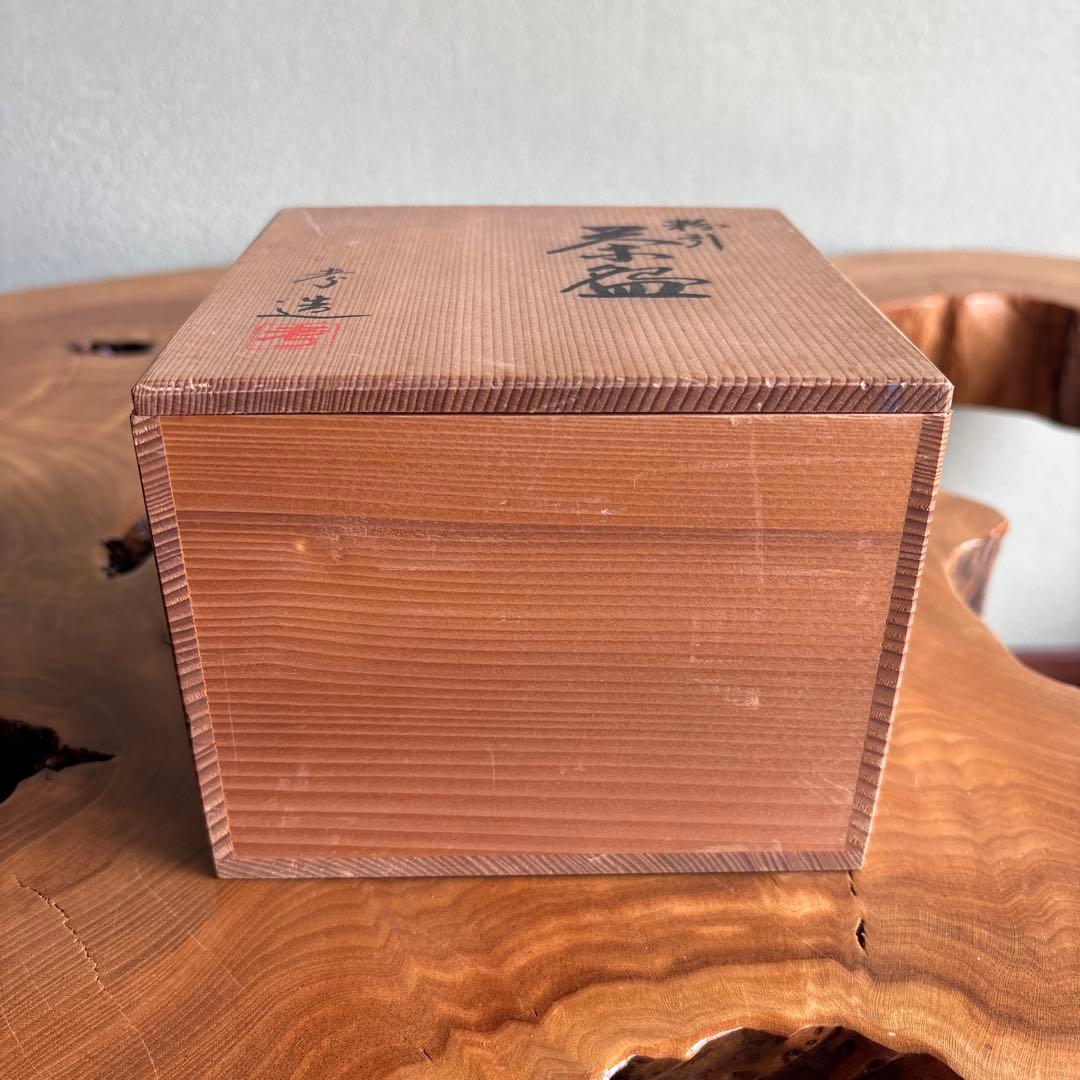
• Box: Tomobako (artist-signed wooden box, labeled 粉引茶碗 考造)
• Condition: Excellent – no cracks, chips, or repairs
━━━━━━━━━━━━━━━━━━━━
🔹 [ CULTURAL & ARTISTIC INSIGHT ]
Kohiki (粉引, "flour pulling" or "powder drawing") is a technique in which a white slip — liquid clay of contrasting color — is applied to a dark clay body before firing, creating a soft, powdery white surface that sits visually between the hard opacity of porcelain and the warm earthiness of uncoated stoneware. The technique originated in Korean ceramics, where white slip was applied to dark-bodied wares to achieve a pale surface without the expense of true white clay, and was adopted by Japanese potters during the Momoyama period when Korean aesthetic values were profoundly influential in the tea world.
This tea bowl by Okumura Koichi takes the kohiki tradition into a formally distinctive direction: the shihō (四方, four-sided) form. Rather than the rounded chawan that Japanese ceramic convention defaults to, this bowl has been shaped — while still on the wheel or immediately after — into a gently squared form with four softened corners. The effect is subtle rather than geometric: the bowl reads as rounded at first glance, but the hand immediately registers the four slight planes that constitute the exterior. This interplay between apparent roundness and actual angularity is a classic device in Japanese ceramics for creating visual complexity in simple forms.
The warm beige-cream surface shows the characteristic kohiki quality of looking both clean and aged simultaneously — as if the white slip has been there long enough to accumulate depth, yet is not stained or worn. The gentle swirl marks from the wheel are faintly visible through the glaze, connecting the finished surface back to the moment of making.
*"White that holds warmth — the kohiki bowl sits between winter and spring, belonging fully to neither, at ease in both."*
━━━━━━━━━━━━━━━━━━━━
🔹 [ DEEP-DIVE COMMENTARY ]
**Kohiki Slip Application**: In kohiki technique, the dark clay body is coated in white slip while still in the leather-hard state. The slip must be applied at exactly the right thickness — too thin and the dark body shows through, breaking the white surface; too thick and the slip cracks or peels during firing. Achieving an even, warm white without visible defects requires considerable technical control. The warm beige-cream tone of this bowl suggests a slightly iron-rich slip, giving the white a living, organic quality rather than stark brightness.
**The Shihō (Four-Sided) Form**: Square or multi-sided ceramic forms are known in Japanese tradition as "shihō" (四方, four directions/sides). Creating a true square or rectangular chawan requires either pressing the clay into a mold or carefully reshaping a thrown form while still plastic. Okumura Koichi's version retains the warmth of a thrown bowl while introducing the quiet intellectual interest of the squared profile — a form that sits comfortably in the hand but surprises the eye.
**Korean Aesthetic Inheritance**: Kohiki's origins in Korean ceramics make it a direct bridge between Japanese and Korean ceramic aesthetics. The informality of the technique — its celebration of the slightly uneven, the subtly warm rather than the precisely perfect — aligns with the broader Korean ceramic virtue of spontaneity that Japanese tea masters since the Momoyama period have deeply valued.
**Okumura Koichi's Signature**: The tomobako inscription 粉引茶碗 考造, with the artist's seal, identifies this as Koichi's own declaration of authorship. The character 考 (thoughtfulness, consideration) in his given name feels resonant with the careful, considered quality of this bowl's making.
━━━━━━━━━━━━━━━━━━━━
🔹 [ 日本語解説 ]
【基本情報】
• 作家:奥村考一
• 技法:粉引、四方形成形
• 時代:現代(平成〜令和)
• 産地:日本(現代工房)
• 寸法:直径約11cm × 高さ約8cm
• 付属:共箱(「粉引茶碗 考造」銘)
• 状態:良好(ヒビ・カケなし)
【解説】
粉引は黒系の素地に白化粧土をかけた技法で、朝鮮陶芸の影響を受けて日本に伝わりました。温かみのある白とほのかな貫入が、使うほどに深みを増す魅力があります。本作は奥村考一による粉引の四方茶碗で、柔らかく四角に整えられた形が独特の存在感を放っています。丸みと角張りが絶妙に共存し、手に持った時の収まりも良好です。
共箱には「粉引茶碗 考造」の銘と落款が入り、作家の確かな仕事を示しています。温かみのあるベージュ系の白肌は、日常の茶の湯に馴染みやすく、長く使い続けることで独自の景色が育っていく楽しみもあります。
━━━━━━━━━━━━━━━━━━━━
🔹 [ SHIPPING & PACKAGING ]
• Dispatch: Within 1-6 business days
• Carrier: Japan Post EMS / UPS (with tracking)
• Packaging: Carefully wrapped with protective materials
*Four sides, one bowl, one breath of white — a quiet form that asks nothing except to be held.*
━━━━━━━━━━━━━━━━━━━━
🔹 [ BASIC DETAILS ]
• Artist: Okumura Koichi (奥村考一)
• Technique: Kohiki (粉引) white slip glaze on stoneware, shihō (four-sided square) forming
• Era: Contemporary (Heisei-Reiwa period)
• Origin: Japan (contemporary studio)
• Dimensions: Diameter approx. 11 cm × Height approx. 8 cm (4.3" × 3.1")
• Box: Tomobako (artist-signed wooden box, labeled 粉引茶碗 考造)
• Condition: Excellent – no cracks, chips, or repairs
━━━━━━━━━━━━━━━━━━━━
🔹 [ CULTURAL & ARTISTIC INSIGHT ]
Kohiki (粉引, "flour pulling" or "powder drawing") is a technique in which a white slip — liquid clay of contrasting color — is applied to a dark clay body before firing, creating a soft, powdery white surface that sits visually between the hard opacity of porcelain and the warm earthiness of uncoated stoneware. The technique originated in Korean ceramics, where white slip was applied to dark-bodied wares to achieve a pale surface without the expense of true white clay, and was adopted by Japanese potters during the Momoyama period when Korean aesthetic values were profoundly influential in the tea world.
This tea bowl by Okumura Koichi takes the kohiki tradition into a formally distinctive direction: the shihō (四方, four-sided) form. Rather than the rounded chawan that Japanese ceramic convention defaults to, this bowl has been shaped — while still on the wheel or immediately after — into a gently squared form with four softened corners. The effect is subtle rather than geometric: the bowl reads as rounded at first glance, but the hand immediately registers the four slight planes that constitute the exterior. This interplay between apparent roundness and actual angularity is a classic device in Japanese ceramics for creating visual complexity in simple forms.
The warm beige-cream surface shows the characteristic kohiki quality of looking both clean and aged simultaneously — as if the white slip has been there long enough to accumulate depth, yet is not stained or worn. The gentle swirl marks from the wheel are faintly visible through the glaze, connecting the finished surface back to the moment of making.
*"White that holds warmth — the kohiki bowl sits between winter and spring, belonging fully to neither, at ease in both."*
━━━━━━━━━━━━━━━━━━━━
🔹 [ DEEP-DIVE COMMENTARY ]
**Kohiki Slip Application**: In kohiki technique, the dark clay body is coated in white slip while still in the leather-hard state. The slip must be applied at exactly the right thickness — too thin and the dark body shows through, breaking the white surface; too thick and the slip cracks or peels during firing. Achieving an even, warm white without visible defects requires considerable technical control. The warm beige-cream tone of this bowl suggests a slightly iron-rich slip, giving the white a living, organic quality rather than stark brightness.
**The Shihō (Four-Sided) Form**: Square or multi-sided ceramic forms are known in Japanese tradition as "shihō" (四方, four directions/sides). Creating a true square or rectangular chawan requires either pressing the clay into a mold or carefully reshaping a thrown form while still plastic. Okumura Koichi's version retains the warmth of a thrown bowl while introducing the quiet intellectual interest of the squared profile — a form that sits comfortably in the hand but surprises the eye.
**Korean Aesthetic Inheritance**: Kohiki's origins in Korean ceramics make it a direct bridge between Japanese and Korean ceramic aesthetics. The informality of the technique — its celebration of the slightly uneven, the subtly warm rather than the precisely perfect — aligns with the broader Korean ceramic virtue of spontaneity that Japanese tea masters since the Momoyama period have deeply valued.
**Okumura Koichi's Signature**: The tomobako inscription 粉引茶碗 考造, with the artist's seal, identifies this as Koichi's own declaration of authorship. The character 考 (thoughtfulness, consideration) in his given name feels resonant with the careful, considered quality of this bowl's making.
━━━━━━━━━━━━━━━━━━━━
🔹 [ 日本語解説 ]
【基本情報】
• 作家:奥村考一
• 技法:粉引、四方形成形
• 時代:現代(平成〜令和)
• 産地:日本(現代工房)
• 寸法:直径約11cm × 高さ約8cm
• 付属:共箱(「粉引茶碗 考造」銘)
• 状態:良好(ヒビ・カケなし)
【解説】
粉引は黒系の素地に白化粧土をかけた技法で、朝鮮陶芸の影響を受けて日本に伝わりました。温かみのある白とほのかな貫入が、使うほどに深みを増す魅力があります。本作は奥村考一による粉引の四方茶碗で、柔らかく四角に整えられた形が独特の存在感を放っています。丸みと角張りが絶妙に共存し、手に持った時の収まりも良好です。
共箱には「粉引茶碗 考造」の銘と落款が入り、作家の確かな仕事を示しています。温かみのあるベージュ系の白肌は、日常の茶の湯に馴染みやすく、長く使い続けることで独自の景色が育っていく楽しみもあります。
━━━━━━━━━━━━━━━━━━━━
🔹 [ SHIPPING & PACKAGING ]
• Dispatch: Within 1-6 business days
• Carrier: Japan Post EMS / UPS (with tracking)
• Packaging: Carefully wrapped with protective materials
*Four sides, one bowl, one breath of white — a quiet form that asks nothing except to be held.*
Quantity
Couldn't load pickup availability
Low stock: 1 left
View full details