1
/
of
20
Koetsu-utsushi Black Raku Tea Bowl 'Daifuku' by Kichiemon - Yabunouchi Togetsusai Box
Koetsu-utsushi Black Raku Tea Bowl 'Daifuku' by Kichiemon - Yabunouchi Togetsusai Box
Regular price
Dhs. 3,607.00 AED
Regular price
Sale price
Dhs. 3,607.00 AED
Taxes included.
Shipping calculated at checkout.
Experience authentic Japanese tea culture with this Kōetsu-utsushi Black Raku Tea Bowl. This Japanese Matcha Chawan serves as a Yabunouchi Certified Piece and Kyoto Raku Tradition work, featuring Hand-formed Black Glaze and Sculptural Rim artistry—a must-have for any Art Collector seeking Wabi Sabi Tea Accessories and Named Tea Bowl Ceramics with Silk Pouch.
━━━━━━━━━━━━━━━━━━━━
🔹 [ BASIC DETAILS ]
• Artist: Kichiemon (吉右衛門) — Raku tradition maker
• Technique: Hand-formed kuro-raku (black Raku) in the style of Hon'ami Kōetsu (光悦写)
• Bowl Name: Daifuku (大福) — "Great Blessing"
• Era: Mid-Shōwa period (1950s–1970s)
• Origin: Kyoto, Japan — Raku lineage
• Dimensions: 10.2 cm (4.0") diameter × 8.4 cm (3.3") height, foot 3.9 cm (1.5")
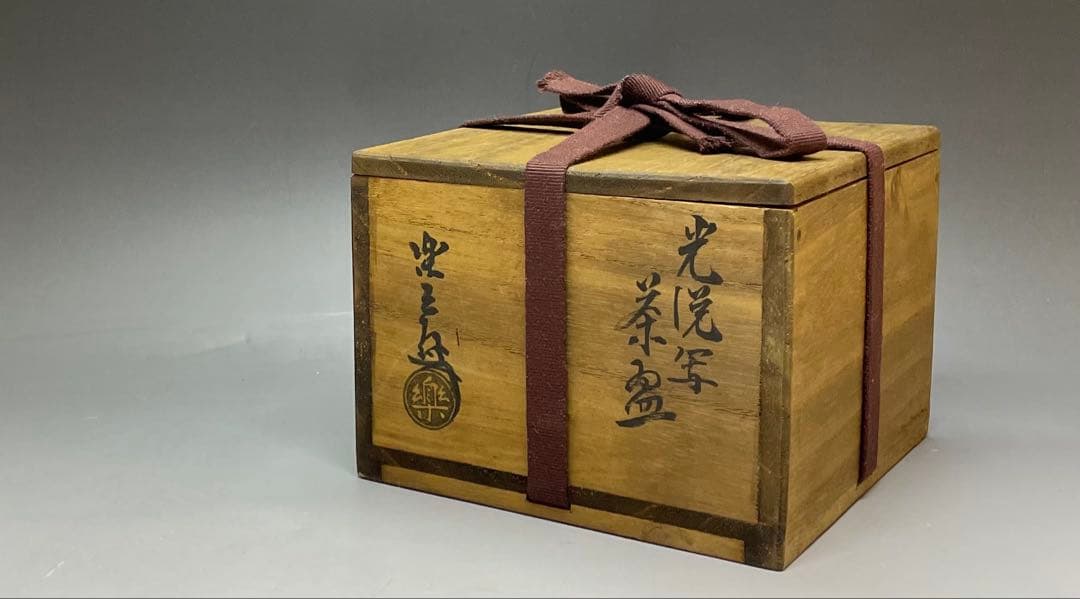
• Box: Tomobako inscribed by Yabunouchi-ryū 11th iemoto Tōgetsusai (藪内流十一代透月斎), with silk pouch (shifuku) in green brocade with blue cord
• Condition: Good — consistent with age
━━━━━━━━━━━━━━━━━━━━
🔹 [ CULTURAL & ARTISTIC INSIGHT ]
Hon'ami Kōetsu (1558–1637) stands as one of the most revered figures in Japanese ceramic history—not as a professional potter, but as an artist of total vision whose tea bowls transcended the boundaries between craft and pure expression. His black Raku bowls are among the most coveted objects in the entire Japanese tea tradition. To create a Kōetsu-utsushi (Kōetsu copy) is not mere imitation but an act of deep study, an attempt to internalize the master's spatial awareness and sculptural instinct.
Kichiemon's interpretation captures the essential character of Kōetsu's approach: bold hand-forming that embraces asymmetry as philosophy, glaze that becomes landscape, and surfaces that demand to be read slowly.
The authentication by Tōgetsusai, the 11th iemoto of Yabunouchi-ryū, carries particular weight. The Yabunouchi school, founded in the Momoyama period as a parallel lineage to Urasenke, maintained exacting standards for the tea wares they endorsed.
*"The hand that copies Kōetsu does not trace his lines—it remembers his silences."*
━━━━━━━━━━━━━━━━━━━━
🔹 [ DEEP-DIVE COMMENTARY ]
**The Kōetsu Legacy**: Hon'ami Kōetsu was a sword polisher, calligrapher, lacquer artist, and ceramicist whose black Raku bowls—particularly the National Treasure "Fujisan" and the legendary "Otogaze"—redefined what a tea bowl could express. Where the Raku family lineage pursued disciplined restraint, Kōetsu brought an artist's wild intuition. His bowls feature dramatic rim undulations, powerful hand-molding, and surfaces that suggest geological forces rather than human intention.
**Surface Cosmology**: This bowl's glaze tells a story of extraordinary complexity. The deep glossy black ground erupts with olive-gold patches and amber-yellow accents—areas where the iron-rich glaze interacted with kiln atmosphere to produce metallic transformations. Where the black breaks, reddish-brown clay emerges like earth beneath night sky. Scattered silver-white speckles across the surface create a cosmic quality—as though the bowl holds a fragment of night sky.
**Sculptural Authority**: The pronounced hand-molding marks are not accidents but declarations. The asymmetric rim with its deep valleys creates a landscape in silhouette. Each rotation of the bowl in the hands reveals a different horizon. This is the hallmark of the Kōetsu tradition: the bowl as terrain, not vessel.
**The Name "Daifuku"**: The bowl name 大福 (Great Blessing/Great Fortune) follows the tea tradition of naming significant bowls with auspicious characters. This naming, combined with the Yabunouchi iemoto's inscription, indicates the bowl was received into the formal tea world as a work of genuine consequence.
**Yabunouchi Authentication**: The Yabunouchi school's endorsement through Tōgetsusai's brush means this bowl passed the scrutiny of a tea lineage that traces its aesthetic judgment back to the Momoyama period. The shifuku (silk pouch) in green brocade with blue cord completes the formal presentation required for a named bowl of this status.
━━━━━━━━━━━━━━━━━━━━
🔹 [ 日本語解説 ]
【基本情報】
• 作家:吉右衛門(楽印あり)
• 技法:手捏ね黒楽・光悦写
• 銘:大福
• 時代:昭和中期(1950〜1970年代)
• 産地:京都(楽焼系統)
• 寸法:径約10.2cm × 高さ約8.4cm × 高台径約3.9cm
• 付属:箱書き(藪内流十一代透月斎)・仕覆(緑金襴・青紐)
• 状態:時代相応の良好な状態
【解説】
本阿弥光悦(1558–1637)は刀剣鑑定・書・蒔絵・茶碗と多岐にわたる芸術領域で日本文化史に不朽の足跡を残した。その黒楽茶碗は国宝「不二山」をはじめ、楽家の端正な造形とは一線を画す奔放な造形美で知られる。
本作は吉右衛門による光悦写し。深い光沢を湛えた黒釉にオリーブ金や琥珀色の変化が現れ、黒釉が薄くなった箇所では赤褐色の素地が覗く。銀白色の細かな斑点が散在し、宇宙的な広がりを感じさせる。力強い手捏ねの痕跡と大胆に起伏する口縁は、光悦写しの真髄を捉えた造形である。
藪内流十一代透月斎の書付は、桃山時代に遡る茶の審美眼による承認を意味する。「大福」の銘と仕覆を伴う格式ある伝来は、この碗が茶の湯の世界で重きをなす一碗として遇されてきた証である。
━━━━━━━━━━━━━━━━━━━━
🔹 [ SHIPPING & PACKAGING ]
• Dispatch: Within 1-6 business days
• Carrier: Japan Post EMS / UPS (with tracking)
• Packaging: Carefully wrapped with protective materials
*Kōetsu did not shape bowls. He shaped the space between intention and accident. This is what Kichiemon remembered—and what Tōgetsusai recognized.*
━━━━━━━━━━━━━━━━━━━━
🔹 [ BASIC DETAILS ]
• Artist: Kichiemon (吉右衛門) — Raku tradition maker
• Technique: Hand-formed kuro-raku (black Raku) in the style of Hon'ami Kōetsu (光悦写)
• Bowl Name: Daifuku (大福) — "Great Blessing"
• Era: Mid-Shōwa period (1950s–1970s)
• Origin: Kyoto, Japan — Raku lineage
• Dimensions: 10.2 cm (4.0") diameter × 8.4 cm (3.3") height, foot 3.9 cm (1.5")
• Box: Tomobako inscribed by Yabunouchi-ryū 11th iemoto Tōgetsusai (藪内流十一代透月斎), with silk pouch (shifuku) in green brocade with blue cord
• Condition: Good — consistent with age
━━━━━━━━━━━━━━━━━━━━
🔹 [ CULTURAL & ARTISTIC INSIGHT ]
Hon'ami Kōetsu (1558–1637) stands as one of the most revered figures in Japanese ceramic history—not as a professional potter, but as an artist of total vision whose tea bowls transcended the boundaries between craft and pure expression. His black Raku bowls are among the most coveted objects in the entire Japanese tea tradition. To create a Kōetsu-utsushi (Kōetsu copy) is not mere imitation but an act of deep study, an attempt to internalize the master's spatial awareness and sculptural instinct.
Kichiemon's interpretation captures the essential character of Kōetsu's approach: bold hand-forming that embraces asymmetry as philosophy, glaze that becomes landscape, and surfaces that demand to be read slowly.
The authentication by Tōgetsusai, the 11th iemoto of Yabunouchi-ryū, carries particular weight. The Yabunouchi school, founded in the Momoyama period as a parallel lineage to Urasenke, maintained exacting standards for the tea wares they endorsed.
*"The hand that copies Kōetsu does not trace his lines—it remembers his silences."*
━━━━━━━━━━━━━━━━━━━━
🔹 [ DEEP-DIVE COMMENTARY ]
**The Kōetsu Legacy**: Hon'ami Kōetsu was a sword polisher, calligrapher, lacquer artist, and ceramicist whose black Raku bowls—particularly the National Treasure "Fujisan" and the legendary "Otogaze"—redefined what a tea bowl could express. Where the Raku family lineage pursued disciplined restraint, Kōetsu brought an artist's wild intuition. His bowls feature dramatic rim undulations, powerful hand-molding, and surfaces that suggest geological forces rather than human intention.
**Surface Cosmology**: This bowl's glaze tells a story of extraordinary complexity. The deep glossy black ground erupts with olive-gold patches and amber-yellow accents—areas where the iron-rich glaze interacted with kiln atmosphere to produce metallic transformations. Where the black breaks, reddish-brown clay emerges like earth beneath night sky. Scattered silver-white speckles across the surface create a cosmic quality—as though the bowl holds a fragment of night sky.
**Sculptural Authority**: The pronounced hand-molding marks are not accidents but declarations. The asymmetric rim with its deep valleys creates a landscape in silhouette. Each rotation of the bowl in the hands reveals a different horizon. This is the hallmark of the Kōetsu tradition: the bowl as terrain, not vessel.
**The Name "Daifuku"**: The bowl name 大福 (Great Blessing/Great Fortune) follows the tea tradition of naming significant bowls with auspicious characters. This naming, combined with the Yabunouchi iemoto's inscription, indicates the bowl was received into the formal tea world as a work of genuine consequence.
**Yabunouchi Authentication**: The Yabunouchi school's endorsement through Tōgetsusai's brush means this bowl passed the scrutiny of a tea lineage that traces its aesthetic judgment back to the Momoyama period. The shifuku (silk pouch) in green brocade with blue cord completes the formal presentation required for a named bowl of this status.
━━━━━━━━━━━━━━━━━━━━
🔹 [ 日本語解説 ]
【基本情報】
• 作家:吉右衛門(楽印あり)
• 技法:手捏ね黒楽・光悦写
• 銘:大福
• 時代:昭和中期(1950〜1970年代)
• 産地:京都(楽焼系統)
• 寸法:径約10.2cm × 高さ約8.4cm × 高台径約3.9cm
• 付属:箱書き(藪内流十一代透月斎)・仕覆(緑金襴・青紐)
• 状態:時代相応の良好な状態
【解説】
本阿弥光悦(1558–1637)は刀剣鑑定・書・蒔絵・茶碗と多岐にわたる芸術領域で日本文化史に不朽の足跡を残した。その黒楽茶碗は国宝「不二山」をはじめ、楽家の端正な造形とは一線を画す奔放な造形美で知られる。
本作は吉右衛門による光悦写し。深い光沢を湛えた黒釉にオリーブ金や琥珀色の変化が現れ、黒釉が薄くなった箇所では赤褐色の素地が覗く。銀白色の細かな斑点が散在し、宇宙的な広がりを感じさせる。力強い手捏ねの痕跡と大胆に起伏する口縁は、光悦写しの真髄を捉えた造形である。
藪内流十一代透月斎の書付は、桃山時代に遡る茶の審美眼による承認を意味する。「大福」の銘と仕覆を伴う格式ある伝来は、この碗が茶の湯の世界で重きをなす一碗として遇されてきた証である。
━━━━━━━━━━━━━━━━━━━━
🔹 [ SHIPPING & PACKAGING ]
• Dispatch: Within 1-6 business days
• Carrier: Japan Post EMS / UPS (with tracking)
• Packaging: Carefully wrapped with protective materials
*Kōetsu did not shape bowls. He shaped the space between intention and accident. This is what Kichiemon remembered—and what Tōgetsusai recognized.*
Quantity
Couldn't load pickup availability
Out of stock
View full details