1
/
of
16
Ko-Sometsuke Tenmoku Tea Bowl by Kato Mineo - Sempo Kiln Blue Chawan with Signed Box
Ko-Sometsuke Tenmoku Tea Bowl by Kato Mineo - Sempo Kiln Blue Chawan with Signed Box
Regular price
Dhs. 655.00 AED
Regular price
Sale price
Dhs. 655.00 AED
Taxes included.
Shipping calculated at checkout.
Experience Authentic Japanese Tea Art with this Ko-Sometsuke Chawan. This Blue Tenmoku Bowl serves as a Kato Mineo Pottery and Sempo Kiln Ceramic, featuring Cobalt Blue Chawan and Japanese Tea Bowl—a must-have for any Art Collector Gift seeking Wabi Sabi Tea Bowl and Zen Tea Ceremony.
━━━━━━━━━━━━━━━━━━━━
🔹 [ BASIC DETAILS ]
• Artist: Kato Mineo (加藤峰夫) — Sempo Kiln (千峰窯)
• Technique: Ko-sometsuke (古染付) blue-and-white glaze on tenmoku form
• Era: Contemporary (Heisei period)
• Origin: Japan (Sempo Kiln / 千峰窯)
• Dimensions: Height approx. 6.5 cm (2.6 in), Diameter approx. 12.5 cm (4.9 in)
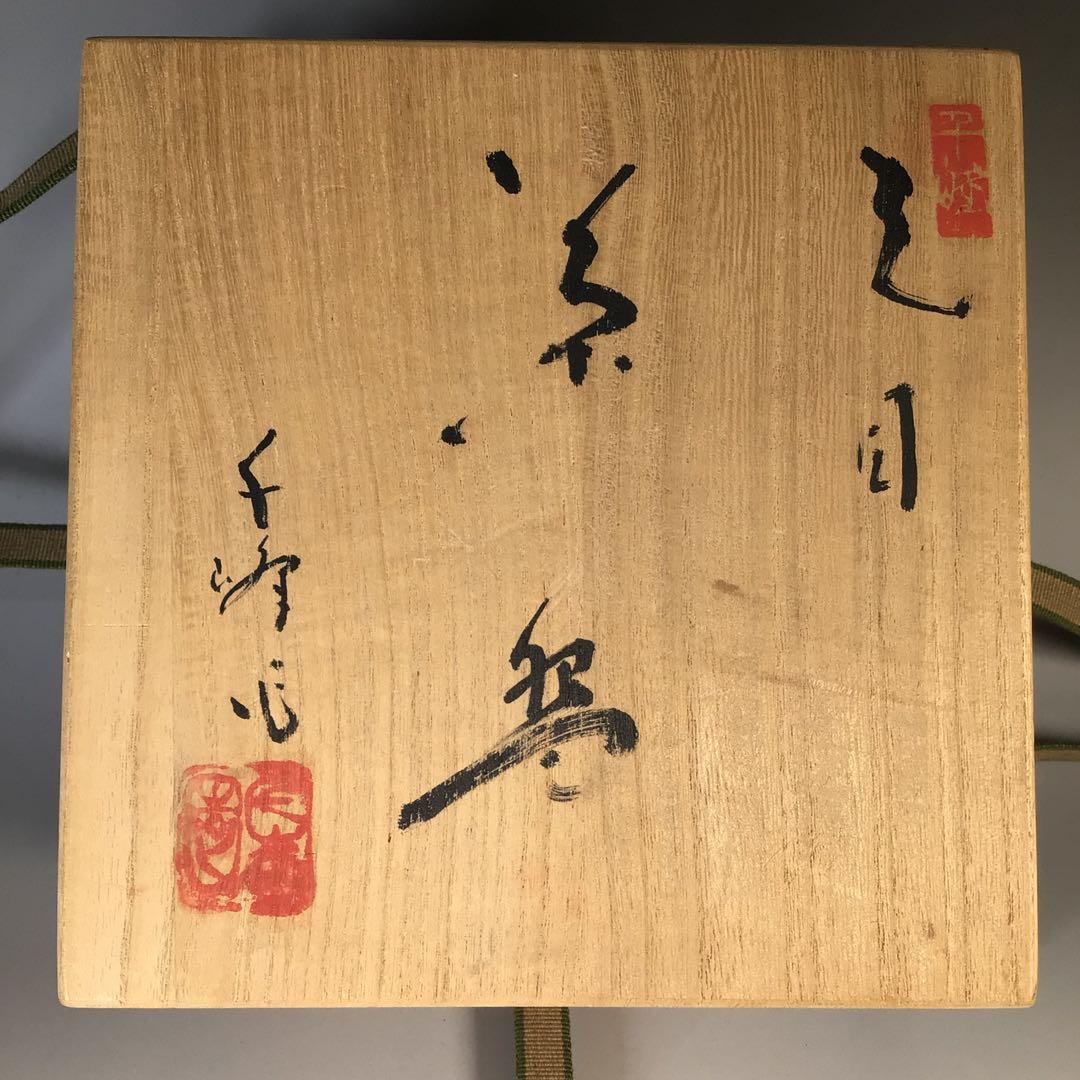
• Box: Signed tomobako with artist inscription and two seals (共箱)
• Condition: Good — minor staining around foot area
━━━━━━━━━━━━━━━━━━━━
🔹 [ CULTURAL & ARTISTIC INSIGHT ]
This tea bowl represents an inventive dialogue between two of the most venerated ceramic traditions in East Asian history: ko-sometsuke (old blue-and-white) and tenmoku. Kato Mineo has merged the deep cobalt vocabulary of Ming dynasty sometsuke with the classical tenmoku form, creating a piece that exists at the intersection of two profound lineages.
Ko-sometsuke—literally "old blue-and-white"—refers to Chinese porcelain from the late Ming Tianqi and Chongzhen periods (1621–1644) that was specifically commissioned by Japanese tea masters. These pieces were prized for their spontaneous, sometimes imperfect brushwork that resonated with wabi-sabi sensibility. In Kato’s reinterpretation, the cobalt is not used for figurative painting but as a full-body glaze, with white slip dripped freely over the surface to create cascading vertical lines reminiscent of rain or waterfall.
The wide, shallow form follows the tenmoku template—a shape designed to cradle matcha and present it to the drinker as an offering of color against depth. Here, the vivid blue replaces the traditional black, while the dripping white patterns introduce an element of controlled spontaneity that speaks directly to the tea ceremony’s embrace of the unplanned.
*"Blue holds the memory of distance—between mountain and sky, between intention and the moment the brush releases."*
━━━━━━━━━━━━━━━━━━━━
🔹 [ DEEP-DIVE COMMENTARY ]
**The Ko-Sometsuke Heritage**: Ko-sometsuke occupies a paradoxical position in Japanese tea culture—these were Chinese export wares, yet they were embraced as embodying Japanese aesthetic values more fully than many domestic productions. Tea masters of the early Edo period treasured their loose brushwork and kiln accidents as expressions of naturalness (shizen). Contemporary Japanese potters who work in this tradition are not merely copying Chinese originals but extending a conversation that has spanned four centuries.
**Technical Approach**: The deep cobalt blue is achieved through a cobalt oxide wash applied over the white clay body, creating a rich monochrome ground. Before the final firing, white slip is dripped from above, creating the dramatic vertical lines that cascade down the bowl’s exterior. The technique requires precise timing—the slip must be applied when the cobalt layer has reached exactly the right consistency to accept but not absorb the drip.
**The Sempo Kiln**: Kato Mineo’s Sempo Kiln represents a lineage of potters committed to interpreting classical forms through individual vision. The kiln name 千峰 (Thousand Peaks) suggests aspiration toward the breadth of ceramic tradition—each peak a different style mastered, each bowl a new summit reached.
**In Practice**: The pale interior provides an ideal backdrop for matcha, while the deep blue exterior transforms the act of holding the bowl into an experience of depth. The white drip lines create natural grip texture, merging form and function with characteristic Japanese pragmatism.
━━━━━━━━━━━━━━━━━━━━
🔹 [ 日本語解説 ]
【基本情報】
• 作家:加藤峰夫(千峰窯)
• 技法:古染付天目(コバルト釉+白化粧土流し掛け)
• 時代:現代(平成期)
• 産地:日本(千峰窯)
• 寸法:高さ約6.5cm、口径約12.5cm
• 付属:共箱(作家署名・朱印二顫)
• 状態:良好——高台周りに軽微な汚れあり
【解説】
古染付と天目——東アジア陶磁史における二つの巨峰を融合させた独創的な茶碗である。古染付は明末の天啓・崇禎年間(1621〔1644)に日本の茶人が特注した中国磁器であり、その自由な筆致が例宗の侶寂の美意識と共鳴した。
加藤峰夫氏は、コバルトを絵付けではなく全体釉として用い、白化粧土を自由に流し掛けることで、滨布や雨を連想させる垂直の白線を生み出している。制御された偶然性——茶の湯が愛する「計算された自然さ」の体現である。
浅めの広口形は天目の古典的フォルムを踏まえつつ、深い紺の外壁と淡い緑白の内側の対比が美しい。抹茶を点てた際、内側の緑白の釉が茶の緑を柔らかく受け止め、外側の紺が手の中に深さをもたらす。
━━━━━━━━━━━━━━━━━━━━
🔹 [ SHIPPING & PACKAGING ]
• Dispatch: Within 1-6 business days
• Carrier: Japan Post EMS / UPS (with tracking)
• Packaging: Carefully wrapped with protective materials
*Between blue and white, between control and release—the space where tea finds its truest vessel.*
━━━━━━━━━━━━━━━━━━━━
🔹 [ BASIC DETAILS ]
• Artist: Kato Mineo (加藤峰夫) — Sempo Kiln (千峰窯)
• Technique: Ko-sometsuke (古染付) blue-and-white glaze on tenmoku form
• Era: Contemporary (Heisei period)
• Origin: Japan (Sempo Kiln / 千峰窯)
• Dimensions: Height approx. 6.5 cm (2.6 in), Diameter approx. 12.5 cm (4.9 in)
• Box: Signed tomobako with artist inscription and two seals (共箱)
• Condition: Good — minor staining around foot area
━━━━━━━━━━━━━━━━━━━━
🔹 [ CULTURAL & ARTISTIC INSIGHT ]
This tea bowl represents an inventive dialogue between two of the most venerated ceramic traditions in East Asian history: ko-sometsuke (old blue-and-white) and tenmoku. Kato Mineo has merged the deep cobalt vocabulary of Ming dynasty sometsuke with the classical tenmoku form, creating a piece that exists at the intersection of two profound lineages.
Ko-sometsuke—literally "old blue-and-white"—refers to Chinese porcelain from the late Ming Tianqi and Chongzhen periods (1621–1644) that was specifically commissioned by Japanese tea masters. These pieces were prized for their spontaneous, sometimes imperfect brushwork that resonated with wabi-sabi sensibility. In Kato’s reinterpretation, the cobalt is not used for figurative painting but as a full-body glaze, with white slip dripped freely over the surface to create cascading vertical lines reminiscent of rain or waterfall.
The wide, shallow form follows the tenmoku template—a shape designed to cradle matcha and present it to the drinker as an offering of color against depth. Here, the vivid blue replaces the traditional black, while the dripping white patterns introduce an element of controlled spontaneity that speaks directly to the tea ceremony’s embrace of the unplanned.
*"Blue holds the memory of distance—between mountain and sky, between intention and the moment the brush releases."*
━━━━━━━━━━━━━━━━━━━━
🔹 [ DEEP-DIVE COMMENTARY ]
**The Ko-Sometsuke Heritage**: Ko-sometsuke occupies a paradoxical position in Japanese tea culture—these were Chinese export wares, yet they were embraced as embodying Japanese aesthetic values more fully than many domestic productions. Tea masters of the early Edo period treasured their loose brushwork and kiln accidents as expressions of naturalness (shizen). Contemporary Japanese potters who work in this tradition are not merely copying Chinese originals but extending a conversation that has spanned four centuries.
**Technical Approach**: The deep cobalt blue is achieved through a cobalt oxide wash applied over the white clay body, creating a rich monochrome ground. Before the final firing, white slip is dripped from above, creating the dramatic vertical lines that cascade down the bowl’s exterior. The technique requires precise timing—the slip must be applied when the cobalt layer has reached exactly the right consistency to accept but not absorb the drip.
**The Sempo Kiln**: Kato Mineo’s Sempo Kiln represents a lineage of potters committed to interpreting classical forms through individual vision. The kiln name 千峰 (Thousand Peaks) suggests aspiration toward the breadth of ceramic tradition—each peak a different style mastered, each bowl a new summit reached.
**In Practice**: The pale interior provides an ideal backdrop for matcha, while the deep blue exterior transforms the act of holding the bowl into an experience of depth. The white drip lines create natural grip texture, merging form and function with characteristic Japanese pragmatism.
━━━━━━━━━━━━━━━━━━━━
🔹 [ 日本語解説 ]
【基本情報】
• 作家:加藤峰夫(千峰窯)
• 技法:古染付天目(コバルト釉+白化粧土流し掛け)
• 時代:現代(平成期)
• 産地:日本(千峰窯)
• 寸法:高さ約6.5cm、口径約12.5cm
• 付属:共箱(作家署名・朱印二顫)
• 状態:良好——高台周りに軽微な汚れあり
【解説】
古染付と天目——東アジア陶磁史における二つの巨峰を融合させた独創的な茶碗である。古染付は明末の天啓・崇禎年間(1621〔1644)に日本の茶人が特注した中国磁器であり、その自由な筆致が例宗の侶寂の美意識と共鳴した。
加藤峰夫氏は、コバルトを絵付けではなく全体釉として用い、白化粧土を自由に流し掛けることで、滨布や雨を連想させる垂直の白線を生み出している。制御された偶然性——茶の湯が愛する「計算された自然さ」の体現である。
浅めの広口形は天目の古典的フォルムを踏まえつつ、深い紺の外壁と淡い緑白の内側の対比が美しい。抹茶を点てた際、内側の緑白の釉が茶の緑を柔らかく受け止め、外側の紺が手の中に深さをもたらす。
━━━━━━━━━━━━━━━━━━━━
🔹 [ SHIPPING & PACKAGING ]
• Dispatch: Within 1-6 business days
• Carrier: Japan Post EMS / UPS (with tracking)
• Packaging: Carefully wrapped with protective materials
*Between blue and white, between control and release—the space where tea finds its truest vessel.*
Quantity
Couldn't load pickup availability
Low stock: 1 left
View full details