1
/
of
10
Ko-Hagi Iron Spot Chawan - Old-Style Hagi Ware Tea Bowl with Signed Box
Ko-Hagi Iron Spot Chawan - Old-Style Hagi Ware Tea Bowl with Signed Box
Regular price
Dhs. 781.00 AED
Regular price
Sale price
Dhs. 781.00 AED
Taxes included.
Shipping calculated at checkout.
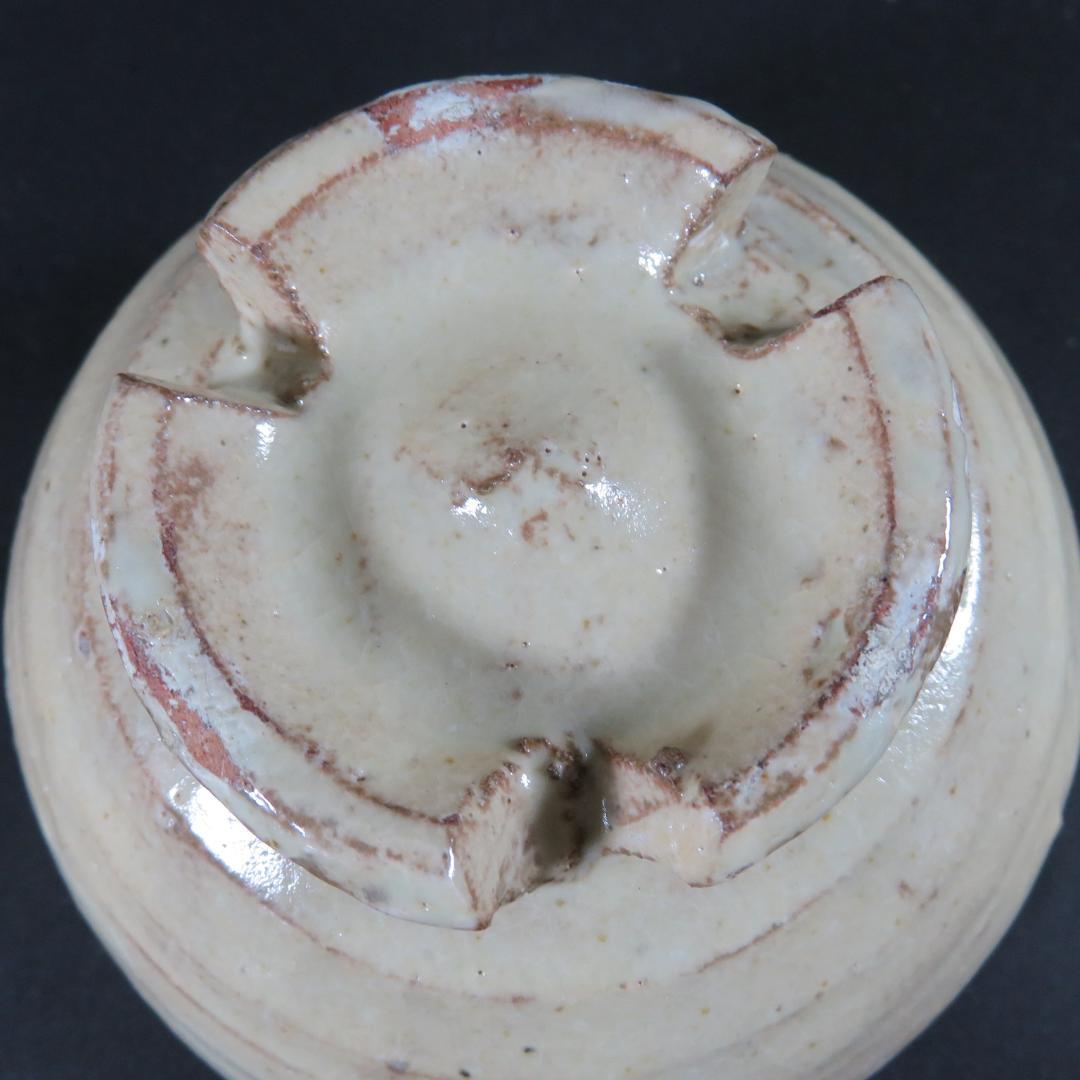
Experience authentic Japanese tea ceremony ceramics with this Ko-Hagi Iron Spot Chawan. This Old-Style Tea Bowl serves as a Hagi Ware Chawan and Ko-Hagi Ceramic, featuring Iron Spot Decoration and White Feldspar Glaze—a must-have for any Tea Collector seeking Wabi Sabi Tea Bowls and Japanese Pottery Art.
━━━━━━━━━━━━━━━━━━━━
🔹 [ BASIC DETAILS ]
• Artist: Signed artist (作家物)
• Technique: Ko-Hagi white glaze with iron spots (tetsuhan)
• Era: Contemporary (Heisei–Reiwa period)
• Origin: Hagi, Yamaguchi Prefecture, Japan
• Dimensions: 13 cm diameter × 8 cm height (5.1" × 3.1")
• Box: Tomobako (signed wooden box)
• Condition: Excellent – no chips, cracks, or repairs
━━━━━━━━━━━━━━━━━━━━
🔹 [ CULTURAL & ARTISTIC INSIGHT ]
Ko-Hagi (古萩) translates to "old Hagi"—a deliberate recreation of the aesthetic principles that defined early Hagi ware from 400 years ago. This bowl carries the weight of intention found in Japan's most revered tea ceramics.
The pinkish-brown iron spots (鉄斑, tetsuhan) emerge where iron in the clay migrates through the white feldspar glaze during firing. These spots are not decoration—they are evidence of the clay speaking through the glaze, the kiln's voice in dialogue with mineral content. Hagi ware is famed for "seven transformations" (nanabake/七化け)—the glaze's slow evolution through years of tea use. The visible crazing (kannyu/貫入) creates pathways where tea gradually stains the clay, deepening the bowl's character with each ceremony.
*"Iron remembers fire. White clay carries the memory forward."*
━━━━━━━━━━━━━━━━━━━━
🔹 [ DEEP-DIVE COMMENTARY ]
**The Ko-Hagi Tradition**: The Ko-Hagi designation places this bowl in conversation with early Edo period masters. While contemporary in making, its aesthetic inheritance reaches back to when Korean potters first established Hagi kilns in Yamaguchi Prefecture under feudal lord Mouri Terumoto after the Korean campaigns of the 1590s.
**Iron Spots as Signature**: The iron spots create visual rhythm without symmetry, each mark a singular event in the firing. Where iron concentrations in the Daido clay are higher, the spots emerge more prominently—warm pinkish-brown against the cool white glaze. This effect cannot be precisely controlled, making each Ko-Hagi bowl unique in its pattern.
**Aesthetic Philosophy**: What distinguishes Ko-Hagi from standard Hagi ware is this intentional embrace of imperfection as the highest refinement. The spots that might be considered flaws in other ceramic traditions become the bowl's identity—evidence of honest materials meeting intense heat.
**Seven Transformations**: As this bowl is used for tea, the crazing network will slowly absorb matcha, creating a gradual patina. The iron spots will become more pronounced against the changing background. In five or ten years, this bowl will look nothing like it does today—and that transformation is the point.
━━━━━━━━━━━━━━━━━━━━
🔹 [ 日本語解説 ]
【基本情報】
• 技法:古萩写し・鉄斑
• 時代:現代(平成〜令和)
• 産地:山口県萩
• 寸法:口径13cm × 高さ8cm
• 付属:共箱
• 状態:良好
【解説】
古萩写しの茶碗です。長石釉の白い肌に鉄斑が浮き出る景色は、古い時代の萩焼の意匠を意識的に再現したものです。
萩焼特有の貫入が見られ、使い込むほどに茶が浸透し、味わいを深める「七化け」の素地を持ちます。鉄斑は装飾ではなく、土に含まれる鉄分が釉薬を通して表面に現れた自然の表情です。古萩の美学は、完璧ではなく誠実であることに価値を置きます。共箱付き、作家による銘あり。
━━━━━━━━━━━━━━━━━━━━
🔹 [ SHIPPING & PACKAGING ]
• Dispatch: Within 1-6 business days
• Carrier: Japan Post EMS / UPS (with tracking)
• Packaging: Carefully wrapped with protective materials
*Clay remembers. Iron rises through white. Each use writes history.*
━━━━━━━━━━━━━━━━━━━━
🔹 [ BASIC DETAILS ]
• Artist: Signed artist (作家物)
• Technique: Ko-Hagi white glaze with iron spots (tetsuhan)
• Era: Contemporary (Heisei–Reiwa period)
• Origin: Hagi, Yamaguchi Prefecture, Japan
• Dimensions: 13 cm diameter × 8 cm height (5.1" × 3.1")
• Box: Tomobako (signed wooden box)
• Condition: Excellent – no chips, cracks, or repairs
━━━━━━━━━━━━━━━━━━━━
🔹 [ CULTURAL & ARTISTIC INSIGHT ]
Ko-Hagi (古萩) translates to "old Hagi"—a deliberate recreation of the aesthetic principles that defined early Hagi ware from 400 years ago. This bowl carries the weight of intention found in Japan's most revered tea ceramics.
The pinkish-brown iron spots (鉄斑, tetsuhan) emerge where iron in the clay migrates through the white feldspar glaze during firing. These spots are not decoration—they are evidence of the clay speaking through the glaze, the kiln's voice in dialogue with mineral content. Hagi ware is famed for "seven transformations" (nanabake/七化け)—the glaze's slow evolution through years of tea use. The visible crazing (kannyu/貫入) creates pathways where tea gradually stains the clay, deepening the bowl's character with each ceremony.
*"Iron remembers fire. White clay carries the memory forward."*
━━━━━━━━━━━━━━━━━━━━
🔹 [ DEEP-DIVE COMMENTARY ]
**The Ko-Hagi Tradition**: The Ko-Hagi designation places this bowl in conversation with early Edo period masters. While contemporary in making, its aesthetic inheritance reaches back to when Korean potters first established Hagi kilns in Yamaguchi Prefecture under feudal lord Mouri Terumoto after the Korean campaigns of the 1590s.
**Iron Spots as Signature**: The iron spots create visual rhythm without symmetry, each mark a singular event in the firing. Where iron concentrations in the Daido clay are higher, the spots emerge more prominently—warm pinkish-brown against the cool white glaze. This effect cannot be precisely controlled, making each Ko-Hagi bowl unique in its pattern.
**Aesthetic Philosophy**: What distinguishes Ko-Hagi from standard Hagi ware is this intentional embrace of imperfection as the highest refinement. The spots that might be considered flaws in other ceramic traditions become the bowl's identity—evidence of honest materials meeting intense heat.
**Seven Transformations**: As this bowl is used for tea, the crazing network will slowly absorb matcha, creating a gradual patina. The iron spots will become more pronounced against the changing background. In five or ten years, this bowl will look nothing like it does today—and that transformation is the point.
━━━━━━━━━━━━━━━━━━━━
🔹 [ 日本語解説 ]
【基本情報】
• 技法:古萩写し・鉄斑
• 時代:現代(平成〜令和)
• 産地:山口県萩
• 寸法:口径13cm × 高さ8cm
• 付属:共箱
• 状態:良好
【解説】
古萩写しの茶碗です。長石釉の白い肌に鉄斑が浮き出る景色は、古い時代の萩焼の意匠を意識的に再現したものです。
萩焼特有の貫入が見られ、使い込むほどに茶が浸透し、味わいを深める「七化け」の素地を持ちます。鉄斑は装飾ではなく、土に含まれる鉄分が釉薬を通して表面に現れた自然の表情です。古萩の美学は、完璧ではなく誠実であることに価値を置きます。共箱付き、作家による銘あり。
━━━━━━━━━━━━━━━━━━━━
🔹 [ SHIPPING & PACKAGING ]
• Dispatch: Within 1-6 business days
• Carrier: Japan Post EMS / UPS (with tracking)
• Packaging: Carefully wrapped with protective materials
*Clay remembers. Iron rises through white. Each use writes history.*
Quantity
Couldn't load pickup availability
Out of stock
View full details