1
/
of
8
Kiseto Matcha Bowl by Tsukimura Masahiko — Mino Amber Glaze, Tanpan Spot, Signed Wooden Box
Kiseto Matcha Bowl by Tsukimura Masahiko — Mino Amber Glaze, Tanpan Spot, Signed Wooden Box
Regular price
Dhs. 509.00 AED
Regular price
Sale price
Dhs. 509.00 AED
Taxes included.
Shipping calculated at checkout.
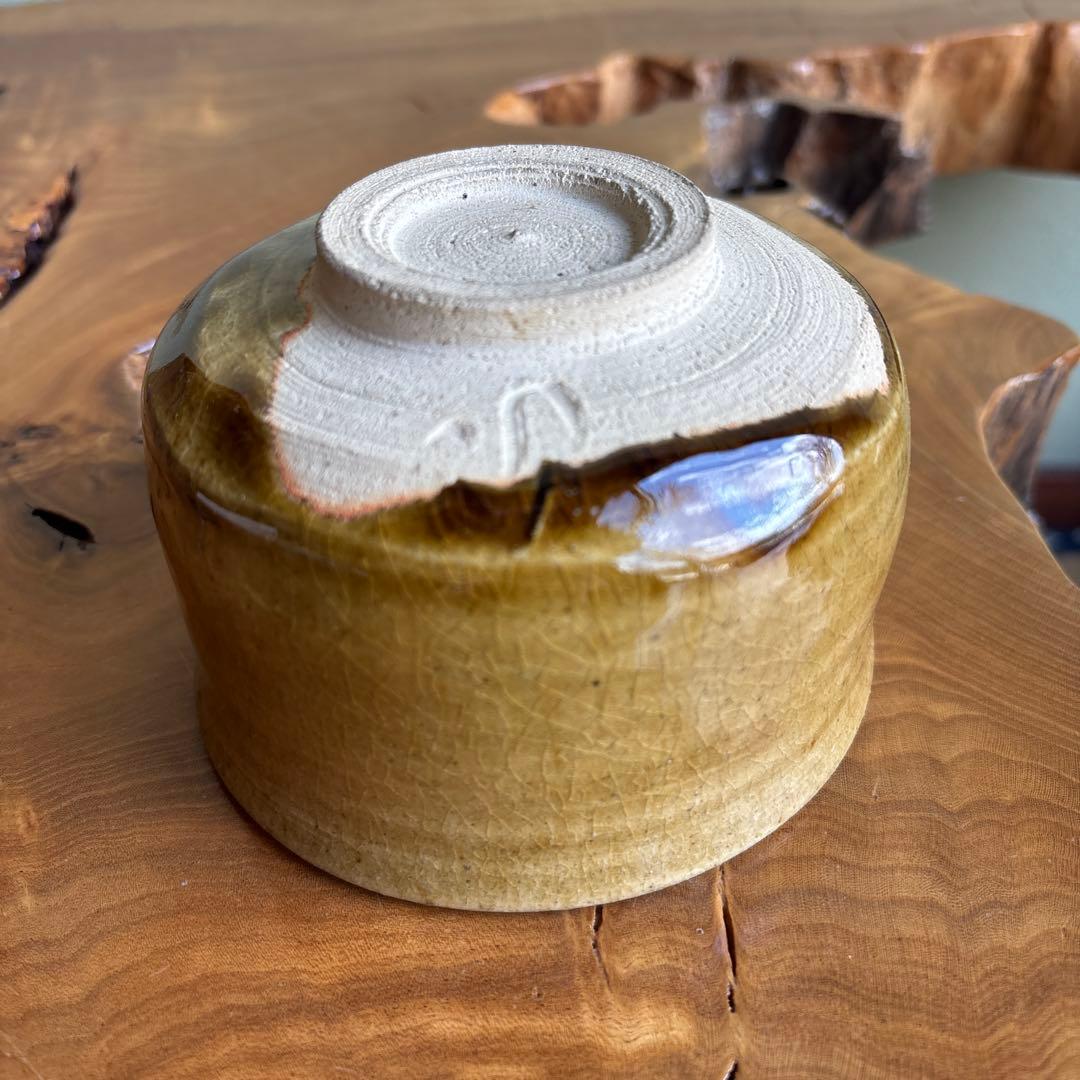
Experience Authentic Japan Art with this Mino Kiseto Matcha Bowl. This Japanese Tea Bowl serves as a Handcrafted Chawan and Kiseto Pottery, featuring Amber Honey Glaze and Tanpan Green Spot—a must-have for any Art Collector.
🔹 [ BASIC DETAILS ]
• Artist: Tsukimura Masahiko (月村正比古), Mino Kiseto potter
• Technique: Kiseto abura-age-de glaze (油揚手) with tanpan copper-sulfate spot (胆礬)
• Era: 2000s–2010s (contemporary)
• Origin: Mino, Gifu Prefecture, Japan
• Dimensions: Height approx. 8 cm, Diameter approx. 12 cm
• Box: Signed wooden tomobako with artist's brushwork inscription (共箱・箱書あり)
• Condition: Excellent. No chips, cracks, or repairs. Natural kiln variation throughout.
🔹 [ CULTURAL & ARTISTIC INSIGHT ]
Kiseto — Yellow Seto — is one of the oldest and most quietly revered glaze traditions in Japanese ceramics. Born in the Mino kilns of present-day Gifu Prefecture during the Momoyama period, it was the first native Japanese glaze to achieve the warm, oxidized amber that earlier potters had sought only in imported wares from the Asian continent.
This bowl carries the full vocabulary of that tradition. The abura-age-de surface — named for the matte, pored texture of deep-fried tofu — appears in the honey-amber field that covers the body. It is not a smooth finish. It breathes. Light enters and does not return in the same form.
The tanpan spot — applied copper sulfate before firing, volatilizing in the kiln's heat — blooms here as a single dark mark: olive green at its edge, deepening toward near-indigo at its pooled center. In Kiseto, such a mark is not decoration. It is the kiln's own decision. The potter places it. The fire completes it.
The kannyu crackle network — fine, even, intimate — covers the entire surface. Over years of tea, these lines will deepen. The bowl changes with use. Presence accumulates.
"The amber holds summer light. The dark mark holds autumn rain. Both arrived in the same fire."
🔹 [ DEEP-DIVE COMMENTARY ]
Kiseto ware (黄瀬戸焼) emerged as a distinct style in the Mino region — present-day southern Gifu Prefecture — during the late Muromachi and early Momoyama periods (late 15th to early 17th century). It was one of the first Japanese ceramics to achieve a warm oxidized yellow without relying on Chinese models, and it became foundational to the wabi-cha aesthetic championed by Sen no Rikyu and his circle.
The abura-age-de (油揚手, literally "deep-fried tofu hand") surface type is achieved through a specific combination of feldspar-rich clay body, thin ash-based glaze application, and moderate oxidation firing. The result is a slightly porous, matte-to-satin surface that resembles the texture of fried tofu — warm, irregular, absorptive of light rather than reflective. This quality makes abura-age-de bowls feel intimate in the hand: not assertive, not performative.
The tanpan (胆礬, copper sulfate) spots distinctive to Kiseto are applied to the raw-glazed surface before firing. Copper compounds volatilize at kiln temperatures and settle into the amber glaze field as pools of green — ranging from pale celadon to deep blue-green, depending on firing atmosphere and local temperature. In this bowl, the spot has concentrated into a dramatic dark mark that anchors the bowl's visual weight to one side, creating the asymmetrical landscape prized in chado aesthetics.
Tsukimura Masahiko works within the Mino Kiseto tradition as a contemporary studio potter, continuing the technical vocabulary of Momoyama-period originals while working in a personal register. The signed tomobako confirms the work as presented — the brushwork inscription on the box lid identifies both the piece and the artist's authorship, a documentation standard essential for collectors.
For practitioners of chado, a Kiseto chawan occupies a particular position in the seasonal rotation: associated with autumn and winter, its amber warmth reads as the last light of the year. The tanpan mark adds a counterpoint — something darker, quieter — that deepens the bowl's emotional register beyond decoration.
🔹 [ JAPANESE DESCRIPTION / 日本語解説 ]
【基本仕様】
• 作家:月村正比古(美濃・黄瀬戸陶芸家)
• 技法:黄瀬戸 油揚手釉薬 + 胆礬(たんぱん)緑斑
• 年代:2000年代〜2010年代(現代作品)
• 産地:岐阜県・美濃
• 寸法:高さ約8cm、口径約12cm
• 箱:共箱・箱書あり(作家自筆)
• 状態:良好。欠け・割れ・金継ぎなし。窯変による自然な景色あり。
【景色と美意識】
黄瀬戸は、桃山時代に美濃の地で生まれた日本固有の釉薬様式のひとつです。大陸からの輸入陶磁に頼らず、日本の土と灰釉だけで琥珀色を焼き出した最初の試みとして、茶陶の歴史に深く刻まれています。
この茶碗の肌は、油揚手と呼ばれる質感を持ちます。豆腐を揚げたときのような、微細な凹凸と温かみのある艶が特徴で、光を吸い込むように受け止めます。反射ではなく、含有。その静けさが、手に持ったときの重みとともに伝わってきます。
胆礬の緑斑は、焼成前に硫酸銅を素地に塗布し、窯の熱で揮発・定着させたものです。この茶碗では、斑は深い藍緑色の景色として結晶し、琥珀色の地に強いコントラストを刻んでいます。作者が置き、炎が決めた。それ以上でも、それ以下でもありません。
細かな貫入(かんにゅう)が全面を覆い、使い込むほどに色が入り、時間の記録が積み重なります。
【ディープダイブ解説】
黄瀬戸焼は室町末期から桃山期にかけて美濃の窯で確立された様式で、千利休をはじめとする茶人たちに深く愛されてきました。油揚手釉薬は、長石質の素地と薄い灰釉の組み合わせにより、酸化焼成で生まれる独特の質感です。艶があるようで艶がない、その境界にある表情が、茶碗としての格を高めます。
胆礬の斑文は、桃山黄瀬戸の代表的な装飾要素であり、焼成の偶然性を積極的に取り込む不完全の美の体現です。斑の色調は窯の温度と雰囲気によって淡緑から深藍まで変化し、同じ景色は二度と生まれません。
月村正比古は現代作家として美濃・黄瀬戸の技法的語彙を継承しながら、独自の造形表現を追求しています。共箱・箱書の存在は、作品の来歴と作家の証明として、コレクションの文脈においても重要な意味を持ちます。
茶道における黄瀬戸茶碗は、秋冬の取り合わせに置かれることが多く、その琥珀色は年の暮れの光を想わせます。胆礬の暗い斑は、その光のなかに宿る翳りです。
🔹 [ SHIPPING & PACKAGING ]
• Dispatch: Within 1-6 business days
• Carrier: Japan Post EMS / UPS (with tracking)
• Packaging: Carefully wrapped with protective materials
🔹 [ BASIC DETAILS ]
• Artist: Tsukimura Masahiko (月村正比古), Mino Kiseto potter
• Technique: Kiseto abura-age-de glaze (油揚手) with tanpan copper-sulfate spot (胆礬)
• Era: 2000s–2010s (contemporary)
• Origin: Mino, Gifu Prefecture, Japan
• Dimensions: Height approx. 8 cm, Diameter approx. 12 cm
• Box: Signed wooden tomobako with artist's brushwork inscription (共箱・箱書あり)
• Condition: Excellent. No chips, cracks, or repairs. Natural kiln variation throughout.
🔹 [ CULTURAL & ARTISTIC INSIGHT ]
Kiseto — Yellow Seto — is one of the oldest and most quietly revered glaze traditions in Japanese ceramics. Born in the Mino kilns of present-day Gifu Prefecture during the Momoyama period, it was the first native Japanese glaze to achieve the warm, oxidized amber that earlier potters had sought only in imported wares from the Asian continent.
This bowl carries the full vocabulary of that tradition. The abura-age-de surface — named for the matte, pored texture of deep-fried tofu — appears in the honey-amber field that covers the body. It is not a smooth finish. It breathes. Light enters and does not return in the same form.
The tanpan spot — applied copper sulfate before firing, volatilizing in the kiln's heat — blooms here as a single dark mark: olive green at its edge, deepening toward near-indigo at its pooled center. In Kiseto, such a mark is not decoration. It is the kiln's own decision. The potter places it. The fire completes it.
The kannyu crackle network — fine, even, intimate — covers the entire surface. Over years of tea, these lines will deepen. The bowl changes with use. Presence accumulates.
"The amber holds summer light. The dark mark holds autumn rain. Both arrived in the same fire."
🔹 [ DEEP-DIVE COMMENTARY ]
Kiseto ware (黄瀬戸焼) emerged as a distinct style in the Mino region — present-day southern Gifu Prefecture — during the late Muromachi and early Momoyama periods (late 15th to early 17th century). It was one of the first Japanese ceramics to achieve a warm oxidized yellow without relying on Chinese models, and it became foundational to the wabi-cha aesthetic championed by Sen no Rikyu and his circle.
The abura-age-de (油揚手, literally "deep-fried tofu hand") surface type is achieved through a specific combination of feldspar-rich clay body, thin ash-based glaze application, and moderate oxidation firing. The result is a slightly porous, matte-to-satin surface that resembles the texture of fried tofu — warm, irregular, absorptive of light rather than reflective. This quality makes abura-age-de bowls feel intimate in the hand: not assertive, not performative.
The tanpan (胆礬, copper sulfate) spots distinctive to Kiseto are applied to the raw-glazed surface before firing. Copper compounds volatilize at kiln temperatures and settle into the amber glaze field as pools of green — ranging from pale celadon to deep blue-green, depending on firing atmosphere and local temperature. In this bowl, the spot has concentrated into a dramatic dark mark that anchors the bowl's visual weight to one side, creating the asymmetrical landscape prized in chado aesthetics.
Tsukimura Masahiko works within the Mino Kiseto tradition as a contemporary studio potter, continuing the technical vocabulary of Momoyama-period originals while working in a personal register. The signed tomobako confirms the work as presented — the brushwork inscription on the box lid identifies both the piece and the artist's authorship, a documentation standard essential for collectors.
For practitioners of chado, a Kiseto chawan occupies a particular position in the seasonal rotation: associated with autumn and winter, its amber warmth reads as the last light of the year. The tanpan mark adds a counterpoint — something darker, quieter — that deepens the bowl's emotional register beyond decoration.
🔹 [ JAPANESE DESCRIPTION / 日本語解説 ]
【基本仕様】
• 作家:月村正比古(美濃・黄瀬戸陶芸家)
• 技法:黄瀬戸 油揚手釉薬 + 胆礬(たんぱん)緑斑
• 年代:2000年代〜2010年代(現代作品)
• 産地:岐阜県・美濃
• 寸法:高さ約8cm、口径約12cm
• 箱:共箱・箱書あり(作家自筆)
• 状態:良好。欠け・割れ・金継ぎなし。窯変による自然な景色あり。
【景色と美意識】
黄瀬戸は、桃山時代に美濃の地で生まれた日本固有の釉薬様式のひとつです。大陸からの輸入陶磁に頼らず、日本の土と灰釉だけで琥珀色を焼き出した最初の試みとして、茶陶の歴史に深く刻まれています。
この茶碗の肌は、油揚手と呼ばれる質感を持ちます。豆腐を揚げたときのような、微細な凹凸と温かみのある艶が特徴で、光を吸い込むように受け止めます。反射ではなく、含有。その静けさが、手に持ったときの重みとともに伝わってきます。
胆礬の緑斑は、焼成前に硫酸銅を素地に塗布し、窯の熱で揮発・定着させたものです。この茶碗では、斑は深い藍緑色の景色として結晶し、琥珀色の地に強いコントラストを刻んでいます。作者が置き、炎が決めた。それ以上でも、それ以下でもありません。
細かな貫入(かんにゅう)が全面を覆い、使い込むほどに色が入り、時間の記録が積み重なります。
【ディープダイブ解説】
黄瀬戸焼は室町末期から桃山期にかけて美濃の窯で確立された様式で、千利休をはじめとする茶人たちに深く愛されてきました。油揚手釉薬は、長石質の素地と薄い灰釉の組み合わせにより、酸化焼成で生まれる独特の質感です。艶があるようで艶がない、その境界にある表情が、茶碗としての格を高めます。
胆礬の斑文は、桃山黄瀬戸の代表的な装飾要素であり、焼成の偶然性を積極的に取り込む不完全の美の体現です。斑の色調は窯の温度と雰囲気によって淡緑から深藍まで変化し、同じ景色は二度と生まれません。
月村正比古は現代作家として美濃・黄瀬戸の技法的語彙を継承しながら、独自の造形表現を追求しています。共箱・箱書の存在は、作品の来歴と作家の証明として、コレクションの文脈においても重要な意味を持ちます。
茶道における黄瀬戸茶碗は、秋冬の取り合わせに置かれることが多く、その琥珀色は年の暮れの光を想わせます。胆礬の暗い斑は、その光のなかに宿る翳りです。
🔹 [ SHIPPING & PACKAGING ]
• Dispatch: Within 1-6 business days
• Carrier: Japan Post EMS / UPS (with tracking)
• Packaging: Carefully wrapped with protective materials
Quantity
Couldn't load pickup availability
Low stock: 1 left
View full details