1
/
of
19
Kinjo Ware Natural Ash Glaze Tea Bowl by Komaru Kentaro - Arako Kiln Nagoya
Kinjo Ware Natural Ash Glaze Tea Bowl by Komaru Kentaro - Arako Kiln Nagoya
Regular price
Dhs. 1,035.00 AED
Regular price
Sale price
Dhs. 1,035.00 AED
Taxes included.
Shipping calculated at checkout.
Experience authentic Japanese ceramic art with this Kinjo Ware Natural Ash Glaze Tea Bowl. This Japanese Tea Bowl serves as a Komaru Kentaro masterwork and Matcha Tea Chawan, featuring Kiln Transformation aesthetics and Wood Fired Pottery tradition—a must-have for any Art Collector seeking Nagoya Pottery and Contemporary Tea Art from the Arako Kiln.
━━━━━━━━━━━━━━━━━━━━
🔹 [ BASIC DETAILS ]
• Artist: Komaru Kentaro (古丸健太郎)
• Technique: Natural ash glaze with kiln transformation (shizen-yu yohen)
• Era: Contemporary (Heisei–Reiwa period)
• Origin: Arako kiln, Nagoya, Aichi Prefecture
• Dimensions: Height approx. 7 cm (2.8 in), Diameter approx. 14 cm (5.5 in)
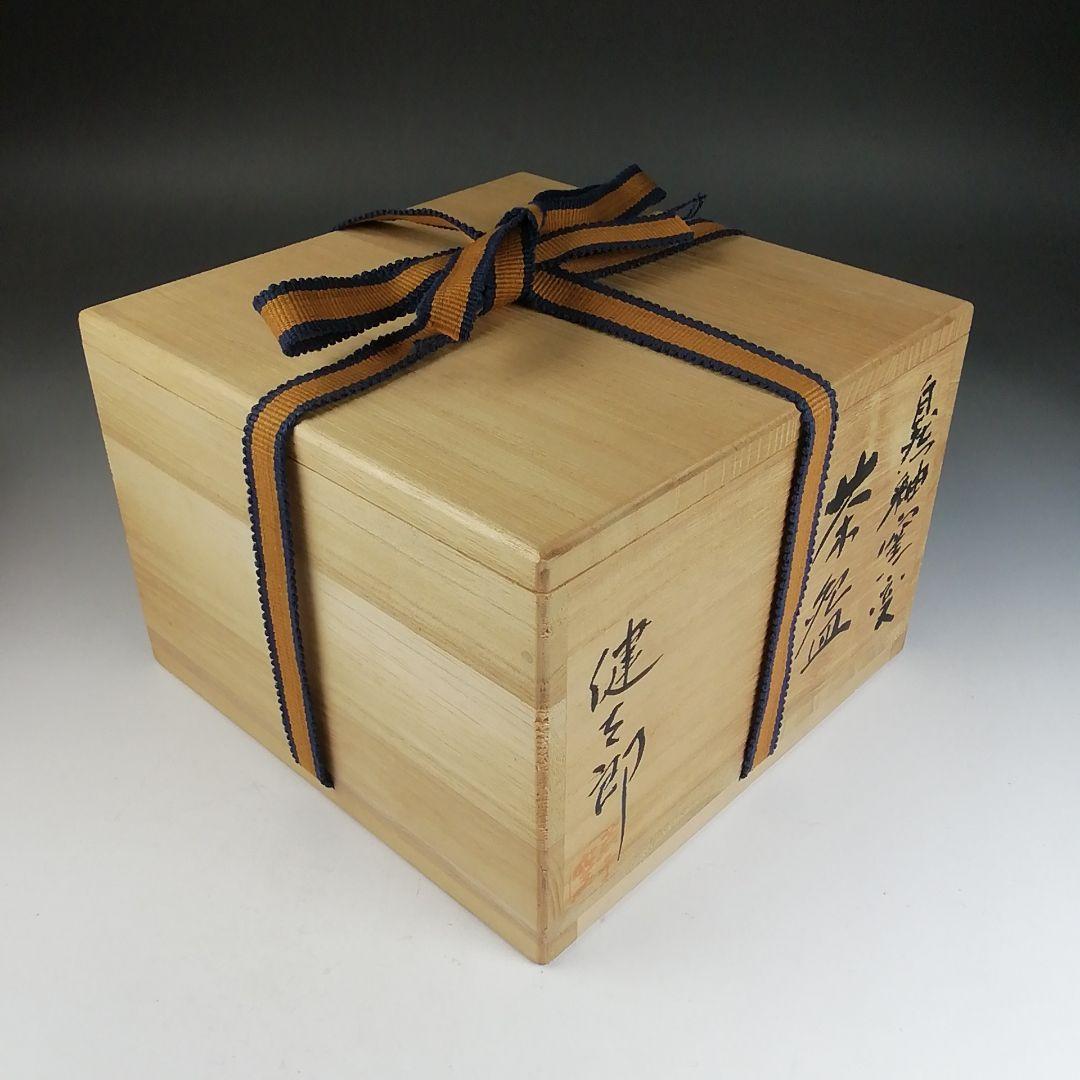
• Box: Signed wooden box (tomobako) with artist signature
• Condition: Excellent — no chips or cracks
━━━━━━━━━━━━━━━━━━━━
🔹 [ CULTURAL & ARTISTIC INSIGHT ]
Kinjo-yaki (金城焼) from Nagoya carries a distinct identity within Japanese ceramics — neither as refined as Kyoto ware nor as rustic as folk pottery, it occupies a middle ground where technical skill meets earthy authenticity. The Arako kiln lineage has maintained wood-firing traditions that allow natural ash to settle and melt onto clay surfaces during extended kiln sessions, creating glazes that cannot be replicated through controlled application.
Komaru Kentaro works within this tradition while bringing contemporary sensibility to form and surface. The warm golden-brown gradations across this bowl's exterior result from ash accumulation patterns during firing — areas exposed to heavier ash flow develop deeper amber tones, while protected sections retain the clay's natural warmth. These patterns map the bowl's position within the kiln chamber, creating a visual record of its birth through fire.
The pronounced spiral throwing marks (rokuro-me) visible across the surface represent a deliberate aesthetic choice. Rather than smoothing away evidence of the potter's wheel, Kentaro allows these traces to remain, creating tactile ridges that catch light and engage the hand during use. This approach aligns with broader Japanese ceramic philosophy where process becomes part of presence.
*"The ash does not decorate the clay — it converges with it, leaving evidence of transformation rather than application."*
━━━━━━━━━━━━━━━━━━━━
🔹 [ DEEP-DIVE COMMENTARY ]
**Shizen-Yu (Natural Ash Glaze)**: Unlike glazes mixed and applied by hand, natural ash glazing occurs when wood ash becomes airborne during firing and settles onto clay surfaces. At temperatures exceeding 1200°C, this ash melts and fuses with the clay body, creating glaze effects that vary across each piece. The technique requires extended firing cycles and careful kiln loading to achieve desired results.
**Yohen (Kiln Transformation)**: This term describes color and surface changes that occur unpredictably during firing due to flame path, ash accumulation, and atmospheric conditions within the kiln. The golden-to-brown gradient on this bowl exemplifies yohen — no two areas share identical coloration, and no two firings produce identical results.
**Arako Kiln Lineage**: Located in Nagoya's Arako district, this kiln tradition emerged during the Meiji period and developed alongside the city's industrial growth. While Nagoya became known for mass production, the Arako kilns maintained smaller-scale operations focused on preserving wood-firing methods and natural glazing techniques.
**Tomobako Significance**: The signed wooden box (tomobako) serves as authentication in Japanese ceramic collecting. Komaru Kentaro's signature and seal confirm both authorship and his assessment that this piece met standards worthy of formal presentation. The box inscription typically includes the piece's classification, artist name, and seal impression.
━━━━━━━━━━━━━━━━━━━━
🔹 [ 日本語解説 ]
【基本情報】
• 作家:古丸健太郎
• 技法:自然釉・窯変
• 時代:平成〜令和
• 産地:愛知県名古屋市・荒子窯
• 寸法:高さ約7cm、口径約14cm
• 付属:共箱(作家署名・落款入り)
• 状態:無傷・良好
【解説】
名古屋の荒子窯で制作された自然釉茶碗です。作家・古丸健太郎は、薪窯焼成による伝統的な金城焼の技法を継承しながら、現代的な造形感覚を持ち合わせた陶芸家として知られています。
本作品の最大の見どころは、窯の中で灰が降り積もり、高温で溶けて生まれた自然釉の表情です。金色から茶褐色へと移ろう色調の変化は、炎の道筋と灰の堆積パターンが作り出した、一期一会の景色と言えます。轆轤目を敢えて残した表面には、作り手の手の痕跡が刻まれており、茶碗を手に取った時の触感と視覚的なリズムを生み出しています。
金城焼は、京焼のような洗練とも、民藝的な素朴さとも異なる、独自の立ち位置を持つ焼き物です。荒子窯の系譜は明治期に遡り、名古屋の工業化の波の中でも小規模な薪窯焼成を守り続けてきました。
━━━━━━━━━━━━━━━━━━━━
🔹 [ SHIPPING & PACKAGING ]
• Dispatch: Within 1-6 business days
• Carrier: Japan Post EMS / UPS (with tracking)
• Packaging: Carefully wrapped with protective materials
*Where ash settles, presence accumulates.*
━━━━━━━━━━━━━━━━━━━━
🔹 [ BASIC DETAILS ]
• Artist: Komaru Kentaro (古丸健太郎)
• Technique: Natural ash glaze with kiln transformation (shizen-yu yohen)
• Era: Contemporary (Heisei–Reiwa period)
• Origin: Arako kiln, Nagoya, Aichi Prefecture
• Dimensions: Height approx. 7 cm (2.8 in), Diameter approx. 14 cm (5.5 in)
• Box: Signed wooden box (tomobako) with artist signature
• Condition: Excellent — no chips or cracks
━━━━━━━━━━━━━━━━━━━━
🔹 [ CULTURAL & ARTISTIC INSIGHT ]
Kinjo-yaki (金城焼) from Nagoya carries a distinct identity within Japanese ceramics — neither as refined as Kyoto ware nor as rustic as folk pottery, it occupies a middle ground where technical skill meets earthy authenticity. The Arako kiln lineage has maintained wood-firing traditions that allow natural ash to settle and melt onto clay surfaces during extended kiln sessions, creating glazes that cannot be replicated through controlled application.
Komaru Kentaro works within this tradition while bringing contemporary sensibility to form and surface. The warm golden-brown gradations across this bowl's exterior result from ash accumulation patterns during firing — areas exposed to heavier ash flow develop deeper amber tones, while protected sections retain the clay's natural warmth. These patterns map the bowl's position within the kiln chamber, creating a visual record of its birth through fire.
The pronounced spiral throwing marks (rokuro-me) visible across the surface represent a deliberate aesthetic choice. Rather than smoothing away evidence of the potter's wheel, Kentaro allows these traces to remain, creating tactile ridges that catch light and engage the hand during use. This approach aligns with broader Japanese ceramic philosophy where process becomes part of presence.
*"The ash does not decorate the clay — it converges with it, leaving evidence of transformation rather than application."*
━━━━━━━━━━━━━━━━━━━━
🔹 [ DEEP-DIVE COMMENTARY ]
**Shizen-Yu (Natural Ash Glaze)**: Unlike glazes mixed and applied by hand, natural ash glazing occurs when wood ash becomes airborne during firing and settles onto clay surfaces. At temperatures exceeding 1200°C, this ash melts and fuses with the clay body, creating glaze effects that vary across each piece. The technique requires extended firing cycles and careful kiln loading to achieve desired results.
**Yohen (Kiln Transformation)**: This term describes color and surface changes that occur unpredictably during firing due to flame path, ash accumulation, and atmospheric conditions within the kiln. The golden-to-brown gradient on this bowl exemplifies yohen — no two areas share identical coloration, and no two firings produce identical results.
**Arako Kiln Lineage**: Located in Nagoya's Arako district, this kiln tradition emerged during the Meiji period and developed alongside the city's industrial growth. While Nagoya became known for mass production, the Arako kilns maintained smaller-scale operations focused on preserving wood-firing methods and natural glazing techniques.
**Tomobako Significance**: The signed wooden box (tomobako) serves as authentication in Japanese ceramic collecting. Komaru Kentaro's signature and seal confirm both authorship and his assessment that this piece met standards worthy of formal presentation. The box inscription typically includes the piece's classification, artist name, and seal impression.
━━━━━━━━━━━━━━━━━━━━
🔹 [ 日本語解説 ]
【基本情報】
• 作家:古丸健太郎
• 技法:自然釉・窯変
• 時代:平成〜令和
• 産地:愛知県名古屋市・荒子窯
• 寸法:高さ約7cm、口径約14cm
• 付属:共箱(作家署名・落款入り)
• 状態:無傷・良好
【解説】
名古屋の荒子窯で制作された自然釉茶碗です。作家・古丸健太郎は、薪窯焼成による伝統的な金城焼の技法を継承しながら、現代的な造形感覚を持ち合わせた陶芸家として知られています。
本作品の最大の見どころは、窯の中で灰が降り積もり、高温で溶けて生まれた自然釉の表情です。金色から茶褐色へと移ろう色調の変化は、炎の道筋と灰の堆積パターンが作り出した、一期一会の景色と言えます。轆轤目を敢えて残した表面には、作り手の手の痕跡が刻まれており、茶碗を手に取った時の触感と視覚的なリズムを生み出しています。
金城焼は、京焼のような洗練とも、民藝的な素朴さとも異なる、独自の立ち位置を持つ焼き物です。荒子窯の系譜は明治期に遡り、名古屋の工業化の波の中でも小規模な薪窯焼成を守り続けてきました。
━━━━━━━━━━━━━━━━━━━━
🔹 [ SHIPPING & PACKAGING ]
• Dispatch: Within 1-6 business days
• Carrier: Japan Post EMS / UPS (with tracking)
• Packaging: Carefully wrapped with protective materials
*Where ash settles, presence accumulates.*
Quantity
Couldn't load pickup availability
Low stock: 1 left
View full details