1
/
of
11
Kikuchi Akira Oil Spot Tenmoku Tea Bowl Yuteki Chawan Gold Silver Glaze
Kikuchi Akira Oil Spot Tenmoku Tea Bowl Yuteki Chawan Gold Silver Glaze
Regular price
Dhs. 519.00 AED
Regular price
Sale price
Dhs. 519.00 AED
Taxes included.
Shipping calculated at checkout.
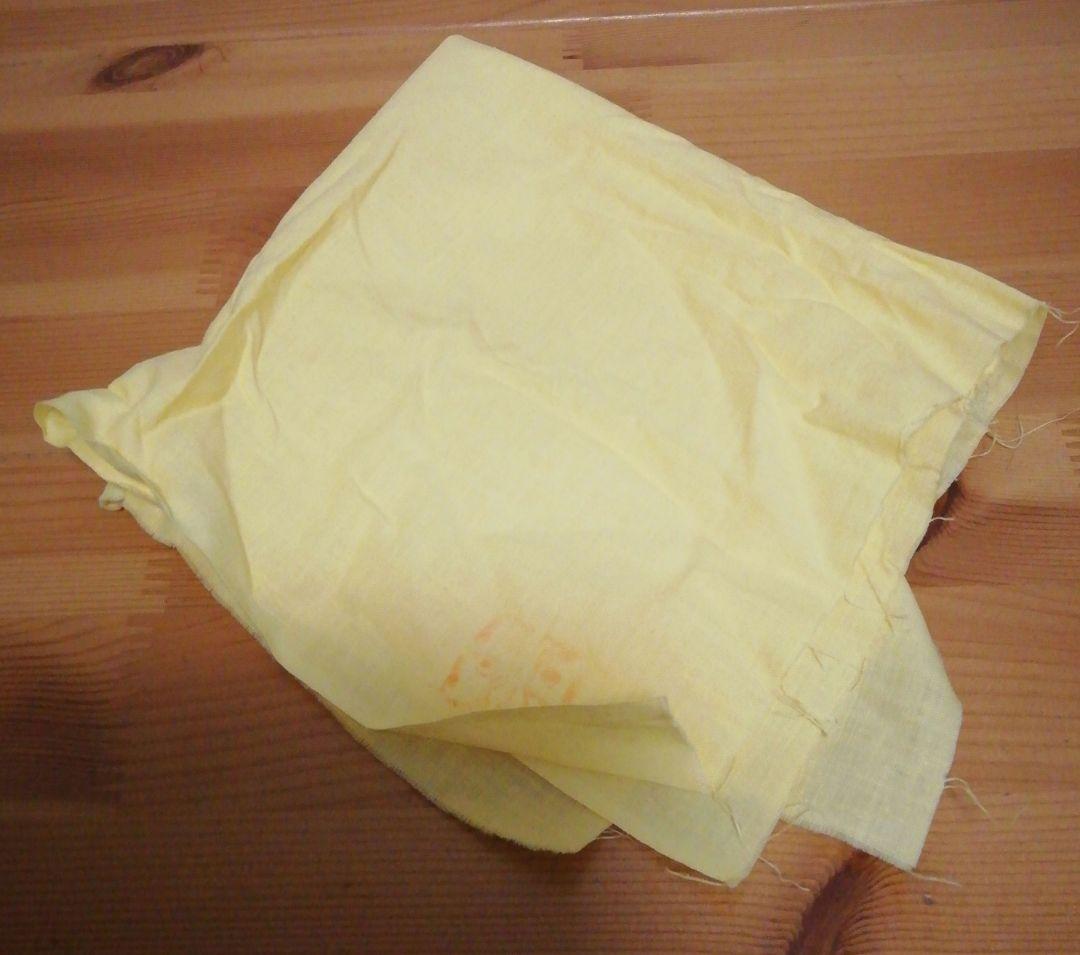
An Oil Spot Tenmoku Yuteki Tea Bowl by Kikuchi Akira — this Tenmoku Chawan erupts in Gold Silver Glaze constellations across Iron Glaze Ceramic darkness. A Japanese Tea Bowl in Song Dynasty Style, this Tea Ceremony Bowl achieves Metallic Glaze Bowl brilliance through Atmospheric Kiln Art. Wabi Sabi Ceramic presence in Japanese Stoneware, with tomobako and cloth bag.
_"Each spot is a small collapse of iron — surrendered to the kiln, returned as light."_
━━━━━━━━━━━━━━━━━━━━
🔹 [ BASIC DETAILS ]
• Artist: Kikuchi Akira (菊池晃)
• Technique: Yuteki tenmoku (油滴天目) — iron-saturated glaze with oil-spot effect
• Era: Heisei period
• Origin: Japan
• Dimensions: W 12.5 cm × H 8.5 cm (4.9" dia × 3.3" h)
• Box: Tomobako — lid interior reads "油滴天目 茶盌 晃" with red seal; includes cloth bag (共布)
• Condition: Excellent — glaze intact and vivid throughout, no chips, cracks, or repairs
━━━━━━━━━━━━━━━━━━━━
🔹 [ CULTURAL & ARTISTIC INSIGHT ]
Yuteki tenmoku — oil-spot tenmoku — occupies a position of near-mythic status within East Asian ceramic history. Originating in the Jian kilns of Song Dynasty China, where monks and tea practitioners prized the dark bowls for their ability to make the green froth of whisked tea visually luminous, tenmoku became the gold standard against which all tea ceramics were measured. The oil-spot variant, where iron crystals bloom across the glaze surface in metallic droplets, represents the most technically demanding expression of this tradition.
Kikuchi Akira's bowl demonstrates masterful control of the yuteki process. The oil spots are fine-grained and densely distributed — not the scattered, coarse spots of a partially successful firing, but a uniform field of metallic crystallization that speaks to precise management of kiln temperature, atmosphere, and cooling rate. The spots shift between gold, silver, and bronze depending on the angle of light, creating a surface that is never the same twice.
The deep navy-black ground provides the necessary darkness against which the metallic spots achieve their full visual impact. This is not simple black — it carries the blue-black depth characteristic of well-fired iron glaze, a color that the Song Dynasty Chinese called "hare's fur black" in its non-spotted variant. The high gloss finish amplifies the interplay between ground and spot, lending the entire surface a quality that approaches the astronomical.
The interior is where this bowl reveals its deepest beauty. As tea pools within the rounded form, the oil spots beneath the liquid surface create a shimmering field — an effect that transforms the functional act of drinking into an encounter with material phenomena that no amount of intention can fully control.
━━━━━━━━━━━━━━━━━━━━
🔹 [ DEEP-DIVE COMMENTARY ]
**The Science of Oil Spots**: Yuteki formation occurs when iron oxide in the glaze reaches supersaturation during firing. At peak temperature, iron migrates to the surface and crystallizes during cooling into discrete metallic droplets. The size, density, and color of these spots depend on an intricate set of variables: glaze composition, peak temperature (typically 1,280–1,320°C), duration of the hold at peak, rate of cooling, and the oxygen levels in the kiln atmosphere. Achieving consistent, fine-grained spots across the entire bowl surface — as Kikuchi has done here — requires empirical knowledge accumulated over years of firing.
**Song Dynasty Heritage**: The original yuteki tenmoku bowls from China's Jian kilns are among the most valued ceramics in existence. Several are designated National Treasures in Japan, where they have been preserved in temple and aristocratic collections since the Kamakura period. Japanese potters have pursued the recreation and reinterpretation of this glaze for centuries, making it one of the longest-running technical challenges in ceramic history. Kikuchi's work stands within this lineage of disciplined pursuit.
**Gold-Silver-Bronze Spectrum**: The metallic color variation within the oil spots results from differences in iron crystal orientation and thickness. Thicker crystalline formations tend toward gold and bronze, while thinner ones produce silver tones. The coexistence of all three colors on a single bowl indicates a firing curve that allowed crystal development across multiple stages — a sign of sophisticated kiln management.
**Bowl Form**: The rounded, deep form with a slightly wider mouth follows the classical tenmoku bowl profile — optimized for cradling in both hands, for viewing the interior glaze at close range, and for the specific thermal requirements of matcha preparation. The depth of the bowl ensures that the oil-spot interior receives sustained visual attention during use.
━━━━━━━━━━━━━━━━━━━━
🔹 [ 日本語解説 ]
【基本情報】
• 作家:菊池晃
• 技法:油滴天目(鉄釉・窯変)
• 時代:平成期
• 産地:日本
• 寸法:口径約12.5cm × 高さ約8.5cm
• 付属:共箱(蓋裏「油滴天目 茶盌 晃」朱印あり)、共布
• 状態:良好 — 釉薬鮮明、欠け・ヒビ・直しなし
【解説】
菊池晃による油滴天目茶碗。深い紺黒の地釉の上に、金・銀・銅色の油滴が細粒かつ高密度に浮かび上がる。内面・外面ともに油滴が均一に展開し、光の角度によって刻々と表情を変える。
油滴天目は中国宋代の建窯に源を発し、鉄飽和釉の焼成過程で鉄結晶が表面に析出することで生まれる。その発現は窯内の温度、雰囲気、冷却速度に極めて敏感であり、全面にわたって均質な油滴を得ることは現代の陶芸家にとっても高度な技術的挑戦である。本作の細粒で密な油滴の分布は、菊池の焼成技術の確かさを証している。
丸みのある深い器形は天目茶碗の伝統的なプロポーションを踏襲し、両手で包み込むように持つことで、掌の中に小さな宇宙を抱える感覚を生む。茶を注げば、液面下の油滴が揺らめき、静と動の境界で輝く。
━━━━━━━━━━━━━━━━━━━━
🔹 [ SHIPPING & PACKAGING ]
• Dispatch: Within 1-6 business days
• Carrier: Japan Post EMS / UPS (with tracking)
• Packaging: Carefully wrapped with protective materials
_"Each spot is a small collapse of iron — surrendered to the kiln, returned as light."_
━━━━━━━━━━━━━━━━━━━━
🔹 [ BASIC DETAILS ]
• Artist: Kikuchi Akira (菊池晃)
• Technique: Yuteki tenmoku (油滴天目) — iron-saturated glaze with oil-spot effect
• Era: Heisei period
• Origin: Japan
• Dimensions: W 12.5 cm × H 8.5 cm (4.9" dia × 3.3" h)
• Box: Tomobako — lid interior reads "油滴天目 茶盌 晃" with red seal; includes cloth bag (共布)
• Condition: Excellent — glaze intact and vivid throughout, no chips, cracks, or repairs
━━━━━━━━━━━━━━━━━━━━
🔹 [ CULTURAL & ARTISTIC INSIGHT ]
Yuteki tenmoku — oil-spot tenmoku — occupies a position of near-mythic status within East Asian ceramic history. Originating in the Jian kilns of Song Dynasty China, where monks and tea practitioners prized the dark bowls for their ability to make the green froth of whisked tea visually luminous, tenmoku became the gold standard against which all tea ceramics were measured. The oil-spot variant, where iron crystals bloom across the glaze surface in metallic droplets, represents the most technically demanding expression of this tradition.
Kikuchi Akira's bowl demonstrates masterful control of the yuteki process. The oil spots are fine-grained and densely distributed — not the scattered, coarse spots of a partially successful firing, but a uniform field of metallic crystallization that speaks to precise management of kiln temperature, atmosphere, and cooling rate. The spots shift between gold, silver, and bronze depending on the angle of light, creating a surface that is never the same twice.
The deep navy-black ground provides the necessary darkness against which the metallic spots achieve their full visual impact. This is not simple black — it carries the blue-black depth characteristic of well-fired iron glaze, a color that the Song Dynasty Chinese called "hare's fur black" in its non-spotted variant. The high gloss finish amplifies the interplay between ground and spot, lending the entire surface a quality that approaches the astronomical.
The interior is where this bowl reveals its deepest beauty. As tea pools within the rounded form, the oil spots beneath the liquid surface create a shimmering field — an effect that transforms the functional act of drinking into an encounter with material phenomena that no amount of intention can fully control.
━━━━━━━━━━━━━━━━━━━━
🔹 [ DEEP-DIVE COMMENTARY ]
**The Science of Oil Spots**: Yuteki formation occurs when iron oxide in the glaze reaches supersaturation during firing. At peak temperature, iron migrates to the surface and crystallizes during cooling into discrete metallic droplets. The size, density, and color of these spots depend on an intricate set of variables: glaze composition, peak temperature (typically 1,280–1,320°C), duration of the hold at peak, rate of cooling, and the oxygen levels in the kiln atmosphere. Achieving consistent, fine-grained spots across the entire bowl surface — as Kikuchi has done here — requires empirical knowledge accumulated over years of firing.
**Song Dynasty Heritage**: The original yuteki tenmoku bowls from China's Jian kilns are among the most valued ceramics in existence. Several are designated National Treasures in Japan, where they have been preserved in temple and aristocratic collections since the Kamakura period. Japanese potters have pursued the recreation and reinterpretation of this glaze for centuries, making it one of the longest-running technical challenges in ceramic history. Kikuchi's work stands within this lineage of disciplined pursuit.
**Gold-Silver-Bronze Spectrum**: The metallic color variation within the oil spots results from differences in iron crystal orientation and thickness. Thicker crystalline formations tend toward gold and bronze, while thinner ones produce silver tones. The coexistence of all three colors on a single bowl indicates a firing curve that allowed crystal development across multiple stages — a sign of sophisticated kiln management.
**Bowl Form**: The rounded, deep form with a slightly wider mouth follows the classical tenmoku bowl profile — optimized for cradling in both hands, for viewing the interior glaze at close range, and for the specific thermal requirements of matcha preparation. The depth of the bowl ensures that the oil-spot interior receives sustained visual attention during use.
━━━━━━━━━━━━━━━━━━━━
🔹 [ 日本語解説 ]
【基本情報】
• 作家:菊池晃
• 技法:油滴天目(鉄釉・窯変)
• 時代:平成期
• 産地:日本
• 寸法:口径約12.5cm × 高さ約8.5cm
• 付属:共箱(蓋裏「油滴天目 茶盌 晃」朱印あり)、共布
• 状態:良好 — 釉薬鮮明、欠け・ヒビ・直しなし
【解説】
菊池晃による油滴天目茶碗。深い紺黒の地釉の上に、金・銀・銅色の油滴が細粒かつ高密度に浮かび上がる。内面・外面ともに油滴が均一に展開し、光の角度によって刻々と表情を変える。
油滴天目は中国宋代の建窯に源を発し、鉄飽和釉の焼成過程で鉄結晶が表面に析出することで生まれる。その発現は窯内の温度、雰囲気、冷却速度に極めて敏感であり、全面にわたって均質な油滴を得ることは現代の陶芸家にとっても高度な技術的挑戦である。本作の細粒で密な油滴の分布は、菊池の焼成技術の確かさを証している。
丸みのある深い器形は天目茶碗の伝統的なプロポーションを踏襲し、両手で包み込むように持つことで、掌の中に小さな宇宙を抱える感覚を生む。茶を注げば、液面下の油滴が揺らめき、静と動の境界で輝く。
━━━━━━━━━━━━━━━━━━━━
🔹 [ SHIPPING & PACKAGING ]
• Dispatch: Within 1-6 business days
• Carrier: Japan Post EMS / UPS (with tracking)
• Packaging: Carefully wrapped with protective materials
Quantity
Couldn't load pickup availability
Out of stock
View full details