1
/
of
6
Ki-Seto Yellow Tea Bowl by Kato Juemon - Mino Ware Chawan with Tanpan and Kushime
Ki-Seto Yellow Tea Bowl by Kato Juemon - Mino Ware Chawan with Tanpan and Kushime
Regular price
Dhs. 923.00 AED
Regular price
Sale price
Dhs. 923.00 AED
Taxes included.
Shipping calculated at checkout.
Experience authentic Japanese tea culture with this Ki-Seto Yellow Tea Bowl. This Japanese Matcha Bowl serves as a Mino Ware Chawan and Yellow Seto Pottery, featuring Tanpan Copper Drips and Kushime Comb Marks—a must-have for any Art Collector seeking Zen Tea Accessories and Tea Ceremony Bowl.
━━━━━━━━━━━━━━━━━━━━
🔹 [ BASIC DETAILS ]
• Artist: Kato Juemon (加藤十右衛門)
• Technique: Ki-Seto (黄瀬戸) with tanpan (copper oxide accents) and kushime (comb marks)
• Era: Contemporary (Showa–Heisei period)
• Origin: Mino, Gifu Prefecture, Japan — traditional Ki-Seto lineage
• Dimensions: Diameter approx. 13.5-14 cm, Height approx. 9 cm
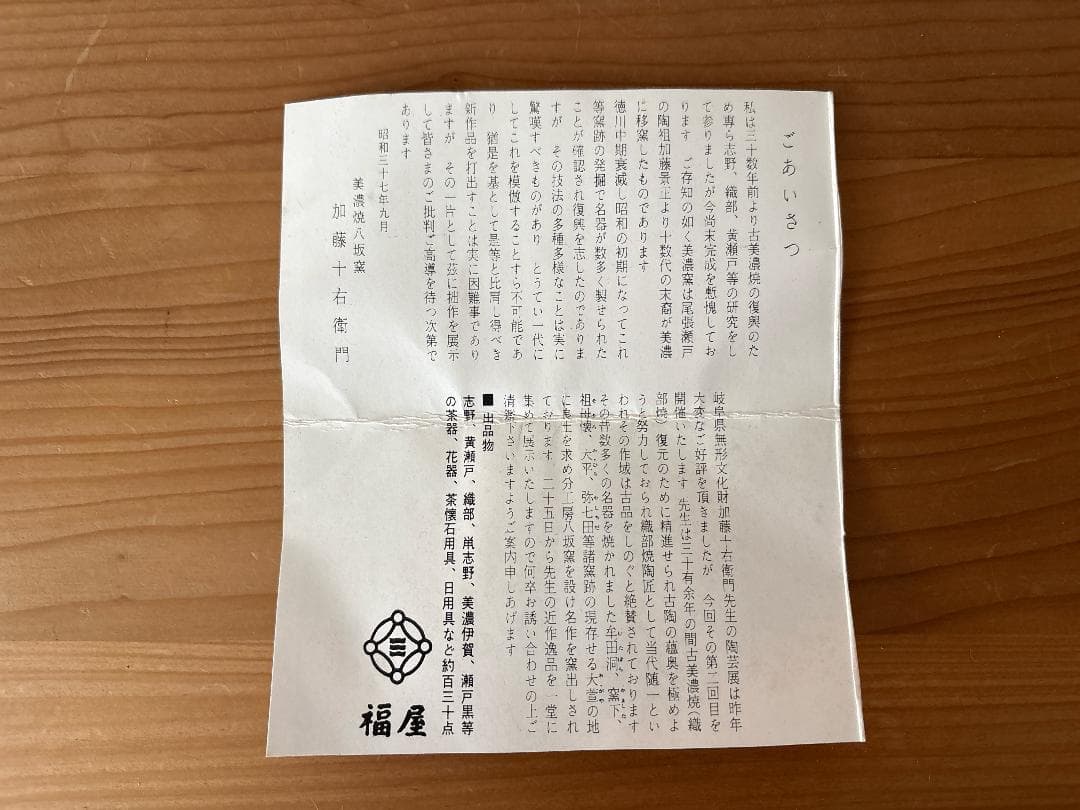
• Box: Signed tomobako with seal (共箱・印入り) inscribed "黄瀬戸 茶碗 十右衛門造"
• Condition: Excellent — green tanpan drips and surface variations are defining characteristics
━━━━━━━━━━━━━━━━━━━━
🔹 [ CULTURAL & ARTISTIC INSIGHT ]
Ki-Seto (黄瀬戸, Yellow Seto) is one of the four great Mino ware styles that emerged in the Momoyama period (1573–1615), alongside Shino, Oribe, and Setoguro. Of these four, Ki-Seto is perhaps the most elusive and the most demanding — its warm yellow glaze, derived from wood ash and iron, requires precise kiln conditions that tolerate no deviation. The color must be warm but not brown, bright but not garish, alive but not restless. Generations of Mino potters have pursued this narrow corridor of perfection.
Kato Juemon's chawan embodies the classical Ki-Seto vocabulary with authority. The warm golden-yellow ash glaze covers the bowl evenly, punctuated by tanpan — small drips and touches of green from copper oxide applied before firing. These emerald accents are not decorative additions but essential counterpoints, the way a single green branch against autumn gold completes a landscape. Vertical kushime (comb marks) carved into the clay before glazing create a rhythmic texture that catches light and glaze differently at every angle, adding dimensional depth to the monochromatic surface.
*"Yellow Seto does not shout. It glows — the way late afternoon light glows through paper screens."*
━━━━━━━━━━━━━━━━━━━━
🔹 [ DEEP-DIVE COMMENTARY ]
**The Mino Legacy**: Mino ware (美濃焼) from Gifu Prefecture constitutes one of the most important ceramic traditions in Japanese history. During the Momoyama period, potters in the Mino kilns revolutionized tea ceramics under the influence of tea masters like Furuta Oribe. Ki-Seto, the yellow-glazed ware, predates the other three styles and connects to the older Seto tradition, making it the bridge between medieval ceramic culture and the revolutionary tea aesthetics of the late 16th century.
**Tanpan — The Green Accents**: Tanpan (胆礬) refers to copper sulfate solution applied to the raw clay or bisque before the ash glaze is laid over it. During firing, the copper migrates through the glaze and produces vivid green spots or drips against the yellow background. The placement of tanpan is one of the critical artistic decisions in Ki-Seto production — too much overwhelms the yellow; too little leaves the surface monotonous. On this bowl, the green accents appear as natural, irregular drips that suggest rainfall on stone, achieving the effortless-seeming balance that marks a mature Ki-Seto artist.
**Kushime Texture**: The vertical comb marks (櫛目) scored into this bowl's surface serve both aesthetic and functional purposes. Visually, they create a play of light and shadow that prevents the yellow glaze from reading as flat or uniform. Functionally, the grooves vary the glaze thickness — thicker in the valleys, thinner on the ridges — producing subtle color variations within the yellow spectrum. The technique also provides tactile interest, making the bowl a pleasure to hold and turn in the hands.
**Kato Family Heritage**: The Kato name is deeply rooted in Mino-Seto ceramics history. Kato Kagemasa is traditionally credited as the founder of Seto ware in the 13th century, and the Kato family name has been associated with the region's finest pottery for over seven centuries. Kato Juemon works within this heritage, his box inscription "十右衛門造" connecting each piece to the long continuum of Kato family craftsmanship.
━━━━━━━━━━━━━━━━━━━━
🔹 [ 日本語解説 ]
【基本情報】
• 作家:加藤十右衛門
• 技法:黄瀬戸・胆礬・櫛目
• 時代:現代(昭和〜平成)
• 産地:岐阜県美濃(美濃焼)
• 寸法:口径約13.5-14cm、高さ約9cm
• 付属:共箱・印入り(「黄瀬戸 茶碗 十右衛門造」箱書)
• 状態:良好(胆礬の緑や釉面の変化は黄瀬戸本来の特徴)
【解説】
黄瀬戸は美濃四窯(志野・織部・瀬戸黒・黄瀬戸)の一つであり、桃山時代に完成した日本陶芸の至宝です。灰と鉄分による温かな黄色の釉薬は、焼成条件のわずかな違いで色調が大きく変わるため、四窯の中でも最も制御が難しいとされます。
加藤十右衛門の本作は、黄瀬戸の古典的要素を見事に備えています。温かみのある黄金色の灰釉に、胆礬(たんぱん)の緑色が雨滴のように散り、縦方向の櫛目が釉薬の厚薄を生んで光と影のリズムを作ります。加藤の名は美濃焼の祖・加藤景正(藤四郎)以来700年以上の歴史を持ち、十右衛門の号とともにその長い伝統の中に本作を位置づけています。
━━━━━━━━━━━━━━━━━━━━
🔹 [ SHIPPING & PACKAGING ]
• Dispatch: Within 1-6 business days
• Carrier: Japan Post EMS / UPS (with tracking)
• Packaging: Carefully wrapped with protective materials
*Yellow like late sun through shoji. Green like rain on temple moss. Seven centuries of Mino knowledge in a single bowl.*
━━━━━━━━━━━━━━━━━━━━
🔹 [ BASIC DETAILS ]
• Artist: Kato Juemon (加藤十右衛門)
• Technique: Ki-Seto (黄瀬戸) with tanpan (copper oxide accents) and kushime (comb marks)
• Era: Contemporary (Showa–Heisei period)
• Origin: Mino, Gifu Prefecture, Japan — traditional Ki-Seto lineage
• Dimensions: Diameter approx. 13.5-14 cm, Height approx. 9 cm
• Box: Signed tomobako with seal (共箱・印入り) inscribed "黄瀬戸 茶碗 十右衛門造"
• Condition: Excellent — green tanpan drips and surface variations are defining characteristics
━━━━━━━━━━━━━━━━━━━━
🔹 [ CULTURAL & ARTISTIC INSIGHT ]
Ki-Seto (黄瀬戸, Yellow Seto) is one of the four great Mino ware styles that emerged in the Momoyama period (1573–1615), alongside Shino, Oribe, and Setoguro. Of these four, Ki-Seto is perhaps the most elusive and the most demanding — its warm yellow glaze, derived from wood ash and iron, requires precise kiln conditions that tolerate no deviation. The color must be warm but not brown, bright but not garish, alive but not restless. Generations of Mino potters have pursued this narrow corridor of perfection.
Kato Juemon's chawan embodies the classical Ki-Seto vocabulary with authority. The warm golden-yellow ash glaze covers the bowl evenly, punctuated by tanpan — small drips and touches of green from copper oxide applied before firing. These emerald accents are not decorative additions but essential counterpoints, the way a single green branch against autumn gold completes a landscape. Vertical kushime (comb marks) carved into the clay before glazing create a rhythmic texture that catches light and glaze differently at every angle, adding dimensional depth to the monochromatic surface.
*"Yellow Seto does not shout. It glows — the way late afternoon light glows through paper screens."*
━━━━━━━━━━━━━━━━━━━━
🔹 [ DEEP-DIVE COMMENTARY ]
**The Mino Legacy**: Mino ware (美濃焼) from Gifu Prefecture constitutes one of the most important ceramic traditions in Japanese history. During the Momoyama period, potters in the Mino kilns revolutionized tea ceramics under the influence of tea masters like Furuta Oribe. Ki-Seto, the yellow-glazed ware, predates the other three styles and connects to the older Seto tradition, making it the bridge between medieval ceramic culture and the revolutionary tea aesthetics of the late 16th century.
**Tanpan — The Green Accents**: Tanpan (胆礬) refers to copper sulfate solution applied to the raw clay or bisque before the ash glaze is laid over it. During firing, the copper migrates through the glaze and produces vivid green spots or drips against the yellow background. The placement of tanpan is one of the critical artistic decisions in Ki-Seto production — too much overwhelms the yellow; too little leaves the surface monotonous. On this bowl, the green accents appear as natural, irregular drips that suggest rainfall on stone, achieving the effortless-seeming balance that marks a mature Ki-Seto artist.
**Kushime Texture**: The vertical comb marks (櫛目) scored into this bowl's surface serve both aesthetic and functional purposes. Visually, they create a play of light and shadow that prevents the yellow glaze from reading as flat or uniform. Functionally, the grooves vary the glaze thickness — thicker in the valleys, thinner on the ridges — producing subtle color variations within the yellow spectrum. The technique also provides tactile interest, making the bowl a pleasure to hold and turn in the hands.
**Kato Family Heritage**: The Kato name is deeply rooted in Mino-Seto ceramics history. Kato Kagemasa is traditionally credited as the founder of Seto ware in the 13th century, and the Kato family name has been associated with the region's finest pottery for over seven centuries. Kato Juemon works within this heritage, his box inscription "十右衛門造" connecting each piece to the long continuum of Kato family craftsmanship.
━━━━━━━━━━━━━━━━━━━━
🔹 [ 日本語解説 ]
【基本情報】
• 作家:加藤十右衛門
• 技法:黄瀬戸・胆礬・櫛目
• 時代:現代(昭和〜平成)
• 産地:岐阜県美濃(美濃焼)
• 寸法:口径約13.5-14cm、高さ約9cm
• 付属:共箱・印入り(「黄瀬戸 茶碗 十右衛門造」箱書)
• 状態:良好(胆礬の緑や釉面の変化は黄瀬戸本来の特徴)
【解説】
黄瀬戸は美濃四窯(志野・織部・瀬戸黒・黄瀬戸)の一つであり、桃山時代に完成した日本陶芸の至宝です。灰と鉄分による温かな黄色の釉薬は、焼成条件のわずかな違いで色調が大きく変わるため、四窯の中でも最も制御が難しいとされます。
加藤十右衛門の本作は、黄瀬戸の古典的要素を見事に備えています。温かみのある黄金色の灰釉に、胆礬(たんぱん)の緑色が雨滴のように散り、縦方向の櫛目が釉薬の厚薄を生んで光と影のリズムを作ります。加藤の名は美濃焼の祖・加藤景正(藤四郎)以来700年以上の歴史を持ち、十右衛門の号とともにその長い伝統の中に本作を位置づけています。
━━━━━━━━━━━━━━━━━━━━
🔹 [ SHIPPING & PACKAGING ]
• Dispatch: Within 1-6 business days
• Carrier: Japan Post EMS / UPS (with tracking)
• Packaging: Carefully wrapped with protective materials
*Yellow like late sun through shoji. Green like rain on temple moss. Seven centuries of Mino knowledge in a single bowl.*
Quantity
Couldn't load pickup availability
Low stock: 1 left
View full details