1
/
of
15
Kenzan-Style Musubi Camellia Matcha Bowl by Hashimoto Jogaku — Kyoto Polychrome Chawan with Tomobako
Kenzan-Style Musubi Camellia Matcha Bowl by Hashimoto Jogaku — Kyoto Polychrome Chawan with Tomobako
Regular price
Dhs. 615.00 AED
Regular price
Sale price
Dhs. 615.00 AED
Taxes included.
Shipping calculated at checkout.
Experience Authentic Japan Art with this Kyoto Polychrome Chawan. This Kenzan Style Matcha Bowl serves as a Japanese Tea Ceremony Bowl and Kyoto Overglaze Enamel Chawan, featuring Musubi Camellia Motif and Crackle Glaze Teasbowl—a must-have for any Art Collector. This Hashimoto Jogaku Tea Bowl embodies the finest Kyoto Ceramic Art tradition, presenting a Signed Japanese Pottery work with Original Wooden Box that collectors have long sought.
🔹 [ BASIC DETAILS ]
• Artist: Hashimoto Jogaku (橋本城岳), Kyoto ceramic artist working in the Ogata Kenzan tradition
• Technique: Kenzan-style (乾山写) overglaze polychrome enamel on crackle-glazed stoneware; raised white enamel camellia heads, gold outlining, turquoise karakusa vine, nishiki brocade bands in red and green
• Era: Post-2007 (contemporary Kyoto production)
• Origin: Kyoto, Japan — Kyoto-ware (京焼) tradition
• Dimensions: Diameter approx. 12.3 cm, Height approx. 8 cm
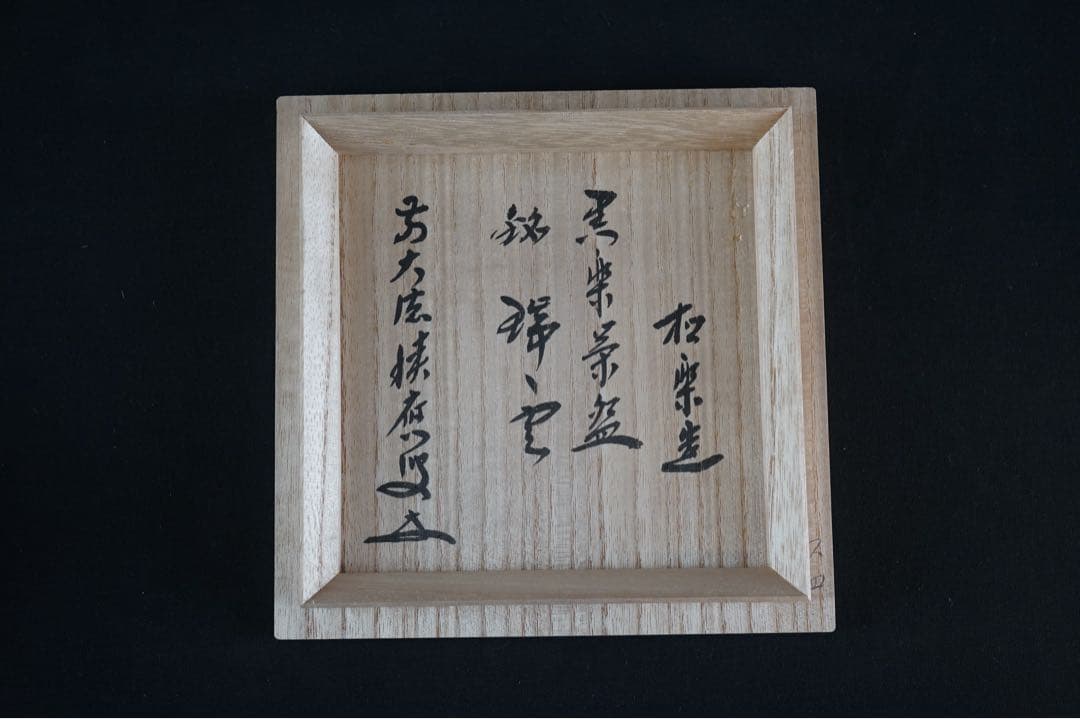
• Box: Artist-signed tomobako (共箱) included; lid fits with slight resistance
• Condition: No cracks or chips on the bowl body. Minor soiling around the foot ring. Box lid closes with some stiffness. Overall excellent condition suitable for display and use.
🔹 [ CULTURAL & ARTISTIC INSIGHT ]
Ogata Kenzan (1663–1743) stands as one of the twin luminaries of the Rinpa school alongside his elder brother Kōrin. Where Kōrin mastered screen painting, Kenzan turned clay and glaze into poetic surface—layering brocade textile patterns, bold calligraphy, and seasonal motifs onto rustic forms with an almost painterly abandon. His style, known as Kenzan-yaki, introduced a new visual grammar to Japanese ceramics: asymmetry, flat-field color, and the deliberate interplay of negative space with dense decoration.
The 結茶文 (musubi-cha-mon) design depicted on this bowl is a quintessential Kenzan motif. "Musubi" refers to folded or tied letters—an aristocratic correspondence form of Heian Japan—here rendered as layered bands of nishiki brocade bearing white camellias (tsubaki). The tsubaki has deep resonance in the Japanese tea world: its clean, sudden fall of the whole bloom rather than petal by petal was famously associated with the spirit of the warrior and the ephemeral grace of the tea gathering. The choice of camellia as the central motif signals cultural literacy and seasonal awareness, placing this bowl within the late winter to early spring aesthetic calendar.
Hashimoto Jogaku continues this tradition with evident mastery. The craquelure ground—fine, deliberate crazing across the cream glaze—adds visual texture and a sense of aged refinement even on contemporary work, evoking the quality of antique Kyoto ceramics. The bold turquoise karakusa (arabian-scroll vine) that sweeps the reverse side draws from Chinese-influenced decorative grammar absorbed by Kenzan himself, demonstrating the cosmopolitan range of the tradition.
POETIC LINE: "Folded letters of silk and camellia—the bowl holds a correspondence that season itself has sealed."
🔹 [ DEEP-DIVE COMMENTARY ]
The Kenzan-yaki (乾山焼) tradition is defined by a paradox: technically demanding overglaze polychrome enamel work deployed in the service of a poetic, seemingly unstudied aesthetic. Kenzan studied under Nonomura Ninsei, the father of Kyoto overglaze enamel ceramics, and absorbed both the technical vocabulary and the courtly sensibility of Kyoto's ceramic culture. His departure from Ninsei lay in his willingness to leave ground areas deliberately unadorned and to treat decoration as a form of calligraphy—gestural, expressive, sometimes asymmetric.
The technique begins with a bisque-fired stoneware body, over which a cream or white slip ground is applied. The base glaze is fired to produce the characteristic kan'nyū (貫入) crackle—a network of fine lines in the glaze surface created by the differential contraction rates of clay body and glaze during cooling. This crackle is not a defect but a designed texture: it adds a soft, aged luminosity to the surface that catches light differently from smooth glaze.
Overglaze enamels are then applied cold onto the already-fired glaze surface, using iron-red (bengara), green copper oxide (ryokusho), cobalt blue, white lead-tin enamel, and gold. Each color requires its own firing temperature, with gold and white typically fired last at the lowest temperature. The raised, three-dimensional quality of the white camellia petals on this bowl indicates skilled application—building up enamel in layers to achieve relief before final firing.
For collectors, a genuine tomobako (共箱)—a wooden storage box inscribed and sealed by the artist—is the primary authentication document for Japanese ceramics. This piece includes the artist's tomobako with brushwork inscription and red intaglio seal, confirming authorship and providing provenance. The slight stiffness of the box lid is a minor practical matter and does not affect the integrity of either box or bowl.
Hashimoto Jogaku occupies a respected position among Kyoto ceramic artists who carry forward classical Rinpa and Kenzan aesthetics for the contemporary tea community and collector market. Works in this tradition represent a living lineage: not historical reproduction, but sustained cultural practice that connects the twenty-first century tea practitioner directly to the aesthetic world of Edo-period Kyoto.
🔹 [ 日本語解説 ]
■ 基本情報
作家:橋本城岳(京都在住、乾山写しを専門とする陶芸家)
技法:乾山写し色絵磁器。貫入のある白地に、盛り上げ絵具による白椿、赤地菱文錦帯、緑釉唐草文、コバルト青の扇面文を金彩で縁取り。
年代:2007年以降の現代作
産地:京都・京焼
寸法:口径約12.3cm、高さ約8cm
箱:共箱付き(蓋に軽い締まりにくさあり)
状態:本体にヒビ・カケなし。高台周りに汚れあり。概ね良好なコレクター向けコンディション。
■ 文化的・芸術的背景
尾形乾山(1663〜1743)は、兄・光琳と並ぶ琳派の双璧として知られます。光琳が屏風・蒔絵に筆をふるったように、乾山は陶土と釉薬を詩の舞台とし、錦手文様・書・季節の意匠を大胆に組み合わせることで、日本陶芸に新たな美の文法をもたらしました。
本作に描かれた「結茶文(むすびちゃもん)」は、乾山写しの代表的な意匠のひとつです。「結び文」とは平安貴族の書状様式に由来し、ここでは赤地菱文の錦地帯に白椿を配した構成として表現されています。椿はその花弁が散らずに花ごと落ちる姿が武士の美学に重ねられ、茶の湯の世界でも晩冬から早春の茶席を象徴する花として珍重されてきました。この意匠を選んだことは、作家の文化的造詣の深さを示しています。
橋本城岳による本作では、貫入を意図的に活かした白地の質感が際立ちます。細かく走る貫入は景色として評価され、現代作でありながら古い京焼の風格を醸し出します。見込みの深さと高台の端正な造形も、茶碗としての機能美を兼ね備えています。
詩的な一句:「錦地に結ばれた手紙——椿が季節の封印を解く器」
■ 深層解説
乾山焼の技法は逆説を内包しています。本焼き後の釉面に上絵具を施す色絵技法は高度な技術を要しながら、完成した意匠は書のような即興性と余白の美を持ちます。乾山は野々村仁清のもとで京焼上絵技術を学びながらも、師とは異なる方向性——意図的な非対称と「描かれない地」の力——を追求しました。
制作工程は、素焼きした器体に白化粧土を施し本焼き後、意図的な貫入を得ます。この貫入(kan'nyū)は釉と素地の収縮率の差によって生じる美的な亀裂であり、欠陥ではなく計画された景色です。その上から、鉄赤・緑青(銅系)・コバルト・白鉛錫釉・金彩をそれぞれの焼成温度に合わせて順次重ねます。本作の白椿の花弁に見られる盛り上がりは、重ね塗りによって三次元的な浮き出しを実現したもので、技術の確かさを示しています。
コレクターにとって共箱は第一義的な真作証明です。本作の共箱には筆書きの銘と朱印が確認でき、作家の自筆認証として機能します。蓋の締まりにくさは保管上の実用的な軽微な点であり、箱・茶碗本体の品位には影響しません。
橋本城岳は琳派・乾山系譜の現代的継承者として京都陶芸界に位置づけられます。このような作品は単なる「写し物」ではなく、江戸期から現代の茶人・蒐集家へと連綿と続く生きた文化実践の証です。
🔹 [ SHIPPING & PACKAGING ]
• Dispatch: Within 1-6 business days
• Carrier: Japan Post EMS / UPS (with tracking)
• Packaging: Carefully wrapped with protective materials
🔹 [ BASIC DETAILS ]
• Artist: Hashimoto Jogaku (橋本城岳), Kyoto ceramic artist working in the Ogata Kenzan tradition
• Technique: Kenzan-style (乾山写) overglaze polychrome enamel on crackle-glazed stoneware; raised white enamel camellia heads, gold outlining, turquoise karakusa vine, nishiki brocade bands in red and green
• Era: Post-2007 (contemporary Kyoto production)
• Origin: Kyoto, Japan — Kyoto-ware (京焼) tradition
• Dimensions: Diameter approx. 12.3 cm, Height approx. 8 cm
• Box: Artist-signed tomobako (共箱) included; lid fits with slight resistance
• Condition: No cracks or chips on the bowl body. Minor soiling around the foot ring. Box lid closes with some stiffness. Overall excellent condition suitable for display and use.
🔹 [ CULTURAL & ARTISTIC INSIGHT ]
Ogata Kenzan (1663–1743) stands as one of the twin luminaries of the Rinpa school alongside his elder brother Kōrin. Where Kōrin mastered screen painting, Kenzan turned clay and glaze into poetic surface—layering brocade textile patterns, bold calligraphy, and seasonal motifs onto rustic forms with an almost painterly abandon. His style, known as Kenzan-yaki, introduced a new visual grammar to Japanese ceramics: asymmetry, flat-field color, and the deliberate interplay of negative space with dense decoration.
The 結茶文 (musubi-cha-mon) design depicted on this bowl is a quintessential Kenzan motif. "Musubi" refers to folded or tied letters—an aristocratic correspondence form of Heian Japan—here rendered as layered bands of nishiki brocade bearing white camellias (tsubaki). The tsubaki has deep resonance in the Japanese tea world: its clean, sudden fall of the whole bloom rather than petal by petal was famously associated with the spirit of the warrior and the ephemeral grace of the tea gathering. The choice of camellia as the central motif signals cultural literacy and seasonal awareness, placing this bowl within the late winter to early spring aesthetic calendar.
Hashimoto Jogaku continues this tradition with evident mastery. The craquelure ground—fine, deliberate crazing across the cream glaze—adds visual texture and a sense of aged refinement even on contemporary work, evoking the quality of antique Kyoto ceramics. The bold turquoise karakusa (arabian-scroll vine) that sweeps the reverse side draws from Chinese-influenced decorative grammar absorbed by Kenzan himself, demonstrating the cosmopolitan range of the tradition.
POETIC LINE: "Folded letters of silk and camellia—the bowl holds a correspondence that season itself has sealed."
🔹 [ DEEP-DIVE COMMENTARY ]
The Kenzan-yaki (乾山焼) tradition is defined by a paradox: technically demanding overglaze polychrome enamel work deployed in the service of a poetic, seemingly unstudied aesthetic. Kenzan studied under Nonomura Ninsei, the father of Kyoto overglaze enamel ceramics, and absorbed both the technical vocabulary and the courtly sensibility of Kyoto's ceramic culture. His departure from Ninsei lay in his willingness to leave ground areas deliberately unadorned and to treat decoration as a form of calligraphy—gestural, expressive, sometimes asymmetric.
The technique begins with a bisque-fired stoneware body, over which a cream or white slip ground is applied. The base glaze is fired to produce the characteristic kan'nyū (貫入) crackle—a network of fine lines in the glaze surface created by the differential contraction rates of clay body and glaze during cooling. This crackle is not a defect but a designed texture: it adds a soft, aged luminosity to the surface that catches light differently from smooth glaze.
Overglaze enamels are then applied cold onto the already-fired glaze surface, using iron-red (bengara), green copper oxide (ryokusho), cobalt blue, white lead-tin enamel, and gold. Each color requires its own firing temperature, with gold and white typically fired last at the lowest temperature. The raised, three-dimensional quality of the white camellia petals on this bowl indicates skilled application—building up enamel in layers to achieve relief before final firing.
For collectors, a genuine tomobako (共箱)—a wooden storage box inscribed and sealed by the artist—is the primary authentication document for Japanese ceramics. This piece includes the artist's tomobako with brushwork inscription and red intaglio seal, confirming authorship and providing provenance. The slight stiffness of the box lid is a minor practical matter and does not affect the integrity of either box or bowl.
Hashimoto Jogaku occupies a respected position among Kyoto ceramic artists who carry forward classical Rinpa and Kenzan aesthetics for the contemporary tea community and collector market. Works in this tradition represent a living lineage: not historical reproduction, but sustained cultural practice that connects the twenty-first century tea practitioner directly to the aesthetic world of Edo-period Kyoto.
🔹 [ 日本語解説 ]
■ 基本情報
作家:橋本城岳(京都在住、乾山写しを専門とする陶芸家)
技法:乾山写し色絵磁器。貫入のある白地に、盛り上げ絵具による白椿、赤地菱文錦帯、緑釉唐草文、コバルト青の扇面文を金彩で縁取り。
年代:2007年以降の現代作
産地:京都・京焼
寸法:口径約12.3cm、高さ約8cm
箱:共箱付き(蓋に軽い締まりにくさあり)
状態:本体にヒビ・カケなし。高台周りに汚れあり。概ね良好なコレクター向けコンディション。
■ 文化的・芸術的背景
尾形乾山(1663〜1743)は、兄・光琳と並ぶ琳派の双璧として知られます。光琳が屏風・蒔絵に筆をふるったように、乾山は陶土と釉薬を詩の舞台とし、錦手文様・書・季節の意匠を大胆に組み合わせることで、日本陶芸に新たな美の文法をもたらしました。
本作に描かれた「結茶文(むすびちゃもん)」は、乾山写しの代表的な意匠のひとつです。「結び文」とは平安貴族の書状様式に由来し、ここでは赤地菱文の錦地帯に白椿を配した構成として表現されています。椿はその花弁が散らずに花ごと落ちる姿が武士の美学に重ねられ、茶の湯の世界でも晩冬から早春の茶席を象徴する花として珍重されてきました。この意匠を選んだことは、作家の文化的造詣の深さを示しています。
橋本城岳による本作では、貫入を意図的に活かした白地の質感が際立ちます。細かく走る貫入は景色として評価され、現代作でありながら古い京焼の風格を醸し出します。見込みの深さと高台の端正な造形も、茶碗としての機能美を兼ね備えています。
詩的な一句:「錦地に結ばれた手紙——椿が季節の封印を解く器」
■ 深層解説
乾山焼の技法は逆説を内包しています。本焼き後の釉面に上絵具を施す色絵技法は高度な技術を要しながら、完成した意匠は書のような即興性と余白の美を持ちます。乾山は野々村仁清のもとで京焼上絵技術を学びながらも、師とは異なる方向性——意図的な非対称と「描かれない地」の力——を追求しました。
制作工程は、素焼きした器体に白化粧土を施し本焼き後、意図的な貫入を得ます。この貫入(kan'nyū)は釉と素地の収縮率の差によって生じる美的な亀裂であり、欠陥ではなく計画された景色です。その上から、鉄赤・緑青(銅系)・コバルト・白鉛錫釉・金彩をそれぞれの焼成温度に合わせて順次重ねます。本作の白椿の花弁に見られる盛り上がりは、重ね塗りによって三次元的な浮き出しを実現したもので、技術の確かさを示しています。
コレクターにとって共箱は第一義的な真作証明です。本作の共箱には筆書きの銘と朱印が確認でき、作家の自筆認証として機能します。蓋の締まりにくさは保管上の実用的な軽微な点であり、箱・茶碗本体の品位には影響しません。
橋本城岳は琳派・乾山系譜の現代的継承者として京都陶芸界に位置づけられます。このような作品は単なる「写し物」ではなく、江戸期から現代の茶人・蒐集家へと連綿と続く生きた文化実践の証です。
🔹 [ SHIPPING & PACKAGING ]
• Dispatch: Within 1-6 business days
• Carrier: Japan Post EMS / UPS (with tracking)
• Packaging: Carefully wrapped with protective materials
Quantity
Couldn't load pickup availability
Low stock: 1 left
View full details