1
/
of
19
Kenzan-Style Chrysanthemum Fence Tea Bowl by Okino Kashu — Kiku-Magaki Overglaze Enamel Chawan
Kenzan-Style Chrysanthemum Fence Tea Bowl by Okino Kashu — Kiku-Magaki Overglaze Enamel Chawan
Regular price
Dhs. 993.00 AED
Regular price
Sale price
Dhs. 993.00 AED
Taxes included.
Shipping calculated at checkout.
Experience authentic Japanese ceramics with this Kenzan-Style Chrysanthemum Fence Tea Bowl by Okino Kashu. This Kiku-Magaki Overglaze Enamel Chawan serves as a Kyo-yaki Matcha Bowl and Colorful Kenzan Ceramic Art, featuring Chrysanthemum Fence Design and Gold Overglaze Enamel — a must-have for any Japanese Art Collector seeking Handmade Tea Ceremony Bowl and Traditional Kyoto Pottery.
━━━━━━━━━━━━━━━━━━━━
🔹 [ BASIC DETAILS ]
• Artist: Okino Kashū (沖野華舟)
• Technique: Overglaze enamel painting (色絵) with gold on white glaze — Kenzan style
• Motif: Kiku-magaki (菊間垣) — chrysanthemums growing through a bamboo fence
• Era: Contemporary (Heisei period)
• Origin: Japan (Kenzan/Kyo-yaki tradition)
• Dimensions: Approx. 12.5 cm diameter × 8.0 cm height (4.9" × 3.1")
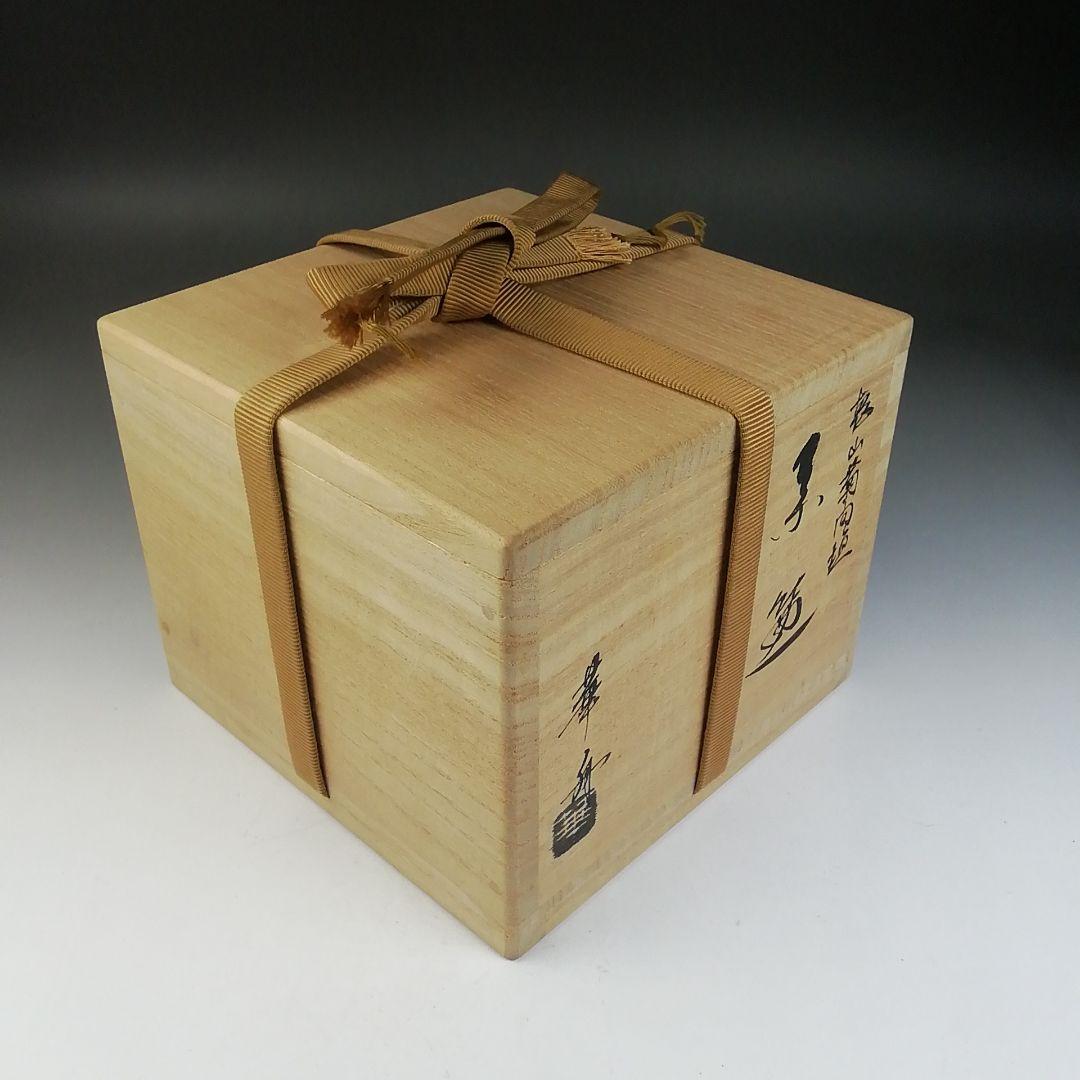
• Box: Tomobako (artist-signed wooden box)
• Condition: Excellent — no chips, cracks, or repairs
━━━━━━━━━━━━━━━━━━━━
🔹 [ CULTURAL & ARTISTIC INSIGHT ]
The chrysanthemum does not respect fences. In the kiku-magaki motif, flowers grow through, over, and around a bamboo framework — nature asserting itself against human order with cheerful persistence. Okino Kashū captures this tension in vivid overglaze enamel: blue, teal, gold, and white chrysanthemums crowd the bowl's surface, pushing past brown bamboo stakes that cross diagonally like a garden trellis overcome by bloom.
The white ground — slightly irregular, with a soft pinkish warmth — gives these flowers a backdrop that absorbs rather than reflects their color. The dark iron-oxide rim (kuchi-beni) provides a frame, while the exposed red clay foot grounds the composition in earth. Between the decorated panels, plain areas of white glaze offer the eye a place to rest — a garden wall with no flowers, a pause between phrases.
This is Kenzan-style painting at its most generous: confident brushwork, unrestrained color, and a composition that fills the bowl with the energy of late autumn's last flowering.
*"The fence was built to contain the garden. The chrysanthemum misunderstood — and bloomed on both sides."*
━━━━━━━━━━━━━━━━━━━━
🔹 [ DEEP-DIVE COMMENTARY ]
**The Kiku-Magaki (菊間垣) Motif**: This classical design pairs chrysanthemums with a bamboo fence, creating a visual metaphor for nature's graceful defiance of human boundaries. The motif appears throughout Japanese decorative arts — on kimono, screens, and ceramics — and carries associations with autumn elegance, resilience, and the beauty that emerges from structure. In tea culture, kiku-magaki utensils are appropriate for autumn gatherings, particularly those celebrating the Chrysanthemum Festival (Chōyō no Sekku, September 9th).
**Okino Kashū's Approach**: The art name "華舟" (Kashū — "Flower Boat") signals an aesthetic orientation toward botanical subjects rendered with fluidity. Kashū's chrysanthemums are not botanical illustrations but expressive gestures — each petal a distinct brushstroke, each flower an individual personality in gold, blue, teal, or white. The bamboo fence is rendered in loose iron-brown strokes that contrast with the enamel's precision.
**The Color Palette**: The combination of blue (gojōsu cobalt), teal green, gold, and white against a warm white ground follows the Kenzan tradition's characteristic palette. These colors were favored by Ogata Kenzan himself and have been maintained by successive generations of Kenzan-style potters. Each requires a separate firing pass, meaning this bowl has been through the kiln multiple times — each firing risking the work already completed.
**Kuchi-Beni (口紅)**: The dark iron-oxide rim visible on this bowl is called kuchi-beni — literally "lip rouge." This technique involves applying iron-bearing glaze to the rim, which fires to a dark brown or black. The effect frames the composition and provides a visual anchor, while also protecting the rim from chipping. In tea practice, kuchi-beni signals a Kyoto ware aesthetic and adds a touch of formality.
━━━━━━━━━━━━━━━━━━━━
🔹 [ 日本語解説 ]
【基本情報】
• 作家:沖野華舟
• 技法:色絵・金彩(乾山写し)
• 意匠:菊間垣(きくまがき)
• 時代:現代(平成)
• 産地:日本(乾山・京焼系)
• 寸法:口径約12.5cm × 高さ約8.0cm
• 付属:共箱
• 状態:良好(割れ・欠けなし)
【解説】
菊間垣——竹の垣根の間から咲きこぼれる菊を描いた古典的意匠。沖野華舟は白地の上に青・翠・金・白の色絵菊を大胆に配し、斜めに走る茶色の竹垣を突き抜けるように花を咲かせています。
乾山写しの伝統に則った華やかな色使いと、口縁の口紅(鉄釉)による引き締め。高台に覗く赤土が、華やかな上絵の世界を大地に繋ぎ止めます。重陽の節句(9月9日)をはじめ、秋の茶会に相応しい、菊尽くしの一碗です。
━━━━━━━━━━━━━━━━━━━━
🔹 [ SHIPPING & PACKAGING ]
• Dispatch: Within 1-6 business days
• Carrier: Japan Post EMS / UPS (with tracking)
• Packaging: Carefully wrapped with protective materials
*The fence was only a suggestion — the chrysanthemum chose to bloom wherever light allowed.*
━━━━━━━━━━━━━━━━━━━━
🔹 [ BASIC DETAILS ]
• Artist: Okino Kashū (沖野華舟)
• Technique: Overglaze enamel painting (色絵) with gold on white glaze — Kenzan style
• Motif: Kiku-magaki (菊間垣) — chrysanthemums growing through a bamboo fence
• Era: Contemporary (Heisei period)
• Origin: Japan (Kenzan/Kyo-yaki tradition)
• Dimensions: Approx. 12.5 cm diameter × 8.0 cm height (4.9" × 3.1")
• Box: Tomobako (artist-signed wooden box)
• Condition: Excellent — no chips, cracks, or repairs
━━━━━━━━━━━━━━━━━━━━
🔹 [ CULTURAL & ARTISTIC INSIGHT ]
The chrysanthemum does not respect fences. In the kiku-magaki motif, flowers grow through, over, and around a bamboo framework — nature asserting itself against human order with cheerful persistence. Okino Kashū captures this tension in vivid overglaze enamel: blue, teal, gold, and white chrysanthemums crowd the bowl's surface, pushing past brown bamboo stakes that cross diagonally like a garden trellis overcome by bloom.
The white ground — slightly irregular, with a soft pinkish warmth — gives these flowers a backdrop that absorbs rather than reflects their color. The dark iron-oxide rim (kuchi-beni) provides a frame, while the exposed red clay foot grounds the composition in earth. Between the decorated panels, plain areas of white glaze offer the eye a place to rest — a garden wall with no flowers, a pause between phrases.
This is Kenzan-style painting at its most generous: confident brushwork, unrestrained color, and a composition that fills the bowl with the energy of late autumn's last flowering.
*"The fence was built to contain the garden. The chrysanthemum misunderstood — and bloomed on both sides."*
━━━━━━━━━━━━━━━━━━━━
🔹 [ DEEP-DIVE COMMENTARY ]
**The Kiku-Magaki (菊間垣) Motif**: This classical design pairs chrysanthemums with a bamboo fence, creating a visual metaphor for nature's graceful defiance of human boundaries. The motif appears throughout Japanese decorative arts — on kimono, screens, and ceramics — and carries associations with autumn elegance, resilience, and the beauty that emerges from structure. In tea culture, kiku-magaki utensils are appropriate for autumn gatherings, particularly those celebrating the Chrysanthemum Festival (Chōyō no Sekku, September 9th).
**Okino Kashū's Approach**: The art name "華舟" (Kashū — "Flower Boat") signals an aesthetic orientation toward botanical subjects rendered with fluidity. Kashū's chrysanthemums are not botanical illustrations but expressive gestures — each petal a distinct brushstroke, each flower an individual personality in gold, blue, teal, or white. The bamboo fence is rendered in loose iron-brown strokes that contrast with the enamel's precision.
**The Color Palette**: The combination of blue (gojōsu cobalt), teal green, gold, and white against a warm white ground follows the Kenzan tradition's characteristic palette. These colors were favored by Ogata Kenzan himself and have been maintained by successive generations of Kenzan-style potters. Each requires a separate firing pass, meaning this bowl has been through the kiln multiple times — each firing risking the work already completed.
**Kuchi-Beni (口紅)**: The dark iron-oxide rim visible on this bowl is called kuchi-beni — literally "lip rouge." This technique involves applying iron-bearing glaze to the rim, which fires to a dark brown or black. The effect frames the composition and provides a visual anchor, while also protecting the rim from chipping. In tea practice, kuchi-beni signals a Kyoto ware aesthetic and adds a touch of formality.
━━━━━━━━━━━━━━━━━━━━
🔹 [ 日本語解説 ]
【基本情報】
• 作家:沖野華舟
• 技法:色絵・金彩(乾山写し)
• 意匠:菊間垣(きくまがき)
• 時代:現代(平成)
• 産地:日本(乾山・京焼系)
• 寸法:口径約12.5cm × 高さ約8.0cm
• 付属:共箱
• 状態:良好(割れ・欠けなし)
【解説】
菊間垣——竹の垣根の間から咲きこぼれる菊を描いた古典的意匠。沖野華舟は白地の上に青・翠・金・白の色絵菊を大胆に配し、斜めに走る茶色の竹垣を突き抜けるように花を咲かせています。
乾山写しの伝統に則った華やかな色使いと、口縁の口紅(鉄釉)による引き締め。高台に覗く赤土が、華やかな上絵の世界を大地に繋ぎ止めます。重陽の節句(9月9日)をはじめ、秋の茶会に相応しい、菊尽くしの一碗です。
━━━━━━━━━━━━━━━━━━━━
🔹 [ SHIPPING & PACKAGING ]
• Dispatch: Within 1-6 business days
• Carrier: Japan Post EMS / UPS (with tracking)
• Packaging: Carefully wrapped with protective materials
*The fence was only a suggestion — the chrysanthemum chose to bloom wherever light allowed.*
Quantity
Couldn't load pickup availability
Out of stock
View full details