1
/
of
18
Kenzan Plum Blossom Tea Bowl by Omuro-gama - Seigaiha Gold
Kenzan Plum Blossom Tea Bowl by Omuro-gama - Seigaiha Gold
Regular price
Dhs. 993.00 AED
Regular price
Sale price
Dhs. 993.00 AED
Taxes included.
Shipping calculated at checkout.
Experience authentic Japanese tea culture with this Kenzan Plum Blossom Tea Bowl by Omuro-gama, a distinguished Kyoto Pottery kiln rooted in the Ninnaji Temple district. This Gold Enamel Chawan pairs Seigaiha Wave pattern in cobalt with plum blossoms rendered in Overglaze Painting — red, white, and gold across a divided composition. A Japanese Ceramic Art vessel for the Matcha Tea Gift collector, embodying the Wabi Sabi Aesthetic through restrained opulence. Handcrafted Stoneware carrying the authorship of centuries.
━━━━━━━━━━━━━━━━━━━━
🔹 [ BASIC DETAILS ]
• Kiln: Omuro-gama (御室窯), Kyoto
• Technique: Overglaze enamel painting (色絵) with gold in Kenzan style
• Era: Contemporary (Heisei–Reiwa)
• Origin: Kyoto, Japan (Omuro / Ninnaji district)
• Dimensions: H 7.5 cm × D 12 cm (2.95" × 4.72")
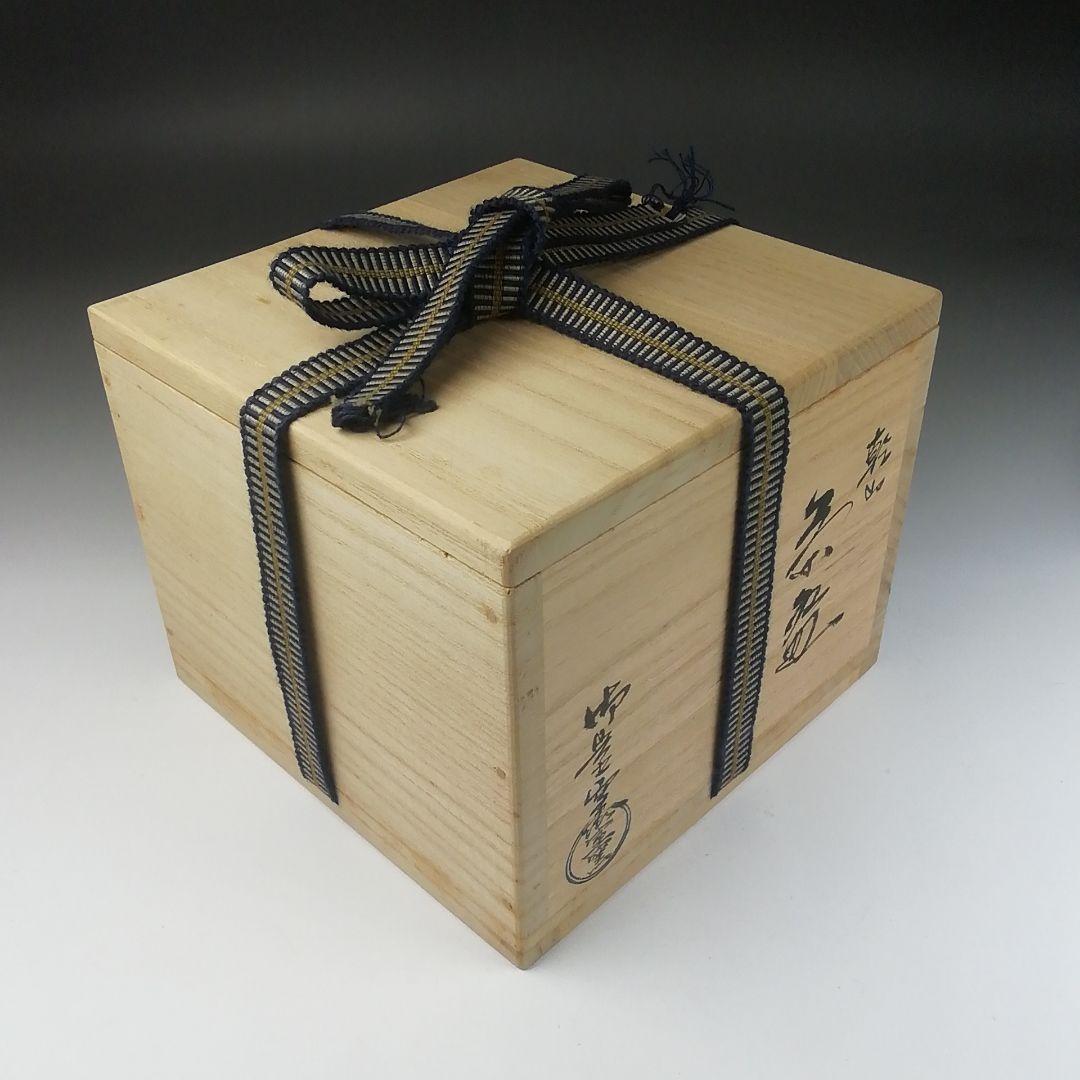
• Box: Tomobako (signed wooden box) with kiln inscription and circular seal
• Condition: Excellent — no chips, cracks, or repairs
━━━━━━━━━━━━━━━━━━━━
🔹 [ CULTURAL & ARTISTIC INSIGHT ]
This tea bowl stages a dialogue between two worlds on a single vessel. One hemisphere erupts in dense seigaiha waves — the ancient pattern of layered arcs representing infinite ocean — painted in deep cobalt, with plum blossoms breaking through in red and gold. The opposing side retreats into silvered stillness, where solitary plum flowers in gold outline float against a pale, quiet ground.
The composition embodies a principle central to Japanese aesthetics: that contrast reveals truth. Abundance and restraint, density and space, movement and stillness — each half makes the other legible. The plum blossom (ume) is the first flower of the Japanese calendar, blooming while snow still falls. It signals not spring's arrival but the courage to appear before conditions are favorable.
Omuro-gama takes its name from the Omuro district of Kyoto, the area surrounding Ninnaji, the imperial temple founded in 888 CE. The kiln's proximity to this cultural epicenter is not incidental — it places the work within a geography of continuous artistic production spanning over a millennium.
*"One side speaks. The other listens. The bowl holds both."*
━━━━━━━━━━━━━━━━━━━━
🔹 [ DEEP-DIVE COMMENTARY ]
**Seigaiha — The Infinite Pattern**: Seigaiha (青海波, blue sea waves) is one of Japan's most enduring geometric motifs, appearing in textiles, lacquerware, and ceramics since the Heian period. Its nested arcs suggest waves seen from above — rhythmic, endless, meditative. On this bowl, the cobalt rendering creates visual density that serves as a dramatic ground for the plum blossoms that emerge from within the pattern.
**Ume in Tea Culture**: The plum blossom holds particular significance in chanoyu. As a flower of late winter, it appears in tea gatherings marking the transition from the hearth season (ro) toward spring. Its symbolism — perseverance, renewal, the beauty of the not-yet — resonates with tea's philosophical core. A host selecting this bowl signals awareness of seasonal passage.
**The Divided Composition**: The asymmetric split — dense pattern meeting open space — draws from the rimpa school's compositional strategies. This technique creates visual tension that the eye resolves by moving continuously between the two halves, making the bowl endlessly engaging in the hands during tea.
**Omuro-gama and Temple Craft Culture**: Kyoto's temple districts historically supported communities of artisans — potters, lacquer workers, metalworkers — whose craft served both liturgical and secular purposes. Omuro-gama inherits this tradition, producing ceramics that carry the refinement expected by temple culture while remaining accessible to contemporary tea practitioners.
━━━━━━━━━━━━━━━━━━━━
🔹 [ 日本語解説 ]
【基本情報】
• 窯元:御室窯(京都・御室)
• 技法:色絵・金彩(乾山写)
• 時代:現代(平成〜令和)
• 産地:京都
• 寸法:高さ 7.5 cm × 口径 12 cm
• 付属:共箱(窯印・丸印あり)
• 状態:良好(傷・欠け・直しなし)
【解説】
御室窯による乾山写の梅文茶碗。器の半面には濃密な青海波文を敷き詰め、その中に紅白金彩の梅花を咲かせています。対する半面は銀灰色の静謐な釉面に、金描きの梅花がぽつりぽつりと浮かぶ構成です。
一碗の中に「動と静」「密と疎」という相反する世界を同居させる大胆な意匠は、琳派の構図感覚を踏まえたものです。手に取り回すたびに景色が変わり、茶席での会話を自然と誘います。
梅は百花に先駆けて咲く花——まだ寒さの残る中で凛と開く姿に、日本人は古来より「気品」と「忍耐」を見出してきました。炉の季節から風炉へ向かう移ろいの茶会にふさわしい一碗です。御室の地に根ざした窯元ならではの、格調と遊び心が共存する作品です。
━━━━━━━━━━━━━━━━━━━━
🔹 [ SHIPPING & PACKAGING ]
• Dispatch: Within 1-6 business days
• Carrier: Japan Post EMS / UPS (with tracking)
• Packaging: Carefully wrapped with protective materials
*Where wave meets silence, the plum finds its moment.*
━━━━━━━━━━━━━━━━━━━━
🔹 [ BASIC DETAILS ]
• Kiln: Omuro-gama (御室窯), Kyoto
• Technique: Overglaze enamel painting (色絵) with gold in Kenzan style
• Era: Contemporary (Heisei–Reiwa)
• Origin: Kyoto, Japan (Omuro / Ninnaji district)
• Dimensions: H 7.5 cm × D 12 cm (2.95" × 4.72")
• Box: Tomobako (signed wooden box) with kiln inscription and circular seal
• Condition: Excellent — no chips, cracks, or repairs
━━━━━━━━━━━━━━━━━━━━
🔹 [ CULTURAL & ARTISTIC INSIGHT ]
This tea bowl stages a dialogue between two worlds on a single vessel. One hemisphere erupts in dense seigaiha waves — the ancient pattern of layered arcs representing infinite ocean — painted in deep cobalt, with plum blossoms breaking through in red and gold. The opposing side retreats into silvered stillness, where solitary plum flowers in gold outline float against a pale, quiet ground.
The composition embodies a principle central to Japanese aesthetics: that contrast reveals truth. Abundance and restraint, density and space, movement and stillness — each half makes the other legible. The plum blossom (ume) is the first flower of the Japanese calendar, blooming while snow still falls. It signals not spring's arrival but the courage to appear before conditions are favorable.
Omuro-gama takes its name from the Omuro district of Kyoto, the area surrounding Ninnaji, the imperial temple founded in 888 CE. The kiln's proximity to this cultural epicenter is not incidental — it places the work within a geography of continuous artistic production spanning over a millennium.
*"One side speaks. The other listens. The bowl holds both."*
━━━━━━━━━━━━━━━━━━━━
🔹 [ DEEP-DIVE COMMENTARY ]
**Seigaiha — The Infinite Pattern**: Seigaiha (青海波, blue sea waves) is one of Japan's most enduring geometric motifs, appearing in textiles, lacquerware, and ceramics since the Heian period. Its nested arcs suggest waves seen from above — rhythmic, endless, meditative. On this bowl, the cobalt rendering creates visual density that serves as a dramatic ground for the plum blossoms that emerge from within the pattern.
**Ume in Tea Culture**: The plum blossom holds particular significance in chanoyu. As a flower of late winter, it appears in tea gatherings marking the transition from the hearth season (ro) toward spring. Its symbolism — perseverance, renewal, the beauty of the not-yet — resonates with tea's philosophical core. A host selecting this bowl signals awareness of seasonal passage.
**The Divided Composition**: The asymmetric split — dense pattern meeting open space — draws from the rimpa school's compositional strategies. This technique creates visual tension that the eye resolves by moving continuously between the two halves, making the bowl endlessly engaging in the hands during tea.
**Omuro-gama and Temple Craft Culture**: Kyoto's temple districts historically supported communities of artisans — potters, lacquer workers, metalworkers — whose craft served both liturgical and secular purposes. Omuro-gama inherits this tradition, producing ceramics that carry the refinement expected by temple culture while remaining accessible to contemporary tea practitioners.
━━━━━━━━━━━━━━━━━━━━
🔹 [ 日本語解説 ]
【基本情報】
• 窯元:御室窯(京都・御室)
• 技法:色絵・金彩(乾山写)
• 時代:現代(平成〜令和)
• 産地:京都
• 寸法:高さ 7.5 cm × 口径 12 cm
• 付属:共箱(窯印・丸印あり)
• 状態:良好(傷・欠け・直しなし)
【解説】
御室窯による乾山写の梅文茶碗。器の半面には濃密な青海波文を敷き詰め、その中に紅白金彩の梅花を咲かせています。対する半面は銀灰色の静謐な釉面に、金描きの梅花がぽつりぽつりと浮かぶ構成です。
一碗の中に「動と静」「密と疎」という相反する世界を同居させる大胆な意匠は、琳派の構図感覚を踏まえたものです。手に取り回すたびに景色が変わり、茶席での会話を自然と誘います。
梅は百花に先駆けて咲く花——まだ寒さの残る中で凛と開く姿に、日本人は古来より「気品」と「忍耐」を見出してきました。炉の季節から風炉へ向かう移ろいの茶会にふさわしい一碗です。御室の地に根ざした窯元ならではの、格調と遊び心が共存する作品です。
━━━━━━━━━━━━━━━━━━━━
🔹 [ SHIPPING & PACKAGING ]
• Dispatch: Within 1-6 business days
• Carrier: Japan Post EMS / UPS (with tracking)
• Packaging: Carefully wrapped with protective materials
*Where wave meets silence, the plum finds its moment.*
Quantity
Couldn't load pickup availability
Low stock: 1 left
View full details