1
/
of
9
Kawashima Koei Rising Sun Over Calm Waves Silk Scroll, Kyokujitsu Seiha
Kawashima Koei Rising Sun Over Calm Waves Silk Scroll, Kyokujitsu Seiha
Regular price
Dhs. 1,955.00 AED
Regular price
Sale price
Dhs. 1,955.00 AED
Taxes included.
Shipping calculated at checkout.
Experience Authentic Japan Art with this Japanese Silk Scroll. This Rising Sun Painting features Nihonga Technique on Kenpon Kakejiku depicting Kyokujitsu Seiha — a Vermillion Sun Disc over Ocean Wave Art. A stunning Minimalist Scroll and Japanese Wall Art for Tokonoma Display—a must-have Sunrise Art and Ink Wash Painting for any collector seeking Zen Meditation Art.
━━━━━━━━━━━━━━━━━━━━
🔹 [ Basic Details ]
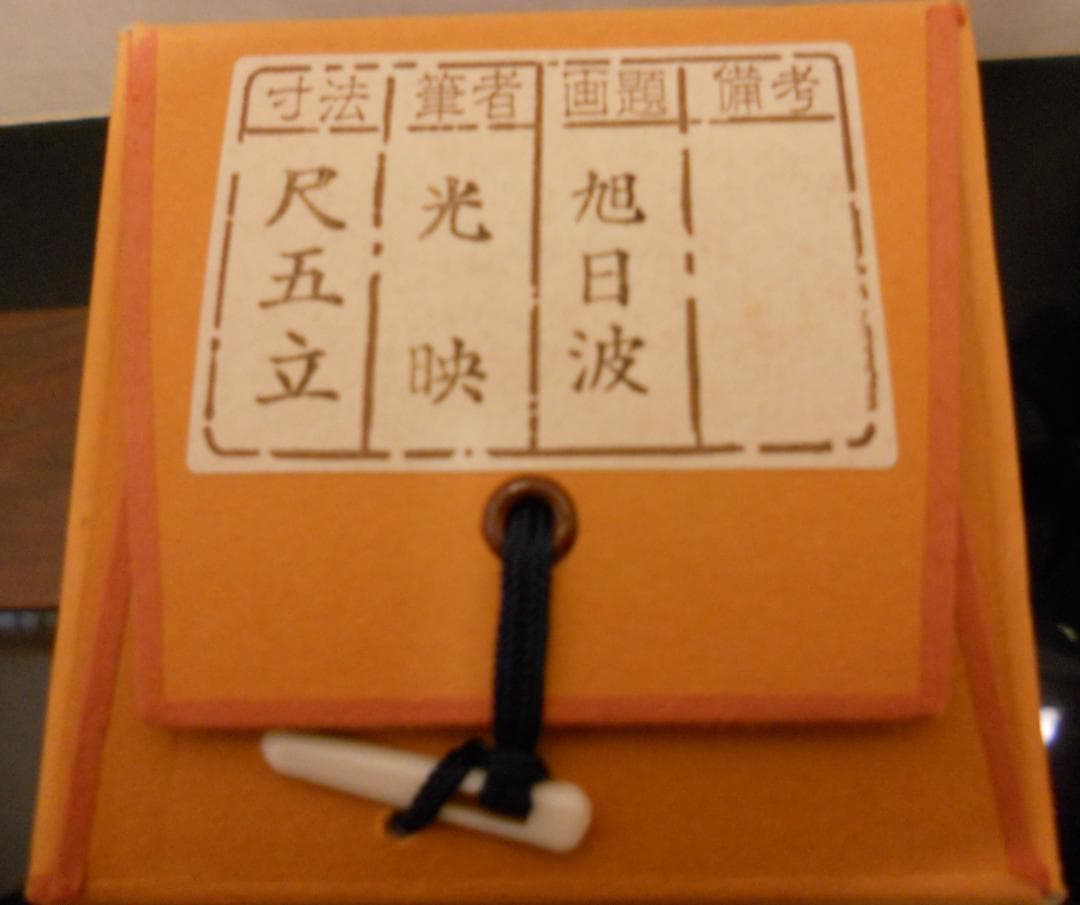
• Artist: Kawashima Koei (川島光映)
• Title: Kyokujitsu Seiha (旭日静波) — "Rising Sun Over Calm Waves"
• Medium: Nihonga pigments on silk (kenpon)
• Painting Dimensions: 398 × 1053 mm (approx. 15.7 × 41.5 in)
• Format: Kakejiku (hanging scroll) with cream silk brocade mounting
• Condition: Excellent — minimal wear, clean surface, stable mounting
• Origin: Japan
• Era: Contemporary
━━━━━━━━━━━━━━━━━━━━
🔹 [ Cultural & Artistic Insight ]
Kawashima Koei's Kyokujitsu Seiha captures the timeless moment when the rising sun meets the ocean horizon — a subject deeply rooted in Japanese visual culture. The composition is disarmingly simple: a large vermillion disc suspended in pale sky, calm waves rendered in subtle grey-blue washes below, with atmospheric mist dissolving the boundary between elements. This minimalist approach reflects the nihonga tradition's emphasis on suggestion over description, where empty space carries as much weight as brushwork.
The title Kyokujitsu Seiha (旭日静波) translates to "Rising Sun Over Calm Waves," evoking both literal observation and symbolic resonance. In Japanese aesthetics, the rising sun represents renewal, clarity, and the quiet strength of natural cycles. The artist's restraint — using only essential colors and forms — creates a meditative viewing experience that rewards sustained attention. The silk ground allows pigments to absorb and glow with inner luminosity, particularly visible in the sun's warm gradations and the sea's cool transparency.
"The sun rises not to announce itself, but to illuminate what was always there."
━━━━━━━━━━━━━━━━━━━━
🔹 [ Deep-Dive Commentary ]
**Nihonga Painting Technique**: Nihonga emerged in the Meiji period as a conscious effort to preserve traditional techniques while engaging with modern sensibilities. Kawashima Koei works within this lineage, using mineral pigments (gofun, vermillion, indigo) ground and mixed with animal glue binders. The silk ground requires meticulous preparation — sizing, stretching, priming — to accept pigments without bleeding. The result is a matte, almost fresco-like surface that diffuses light rather than reflecting it, creating depth through tonal layering.
**Composition & Spatial Dynamics**: The scroll's vertical format naturally suggests upward movement, reinforced by the sun's placement in the upper third. Yet the composition achieves balance through the horizontal rhythm of wave forms below, grounding the celestial element. The atmospheric haze occupying the middle register — neither sky nor sea — functions as a transitional zone, softening what could otherwise be a stark division. This ambiguity is intentional: the viewer's eye moves fluidly between realms, mirroring the liminal quality of dawn itself.
**Symbolism of Sun & Water**: In Japanese iconography, the rising sun (asahi) carries associations with Shinto cosmology and the cyclical nature of existence. Paired with calm waters (seiha), the imagery suggests equilibrium — active yang energy (sun) balanced by receptive yin energy (water). The absence of human presence or narrative content allows the work to function as a meditative object, inviting contemplation without imposing interpretation.
**Mounting & Display Context**: The scroll's mounting uses cream silk brocade with traditional accent strips, creating a neutral frame that does not compete with the painting. Hanging scrolls are designed for seasonal rotation in the tokonoma alcove. Kyokujitsu Seiha would traditionally be shown in early spring or New Year celebrations, times associated with renewal and auspicious beginnings.
━━━━━━━━━━━━━━━━━━━━
[ JAPANESE DESCRIPTION / 日本語解説 ]
🔹 [ 基本情報 ]
• 作家:川島光映
• 画題:旭日静波 — 昇る太陽と静かな波
• 技法:絹本着色(日本画顔料)
• 本紙寸法:398 × 1053 mm
• 表装:クリーム色絹地
• 状態:美品 — 損傷なし、表装安定
🔹 [ 解説 ]
川島光映の「旭日静波」は、朱色の太陽と穏やかな波を描いた絹本掛軸です。上部に大きな朱色の太陽円盤、下部に灰青色の波、そして両者を結ぶ霞のような大気層から成るシンプルかつ力強い構図が特徴です。
日本画の伝統である「余白の美」を体現し、描かれた部分と描かれない部分が等しい重みを持ちます。絹本に描かれた作品は、顔料が繊維に吸収されることで内側から発光するような質感を生み出します。
旭日は更新と再生の象徴として、正月や慶事の床の間飾りに適しています。静かな波との対比が、動と静、陽と陰の調和を表現しています。
━━━━━━━━━━━━━━━━━━━━
🔹 [ SHIPPING & PACKAGING ]
• Dispatch: Within 1-6 business days
• Carrier: Japan Post EMS / UPS (with tracking)
• Packaging: Carefully wrapped with protective materials
━━━━━━━━━━━━━━━━━━━━
🔹 [ Basic Details ]
• Artist: Kawashima Koei (川島光映)
• Title: Kyokujitsu Seiha (旭日静波) — "Rising Sun Over Calm Waves"
• Medium: Nihonga pigments on silk (kenpon)
• Painting Dimensions: 398 × 1053 mm (approx. 15.7 × 41.5 in)
• Format: Kakejiku (hanging scroll) with cream silk brocade mounting
• Condition: Excellent — minimal wear, clean surface, stable mounting
• Origin: Japan
• Era: Contemporary
━━━━━━━━━━━━━━━━━━━━
🔹 [ Cultural & Artistic Insight ]
Kawashima Koei's Kyokujitsu Seiha captures the timeless moment when the rising sun meets the ocean horizon — a subject deeply rooted in Japanese visual culture. The composition is disarmingly simple: a large vermillion disc suspended in pale sky, calm waves rendered in subtle grey-blue washes below, with atmospheric mist dissolving the boundary between elements. This minimalist approach reflects the nihonga tradition's emphasis on suggestion over description, where empty space carries as much weight as brushwork.
The title Kyokujitsu Seiha (旭日静波) translates to "Rising Sun Over Calm Waves," evoking both literal observation and symbolic resonance. In Japanese aesthetics, the rising sun represents renewal, clarity, and the quiet strength of natural cycles. The artist's restraint — using only essential colors and forms — creates a meditative viewing experience that rewards sustained attention. The silk ground allows pigments to absorb and glow with inner luminosity, particularly visible in the sun's warm gradations and the sea's cool transparency.
"The sun rises not to announce itself, but to illuminate what was always there."
━━━━━━━━━━━━━━━━━━━━
🔹 [ Deep-Dive Commentary ]
**Nihonga Painting Technique**: Nihonga emerged in the Meiji period as a conscious effort to preserve traditional techniques while engaging with modern sensibilities. Kawashima Koei works within this lineage, using mineral pigments (gofun, vermillion, indigo) ground and mixed with animal glue binders. The silk ground requires meticulous preparation — sizing, stretching, priming — to accept pigments without bleeding. The result is a matte, almost fresco-like surface that diffuses light rather than reflecting it, creating depth through tonal layering.
**Composition & Spatial Dynamics**: The scroll's vertical format naturally suggests upward movement, reinforced by the sun's placement in the upper third. Yet the composition achieves balance through the horizontal rhythm of wave forms below, grounding the celestial element. The atmospheric haze occupying the middle register — neither sky nor sea — functions as a transitional zone, softening what could otherwise be a stark division. This ambiguity is intentional: the viewer's eye moves fluidly between realms, mirroring the liminal quality of dawn itself.
**Symbolism of Sun & Water**: In Japanese iconography, the rising sun (asahi) carries associations with Shinto cosmology and the cyclical nature of existence. Paired with calm waters (seiha), the imagery suggests equilibrium — active yang energy (sun) balanced by receptive yin energy (water). The absence of human presence or narrative content allows the work to function as a meditative object, inviting contemplation without imposing interpretation.
**Mounting & Display Context**: The scroll's mounting uses cream silk brocade with traditional accent strips, creating a neutral frame that does not compete with the painting. Hanging scrolls are designed for seasonal rotation in the tokonoma alcove. Kyokujitsu Seiha would traditionally be shown in early spring or New Year celebrations, times associated with renewal and auspicious beginnings.
━━━━━━━━━━━━━━━━━━━━
[ JAPANESE DESCRIPTION / 日本語解説 ]
🔹 [ 基本情報 ]
• 作家:川島光映
• 画題:旭日静波 — 昇る太陽と静かな波
• 技法:絹本着色(日本画顔料)
• 本紙寸法:398 × 1053 mm
• 表装:クリーム色絹地
• 状態:美品 — 損傷なし、表装安定
🔹 [ 解説 ]
川島光映の「旭日静波」は、朱色の太陽と穏やかな波を描いた絹本掛軸です。上部に大きな朱色の太陽円盤、下部に灰青色の波、そして両者を結ぶ霞のような大気層から成るシンプルかつ力強い構図が特徴です。
日本画の伝統である「余白の美」を体現し、描かれた部分と描かれない部分が等しい重みを持ちます。絹本に描かれた作品は、顔料が繊維に吸収されることで内側から発光するような質感を生み出します。
旭日は更新と再生の象徴として、正月や慶事の床の間飾りに適しています。静かな波との対比が、動と静、陽と陰の調和を表現しています。
━━━━━━━━━━━━━━━━━━━━
🔹 [ SHIPPING & PACKAGING ]
• Dispatch: Within 1-6 business days
• Carrier: Japan Post EMS / UPS (with tracking)
• Packaging: Carefully wrapped with protective materials
Quantity
Couldn't load pickup availability
Low stock: 1 left
View full details