1
/
of
10
Kato Tokuro Karatsu-Style Guinomi Sake Cup Natural Ash Glaze Masterwork
Kato Tokuro Karatsu-Style Guinomi Sake Cup Natural Ash Glaze Masterwork
Regular price
Dhs. 1,567.00 AED
Regular price
Sale price
Dhs. 1,567.00 AED
Taxes included.
Shipping calculated at checkout.
A Karatsu-style guinomi by Kato Tokuro — one of the defining figures of 20th-century Japanese ceramics. This small vessel carries enormous cultural weight: natural ash glaze pooling in muted tones of green-gold and brown, a coarse stoneware body that speaks directly of the earth, and the compact generous form that makes Karatsu sake cups among the most tactile objects in Japanese art. Comes in double tomobako. A serious work for the serious collector.
🔹 [ BASIC DETAILS ]
• Artist: Kato Tokuro (加藤唐九郎, 1898–1985), Aichi Prefecture
• Technique: Karatsu-fuu (Karatsu-style), natural ash glaze, anagama or noborigama wood-fired
• Era: 20th century (Showa period)
• Origin: Aichi Prefecture (Seto region), Japan
• Dimensions: Diameter approx. 8.5 cm, Height approx. 5 cm
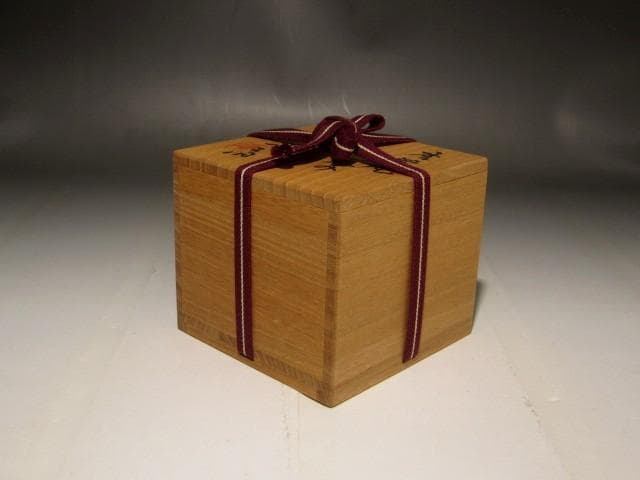
• Box: Double tomobako (inner and outer wooden boxes) with brush inscription 唐津風 ぐい呑 / 一葉斎
• Condition: Good vintage condition with natural use patina consistent with age.
🔹 [ CULTURAL & ARTISTIC INSIGHT ]
Kato Tokuro stands among the pantheon of 20th-century Japanese potters. Born in Aichi Prefecture in 1898, he spent decades researching ancient kiln sites across Japan, reconstructed lost Mino ware techniques (including Shino and Oribe), and became instrumental in the revival and scholarly understanding of traditional Japanese ceramics. His work was central to the post-war renaissance of Japanese ceramic culture.
A Karatsu-style work from Tokuro brings together two of Japan's great ceramic traditions: the wild, earthy naturalism of Karatsu ware — which developed in northern Kyushu under Korean influence in the 16th century — filtered through Tokuro's Mino sensibility and deep archaeological knowledge. The result is a sake cup that feels simultaneously ancient and utterly personal.
🔹 [ DEEP-DIVE COMMENTARY ]
The surface of this guinomi shows what ash glaze does when it is allowed to behave: pools of muted olive-green and golden-brown gather at the lower register, while the upper shoulder retains the roughness of the clay body beneath. A dark iron-brown drip traces the exterior — not applied, but arrived. The rim is irregular, slightly rugged, cut deliberately to avoid the perfection that Tokuro considered an aesthetic error.
The foot ring is intentionally minimal and slightly rough — the kind of base a Karatsu potter would leave to preserve directness between clay and surface. The interior, visible from above, shows a simple unadorned depth.
The double tomobako is inscribed 唐津風 ぐい呑 (Karatsu-style sake cup) with the seal 一葉斎 — one of Tokuro's known studio/kiln designations. Such a double-boxed presentation is reserved for works the artist considered significant enough to protect across generations.
For the collector of Showa-era ceramics, sake cup enthusiasts, or students of Japanese ceramic history, this piece represents direct access to one of the period's most consequential artistic minds.
---
[ JAPANESE DESCRIPTION / 日本語解説 ]
🔹 [ 基本情報 ]
• 作家:加藤唐九郎(1898-1985年)
• 技法:唐津風、自然釉(穴窯または登り窯焼成)
• 年代:昭和期
• 産地:愛知県(瀬戸地域)
• サイズ:直径約8.5cm、高さ約5cm
• 付属品:二重共箱(「唐津風 ぐい呑 一葉斎」墨書)
• 状態:時代相応の味わいある景色あり。状態良好。
🔹 [ 文化・芸術解説 ]
加藤唐九郎は、20世紀日本陶芸界を代表する巨匠の一人。全国の古窯跡を踏査し、志野・織部などの古陶技法を復元した功績は計り知れない。本作は唐津風のぐい呑で、16世紀に朝鮮半島の影響を受けて九州北部で生まれた唐津焼の野趣を、唐九郎の美意識で昇華したもの。
🔹 [ 詳細解説 ]
器面に流れる自然釉は、オリーブグリーンと金褐色が静かに溜まり、鉄釉の垂れが景色を引き締める。口縁はあえて不均一に仕上げられ、「完璧を避ける」という唐九郎の美学が宿る。二重共箱は本作が選ばれた一点であることを物語る。酒器コレクター、昭和陶芸の探求者に強く推薦する。
🔹 [ SHIPPING & PACKAGING ]
• Dispatch: Within 1-6 business days
• Carrier: Japan Post EMS / UPS (with tracking)
• Packaging: Carefully wrapped with protective materials
🔹 [ BASIC DETAILS ]
• Artist: Kato Tokuro (加藤唐九郎, 1898–1985), Aichi Prefecture
• Technique: Karatsu-fuu (Karatsu-style), natural ash glaze, anagama or noborigama wood-fired
• Era: 20th century (Showa period)
• Origin: Aichi Prefecture (Seto region), Japan
• Dimensions: Diameter approx. 8.5 cm, Height approx. 5 cm
• Box: Double tomobako (inner and outer wooden boxes) with brush inscription 唐津風 ぐい呑 / 一葉斎
• Condition: Good vintage condition with natural use patina consistent with age.
🔹 [ CULTURAL & ARTISTIC INSIGHT ]
Kato Tokuro stands among the pantheon of 20th-century Japanese potters. Born in Aichi Prefecture in 1898, he spent decades researching ancient kiln sites across Japan, reconstructed lost Mino ware techniques (including Shino and Oribe), and became instrumental in the revival and scholarly understanding of traditional Japanese ceramics. His work was central to the post-war renaissance of Japanese ceramic culture.
A Karatsu-style work from Tokuro brings together two of Japan's great ceramic traditions: the wild, earthy naturalism of Karatsu ware — which developed in northern Kyushu under Korean influence in the 16th century — filtered through Tokuro's Mino sensibility and deep archaeological knowledge. The result is a sake cup that feels simultaneously ancient and utterly personal.
🔹 [ DEEP-DIVE COMMENTARY ]
The surface of this guinomi shows what ash glaze does when it is allowed to behave: pools of muted olive-green and golden-brown gather at the lower register, while the upper shoulder retains the roughness of the clay body beneath. A dark iron-brown drip traces the exterior — not applied, but arrived. The rim is irregular, slightly rugged, cut deliberately to avoid the perfection that Tokuro considered an aesthetic error.
The foot ring is intentionally minimal and slightly rough — the kind of base a Karatsu potter would leave to preserve directness between clay and surface. The interior, visible from above, shows a simple unadorned depth.
The double tomobako is inscribed 唐津風 ぐい呑 (Karatsu-style sake cup) with the seal 一葉斎 — one of Tokuro's known studio/kiln designations. Such a double-boxed presentation is reserved for works the artist considered significant enough to protect across generations.
For the collector of Showa-era ceramics, sake cup enthusiasts, or students of Japanese ceramic history, this piece represents direct access to one of the period's most consequential artistic minds.
---
[ JAPANESE DESCRIPTION / 日本語解説 ]
🔹 [ 基本情報 ]
• 作家:加藤唐九郎(1898-1985年)
• 技法:唐津風、自然釉(穴窯または登り窯焼成)
• 年代:昭和期
• 産地:愛知県(瀬戸地域)
• サイズ:直径約8.5cm、高さ約5cm
• 付属品:二重共箱(「唐津風 ぐい呑 一葉斎」墨書)
• 状態:時代相応の味わいある景色あり。状態良好。
🔹 [ 文化・芸術解説 ]
加藤唐九郎は、20世紀日本陶芸界を代表する巨匠の一人。全国の古窯跡を踏査し、志野・織部などの古陶技法を復元した功績は計り知れない。本作は唐津風のぐい呑で、16世紀に朝鮮半島の影響を受けて九州北部で生まれた唐津焼の野趣を、唐九郎の美意識で昇華したもの。
🔹 [ 詳細解説 ]
器面に流れる自然釉は、オリーブグリーンと金褐色が静かに溜まり、鉄釉の垂れが景色を引き締める。口縁はあえて不均一に仕上げられ、「完璧を避ける」という唐九郎の美学が宿る。二重共箱は本作が選ばれた一点であることを物語る。酒器コレクター、昭和陶芸の探求者に強く推薦する。
🔹 [ SHIPPING & PACKAGING ]
• Dispatch: Within 1-6 business days
• Carrier: Japan Post EMS / UPS (with tracking)
• Packaging: Carefully wrapped with protective materials
Quantity
Couldn't load pickup availability
Out of stock
View full details