1
/
of
9
Kato Kiichi Mino-Iga Mizusashi Water Jar Natural Ash Glaze
Kato Kiichi Mino-Iga Mizusashi Water Jar Natural Ash Glaze
Regular price
Dhs. 727.00 AED
Regular price
Sale price
Dhs. 727.00 AED
Taxes included.
Shipping calculated at checkout.
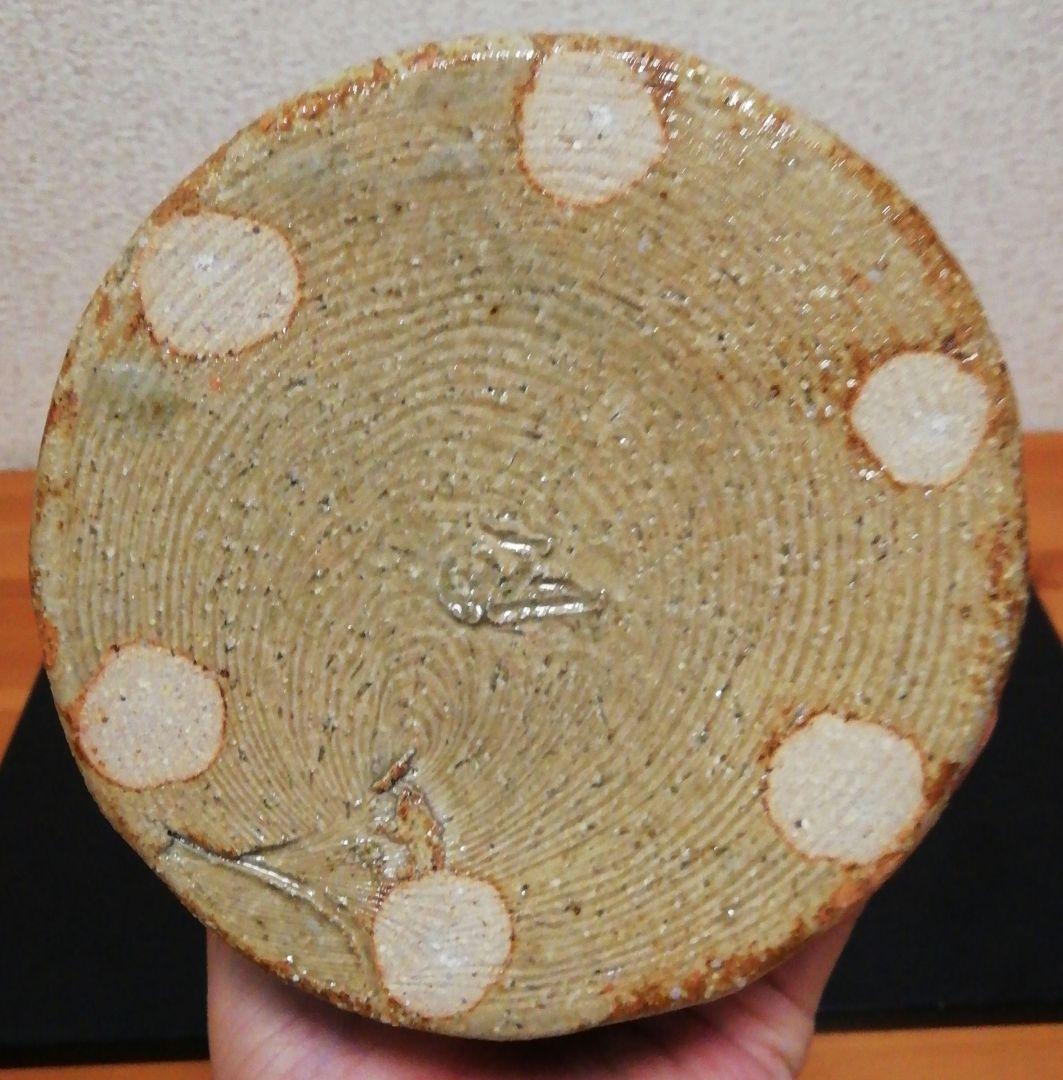
Discover this Mino-Iga Mizusashi by Mino-region potter Kato Kiichi. This Natural Ash Glaze Water Jar features dramatic Bidoro Glaze Splashes on a deeply textured Iron-Brown Body with carved wave patterns — a must-have for any Art Collector seeking Japanese Tea Ceremony vessels, Mino-Iga Pottery, and Wabi-Sabi Ceramics.
━━━━━━━━━━━━━━━━━━━━
🔹 [ BASIC DETAILS ]
• Artist: Kato Kiichi (加藤喜一) — Mino-region potter
• Style: Mino-Iga (美濃伊賀) — Iga-style pottery produced in Mino (Gifu Prefecture)
• Technique: Natural ash glaze (shizen-yu), iron-rich clay body, carved surface texture
• Form: Hoso-mizusashi (細水指) — tall/narrow water jar
• Origin: Mino, Gifu Prefecture, Japan
• Era: 2010–2019
• Dimensions: Mouth approx. 10.5 cm, Width approx. 13 cm, Height approx. 21 cm (4.1" × 5.1" × 8.3")
• Box: Signed tomobako inscribed '美濃伊賀 細水指' with '喜一' signature
• Condition: Excellent — glaze effects vivid, structure sound
━━━━━━━━━━━━━━━━━━━━
🔹 [ CULTURAL & ARTISTIC INSIGHT ]
Iga ware does not ask to be understood immediately. It arrives at the table carrying the evidence of its making — ash that fell where it fell, fire that moved where the draft carried it, clay that cracked and healed in the kiln's own time. The tradition originating in Iga Province (now Mie Prefecture) produced some of the most revered water jars in tea history, vessels so deeply marked by the kiln that each one became a landscape.
Kato Kiichi works in the Mino-Iga tradition — Iga aesthetic pursued through Mino clay and Mino kilns. The distinction matters. Mino potters bring their own geological inheritance: iron-rich clay from the hills of Gifu, a different relationship between body and flame. The result is a vessel that speaks Iga's language with a Mino accent — the same reverence for the kiln's authority, the same willingness to let fire decide, but grounded in a different earth.
This mizusashi stands tall and narrow — the hoso (細) form that elongates the vertical axis and concentrates the drama of the glaze into a column. Rust-brown and ochre dominate the body, the iron clay revealing itself through the glaze. Bold white ash splashes — bidoro — cascade down the surface where wood ash landed and melted to glass during firing. At the base, carved wave patterns (nami) add a human mark to the kiln's natural calligraphy.
*"The kiln wrote first. The potter carved second. The ash had the final word."*
━━━━━━━━━━━━━━━━━━━━
🔹 [ DEEP-DIVE COMMENTARY ]
**Mino-Iga — Two Traditions in One Vessel**: The term Mino-Iga (美濃伊賀) identifies a specific cross-pollination in Japanese ceramic history. Iga ware — born in the kilns of Iga Province — is celebrated for its wild, fire-scarred surfaces and its deep association with chanoyu. Mino, the neighboring ceramic powerhouse that produced Shino, Oribe, and Kiseto, developed its own relationship with high-temperature wood-firing. When a Mino potter works in the Iga manner, they bring Mino's iron-heavy clays and kiln engineering to Iga's aesthetic of controlled surrender. The resulting vessels occupy a space between two traditions — neither purely Iga nor purely Mino, but a conversation between them.
**Bidoro — Glass Born from Ash**: The white splashes cascading down this mizusashi are bidoro (ビードロ) — natural ash glaze formed when wood ash settles on the vessel during multi-day firing and melts into glass at peak temperatures. Bidoro is not applied. It is received. The potter can influence its placement through kiln loading and stoking patterns, but the final distribution belongs to the fire. On this jar, the bidoro flows in dramatic rivulets over the rust-brown body, creating a contrast that tea masters have prized since the Momoyama period — the meeting of earth and sky on a single surface.
**Carved Wave Patterns (Nami)**: At the base of the jar, Kato Kiichi has carved deep wave patterns into the clay before firing. This is the potter's one deliberate inscription on a vessel otherwise surrendered to the kiln. The waves reference water — appropriate for a mizusashi, which holds the fresh water used to replenish the kama during tea preparation. They also establish a visual rhythm that grounds the wildness of the ash glaze above, anchoring the kiln's chaos to human intention.
**The Lid as Landscape**: The lid receives its own glaze treatment — an iron-red line crossing the surface with white ash patches, and a small round knob rising from the center. Viewed from above, the lid reads as its own terrain: a hilltop bisected by a stream, ash-snow gathering in the valleys. In use, this is the first surface the guest sees when the host presents the mizusashi — the opening statement of the water jar's presence in the tearoom.
━━━━━━━━━━━━━━━━━━━━
🔹 [ 日本語解説 ]
【基本情報】
• 作家:加藤喜一
• 様式:美濃伊賀
• 技法:自然釉(灰被り)、鉄分を含む陶土、彫り文様
• 形状:細水指
• 産地:美濃(岐阜県)
• 時代:2010年代
• 寸法:口径約10.5cm × 胴幅約13cm × 高さ約21cm
• 付属:共箱(「美濃伊賀 細水指」箱書き、「喜一」署名)
• 状態:優良——釉景色鮮明、健全
【解説】
美濃の陶工・加藤喜一による美濃伊賀の細水指です。美濃伊賀とは、伊賀焼の美意識——窯の火に身を委ね、灰と炎が生み出す景色を尊重する姿勢——を、美濃の土と窯で追求した焼き物です。鉄分を多く含む美濃の土は焼成によって深い錆茶色を呈し、その上に自然降灰のビードロ(白い灰釉の溶融ガラス)が大胆に流れ落ちています。ビードロは人為的に施す釉薬ではなく、長時間の薪窯焼成で降り積もった木灰が高温で溶けたもので、その配置は窯と火の対話によって決まります。胴の下部には波(なみ)の彫り文様が刻まれ、水指としての用途——茶の湯の釜に水を注ぐ器——を静かに示唆しています。力強い存在感と、窯任せの潔さが同居する一品です。共箱付き。
━━━━━━━━━━━━━━━━━━━━
🔹 [ SHIPPING & PACKAGING ]
• Dispatch: Within 1-6 business days
• Carrier: Japan Post EMS / UPS (with tracking)
• Packaging: Carefully wrapped with protective materials
*Rust and ash on a column of Mino clay — the kiln wrote in bidoro, the potter answered in carved waves, and the water jar stands between them, holding both.*
━━━━━━━━━━━━━━━━━━━━
🔹 [ BASIC DETAILS ]
• Artist: Kato Kiichi (加藤喜一) — Mino-region potter
• Style: Mino-Iga (美濃伊賀) — Iga-style pottery produced in Mino (Gifu Prefecture)
• Technique: Natural ash glaze (shizen-yu), iron-rich clay body, carved surface texture
• Form: Hoso-mizusashi (細水指) — tall/narrow water jar
• Origin: Mino, Gifu Prefecture, Japan
• Era: 2010–2019
• Dimensions: Mouth approx. 10.5 cm, Width approx. 13 cm, Height approx. 21 cm (4.1" × 5.1" × 8.3")
• Box: Signed tomobako inscribed '美濃伊賀 細水指' with '喜一' signature
• Condition: Excellent — glaze effects vivid, structure sound
━━━━━━━━━━━━━━━━━━━━
🔹 [ CULTURAL & ARTISTIC INSIGHT ]
Iga ware does not ask to be understood immediately. It arrives at the table carrying the evidence of its making — ash that fell where it fell, fire that moved where the draft carried it, clay that cracked and healed in the kiln's own time. The tradition originating in Iga Province (now Mie Prefecture) produced some of the most revered water jars in tea history, vessels so deeply marked by the kiln that each one became a landscape.
Kato Kiichi works in the Mino-Iga tradition — Iga aesthetic pursued through Mino clay and Mino kilns. The distinction matters. Mino potters bring their own geological inheritance: iron-rich clay from the hills of Gifu, a different relationship between body and flame. The result is a vessel that speaks Iga's language with a Mino accent — the same reverence for the kiln's authority, the same willingness to let fire decide, but grounded in a different earth.
This mizusashi stands tall and narrow — the hoso (細) form that elongates the vertical axis and concentrates the drama of the glaze into a column. Rust-brown and ochre dominate the body, the iron clay revealing itself through the glaze. Bold white ash splashes — bidoro — cascade down the surface where wood ash landed and melted to glass during firing. At the base, carved wave patterns (nami) add a human mark to the kiln's natural calligraphy.
*"The kiln wrote first. The potter carved second. The ash had the final word."*
━━━━━━━━━━━━━━━━━━━━
🔹 [ DEEP-DIVE COMMENTARY ]
**Mino-Iga — Two Traditions in One Vessel**: The term Mino-Iga (美濃伊賀) identifies a specific cross-pollination in Japanese ceramic history. Iga ware — born in the kilns of Iga Province — is celebrated for its wild, fire-scarred surfaces and its deep association with chanoyu. Mino, the neighboring ceramic powerhouse that produced Shino, Oribe, and Kiseto, developed its own relationship with high-temperature wood-firing. When a Mino potter works in the Iga manner, they bring Mino's iron-heavy clays and kiln engineering to Iga's aesthetic of controlled surrender. The resulting vessels occupy a space between two traditions — neither purely Iga nor purely Mino, but a conversation between them.
**Bidoro — Glass Born from Ash**: The white splashes cascading down this mizusashi are bidoro (ビードロ) — natural ash glaze formed when wood ash settles on the vessel during multi-day firing and melts into glass at peak temperatures. Bidoro is not applied. It is received. The potter can influence its placement through kiln loading and stoking patterns, but the final distribution belongs to the fire. On this jar, the bidoro flows in dramatic rivulets over the rust-brown body, creating a contrast that tea masters have prized since the Momoyama period — the meeting of earth and sky on a single surface.
**Carved Wave Patterns (Nami)**: At the base of the jar, Kato Kiichi has carved deep wave patterns into the clay before firing. This is the potter's one deliberate inscription on a vessel otherwise surrendered to the kiln. The waves reference water — appropriate for a mizusashi, which holds the fresh water used to replenish the kama during tea preparation. They also establish a visual rhythm that grounds the wildness of the ash glaze above, anchoring the kiln's chaos to human intention.
**The Lid as Landscape**: The lid receives its own glaze treatment — an iron-red line crossing the surface with white ash patches, and a small round knob rising from the center. Viewed from above, the lid reads as its own terrain: a hilltop bisected by a stream, ash-snow gathering in the valleys. In use, this is the first surface the guest sees when the host presents the mizusashi — the opening statement of the water jar's presence in the tearoom.
━━━━━━━━━━━━━━━━━━━━
🔹 [ 日本語解説 ]
【基本情報】
• 作家:加藤喜一
• 様式:美濃伊賀
• 技法:自然釉(灰被り)、鉄分を含む陶土、彫り文様
• 形状:細水指
• 産地:美濃(岐阜県)
• 時代:2010年代
• 寸法:口径約10.5cm × 胴幅約13cm × 高さ約21cm
• 付属:共箱(「美濃伊賀 細水指」箱書き、「喜一」署名)
• 状態:優良——釉景色鮮明、健全
【解説】
美濃の陶工・加藤喜一による美濃伊賀の細水指です。美濃伊賀とは、伊賀焼の美意識——窯の火に身を委ね、灰と炎が生み出す景色を尊重する姿勢——を、美濃の土と窯で追求した焼き物です。鉄分を多く含む美濃の土は焼成によって深い錆茶色を呈し、その上に自然降灰のビードロ(白い灰釉の溶融ガラス)が大胆に流れ落ちています。ビードロは人為的に施す釉薬ではなく、長時間の薪窯焼成で降り積もった木灰が高温で溶けたもので、その配置は窯と火の対話によって決まります。胴の下部には波(なみ)の彫り文様が刻まれ、水指としての用途——茶の湯の釜に水を注ぐ器——を静かに示唆しています。力強い存在感と、窯任せの潔さが同居する一品です。共箱付き。
━━━━━━━━━━━━━━━━━━━━
🔹 [ SHIPPING & PACKAGING ]
• Dispatch: Within 1-6 business days
• Carrier: Japan Post EMS / UPS (with tracking)
• Packaging: Carefully wrapped with protective materials
*Rust and ash on a column of Mino clay — the kiln wrote in bidoro, the potter answered in carved waves, and the water jar stands between them, holding both.*
Quantity
Couldn't load pickup availability
Out of stock
View full details