1
/
of
6
Kato Hakka Yamazakura Chawan — Iro-e Cherry Blossom Tea Bowl, Kyo-yaki Kyoto Ceramics, Tomobako, Japanese Tea Ceremony
Kato Hakka Yamazakura Chawan — Iro-e Cherry Blossom Tea Bowl, Kyo-yaki Kyoto Ceramics, Tomobako, Japanese Tea Ceremony
Regular price
Dhs. 1,059.00 AED
Regular price
Sale price
Dhs. 1,059.00 AED
Taxes included.
Shipping calculated at checkout.
Kato Hakka yamazakura chawan. Iro-e cherry blossom tea bowl. Kyo-yaki Kyoto ceramics. Tomobako. Japanese tea ceremony. Overglaze enamel. Gold accent. Spring chawan. Kato Jōsui. Signed tea bowl.
🔹 [ BASIC DETAILS ]
• Artist: Kato Hakka (also known as Kato Jōsui)
• Tradition: Kyo-yaki / Kiyomizu-yaki, Kyoto
• Dimensions: Diameter 11.7 cm, Height 8.1 cm
• Condition: Excellent — no chips, cracks, or repairs
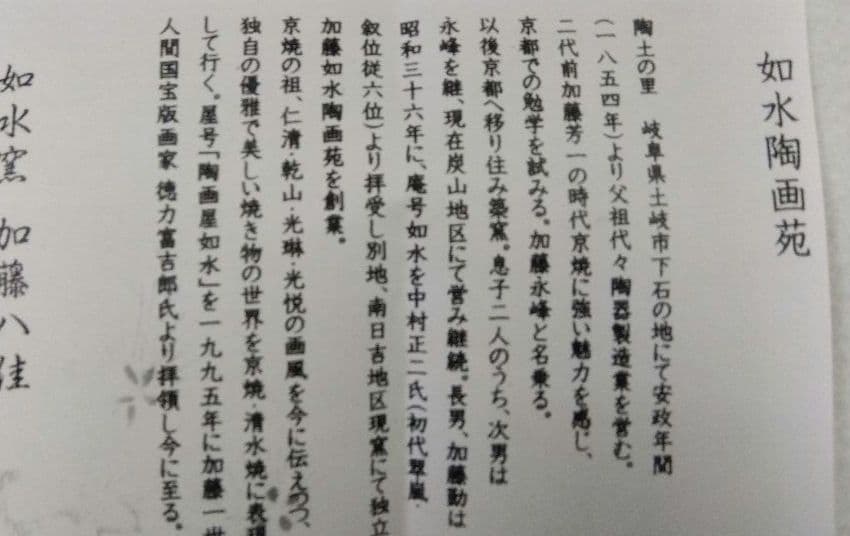
• Provenance: Tomobako (original wooden box) with artist biography (sakureki)
• SKU: 260228_a_2184
🔹 [ CULTURAL INSIGHT ]
The yamazakura — mountain cherry — is not the cultivated Yoshino variety that lines riverbanks in spring. It grows wild, its blossoms opening alongside new leaves in a quieter, less theatrical gesture. For Japanese artists and tea practitioners, this distinction carries weight. The yamazakura speaks of something unhurried, of nature on its own terms.
Kato Hakka, working within the Kyo-yaki lineage under the name Kato Jōsui, renders the yamazakura in iro-e — the overglaze enamel tradition that reached its height in Edo-period Kyoto. Pink and white petals are applied with a precision that reads, at a distance, as effortless. Gold-accented branches trace the curvature of the bowl. Petals scatter. The composition breathes.
🔹 [ DEEP-DIVE ]
Kyo-yaki (京焼) encompasses the refined ceramic traditions of Kyoto kilns, shaped over centuries by proximity to the imperial court, tea masters, and the Nishijin textile aesthetic. Iro-e (色絵) — literally "colored pictures" — is the overglaze painting technique that distinguished Kyoto ceramics from the restrained monochromes of the tea ceremony's earlier Zen-influenced period. Here, color is not decoration. It is argument.
The cream-white ground of this chawan provides the stillness against which the yamazakura speaks. Gold is used not to dazzle but to anchor — outlining branches, tracing the scatter of petals falling across the bowl's shoulder. The interior, seen when lifted to drink, reveals the same unhurried attention. A bowl made for looking into, as much as drinking from.
The tomobako carries the artist's inscription: 山桜絵 茶碗 / 八佳. The accompanying sakureki (作歴) documents the artist's lineage and training. These are not supplementary materials. They are part of the object's meaning.
🔹 [ 日本語解説 ]
加藤八佳(加藤如水)作の色絵山桜茶碗です。京焼・清水焼の伝統に根ざし、白地に金彩と色絵で山桜を繊細に描いています。花びらが舞い散る構図は風雅そのもの。共箱には「山桜絵 茶碗 八佳」の銘があり、作歴も付属します。春の茶席はもちろん、飾り茶碗としても存在感を放つ一碗です。
🔹 [ SHIPPING & PACKAGING ]
• Dispatch: Within 1-6 business days
• Carrier: Japan Post EMS / UPS (with tracking)
• Packaging: Carefully wrapped with protective materials
🔹 [ BASIC DETAILS ]
• Artist: Kato Hakka (also known as Kato Jōsui)
• Tradition: Kyo-yaki / Kiyomizu-yaki, Kyoto
• Dimensions: Diameter 11.7 cm, Height 8.1 cm
• Condition: Excellent — no chips, cracks, or repairs
• Provenance: Tomobako (original wooden box) with artist biography (sakureki)
• SKU: 260228_a_2184
🔹 [ CULTURAL INSIGHT ]
The yamazakura — mountain cherry — is not the cultivated Yoshino variety that lines riverbanks in spring. It grows wild, its blossoms opening alongside new leaves in a quieter, less theatrical gesture. For Japanese artists and tea practitioners, this distinction carries weight. The yamazakura speaks of something unhurried, of nature on its own terms.
Kato Hakka, working within the Kyo-yaki lineage under the name Kato Jōsui, renders the yamazakura in iro-e — the overglaze enamel tradition that reached its height in Edo-period Kyoto. Pink and white petals are applied with a precision that reads, at a distance, as effortless. Gold-accented branches trace the curvature of the bowl. Petals scatter. The composition breathes.
🔹 [ DEEP-DIVE ]
Kyo-yaki (京焼) encompasses the refined ceramic traditions of Kyoto kilns, shaped over centuries by proximity to the imperial court, tea masters, and the Nishijin textile aesthetic. Iro-e (色絵) — literally "colored pictures" — is the overglaze painting technique that distinguished Kyoto ceramics from the restrained monochromes of the tea ceremony's earlier Zen-influenced period. Here, color is not decoration. It is argument.
The cream-white ground of this chawan provides the stillness against which the yamazakura speaks. Gold is used not to dazzle but to anchor — outlining branches, tracing the scatter of petals falling across the bowl's shoulder. The interior, seen when lifted to drink, reveals the same unhurried attention. A bowl made for looking into, as much as drinking from.
The tomobako carries the artist's inscription: 山桜絵 茶碗 / 八佳. The accompanying sakureki (作歴) documents the artist's lineage and training. These are not supplementary materials. They are part of the object's meaning.
🔹 [ 日本語解説 ]
加藤八佳(加藤如水)作の色絵山桜茶碗です。京焼・清水焼の伝統に根ざし、白地に金彩と色絵で山桜を繊細に描いています。花びらが舞い散る構図は風雅そのもの。共箱には「山桜絵 茶碗 八佳」の銘があり、作歴も付属します。春の茶席はもちろん、飾り茶碗としても存在感を放つ一碗です。
🔹 [ SHIPPING & PACKAGING ]
• Dispatch: Within 1-6 business days
• Carrier: Japan Post EMS / UPS (with tracking)
• Packaging: Carefully wrapped with protective materials
Quantity
Couldn't load pickup availability
Out of stock
View full details