1
/
of
8
Karatsu Ware Matcha Bowl by Mogi Noboru (Museki) — Hiiro Glaze Drips, Signed Wooden Box
Karatsu Ware Matcha Bowl by Mogi Noboru (Museki) — Hiiro Glaze Drips, Signed Wooden Box
Regular price
Dhs. 611.00 AED
Regular price
Sale price
Dhs. 611.00 AED
Taxes included.
Shipping calculated at checkout.
Experience Authentic Japan Art with this Karatsu Ware Matcha Bowl. This Japanese Tea Ceremony Bowl serves as a Wabi Sabi Ceramic Gift and Handmade Stoneware Tea Bowl, featuring Karatsu Pottery Hiiro Glaze and Mogi Noboru Signed Work—a must-have for any Art Collector seeking Japanese Ceramic Art, Vintage Pottery Japan, and Tea Ceremony Accessories.
🔹 [ BASIC DETAILS ]
• Artist: Mogi Noboru (Museki) — contemporary Karatsu-ware potter working in the classical Karatsu tradition
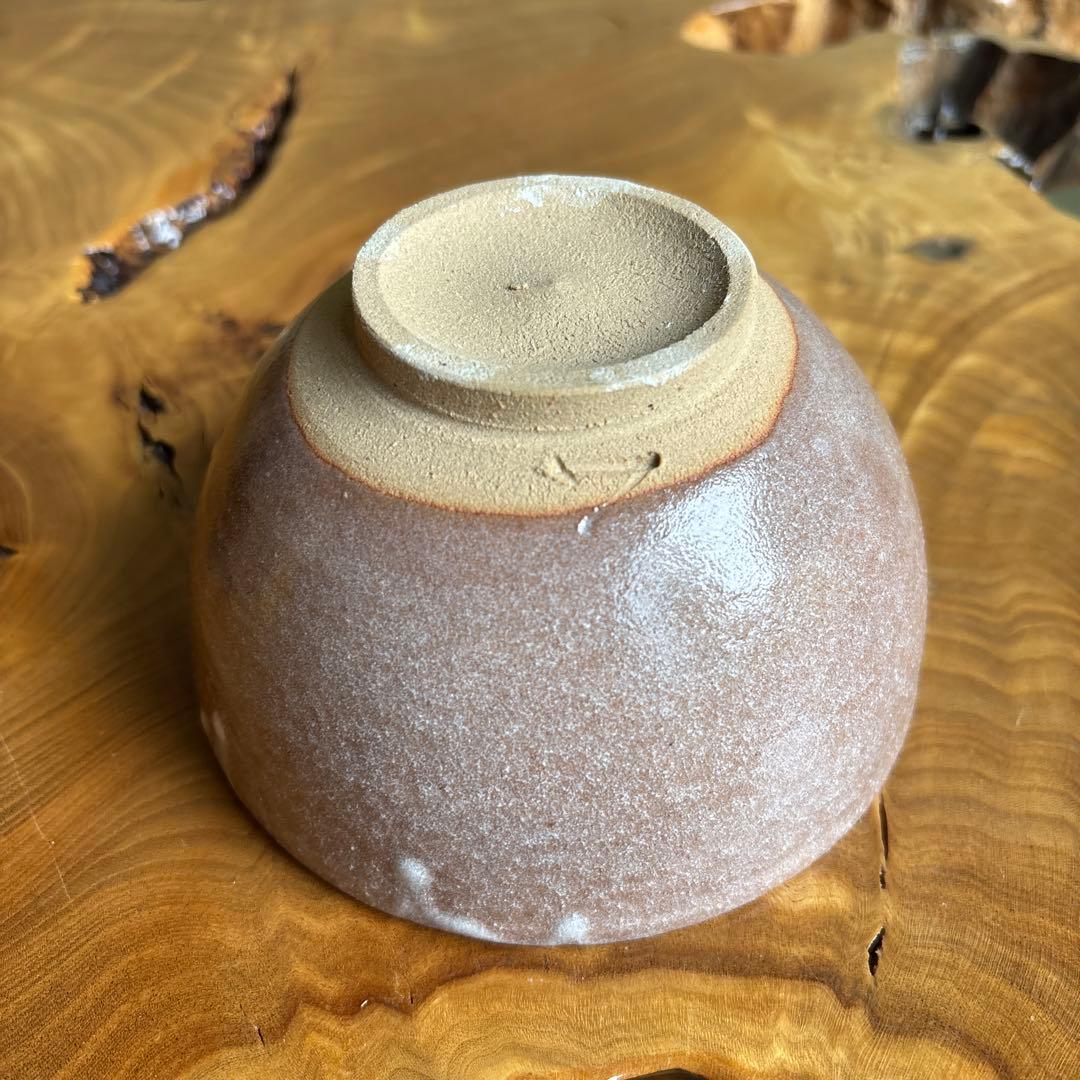
• Technique: Kohiki-style white slip ground with dramatic hiiro (scarlet flame) iron-rich clay body; feldspathic nuka glaze drips cascading from shoulder
• Era: 2000s–2010s (contemporary, post-2000 period)
• Origin: Karatsu, Saga Prefecture, Kyushu, Japan
• Dimensions: Diameter approx. 12.7 cm, Height approx. 7.5 cm
• Box: Signed tomobako (artist's own wooden box) with calligraphy inscription
• Condition: No chips or cracks. Excellent condition throughout.
🔹 [ CULTURAL & ARTISTIC INSIGHT ]
Karatsu ware (Karatsu-yaki) occupies a singular place in the world of Japanese ceramics — beloved above all others by tea masters for its direct, undecorated honesty. Sen no Rikyu, the great codifier of wabi-cha, is said to have ranked tea bowls as: first Ido, second Raku, third Karatsu (ichi-Ido, ni-Raku, san-Karatsu). That hierarchy endures. What draws connoisseurs to Karatsu is precisely what defies description: the clay speaks. Mogi Noboru, working under the art name Museki ("without stone," evoking the Zen quality of unimpeded nature), has devoted his practice to the most elemental expression of Karatsu's ancient vocabulary.
This chawan is an exercise in restraint transfigured. The body clay — iron-rich, sandy, with a faint warm rose-mauve tone — carries what Karatsu potters call the tsuchi-aji (earth flavor): a tactile aliveness beneath your palms as you warm the bowl with water before whisking matcha. Over this ground, the potter has allowed drips of white nuka or feldspathic glaze to cascade freely from the shoulder, forming three or four languid rivulets that freeze mid-fall like snow caught at dusk. These drips create what connoisseurs call "keshiki" — landscape scenery within the glaze — each one unique, unrepeatable.
The interior glows with the same dusty mineral sparkle, tiny crystalline flecks catching winter light. The foot ring (kodai) is deliberately left raw, exposing the Karatsu clay in its purest form — a quiet conversation between made and unmade, finished and still becoming.
Poetic line: "White glaze falls slowly as the first snow — arrested mid-descent, the bowl holds winter's stillness forever."
🔹 [ DEEP-DIVE COMMENTARY ]
Karatsu-yaki emerged in the late 16th century when Korean potters, brought to Kyushu following Toyotomi Hideyoshi's invasions of the Korean peninsula (1592–1598), established kilns in the Karatsu domain of present-day Saga Prefecture. These Korean craftsmen — known in Japan as "kiln gods" (kamagami) — brought with them techniques and clay sensibilities that were fundamentally different from the refined porcelain traditions of Arita. The result was a robust, unpretentious stoneware that resonated deeply with the wabi aesthetic then being crystallized by the tea masters of the Momoyama period.
The kohiki technique visible in this bowl — a white-slip application over a darker clay body — is one of Karatsu's oldest and most revered approaches. The slip is typically composed of local feldspathic white clay (often called "shirashitsu" or white earth), applied thickly enough to mute the red-brown iron body beneath but thinly enough that the warmth of the clay bleeds through in patches, creating the mottled, living surface so prized in chanoyu. The hiiro (scarlet fire) zones where the clay glows warm beneath the glaze are considered auspicious — they speak of the kiln's breath, of the moment when fire and clay became one.
Mogi Noboru (Museki) represents the continuity of this living tradition. The name "Museki" — literally "without stone" or "without obstruction" — carries a Zen connotation: the potter who removes all artificial impediment to let the clay speak its own truth. His forms are classical in proportion but handled with the ease of a practitioner who has internalized the tradition rather than merely imitated it. The generous mouth of this chawan allows for vigorous whisking (chasen-tori), while the rounded belly retains heat and fits naturally in two hands — ergonomic wisdom accumulated across four centuries of tea culture.
The signed tomobako (artist's personal box, inscribed in the potter's own hand) elevates this piece beyond mere functional ware into the category of documented, attributable art. In the Japanese art market, the presence of a tomobako is the primary marker of a serious collectible — it establishes provenance, confirms authorship, and creates the chain of custody that future collectors will depend upon. For Karatsu ware specifically, where the differences between authentic historical pieces and later reproductions can be subtle, a signed box by a known contemporary master provides both certainty and cultural context.
🔹 [ 日本語解説 ]
【基本情報】
• 作家:茂木昇(無石)— 唐津焼の古典的語法を現代に継ぐ陶芸家
• 技法:粉引風の白スリップ地に緋色の景色。長石系の白釉(抜け)が肩から三筋、静かに流れ下る。
• 年代:2000年代〜2010年代(現代作品)
• 産地:佐賀県唐津市(九州)
• 寸法:口径 約12.7cm、高さ 約7.5cm
• 付属品:共箱(作家自筆銘入り)
• 状態:ヒビ・カケなし。全体に良好。
【景色と見どころ】
唐津焼は、茶人が最も愛した焼物のひとつです。千利休が「一井戸、二楽、三唐津」と称した序列は、今なお茶の湯の世界で生きています。茂木昇氏が「無石」を号に選んだのは、禅的な意味合い——いかなる障碍もなく、土が土として語る——への願いでしょう。
この茶碗の素地は、鉄分を含む砂質の唐津土。薄く白スリップをかけた粉引風の肌から、温かな緋色が透けて見えます。肩からは長石釉の白い抜けが三筋、ゆっくりと流れ落ちるように固まり、これが「景色」となっています。初雪が枝を伝うように流れ、途中で静止した——この茶碗はそんな一瞬を閉じ込めています。
見込みには同じく薄い白のきらめきがあり、冬の光を受けてほのかに輝きます。高台は意図的に素地のまま残され、唐津の土の味を直接伝えます。この「作られたもの」と「まだ作られていないもの」の対話こそが、唐津焼の本質です。
詩的な一句:「白釉、初雪のごとく流れ落ち——碗のなかに冬の静寂が宿る。」
【ディープダイブ解説】
唐津焼の歴史は16世紀末にさかのぼります。豊臣秀吉の朝鮮出兵(1592〜1598年)の後、朝鮮の陶工たちが九州に連れてこられ、唐津(現在の佐賀県)に窯を開きました。彼らが持ち込んだ技法と土の感性は、有田の精製磁器とは根本的に異なり、侘びの美意識が花開いた桃山期の茶人たちの心に深く響きました。
粉引技法は、鉄分の多い暗色の素地に白スリップをかけるもので、唐津最古の技法のひとつです。スリップは、白土(長石質の白い土)を用い、下の赤茶色の素地を透かしながらも全体を柔らかく包む厚みで施されます。この「透け」と「隠し」の加減が、生きた肌合いを生み出します。緋色の景色は、窯の息吹と火と土が一体になった瞬間の記憶であり、吉祥のしるしとされています。
茂木昇(無石)は、こうした伝統の継承者です。「無石」という号は、禅的な「障りなき」状態——技巧を超えて土自体が語り出す境地——を指します。この茶碗の形は古典的な比率を守りながら、口が広く、丸みのある腹部は抹茶を点てるのに最適で、両手でそっと包んだときの重さも心地よく、四百年の茶文化が積み重ねてきた知恵がここに宿っています。
共箱(作家自筆の銘が入った桐箱)は、この作品を単なる実用器の域を超えた美術品として位置づけます。日本の美術市場において、共箱の存在は真贋・帰属・来歴を証明する第一の根拠です。特に唐津焼のように、本歌と後補の区別が難しい分野では、現代陶芸家の共箱付き作品は、コレクターが安心して蒐集できる確かな一点となります。
🔹 [ SHIPPING & PACKAGING ]
• Dispatch: Within 1-6 business days
• Carrier: Japan Post EMS / UPS (with tracking)
• Packaging: Carefully wrapped with protective materials
🔹 [ BASIC DETAILS ]
• Artist: Mogi Noboru (Museki) — contemporary Karatsu-ware potter working in the classical Karatsu tradition
• Technique: Kohiki-style white slip ground with dramatic hiiro (scarlet flame) iron-rich clay body; feldspathic nuka glaze drips cascading from shoulder
• Era: 2000s–2010s (contemporary, post-2000 period)
• Origin: Karatsu, Saga Prefecture, Kyushu, Japan
• Dimensions: Diameter approx. 12.7 cm, Height approx. 7.5 cm
• Box: Signed tomobako (artist's own wooden box) with calligraphy inscription
• Condition: No chips or cracks. Excellent condition throughout.
🔹 [ CULTURAL & ARTISTIC INSIGHT ]
Karatsu ware (Karatsu-yaki) occupies a singular place in the world of Japanese ceramics — beloved above all others by tea masters for its direct, undecorated honesty. Sen no Rikyu, the great codifier of wabi-cha, is said to have ranked tea bowls as: first Ido, second Raku, third Karatsu (ichi-Ido, ni-Raku, san-Karatsu). That hierarchy endures. What draws connoisseurs to Karatsu is precisely what defies description: the clay speaks. Mogi Noboru, working under the art name Museki ("without stone," evoking the Zen quality of unimpeded nature), has devoted his practice to the most elemental expression of Karatsu's ancient vocabulary.
This chawan is an exercise in restraint transfigured. The body clay — iron-rich, sandy, with a faint warm rose-mauve tone — carries what Karatsu potters call the tsuchi-aji (earth flavor): a tactile aliveness beneath your palms as you warm the bowl with water before whisking matcha. Over this ground, the potter has allowed drips of white nuka or feldspathic glaze to cascade freely from the shoulder, forming three or four languid rivulets that freeze mid-fall like snow caught at dusk. These drips create what connoisseurs call "keshiki" — landscape scenery within the glaze — each one unique, unrepeatable.
The interior glows with the same dusty mineral sparkle, tiny crystalline flecks catching winter light. The foot ring (kodai) is deliberately left raw, exposing the Karatsu clay in its purest form — a quiet conversation between made and unmade, finished and still becoming.
Poetic line: "White glaze falls slowly as the first snow — arrested mid-descent, the bowl holds winter's stillness forever."
🔹 [ DEEP-DIVE COMMENTARY ]
Karatsu-yaki emerged in the late 16th century when Korean potters, brought to Kyushu following Toyotomi Hideyoshi's invasions of the Korean peninsula (1592–1598), established kilns in the Karatsu domain of present-day Saga Prefecture. These Korean craftsmen — known in Japan as "kiln gods" (kamagami) — brought with them techniques and clay sensibilities that were fundamentally different from the refined porcelain traditions of Arita. The result was a robust, unpretentious stoneware that resonated deeply with the wabi aesthetic then being crystallized by the tea masters of the Momoyama period.
The kohiki technique visible in this bowl — a white-slip application over a darker clay body — is one of Karatsu's oldest and most revered approaches. The slip is typically composed of local feldspathic white clay (often called "shirashitsu" or white earth), applied thickly enough to mute the red-brown iron body beneath but thinly enough that the warmth of the clay bleeds through in patches, creating the mottled, living surface so prized in chanoyu. The hiiro (scarlet fire) zones where the clay glows warm beneath the glaze are considered auspicious — they speak of the kiln's breath, of the moment when fire and clay became one.
Mogi Noboru (Museki) represents the continuity of this living tradition. The name "Museki" — literally "without stone" or "without obstruction" — carries a Zen connotation: the potter who removes all artificial impediment to let the clay speak its own truth. His forms are classical in proportion but handled with the ease of a practitioner who has internalized the tradition rather than merely imitated it. The generous mouth of this chawan allows for vigorous whisking (chasen-tori), while the rounded belly retains heat and fits naturally in two hands — ergonomic wisdom accumulated across four centuries of tea culture.
The signed tomobako (artist's personal box, inscribed in the potter's own hand) elevates this piece beyond mere functional ware into the category of documented, attributable art. In the Japanese art market, the presence of a tomobako is the primary marker of a serious collectible — it establishes provenance, confirms authorship, and creates the chain of custody that future collectors will depend upon. For Karatsu ware specifically, where the differences between authentic historical pieces and later reproductions can be subtle, a signed box by a known contemporary master provides both certainty and cultural context.
🔹 [ 日本語解説 ]
【基本情報】
• 作家:茂木昇(無石)— 唐津焼の古典的語法を現代に継ぐ陶芸家
• 技法:粉引風の白スリップ地に緋色の景色。長石系の白釉(抜け)が肩から三筋、静かに流れ下る。
• 年代:2000年代〜2010年代(現代作品)
• 産地:佐賀県唐津市(九州)
• 寸法:口径 約12.7cm、高さ 約7.5cm
• 付属品:共箱(作家自筆銘入り)
• 状態:ヒビ・カケなし。全体に良好。
【景色と見どころ】
唐津焼は、茶人が最も愛した焼物のひとつです。千利休が「一井戸、二楽、三唐津」と称した序列は、今なお茶の湯の世界で生きています。茂木昇氏が「無石」を号に選んだのは、禅的な意味合い——いかなる障碍もなく、土が土として語る——への願いでしょう。
この茶碗の素地は、鉄分を含む砂質の唐津土。薄く白スリップをかけた粉引風の肌から、温かな緋色が透けて見えます。肩からは長石釉の白い抜けが三筋、ゆっくりと流れ落ちるように固まり、これが「景色」となっています。初雪が枝を伝うように流れ、途中で静止した——この茶碗はそんな一瞬を閉じ込めています。
見込みには同じく薄い白のきらめきがあり、冬の光を受けてほのかに輝きます。高台は意図的に素地のまま残され、唐津の土の味を直接伝えます。この「作られたもの」と「まだ作られていないもの」の対話こそが、唐津焼の本質です。
詩的な一句:「白釉、初雪のごとく流れ落ち——碗のなかに冬の静寂が宿る。」
【ディープダイブ解説】
唐津焼の歴史は16世紀末にさかのぼります。豊臣秀吉の朝鮮出兵(1592〜1598年)の後、朝鮮の陶工たちが九州に連れてこられ、唐津(現在の佐賀県)に窯を開きました。彼らが持ち込んだ技法と土の感性は、有田の精製磁器とは根本的に異なり、侘びの美意識が花開いた桃山期の茶人たちの心に深く響きました。
粉引技法は、鉄分の多い暗色の素地に白スリップをかけるもので、唐津最古の技法のひとつです。スリップは、白土(長石質の白い土)を用い、下の赤茶色の素地を透かしながらも全体を柔らかく包む厚みで施されます。この「透け」と「隠し」の加減が、生きた肌合いを生み出します。緋色の景色は、窯の息吹と火と土が一体になった瞬間の記憶であり、吉祥のしるしとされています。
茂木昇(無石)は、こうした伝統の継承者です。「無石」という号は、禅的な「障りなき」状態——技巧を超えて土自体が語り出す境地——を指します。この茶碗の形は古典的な比率を守りながら、口が広く、丸みのある腹部は抹茶を点てるのに最適で、両手でそっと包んだときの重さも心地よく、四百年の茶文化が積み重ねてきた知恵がここに宿っています。
共箱(作家自筆の銘が入った桐箱)は、この作品を単なる実用器の域を超えた美術品として位置づけます。日本の美術市場において、共箱の存在は真贋・帰属・来歴を証明する第一の根拠です。特に唐津焼のように、本歌と後補の区別が難しい分野では、現代陶芸家の共箱付き作品は、コレクターが安心して蒐集できる確かな一点となります。
🔹 [ SHIPPING & PACKAGING ]
• Dispatch: Within 1-6 business days
• Carrier: Japan Post EMS / UPS (with tracking)
• Packaging: Carefully wrapped with protective materials
Quantity
Couldn't load pickup availability
Low stock: 1 left
View full details