1
/
of
12
Karamatsu Maki-e Natsume Tea Caddy, Gold Larch Medallions by Naohiko
Karamatsu Maki-e Natsume Tea Caddy, Gold Larch Medallions by Naohiko
Regular price
Dhs. 690.00 AED
Regular price
Sale price
Dhs. 690.00 AED
Taxes included.
Shipping calculated at checkout.
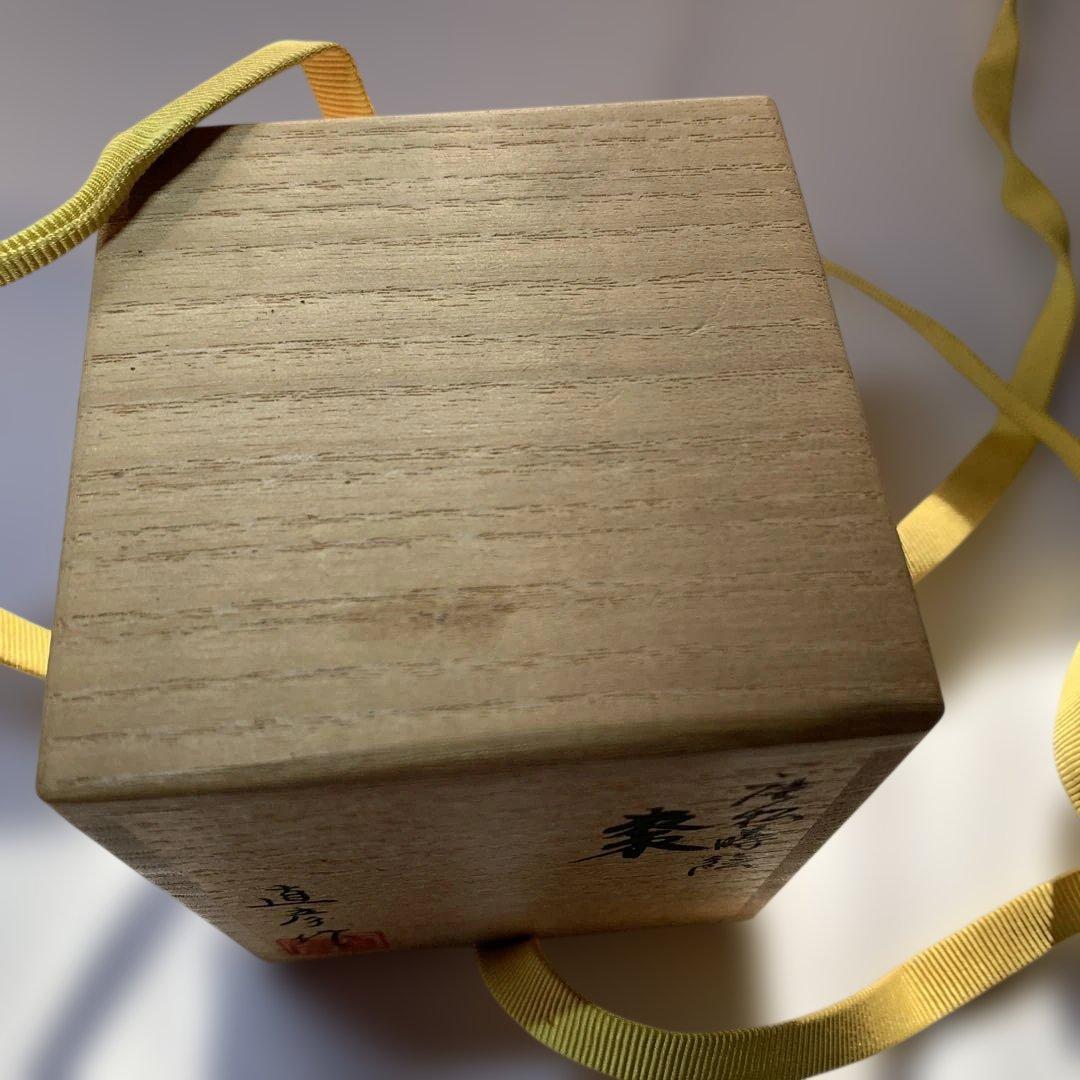
A Japanese natsume tea caddy signed by Naohiko, its black lacquer body carrying gold karamatsu roundels — stylized larch clusters raised in maki-e across the lid and shoulder. The surface holds a deep, even shine, built through repeated polishing rather than a recent finish. Its wooden box, faintly stained and sun-worn along the edges, confirms a piece that has already spent decades resting between use.
🔹 [ BASIC DETAILS ]
• Artist: Naohiko (signed 直彦作 on the underside)
• Technique: Maki-e — gold karamatsu (larch) roundel motif sprinkled over a black roiro lacquer ground
• Era: Unspecified; the box's staining and yellowing point to a piece already decades into its working life
• Origin: Japan
• Dimensions: Diameter approx. 6.8 cm, Height approx. 7 cm
• Box: Original wooden tomobako, with visible staining and yellowing (shimi, yake) on the exterior surface
• Lid: Lacquer, wood-core — CITES compliant
• Condition: Lacquer body retains strong, even luster with no visible chips or lifting; the box shows age-appropriate wear consistent with long storage, without affecting the caddy itself
🔹 [ CULTURAL & ARTISTIC INSIGHT ]
Historical Context: The natsume takes its name from the jujube fruit it resembles, its rounded, lidded form standardized for usucha — thin tea — service within the tea gatherings that shaped chanoyu. Where the older negoro and shunkei lacquer traditions favored visible wood grain and worn red surfaces, the maki-e natsume moved toward controlled ornament: gold or silver powder fixed into wet lacquer, then polished level with the surrounding ground. A natsume bearing an autumn motif such as karamatsu would traditionally be brought out as the season turned, the room's utensils shifting in step with the calendar the way a garden does.
Technique & Aesthetic: Karamatsu — the Japanese larch — sheds its needles each autumn, one of the few conifers to do so, and its motif carries that seasonal turning directly into the tea room. Here the roundels sit against a black roiro ground polished to a mirror density, the kind of surface that shows every fingerprint and forgives none, which is precisely why it was chosen: it makes the maker's discipline visible. The wooden box's staining is not a flaw against this — it is the same passage of time recorded on a different material, patient rather than resisted.
Philosophical Reflection: The needles of karamatsu do not cling through winter; they let go on schedule, and the gold that remembers them does not.
🔹 [ DEEP-DIVE COMMENTARY ]
Maki-e, literally "sprinkled picture," names a family of Japanese lacquer techniques rather than a single method. In its most common hira-maki-e form, a design is drawn in wet urushi lacquer, then gold or silver powder is dusted over the tacky surface before it cures, fixing the metal directly into the lacquer film. Denser or raised versions — taka-maki-e — build the design up first with additional lacquer or charcoal powder before the metal is applied, giving the motif physical relief you can feel with a fingertip.
Achieving the level, mirror-black ground beneath the karamatsu roundels takes its own separate discipline: multiple coats of roiro lacquer, each cured in a humidity-controlled space and polished down before the next is applied, so that the final surface reads as a single uninterrupted plane rather than a stack of layers. Any unevenness in that base would show through the gold rather than under it.
Collectors value signed maki-e natsume like this one for the same reason tea practitioners always have: the vessel is handled directly, at close range, by both host and guest, so its surface quality is judged the way a calligrapher's line is judged — for the discipline of the hand behind it, not just the design on top. A piece that has already survived decades of storage, box staining and all, without losing its lacquer integrity has passed a kind of test that no new piece has yet had the chance to take.
The tradition continues today largely unchanged in method, even as fewer makers commit to the multi-week polishing cycle a roiro ground demands. A caddy like this one sits at the point where individual authorship (直彦作, "made by Naohiko") meets a technique lineage that predates any single maker's name.
🔹 [ 日本語解説 ]
直彦作の棗。黒漆地に、唐松を象った金の丸紋が蒔絵で蓋から胴にかけて連なる。表面は近作の仕上げではなく、幾度も研ぎ重ねられた末の深く均一な光沢を保っている。付属の木箱には縁にシミとヤケが見られ、この品がすでに長い年月を、使われては休む時間の中で過ごしてきたことを物語る。
🔹 [ BASIC DETAILS ](日本語)
• 作家:直彦(底部に「直彦作」の銘)
• 技法:黒呂色漆地に金の唐松丸紋を蒔絵で表す
• 年代:不明。木箱のシミ・ヤケから、すでに数十年を経た品と推察される
• 産地:日本
• 寸法:胴径 約6.8cm、高さ 約7cm
• 共箱:木箱にシミ、ヤケあり
• 蓋:漆製(象牙不使用、CITES適合)
• 状態:漆の本体は欠け・剥離なく光沢良好。木箱には保管による経年の傷みが見られるが、棗本体には影響なし
🔹 [ CULTURAL & ARTISTIC INSIGHT ](日本語)
棗はその丸みを帯びた蓋物の姿がなつめの実に似ることからその名を得て、薄茶を点てる茶事の中で形を定めていった。木地を見せる根来や春慶の漆とは異なり、蒔絵の棗は金銀の粉を漆の上に定着させ、地と同じ高さまで研ぎ出す、統制された装飾へと向かう。唐松のような秋の意匠を持つ棗は、季節が移ろう頃合いに取り出され、道具もまた庭のように暦とともに動いた。
唐松は数少ない落葉針葉樹で、秋になると葉を落とす。その意匠は、この季節の移ろいをそのまま茶室に運び込む。丸紋は鏡のように磨かれた黒呂色の地の上に置かれ、指紋ひとつ残さぬその面こそが、作り手の技量を映す場でもある。木箱に残るシミは欠点ではなく、別の素材に刻まれた同じ時間の記録であり、抗うのではなく受け入れられたものである。
唐松の葉は冬を越さず、時が来れば落ちる。その姿を留める金は、落ちることがない。
🔹 [ DEEP-DIVE COMMENTARY ](日本語)
蒔絵とは「散らし描き」を意味し、単一の技法ではなく漆技法群の総称である。最も一般的な平蒔絵では、湿った漆で文様を描いた後、それが硬化する前に金銀粉を蒔いて定着させる。高蒔絵ではさらに漆や炭粉で文様を盛り上げてから金属粉を蒔くため、指先で触れて分かるほどの立体感が生まれる。
唐松丸紋の下地となる鏡面のような黒呂色を得るには、それ自体が独立した技術を要する。湿度管理された空間で幾層もの呂色漆を重ね、一層ごとに研ぎ出してから次を重ねることで、幾重もの層ではなく一枚の面として仕上がる。下地にわずかな凹凸があれば、それは金の下ではなく金を通して現れてしまう。
このような銘入りの蒔絵棗をコレクターが評価するのは、茶の湯における道具の評価と同じ理由による。棗は亭主と客の双方によって間近で直接手に取られるため、その表面の質は、書家の一筆と同じように、意匠そのものよりも、その背後にある手の鍛錬によって判断される。木箱のシミを含め、数十年の保管を経てなお漆の質を保っているという事実は、新品の品がまだ経験していない一種の試験を通過してきた証でもある。
技法の継承は今も大きくは変わらないが、呂色地が求める数週間に及ぶ研磨の工程に取り組む作り手は減っている。この棗は、「直彦作」という個の署名と、特定の作り手の名を超えて続く技法の系譜とが交わる位置にある。
🔹 [ SHIPPING & PACKAGING ]
• Dispatch: Within 1-6 business days
• Carrier: Japan Post EMS / UPS / FedEx (with tracking)
• Packaging: Carefully wrapped with protective materials
🔹 [ BASIC DETAILS ]
• Artist: Naohiko (signed 直彦作 on the underside)
• Technique: Maki-e — gold karamatsu (larch) roundel motif sprinkled over a black roiro lacquer ground
• Era: Unspecified; the box's staining and yellowing point to a piece already decades into its working life
• Origin: Japan
• Dimensions: Diameter approx. 6.8 cm, Height approx. 7 cm
• Box: Original wooden tomobako, with visible staining and yellowing (shimi, yake) on the exterior surface
• Lid: Lacquer, wood-core — CITES compliant
• Condition: Lacquer body retains strong, even luster with no visible chips or lifting; the box shows age-appropriate wear consistent with long storage, without affecting the caddy itself
🔹 [ CULTURAL & ARTISTIC INSIGHT ]
Historical Context: The natsume takes its name from the jujube fruit it resembles, its rounded, lidded form standardized for usucha — thin tea — service within the tea gatherings that shaped chanoyu. Where the older negoro and shunkei lacquer traditions favored visible wood grain and worn red surfaces, the maki-e natsume moved toward controlled ornament: gold or silver powder fixed into wet lacquer, then polished level with the surrounding ground. A natsume bearing an autumn motif such as karamatsu would traditionally be brought out as the season turned, the room's utensils shifting in step with the calendar the way a garden does.
Technique & Aesthetic: Karamatsu — the Japanese larch — sheds its needles each autumn, one of the few conifers to do so, and its motif carries that seasonal turning directly into the tea room. Here the roundels sit against a black roiro ground polished to a mirror density, the kind of surface that shows every fingerprint and forgives none, which is precisely why it was chosen: it makes the maker's discipline visible. The wooden box's staining is not a flaw against this — it is the same passage of time recorded on a different material, patient rather than resisted.
Philosophical Reflection: The needles of karamatsu do not cling through winter; they let go on schedule, and the gold that remembers them does not.
🔹 [ DEEP-DIVE COMMENTARY ]
Maki-e, literally "sprinkled picture," names a family of Japanese lacquer techniques rather than a single method. In its most common hira-maki-e form, a design is drawn in wet urushi lacquer, then gold or silver powder is dusted over the tacky surface before it cures, fixing the metal directly into the lacquer film. Denser or raised versions — taka-maki-e — build the design up first with additional lacquer or charcoal powder before the metal is applied, giving the motif physical relief you can feel with a fingertip.
Achieving the level, mirror-black ground beneath the karamatsu roundels takes its own separate discipline: multiple coats of roiro lacquer, each cured in a humidity-controlled space and polished down before the next is applied, so that the final surface reads as a single uninterrupted plane rather than a stack of layers. Any unevenness in that base would show through the gold rather than under it.
Collectors value signed maki-e natsume like this one for the same reason tea practitioners always have: the vessel is handled directly, at close range, by both host and guest, so its surface quality is judged the way a calligrapher's line is judged — for the discipline of the hand behind it, not just the design on top. A piece that has already survived decades of storage, box staining and all, without losing its lacquer integrity has passed a kind of test that no new piece has yet had the chance to take.
The tradition continues today largely unchanged in method, even as fewer makers commit to the multi-week polishing cycle a roiro ground demands. A caddy like this one sits at the point where individual authorship (直彦作, "made by Naohiko") meets a technique lineage that predates any single maker's name.
🔹 [ 日本語解説 ]
直彦作の棗。黒漆地に、唐松を象った金の丸紋が蒔絵で蓋から胴にかけて連なる。表面は近作の仕上げではなく、幾度も研ぎ重ねられた末の深く均一な光沢を保っている。付属の木箱には縁にシミとヤケが見られ、この品がすでに長い年月を、使われては休む時間の中で過ごしてきたことを物語る。
🔹 [ BASIC DETAILS ](日本語)
• 作家:直彦(底部に「直彦作」の銘)
• 技法:黒呂色漆地に金の唐松丸紋を蒔絵で表す
• 年代:不明。木箱のシミ・ヤケから、すでに数十年を経た品と推察される
• 産地:日本
• 寸法:胴径 約6.8cm、高さ 約7cm
• 共箱:木箱にシミ、ヤケあり
• 蓋:漆製(象牙不使用、CITES適合)
• 状態:漆の本体は欠け・剥離なく光沢良好。木箱には保管による経年の傷みが見られるが、棗本体には影響なし
🔹 [ CULTURAL & ARTISTIC INSIGHT ](日本語)
棗はその丸みを帯びた蓋物の姿がなつめの実に似ることからその名を得て、薄茶を点てる茶事の中で形を定めていった。木地を見せる根来や春慶の漆とは異なり、蒔絵の棗は金銀の粉を漆の上に定着させ、地と同じ高さまで研ぎ出す、統制された装飾へと向かう。唐松のような秋の意匠を持つ棗は、季節が移ろう頃合いに取り出され、道具もまた庭のように暦とともに動いた。
唐松は数少ない落葉針葉樹で、秋になると葉を落とす。その意匠は、この季節の移ろいをそのまま茶室に運び込む。丸紋は鏡のように磨かれた黒呂色の地の上に置かれ、指紋ひとつ残さぬその面こそが、作り手の技量を映す場でもある。木箱に残るシミは欠点ではなく、別の素材に刻まれた同じ時間の記録であり、抗うのではなく受け入れられたものである。
唐松の葉は冬を越さず、時が来れば落ちる。その姿を留める金は、落ちることがない。
🔹 [ DEEP-DIVE COMMENTARY ](日本語)
蒔絵とは「散らし描き」を意味し、単一の技法ではなく漆技法群の総称である。最も一般的な平蒔絵では、湿った漆で文様を描いた後、それが硬化する前に金銀粉を蒔いて定着させる。高蒔絵ではさらに漆や炭粉で文様を盛り上げてから金属粉を蒔くため、指先で触れて分かるほどの立体感が生まれる。
唐松丸紋の下地となる鏡面のような黒呂色を得るには、それ自体が独立した技術を要する。湿度管理された空間で幾層もの呂色漆を重ね、一層ごとに研ぎ出してから次を重ねることで、幾重もの層ではなく一枚の面として仕上がる。下地にわずかな凹凸があれば、それは金の下ではなく金を通して現れてしまう。
このような銘入りの蒔絵棗をコレクターが評価するのは、茶の湯における道具の評価と同じ理由による。棗は亭主と客の双方によって間近で直接手に取られるため、その表面の質は、書家の一筆と同じように、意匠そのものよりも、その背後にある手の鍛錬によって判断される。木箱のシミを含め、数十年の保管を経てなお漆の質を保っているという事実は、新品の品がまだ経験していない一種の試験を通過してきた証でもある。
技法の継承は今も大きくは変わらないが、呂色地が求める数週間に及ぶ研磨の工程に取り組む作り手は減っている。この棗は、「直彦作」という個の署名と、特定の作り手の名を超えて続く技法の系譜とが交わる位置にある。
🔹 [ SHIPPING & PACKAGING ]
• Dispatch: Within 1-6 business days
• Carrier: Japan Post EMS / UPS / FedEx (with tracking)
• Packaging: Carefully wrapped with protective materials
Quantity
Couldn't load pickup availability
Low stock: 1 left
View full details