1
/
of
9
Kanshitsu Paulownia Seed Kogo by Shinda Fukuya - Dry Lacquer Incense Box
Kanshitsu Paulownia Seed Kogo by Shinda Fukuya - Dry Lacquer Incense Box
Regular price
Dhs. 1,175.00 AED
Regular price
Sale price
Dhs. 1,175.00 AED
Taxes included.
Shipping calculated at checkout.
Experience authentic Japanese lacquer art with this Kanshitsu Dry Lacquer kogo. This Paulownia Seed Kogo serves as a sculptural Botanical Lacquer Art piece and Japanese Incense Box, featuring Dry Lacquer Technique and Red Lacquer Interior—a must-have for any collector seeking Signed Artist Box authenticity in Sculptural Tea Utensil form, embodying Naturalistic Lacquer and Kiri Seed Design artistry.
━━━━━━━━━━━━━━━━━━━━
🔹 [ BASIC DETAILS ]
• Artist: Shinda Fukuya (信田福弥)
• Technique: Kanshitsu (dry lacquer)
• Era: Contemporary (Heisei–Reiwa period)
• Origin: Japan
• Dimensions: Height approx. 3 cm × Width approx. 7.6 cm (1.2" × 3.0")
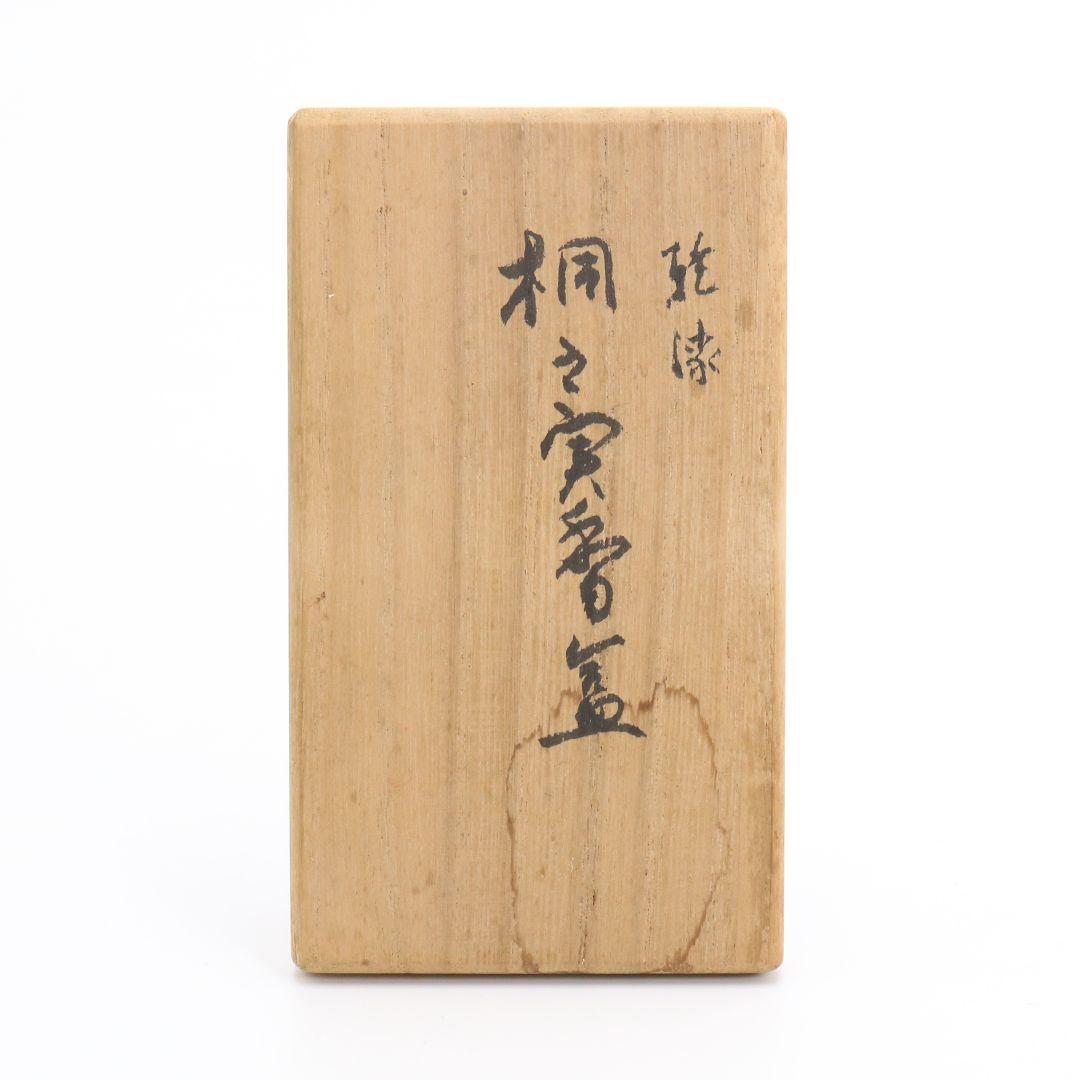
• Box: Tomobako with gold cord and red seal
• Condition: Excellent – small mauve accent on body adds character
━━━━━━━━━━━━━━━━━━━━
🔹 [ CULTURAL & ARTISTIC INSIGHT ]
The paulownia (kiri) holds profound symbolic weight in Japanese culture—associated with the imperial family, nobility, and auspicious occasions. Its seed pod, captured here in kanshitsu, represents autumn's quiet transformation. The artist employs a layering process where cloth is saturated with lacquer over a clay form, then hollowed, creating a lightweight yet durable vessel.
The granular surface mimics nature's irregularity, while three leaf-like sepals crown the form. When opened, the burgundy interior—polished to a soft glow—contrasts with the textured exterior, a visual poetry of concealment and revelation. The small mauve spot on the body recalls the ripening mark on a real seed pod, blurring the line between craft and nature.
*"The seed holds silence; the lacquer speaks in whispers."*
━━━━━━━━━━━━━━━━━━━━
🔹 [ DEEP-DIVE COMMENTARY ]
**Kanshitsu: The Ancient Technique**: Kanshitsu (乾漆) emerged in the Nara period (710–794 CE) for Buddhist sculpture, prized for its lightness and durability. Unlike maki-e or negoro, which emphasize surface decoration, kanshitsu is structural—the lacquer becomes the body itself. Hemp cloth is applied in layers, each saturated with raw lacquer, built over a removable core. Once dry, the core is extracted, leaving a hollow shell—strong yet weightless.
**Botanical Realism in Tea Utensils**: Japanese tea aesthetics celebrate natural forms—gourds, persimmons, chestnuts—rendered in lacquer, ceramic, or metal. The paulownia seed is unusual and speaks to Fukuya's originality. The textured exterior retains the raw quality of lacquer mixed with stone powder, while the polished interior embodies wabi-sabi's embrace of contrasts: rough and refined, concealed and exposed.
**Imperial Symbolism**: The paulownia crest (kiri-mon) has served as an imperial and governmental symbol since the Kamakura period. By choosing the kiri seed as his subject, Fukuya invokes this noble lineage while grounding it in organic reality—not the stylized crest, but the actual seed from which authority grows.
━━━━━━━━━━━━━━━━━━━━
🔹 [ 日本語解説 ]
【基本情報】
• 作家:信田福弥
• 技法:乾漆
• 時代:平成〜令和
• 産地:日本
• 寸法:高さ約3cm、横幅約7.6cm
• 箱:作家署名入り共箱(金紐・朱印)
• 状態:良好(胴部に淡い藤色のアクセント)
【解説】
桐の実を乾漆技法で写した香合です。乾漆は奈良時代の仏像制作に用いられた古代技法であり、麻布に漆を含浸させ層を重ねて形を成します。外面は種子の殻を思わせる粗めの質感、内面は磨き上げられた紅色漆。開くと内なる艶が現れる構造は、隠と露の美学を体現しています。桐は皇室とも縁深く吉祥の象徴であり、茶席の取り合わせにも格調を添える一品です。
━━━━━━━━━━━━━━━━━━━━
🔹 [ SHIPPING & PACKAGING ]
• Dispatch: Within 1-6 business days
• Carrier: Japan Post EMS / UPS (with tracking)
• Packaging: Carefully wrapped with protective materials
*Form follows nature; craft honors time.*
━━━━━━━━━━━━━━━━━━━━
🔹 [ BASIC DETAILS ]
• Artist: Shinda Fukuya (信田福弥)
• Technique: Kanshitsu (dry lacquer)
• Era: Contemporary (Heisei–Reiwa period)
• Origin: Japan
• Dimensions: Height approx. 3 cm × Width approx. 7.6 cm (1.2" × 3.0")
• Box: Tomobako with gold cord and red seal
• Condition: Excellent – small mauve accent on body adds character
━━━━━━━━━━━━━━━━━━━━
🔹 [ CULTURAL & ARTISTIC INSIGHT ]
The paulownia (kiri) holds profound symbolic weight in Japanese culture—associated with the imperial family, nobility, and auspicious occasions. Its seed pod, captured here in kanshitsu, represents autumn's quiet transformation. The artist employs a layering process where cloth is saturated with lacquer over a clay form, then hollowed, creating a lightweight yet durable vessel.
The granular surface mimics nature's irregularity, while three leaf-like sepals crown the form. When opened, the burgundy interior—polished to a soft glow—contrasts with the textured exterior, a visual poetry of concealment and revelation. The small mauve spot on the body recalls the ripening mark on a real seed pod, blurring the line between craft and nature.
*"The seed holds silence; the lacquer speaks in whispers."*
━━━━━━━━━━━━━━━━━━━━
🔹 [ DEEP-DIVE COMMENTARY ]
**Kanshitsu: The Ancient Technique**: Kanshitsu (乾漆) emerged in the Nara period (710–794 CE) for Buddhist sculpture, prized for its lightness and durability. Unlike maki-e or negoro, which emphasize surface decoration, kanshitsu is structural—the lacquer becomes the body itself. Hemp cloth is applied in layers, each saturated with raw lacquer, built over a removable core. Once dry, the core is extracted, leaving a hollow shell—strong yet weightless.
**Botanical Realism in Tea Utensils**: Japanese tea aesthetics celebrate natural forms—gourds, persimmons, chestnuts—rendered in lacquer, ceramic, or metal. The paulownia seed is unusual and speaks to Fukuya's originality. The textured exterior retains the raw quality of lacquer mixed with stone powder, while the polished interior embodies wabi-sabi's embrace of contrasts: rough and refined, concealed and exposed.
**Imperial Symbolism**: The paulownia crest (kiri-mon) has served as an imperial and governmental symbol since the Kamakura period. By choosing the kiri seed as his subject, Fukuya invokes this noble lineage while grounding it in organic reality—not the stylized crest, but the actual seed from which authority grows.
━━━━━━━━━━━━━━━━━━━━
🔹 [ 日本語解説 ]
【基本情報】
• 作家:信田福弥
• 技法:乾漆
• 時代:平成〜令和
• 産地:日本
• 寸法:高さ約3cm、横幅約7.6cm
• 箱:作家署名入り共箱(金紐・朱印)
• 状態:良好(胴部に淡い藤色のアクセント)
【解説】
桐の実を乾漆技法で写した香合です。乾漆は奈良時代の仏像制作に用いられた古代技法であり、麻布に漆を含浸させ層を重ねて形を成します。外面は種子の殻を思わせる粗めの質感、内面は磨き上げられた紅色漆。開くと内なる艶が現れる構造は、隠と露の美学を体現しています。桐は皇室とも縁深く吉祥の象徴であり、茶席の取り合わせにも格調を添える一品です。
━━━━━━━━━━━━━━━━━━━━
🔹 [ SHIPPING & PACKAGING ]
• Dispatch: Within 1-6 business days
• Carrier: Japan Post EMS / UPS (with tracking)
• Packaging: Carefully wrapped with protective materials
*Form follows nature; craft honors time.*
Quantity
Couldn't load pickup availability
Low stock: 1 left
View full details