1
/
of
15
Kanshitsu Lacquer Tea Bowl — Yamadera Maki-e, Yoshida Kasei
Kanshitsu Lacquer Tea Bowl — Yamadera Maki-e, Yoshida Kasei
Regular price
Dhs. 2,930.00 AED
Regular price
Sale price
Dhs. 2,930.00 AED
Taxes included.
Shipping calculated at checkout.
Experience authentic Japanese lacquerware with this Kanshitsu Yamadera Maki-e Tea Bowl by Yoshida Kasei. This dry lacquer chawan serves as a Kaga Maki-e masterwork and literary art object, featuring gold maki-e Yamadera landscape and Basho journey motif—a must-have for any collector seeking Japanese lacquer artistry and tea ceremony craft.
━━━━━━━━━━━━━━━━━━━━
🔹 [ BASIC DETAILS ]
• Artist: Yoshida Kasei (吉田華正)
• Technique: Kanshitsu (乾漆 / dry lacquer) with gold maki-e
• Tradition: Kaga maki-e (加賀蒔絵)
• Era: Contemporary (Heisei–Reiwa period)
• Origin: Kaga, Ishikawa Prefecture, Japan
• Motif: Yamadera — Risshaku-ji temple landscape (山寺絵)
• Dimensions: 11.5 cm × 8.3 cm (4.5" × 3.3")
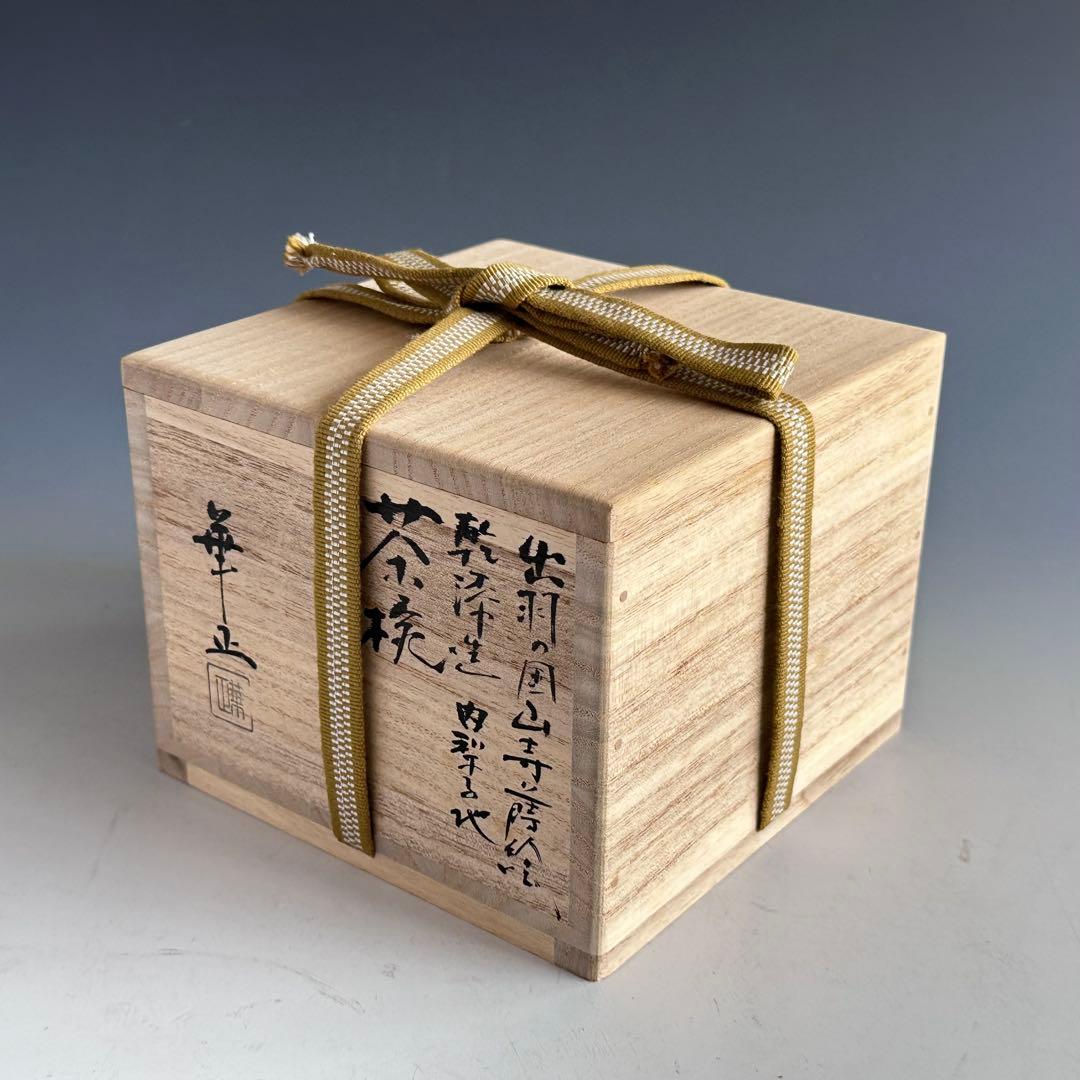
• Box: Signed tomobako (共箱) with artist stamp
• Condition: Excellent
━━━━━━━━━━━━━━━━━━━━
🔹 [ CULTURAL & ARTISTIC INSIGHT ]
This tea bowl exists at a crossroads of material and meaning that is seldom encountered. Where tea bowls are almost universally ceramic, this work is built from kanshitsu — layers of lacquered cloth shaped over a form and released, producing a vessel of remarkable lightness and warmth in the hand. The technique dates to the Nara period and carries an inherent solemnity; each layer is a day's patience made permanent.
Across the dark lacquer body, Yoshida Kasei has rendered the mountain temple complex of Yamadera (Risshaku-ji) in Yamagata Prefecture — stone steps ascending through pine trees toward temple halls perched on cliff faces. Most significantly, a traveler's kasa and walking staff appear within the composition, unmistakable references to Matsuo Basho, who visited Yamadera in 1689 during his Oku no Hosomichi journey and composed one of the most celebrated haiku in the Japanese canon.
The piece belongs firmly within the Kaga maki-e tradition of Ishikawa Prefecture, distinguished from Kyoto maki-e by its preference for pictorial depth, naturalistic rendering, and the restrained warmth of gold against dark ground. Kasei's brushwork balances topographic precision with atmospheric softness — the pines recede into implied mist, the temple roofs catch light as if seen at dusk.
*"The stillness, seeping into the rocks, the cicada's cry — to hold this bowl is to hold the silence Basho heard."*
━━━━━━━━━━━━━━━━━━━━
🔹 [ DEEP-DIVE COMMENTARY ]
**Kanshitsu as Tea Bowl — A Material Departure**: Lacquer tea bowls are uncommon in chanoyu, where ceramic dominates. Kanshitsu offers something ceramics cannot: near-weightlessness and thermal insulation that keeps tea warm longer while the bowl itself remains cool to hold. The technique involves layering hemp or linen cloth with urushi lacquer over a clay or wooden form, which is later removed. The result is a self-supporting shell — structurally resilient yet featherlight. For the tea practitioner, this creates a singular tactile experience.
**Basho's Yamadera — Literature Made Tangible**: Risshaku-ji, founded in 860 CE, became immortalized when Basho climbed its 1,015 stone steps in the summer of 1689. His haiku about the silence and the cicadas is among the most quoted in Japanese literature. By including the kasa and staff, Kasei does not merely depict a landscape — he places the viewer on the path alongside the poet. The bowl becomes a meditation on pilgrimage itself.
**Kaga Maki-e — Pictorial Depth Over Decorative Pattern**: Unlike the flatter, more graphic tendencies of Kyoto maki-e, the Kaga tradition emphasizes spatial recession, tonal gradation, and naturalistic detail. Gold powder is applied in varying densities to create atmospheric perspective — distant pines rendered in lighter togidashi (burnished flat) maki-e, foreground elements in raised taka-maki-e. This landscape approach suits the Yamadera subject perfectly, allowing Kasei to suggest the vertiginous depth of the mountain setting.
**The Signed Box as Provenance**: The tomobako bears Kasei's signature with accompanying stamp, confirming direct attribution. In the world of Japanese lacquerware, the tomobako functions as both certificate of authenticity and frame — the calligraphy of the artist's hand is itself a work of art.
━━━━━━━━━━━━━━━━━━━━
🔹 [ 日本語解説 ]
【基本情報】
• 作家:吉田華正
• 産地・伝統:加賀蒔絵(石川県)
• 技法:乾漆(かんしつ)・金蒔絵
• 画題:山寺絵(山形県・立石寺の風景)
• 寸法:直径11.5cm × 高さ8.3cm
• 付属品:共箱(華正署名・落款)
【解説】
乾漆技法による茶碗という、陶磁器が主流の茶道具の中で異彩を放つ一碗です。麻布と漆を幾層にも重ねて成形する乾漆は、奈良時代に遡る古典技法であり、驚くほどの軽さと温かみのある手触りを生み出します。
画題は松尾芭蕉が『奥の細道』の旅で訪れた山形県の立石寺(山寺)。松林の間に佇む堂宇、そして芭蕉の笠と杖が描き込まれ、あの「閑かさや巌にしみ入る蝉の声」の世界を掌の上に再現しています。加賀蒔絵の伝統に則った写実的な奥行き表現と、金粉の濃淡による空気遠近法が、山寺の幽玄な雰囲気を見事に捉えています。
━━━━━━━━━━━━━━━━━━━━
🔹 [ SHIPPING & PACKAGING ]
• Dispatch: Within 1-6 business days
• Carrier: Japan Post EMS / UPS (with tracking)
• Packaging: Carefully wrapped with protective materials
*A poet's silence, held in lacquered cloth and gold — Basho's mountain, waiting in the palm.*
━━━━━━━━━━━━━━━━━━━━
🔹 [ BASIC DETAILS ]
• Artist: Yoshida Kasei (吉田華正)
• Technique: Kanshitsu (乾漆 / dry lacquer) with gold maki-e
• Tradition: Kaga maki-e (加賀蒔絵)
• Era: Contemporary (Heisei–Reiwa period)
• Origin: Kaga, Ishikawa Prefecture, Japan
• Motif: Yamadera — Risshaku-ji temple landscape (山寺絵)
• Dimensions: 11.5 cm × 8.3 cm (4.5" × 3.3")
• Box: Signed tomobako (共箱) with artist stamp
• Condition: Excellent
━━━━━━━━━━━━━━━━━━━━
🔹 [ CULTURAL & ARTISTIC INSIGHT ]
This tea bowl exists at a crossroads of material and meaning that is seldom encountered. Where tea bowls are almost universally ceramic, this work is built from kanshitsu — layers of lacquered cloth shaped over a form and released, producing a vessel of remarkable lightness and warmth in the hand. The technique dates to the Nara period and carries an inherent solemnity; each layer is a day's patience made permanent.
Across the dark lacquer body, Yoshida Kasei has rendered the mountain temple complex of Yamadera (Risshaku-ji) in Yamagata Prefecture — stone steps ascending through pine trees toward temple halls perched on cliff faces. Most significantly, a traveler's kasa and walking staff appear within the composition, unmistakable references to Matsuo Basho, who visited Yamadera in 1689 during his Oku no Hosomichi journey and composed one of the most celebrated haiku in the Japanese canon.
The piece belongs firmly within the Kaga maki-e tradition of Ishikawa Prefecture, distinguished from Kyoto maki-e by its preference for pictorial depth, naturalistic rendering, and the restrained warmth of gold against dark ground. Kasei's brushwork balances topographic precision with atmospheric softness — the pines recede into implied mist, the temple roofs catch light as if seen at dusk.
*"The stillness, seeping into the rocks, the cicada's cry — to hold this bowl is to hold the silence Basho heard."*
━━━━━━━━━━━━━━━━━━━━
🔹 [ DEEP-DIVE COMMENTARY ]
**Kanshitsu as Tea Bowl — A Material Departure**: Lacquer tea bowls are uncommon in chanoyu, where ceramic dominates. Kanshitsu offers something ceramics cannot: near-weightlessness and thermal insulation that keeps tea warm longer while the bowl itself remains cool to hold. The technique involves layering hemp or linen cloth with urushi lacquer over a clay or wooden form, which is later removed. The result is a self-supporting shell — structurally resilient yet featherlight. For the tea practitioner, this creates a singular tactile experience.
**Basho's Yamadera — Literature Made Tangible**: Risshaku-ji, founded in 860 CE, became immortalized when Basho climbed its 1,015 stone steps in the summer of 1689. His haiku about the silence and the cicadas is among the most quoted in Japanese literature. By including the kasa and staff, Kasei does not merely depict a landscape — he places the viewer on the path alongside the poet. The bowl becomes a meditation on pilgrimage itself.
**Kaga Maki-e — Pictorial Depth Over Decorative Pattern**: Unlike the flatter, more graphic tendencies of Kyoto maki-e, the Kaga tradition emphasizes spatial recession, tonal gradation, and naturalistic detail. Gold powder is applied in varying densities to create atmospheric perspective — distant pines rendered in lighter togidashi (burnished flat) maki-e, foreground elements in raised taka-maki-e. This landscape approach suits the Yamadera subject perfectly, allowing Kasei to suggest the vertiginous depth of the mountain setting.
**The Signed Box as Provenance**: The tomobako bears Kasei's signature with accompanying stamp, confirming direct attribution. In the world of Japanese lacquerware, the tomobako functions as both certificate of authenticity and frame — the calligraphy of the artist's hand is itself a work of art.
━━━━━━━━━━━━━━━━━━━━
🔹 [ 日本語解説 ]
【基本情報】
• 作家:吉田華正
• 産地・伝統:加賀蒔絵(石川県)
• 技法:乾漆(かんしつ)・金蒔絵
• 画題:山寺絵(山形県・立石寺の風景)
• 寸法:直径11.5cm × 高さ8.3cm
• 付属品:共箱(華正署名・落款)
【解説】
乾漆技法による茶碗という、陶磁器が主流の茶道具の中で異彩を放つ一碗です。麻布と漆を幾層にも重ねて成形する乾漆は、奈良時代に遡る古典技法であり、驚くほどの軽さと温かみのある手触りを生み出します。
画題は松尾芭蕉が『奥の細道』の旅で訪れた山形県の立石寺(山寺)。松林の間に佇む堂宇、そして芭蕉の笠と杖が描き込まれ、あの「閑かさや巌にしみ入る蝉の声」の世界を掌の上に再現しています。加賀蒔絵の伝統に則った写実的な奥行き表現と、金粉の濃淡による空気遠近法が、山寺の幽玄な雰囲気を見事に捉えています。
━━━━━━━━━━━━━━━━━━━━
🔹 [ SHIPPING & PACKAGING ]
• Dispatch: Within 1-6 business days
• Carrier: Japan Post EMS / UPS (with tracking)
• Packaging: Carefully wrapped with protective materials
*A poet's silence, held in lacquered cloth and gold — Basho's mountain, waiting in the palm.*
Quantity
Couldn't load pickup availability
Out of stock
View full details