1
/
of
13
Kakiemon XIII Nigoshide Karako Kogo — Porcelain Incense Container
Kakiemon XIII Nigoshide Karako Kogo — Porcelain Incense Container
Regular price
Dhs. 2,434.00 AED
Regular price
Sale price
Dhs. 2,434.00 AED
Taxes included.
Shipping calculated at checkout.
Discover authentic kakiemon porcelain in this nigoshide kogo box. This arita ware ceramic features a karako figure design with color enamel pottery and incense box ceramic artistry—a signed tomobako art piece from the japan tea ceremony tradition, a collector tea ware and museum ceramic piece of enduring presence.
🔹 [ Basic Details ]
• Artist: Sakaida Kakiemon XIII (十三代 酒井田柿右衛門), designated holder of Important Intangible Cultural Property (Living National Treasure) for nigoshide technique
• Technique: Nigoshide (濁手) milky-white porcelain body with overglaze polychrome enamel (色絵)
• Era: Showa period (昭和), circa 1970s
• Origin: Arita, Saga Prefecture, Japan
• Dimensions: Height approx. 4.3 cm, Diameter approx. 7.6 cm
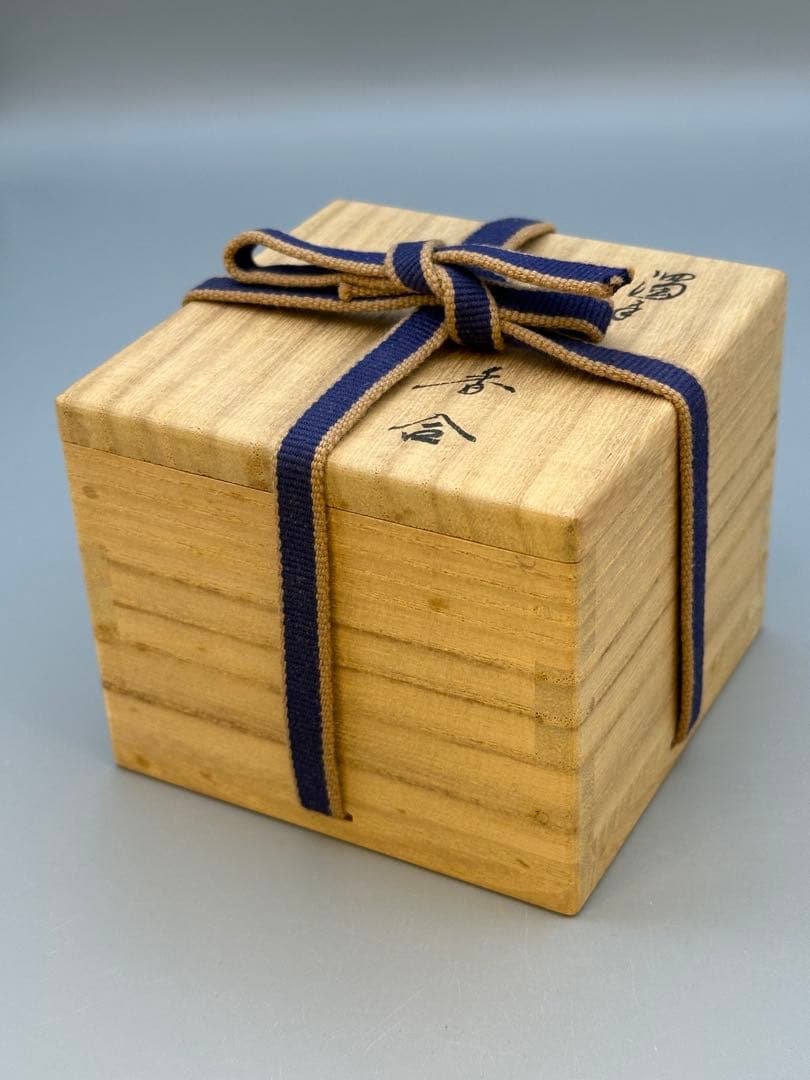
• Box: Signed tomobako inscribed "十三代 柿右衛門" with red seal (朱印). Triple-tier presentation box (天盛り三枚組).
• Condition: Excellent — no notable scratches, chips, or repairs. Box shows minimal age-appropriate toning.
🔹 [ Cultural & Artistic Insight ]
The karako (唐子) motif—Chinese children at play—traces back to the earliest polychrome porcelain of 17th-century Arita. These figures symbolize prosperity, continuity, and the innocence that precedes wisdom.
The 13th Kakiemon revived the nigoshide body—a warm, milky-white porcelain ground achieved through precise firing of specific local clay compositions. Its soft luminescence allows overglaze enamels to appear suspended in light rather than merely sitting atop a surface.
The vivid turquoise ground of this kogo is striking. Against it, three karako stand in robes of yellow, red, and blue, their gestures animated and individual. The composition wraps the domed lid while additional figures appear at the edges—a gathering observed through a window of celadon sky.
"They do not know they are watched. That is the nature of innocence—and of art."
🔹 [ Deep-Dive Commentary ]
Kakiemon-style porcelain (柿右衛門様式) originated in 17th-century Arita under the first Sakaida Kakiemon, credited with developing Japan's first successful overglaze enamel on porcelain. The style profoundly influenced European ceramics, notably Meissen, Chantilly, and Chelsea.
Nigoshide (濁手) refers to a specific milky-white porcelain body produced intermittently from the late 17th century. The technique was lost for over a century before the 12th and 13th generations revived it in the mid-20th century. The 13th Kakiemon received designation as holder of Important Intangible Cultural Property in 1971 for this achievement.
The kogo (香合) occupies a small but essential position in the tea ceremony. Placed before the charcoal arrangement (炭手前), its selection communicates the host's aesthetic sense within the smallest vessel at the gathering. A Kakiemon kogo of this caliber speaks to connoisseurship and cultural depth.
The triple-tier presentation box (天盛り三枚組) indicates the kiln's own assessment of the work's importance—care reserved for significant pieces.
【日本語解説】
🔹 [ 基本情報 ]
・作家:十三代 酒井田柿右衛門(重要無形文化財保持者・人間国宝)
・技法:濁手素地に色絵上絵付
・時代:昭和期(1970年代頃)
・産地:佐賀県有田
・寸法:高さ約4.3cm、径約7.6cm
・箱:共箱「十三代 柿右衛門」墨書・朱印。天盛り三枚組。
・状態:極めて良好 — 目立つ傷や汚れなし。
🔹 [ 文化的・美術的解説 ]
唐子文様は柿右衛門の伝統において最も深い根を持つ意匠の一つであり、十七世紀の有田色絵磁器にまで遡る。中国の子供たちが遊ぶ姿は繁栄と継続性、知恵に先立つ無垢を象徴する。
十三代柿右衛門は濁手素地を復活させた。濁手とは特定の地元粘土の精密な焼成により得られる乳白色の磁器素地であり、通常の有田磁器とは根本的に異なる。その柔らかな光沢は上絵の色彩を光の中に浮遊させるかのように見せる。
本作の鮮やかな青緑地の上に、黄・赤・青の衣をまとった三人の唐子が立ち、それぞれ生き生きとした個性を見せる。蓋全体に構図が展開し、縁にもさらに人物が現れる。
🔹 [ 深掘り解説 ]
柿右衛門様式の磁器は十七世紀の有田に端を発し、初代酒井田柿右衛門が日本初の磁器上絵付技法を確立した。この様式はマイセン、シャンティイ、チェルシーなどヨーロッパ陶磁器に深い影響を与えた。
濁手は十七世紀後半から断続的に生産された乳白色磁器素地であり、一世紀以上の途絶を経て十二代・十三代が復活に成功。十三代は1971年、この業績により人間国宝に認定された。
香合は茶席において小さくも不可欠な位置を占める。炭手前に際して据えられるこの器は、席中最も小さな器でありながら亭主の美意識を端的に伝える。天盛り三枚組の箱仕立ては窯自身が作品の重要性を認めた証である。
🔹 [ SHIPPING & PACKAGING ]
• Dispatch: Within 1-6 business days
• Carrier: Japan Post EMS / UPS (with tracking)
• Packaging: Carefully wrapped with protective materials
🔹 [ Basic Details ]
• Artist: Sakaida Kakiemon XIII (十三代 酒井田柿右衛門), designated holder of Important Intangible Cultural Property (Living National Treasure) for nigoshide technique
• Technique: Nigoshide (濁手) milky-white porcelain body with overglaze polychrome enamel (色絵)
• Era: Showa period (昭和), circa 1970s
• Origin: Arita, Saga Prefecture, Japan
• Dimensions: Height approx. 4.3 cm, Diameter approx. 7.6 cm
• Box: Signed tomobako inscribed "十三代 柿右衛門" with red seal (朱印). Triple-tier presentation box (天盛り三枚組).
• Condition: Excellent — no notable scratches, chips, or repairs. Box shows minimal age-appropriate toning.
🔹 [ Cultural & Artistic Insight ]
The karako (唐子) motif—Chinese children at play—traces back to the earliest polychrome porcelain of 17th-century Arita. These figures symbolize prosperity, continuity, and the innocence that precedes wisdom.
The 13th Kakiemon revived the nigoshide body—a warm, milky-white porcelain ground achieved through precise firing of specific local clay compositions. Its soft luminescence allows overglaze enamels to appear suspended in light rather than merely sitting atop a surface.
The vivid turquoise ground of this kogo is striking. Against it, three karako stand in robes of yellow, red, and blue, their gestures animated and individual. The composition wraps the domed lid while additional figures appear at the edges—a gathering observed through a window of celadon sky.
"They do not know they are watched. That is the nature of innocence—and of art."
🔹 [ Deep-Dive Commentary ]
Kakiemon-style porcelain (柿右衛門様式) originated in 17th-century Arita under the first Sakaida Kakiemon, credited with developing Japan's first successful overglaze enamel on porcelain. The style profoundly influenced European ceramics, notably Meissen, Chantilly, and Chelsea.
Nigoshide (濁手) refers to a specific milky-white porcelain body produced intermittently from the late 17th century. The technique was lost for over a century before the 12th and 13th generations revived it in the mid-20th century. The 13th Kakiemon received designation as holder of Important Intangible Cultural Property in 1971 for this achievement.
The kogo (香合) occupies a small but essential position in the tea ceremony. Placed before the charcoal arrangement (炭手前), its selection communicates the host's aesthetic sense within the smallest vessel at the gathering. A Kakiemon kogo of this caliber speaks to connoisseurship and cultural depth.
The triple-tier presentation box (天盛り三枚組) indicates the kiln's own assessment of the work's importance—care reserved for significant pieces.
【日本語解説】
🔹 [ 基本情報 ]
・作家:十三代 酒井田柿右衛門(重要無形文化財保持者・人間国宝)
・技法:濁手素地に色絵上絵付
・時代:昭和期(1970年代頃)
・産地:佐賀県有田
・寸法:高さ約4.3cm、径約7.6cm
・箱:共箱「十三代 柿右衛門」墨書・朱印。天盛り三枚組。
・状態:極めて良好 — 目立つ傷や汚れなし。
🔹 [ 文化的・美術的解説 ]
唐子文様は柿右衛門の伝統において最も深い根を持つ意匠の一つであり、十七世紀の有田色絵磁器にまで遡る。中国の子供たちが遊ぶ姿は繁栄と継続性、知恵に先立つ無垢を象徴する。
十三代柿右衛門は濁手素地を復活させた。濁手とは特定の地元粘土の精密な焼成により得られる乳白色の磁器素地であり、通常の有田磁器とは根本的に異なる。その柔らかな光沢は上絵の色彩を光の中に浮遊させるかのように見せる。
本作の鮮やかな青緑地の上に、黄・赤・青の衣をまとった三人の唐子が立ち、それぞれ生き生きとした個性を見せる。蓋全体に構図が展開し、縁にもさらに人物が現れる。
🔹 [ 深掘り解説 ]
柿右衛門様式の磁器は十七世紀の有田に端を発し、初代酒井田柿右衛門が日本初の磁器上絵付技法を確立した。この様式はマイセン、シャンティイ、チェルシーなどヨーロッパ陶磁器に深い影響を与えた。
濁手は十七世紀後半から断続的に生産された乳白色磁器素地であり、一世紀以上の途絶を経て十二代・十三代が復活に成功。十三代は1971年、この業績により人間国宝に認定された。
香合は茶席において小さくも不可欠な位置を占める。炭手前に際して据えられるこの器は、席中最も小さな器でありながら亭主の美意識を端的に伝える。天盛り三枚組の箱仕立ては窯自身が作品の重要性を認めた証である。
🔹 [ SHIPPING & PACKAGING ]
• Dispatch: Within 1-6 business days
• Carrier: Japan Post EMS / UPS (with tracking)
• Packaging: Carefully wrapped with protective materials
Quantity
Couldn't load pickup availability
Out of stock
View full details