1
/
of
11
Japanese Matcha Bowl Kyo Ware | Oshikoji Kiln Fan Motif Peony Chrysanthemum Gold Overglaze | Chawan with Original Box
Japanese Matcha Bowl Kyo Ware | Oshikoji Kiln Fan Motif Peony Chrysanthemum Gold Overglaze | Chawan with Original Box
Regular price
Dhs. 1,068.00 AED
Regular price
Sale price
Dhs. 1,068.00 AED
Taxes included.
Shipping calculated at checkout.
A fan-shaped composition moves across the surface — peony and chrysanthemum rendered in coral, white, and gold, contained within interlocking fan panels on a warm ivory ground. This is the Oshikoji Kiln vocabulary: layered motifs held in quiet tension, each element precisely placed, nothing left to chance.
🔹 [ BASIC DETAILS ]
• Artist: Oshikoji Kiln (Tozan)
• Origin: Kyoto, Japan
• Material: Kyo ware ceramic with gold overglaze enamel
• Motif: Fan-shaped panels with peony and chrysanthemum
• Era: 1990s
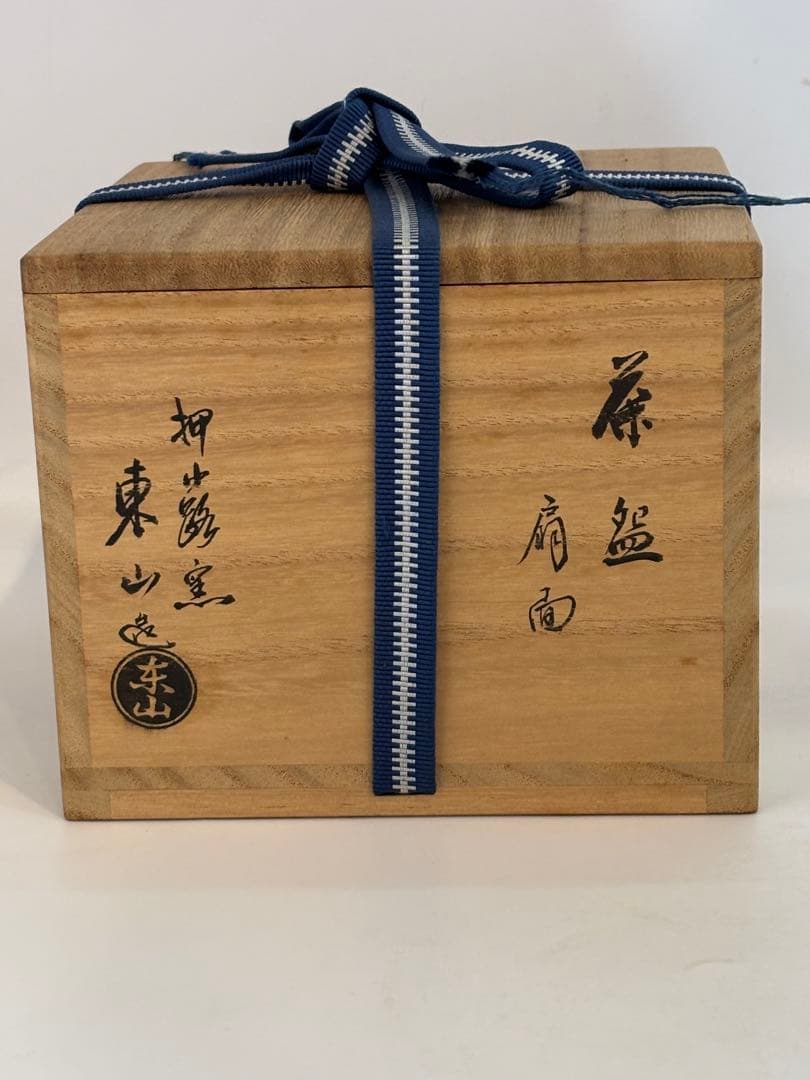
• Box: Tomobako (artist's wooden presentation box)
• Condition: Good, carefully inspected
🔹 [ Cultural & Artistic Insight ]
The interior carries a wash of burnished gold — a depth that becomes visible only when the bowl is held. The fine crackle of the glaze runs through the ivory body, a natural aging that Kyoto potters have long understood as a form of beauty, not a flaw. The box bears the maker's seal in ink brushwork, closing the circle of authorship.
[ DETAILS ]
• Kiln: Oshikoji Kiln (押小路窯), Kyoto
• Type: Matcha chawan (抹茶椀)
• Motif: Fan-shaped panels with peony (botan) and chrysanthemum (kiku), gold overglaze
• Dimensions: Approx. 12 cm (4.7 in) diameter × 8 cm (3.1 in) height (estimated from image)
• Condition: Very good — no chips or cracks observed; fine crackle glaze throughout
• Provenance: Comes with original tomobako (共箱) signed by the kiln
• Era: Late Showa to Heisei period
🔹 [ Deep-Dive Commentary ]
[ CULTURAL & ARTISTIC INSIGHT ]
Oshikoji (押小路) is a historic street in central Kyoto, carrying the weight of the city's ceramic tradition in its name alone. Kyo ware — produced within Kyoto's city limits — has long prioritized decorative refinement over rustic simplicity: a deliberate counter-aesthetic to the wabi sensibility of Raku. This bowl belongs to that tradition of courtly elegance. The fan (ōgi) motif carries associations with felicity and the unfolding of time; combined with peony — emblem of dignity — and chrysanthemum — emblem of longevity — the surface reads as a composed visual poem rather than mere ornament.
The gold overglaze work here is confident. The lines are drawn without hesitation, the color fields held within them without bleeding. This is not reproduction-grade painting — it is craft with institutional memory behind it.
[ IN JAPANESE / 日本語 ]
押小路窯による扇面絵抹茶碗。牡丹と菊を金彩で描いた雅な色絵は、京焼の正統な筆致を受け継いでいます。温かみのある象牙色の地に走る細かい貫入が、時を経た器ならではの静けさを湛えています。内側に施された金彩、そして共箱の墨書が、この一碗の来歴を静かに語ります。
🔹 [ 日本語解説 ]
押小路窯による色絵金彩抹茶碗。象牙色の地に扇面形パネルを複数配置し、牡丹・菊・青花を金彩アウトラインで精緻に描いた京焼正統派の一碗。内側には贅沢な金彩、全体に細かい貫入が走り、格調と温かみを兼ね備えています。
🔹 [ SHIPPING & PACKAGING ]
• Dispatch: Within 1-6 business days
• Carrier: Japan Post EMS / UPS (with tracking)
• Packaging: Carefully wrapped with protective materials
🔹 [ BASIC DETAILS ]
• Artist: Oshikoji Kiln (Tozan)
• Origin: Kyoto, Japan
• Material: Kyo ware ceramic with gold overglaze enamel
• Motif: Fan-shaped panels with peony and chrysanthemum
• Era: 1990s
• Box: Tomobako (artist's wooden presentation box)
• Condition: Good, carefully inspected
🔹 [ Cultural & Artistic Insight ]
The interior carries a wash of burnished gold — a depth that becomes visible only when the bowl is held. The fine crackle of the glaze runs through the ivory body, a natural aging that Kyoto potters have long understood as a form of beauty, not a flaw. The box bears the maker's seal in ink brushwork, closing the circle of authorship.
[ DETAILS ]
• Kiln: Oshikoji Kiln (押小路窯), Kyoto
• Type: Matcha chawan (抹茶椀)
• Motif: Fan-shaped panels with peony (botan) and chrysanthemum (kiku), gold overglaze
• Dimensions: Approx. 12 cm (4.7 in) diameter × 8 cm (3.1 in) height (estimated from image)
• Condition: Very good — no chips or cracks observed; fine crackle glaze throughout
• Provenance: Comes with original tomobako (共箱) signed by the kiln
• Era: Late Showa to Heisei period
🔹 [ Deep-Dive Commentary ]
[ CULTURAL & ARTISTIC INSIGHT ]
Oshikoji (押小路) is a historic street in central Kyoto, carrying the weight of the city's ceramic tradition in its name alone. Kyo ware — produced within Kyoto's city limits — has long prioritized decorative refinement over rustic simplicity: a deliberate counter-aesthetic to the wabi sensibility of Raku. This bowl belongs to that tradition of courtly elegance. The fan (ōgi) motif carries associations with felicity and the unfolding of time; combined with peony — emblem of dignity — and chrysanthemum — emblem of longevity — the surface reads as a composed visual poem rather than mere ornament.
The gold overglaze work here is confident. The lines are drawn without hesitation, the color fields held within them without bleeding. This is not reproduction-grade painting — it is craft with institutional memory behind it.
[ IN JAPANESE / 日本語 ]
押小路窯による扇面絵抹茶碗。牡丹と菊を金彩で描いた雅な色絵は、京焼の正統な筆致を受け継いでいます。温かみのある象牙色の地に走る細かい貫入が、時を経た器ならではの静けさを湛えています。内側に施された金彩、そして共箱の墨書が、この一碗の来歴を静かに語ります。
🔹 [ 日本語解説 ]
押小路窯による色絵金彩抹茶碗。象牙色の地に扇面形パネルを複数配置し、牡丹・菊・青花を金彩アウトラインで精緻に描いた京焼正統派の一碗。内側には贅沢な金彩、全体に細かい貫入が走り、格調と温かみを兼ね備えています。
🔹 [ SHIPPING & PACKAGING ]
• Dispatch: Within 1-6 business days
• Carrier: Japan Post EMS / UPS (with tracking)
• Packaging: Carefully wrapped with protective materials
Quantity
Couldn't load pickup availability
Low stock: 1 left
View full details