1
/
of
9
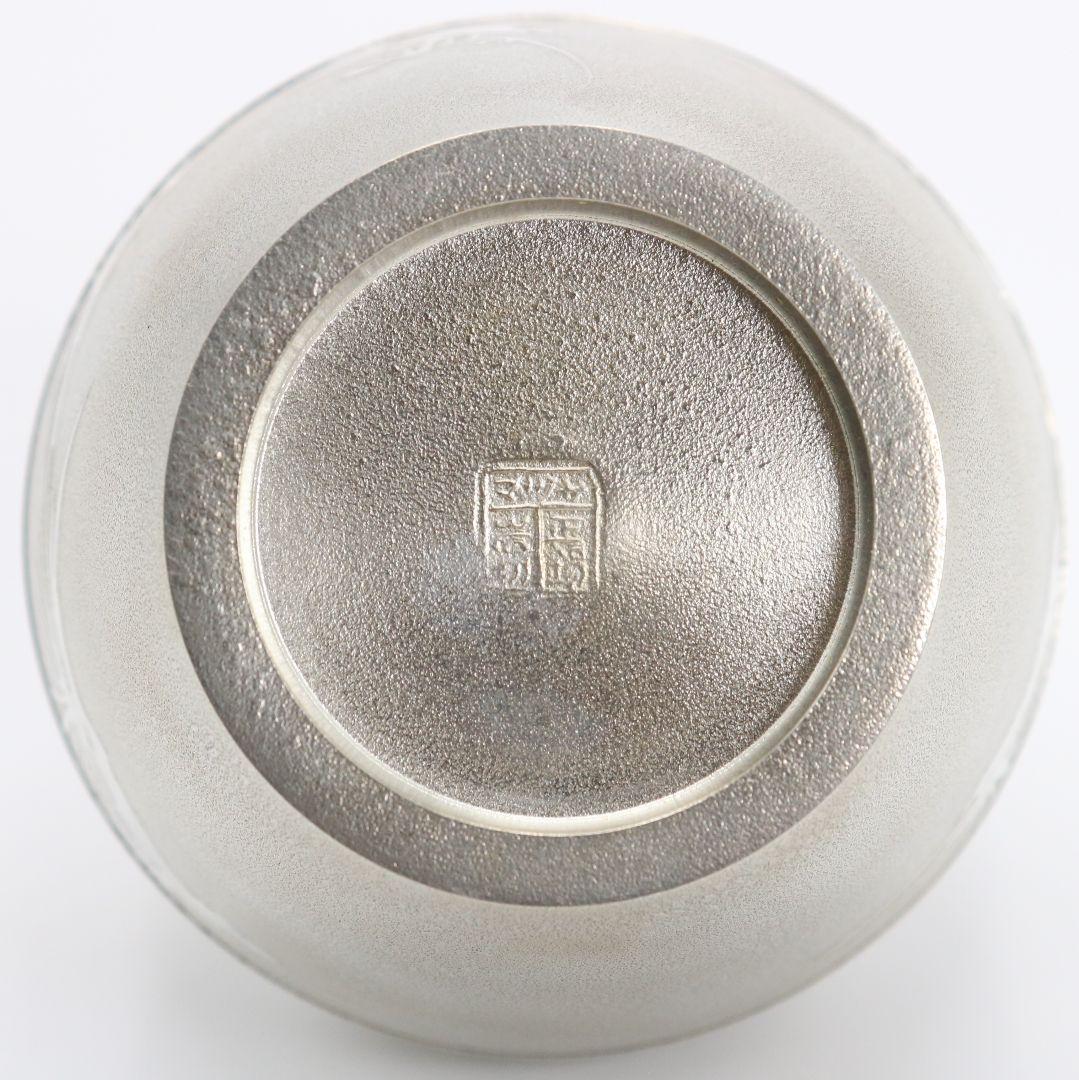
Iwakiri Bikodo Satsuma Tin Tea Canister — Pine Tree Relief Suzuki Chashinka
Iwakiri Bikodo Satsuma Tin Tea Canister — Pine Tree Relief Suzuki Chashinka
Regular price
Dhs. 1,424.00 AED
Regular price
Sale price
Dhs. 1,424.00 AED
Taxes included.
Shipping calculated at checkout.
Experience authentic Japanese Tea Ceremony with this Satsuma Tin Canister. This Handcrafted Tin Chashinka serves as a Traditional Tea Storage and Suzuki Metalwork, featuring Pine Tree Relief and Mirror Polish—a must-have for any Collector seeking Japanese Metal Art and Artisan Tea Ware.
━━━━━━━━━━━━━━━━━━━━
🔹 [ BASIC DETAILS ]
• Workshop: Iwakiri Bikodo (岩切美巧堂)
• Origin: Kagoshima, Satsuma Province, Japan
• Form: Chashinka (茶心壷, tea canister with screw lid)
• Material: Satsuma tin (薩摩錫, satsumasuzuki)
• Decoration: Pine tree (matsu, 松) in high-relief chasing
• Finish: Dual texture—mirror-polished body with matte relief
• Weight: 388g
• Dimensions: H: 9.2cm, W: 7.8cm
• Period: 2000-2009
• Provenance: Kagoshima, Japan
• Condition: Excellent—bright mirror surface, crisp relief detailing
• Authentication: Paulownia wood box with workshop stamp
━━━━━━━━━━━━━━━━━━━━
🔹 [ CULTURAL & ARTISTIC INSIGHT ]
Satsuma tin (薩摩錫) carries three centuries of craft lineage. When the Shimazu lords of Satsuma Province monopolized tin mining in southern Kyushu during the Edo period, local artisans developed distinctive techniques for working this soft, lustrous metal. Unlike silver, tin does not tarnish; unlike iron, it imparts no flavor. These properties made it the material of choice for tea storage vessels, sake warmers, and ritual objects.
Iwakiri Bikodo, a Kagoshima workshop with multi-generational expertise, employs traditional hand-chasing (tankin, 鍛金) to raise the pine tree motif from a flat tin sheet. The process requires hundreds of precise hammer strikes against shaping stakes, gradually coaxing the metal into three-dimensional form. The pine—Japan's most enduring symbol of longevity and steadfastness—emerges in full sculptural presence, its needles individually articulated.
The dual-finish technique defines this piece's character. The canister body is polished to a mirror sheen, reflecting its surroundings like still water. The pine relief, by contrast, retains a soft matte texture, creating visual depth and tactile interest. This interplay between reflective and absorptive surfaces gives the vessel a quiet dynamism—it changes appearance with every shift of light.
The screw-lid mechanism (nejibuta, ねじ蓋) ensures an airtight seal, protecting the tea leaves within from moisture and oxidation. Tin's natural antimicrobial properties further preserve freshness. In traditional tea practice, the chashinka is placed beside the tea preparation area, its presence signaling the host's attention to every detail of the gathering.
━━━━━━━━━━━━━━━━━━━━
🔹 [ DEEP-DIVE COMMENTARY ]
**Satsuma Tin Tradition**: The Shimazu clan brought tin-smithing techniques from China and Korea to Kagoshima in the 17th century. Southern Kyushu's tin deposits—among Japan's richest—provided raw material, while the domain's policy of cultural self-sufficiency fostered specialized workshops. Satsuma tin became a diplomatic gift, presented to the Tokugawa shogunate and foreign dignitaries. Today, only a handful of workshops maintain the traditional hand-forging methods. Iwakiri Bikodo is among the most respected, known for combining classical motifs with meticulous craftsmanship.
**The Pine Tree Motif (Matsu-mon)**: The pine (松, matsu) is Japan's paramount symbol of endurance. Evergreen through harsh winters, rooted in rocky soil, bending but never breaking in typhoon winds—the pine embodies the Japanese aesthetic of persistent grace under adversity. In tea culture, pine motifs appear on utensils used during New Year celebrations and winter gatherings, their presence evoking wishes for longevity and resilience. The word matsu also means "to wait," adding a layer of poetic anticipation to the symbol.
**Hand-Chasing Technique (Tankin)**: Unlike casting, which pours molten metal into molds, tankin involves shaping solid metal through repeated hammering. The artisan works from the interior surface, using specialized stakes (ategan, 当て金) of various profiles to push the metal outward. Each hammer blow must be precisely calibrated—too forceful and the thin tin will tear; too gentle and the relief lacks definition. The pine needles on this canister show individual articulation, evidence of exceptional control and patience.
**Tin's Properties for Tea Storage**: Tin ionizes slightly in contact with air, creating a microscopic oxide layer that is both food-safe and antimicrobial. Japanese tea masters discovered centuries ago that tin vessels preserve matcha and sencha better than ceramic or wood. The metal's excellent thermal conductivity also means the canister quickly equilibrates with room temperature, preventing condensation that could degrade the tea. The substantial weight of this piece (388g) reflects the use of thick-gauge tin, ensuring durability and a satisfying heft in the hand.
**The Paulownia Box**: The storage box is crafted from paulownia wood (kiri, 桐), prized in Japan for its exceptional moisture-regulating properties. Paulownia boxes expand in humid conditions, sealing tightly to protect contents, and contract in dry air, allowing ventilation. The workshop's stamp on the box lid serves as authentication and provenance documentation.
━━━━━━━━━━━━━━━━━━━━
🔹 [ 日本語解説 ]
【基本情報】
• 工房: 岩切美巧堂(いわきりびこうどう)
• 種類: 茶心壷(ちゃしんこ)—ねじ蓋式茶壷
• 素材: 薩摩錫(さつますずき)
• 装飾: 松文(まつもん)高肉彫り
• 仕上げ: 鏡面研磨+梨地仕上げ(二重テクスチャ)
• 重量: 388g
• 寸法: 高さ9.2cm、幅7.8cm
• 年代: 2000年代
• 付属: 桐箱(工房印)
• 状態: 優良—鏡面の輝き、彫りの鮮明さ良好
【解説】
薩摩錫は、江戸時代に薩摩藩(現在の鹿児島県)で発展した金工技術です。島津家が南九州の錫鉱山を管理し、地元の職人が独自の加工技術を磨きました。錫は銀のように変色せず、鉄のように味を移さないため、茶壷や酒器に最適な素材とされてきました。
岩切美巧堂は鹿児島を代表する錫器工房で、伝統的な鍛金(たんきん)技法を今に伝えています。鍛金とは、平らな錫板を繰り返し叩いて立体的な形を作り出す技法で、鋳造とは異なり、一つ一つの打撃が作品の表情を決定します。この茶壷の松文は、内側から当て金を使って押し出す方法で制作されており、松葉の一本一本が個別に表現されています。
松(まつ)は日本で最も重要な吉祥文様の一つです。厳しい冬にも常緑を保ち、岩場にも根を張り、嵐にも折れない松は、長寿と不屈の精神を象徴します。「松」は「待つ」とも同音であり、期待と忍耐の詩的な意味も含みます。
この茶壷の特徴は、鏡面研磨と梨地仕上げの二重テクスチャです。本体は鏡のように磨き上げられ、周囲の景色を映し込みます。一方、松の浮き彫り部分は柔らかなマット仕上げで、触れると松の幹や葉の質感が感じられます。光の角度によって印象が変化する、静かな躍動感のある作品です。
ねじ蓋式の密閉構造は、茶葉を湿気と酸化から守ります。錫の抗菌性も相まって、抹茶や煎茶の鮮度を長期間保つことができます。388gのずっしりとした重みは、厚手の錫材を使用している証であり、手に取った時の満足感につながります。
━━━━━━━━━━━━━━━━━━━━
🔹 [ SHIPPING & PACKAGING ]
• Dispatch: Within 1-6 business days
• Carrier: Japan Post EMS / UPS (with tracking)
• Packaging: Carefully wrapped with protective materials
*A pine holds its ground on polished silver shores, waiting for the one who knows its name.*
━━━━━━━━━━━━━━━━━━━━
🔹 [ BASIC DETAILS ]
• Workshop: Iwakiri Bikodo (岩切美巧堂)
• Origin: Kagoshima, Satsuma Province, Japan
• Form: Chashinka (茶心壷, tea canister with screw lid)
• Material: Satsuma tin (薩摩錫, satsumasuzuki)
• Decoration: Pine tree (matsu, 松) in high-relief chasing
• Finish: Dual texture—mirror-polished body with matte relief
• Weight: 388g
• Dimensions: H: 9.2cm, W: 7.8cm
• Period: 2000-2009
• Provenance: Kagoshima, Japan
• Condition: Excellent—bright mirror surface, crisp relief detailing
• Authentication: Paulownia wood box with workshop stamp
━━━━━━━━━━━━━━━━━━━━
🔹 [ CULTURAL & ARTISTIC INSIGHT ]
Satsuma tin (薩摩錫) carries three centuries of craft lineage. When the Shimazu lords of Satsuma Province monopolized tin mining in southern Kyushu during the Edo period, local artisans developed distinctive techniques for working this soft, lustrous metal. Unlike silver, tin does not tarnish; unlike iron, it imparts no flavor. These properties made it the material of choice for tea storage vessels, sake warmers, and ritual objects.
Iwakiri Bikodo, a Kagoshima workshop with multi-generational expertise, employs traditional hand-chasing (tankin, 鍛金) to raise the pine tree motif from a flat tin sheet. The process requires hundreds of precise hammer strikes against shaping stakes, gradually coaxing the metal into three-dimensional form. The pine—Japan's most enduring symbol of longevity and steadfastness—emerges in full sculptural presence, its needles individually articulated.
The dual-finish technique defines this piece's character. The canister body is polished to a mirror sheen, reflecting its surroundings like still water. The pine relief, by contrast, retains a soft matte texture, creating visual depth and tactile interest. This interplay between reflective and absorptive surfaces gives the vessel a quiet dynamism—it changes appearance with every shift of light.
The screw-lid mechanism (nejibuta, ねじ蓋) ensures an airtight seal, protecting the tea leaves within from moisture and oxidation. Tin's natural antimicrobial properties further preserve freshness. In traditional tea practice, the chashinka is placed beside the tea preparation area, its presence signaling the host's attention to every detail of the gathering.
━━━━━━━━━━━━━━━━━━━━
🔹 [ DEEP-DIVE COMMENTARY ]
**Satsuma Tin Tradition**: The Shimazu clan brought tin-smithing techniques from China and Korea to Kagoshima in the 17th century. Southern Kyushu's tin deposits—among Japan's richest—provided raw material, while the domain's policy of cultural self-sufficiency fostered specialized workshops. Satsuma tin became a diplomatic gift, presented to the Tokugawa shogunate and foreign dignitaries. Today, only a handful of workshops maintain the traditional hand-forging methods. Iwakiri Bikodo is among the most respected, known for combining classical motifs with meticulous craftsmanship.
**The Pine Tree Motif (Matsu-mon)**: The pine (松, matsu) is Japan's paramount symbol of endurance. Evergreen through harsh winters, rooted in rocky soil, bending but never breaking in typhoon winds—the pine embodies the Japanese aesthetic of persistent grace under adversity. In tea culture, pine motifs appear on utensils used during New Year celebrations and winter gatherings, their presence evoking wishes for longevity and resilience. The word matsu also means "to wait," adding a layer of poetic anticipation to the symbol.
**Hand-Chasing Technique (Tankin)**: Unlike casting, which pours molten metal into molds, tankin involves shaping solid metal through repeated hammering. The artisan works from the interior surface, using specialized stakes (ategan, 当て金) of various profiles to push the metal outward. Each hammer blow must be precisely calibrated—too forceful and the thin tin will tear; too gentle and the relief lacks definition. The pine needles on this canister show individual articulation, evidence of exceptional control and patience.
**Tin's Properties for Tea Storage**: Tin ionizes slightly in contact with air, creating a microscopic oxide layer that is both food-safe and antimicrobial. Japanese tea masters discovered centuries ago that tin vessels preserve matcha and sencha better than ceramic or wood. The metal's excellent thermal conductivity also means the canister quickly equilibrates with room temperature, preventing condensation that could degrade the tea. The substantial weight of this piece (388g) reflects the use of thick-gauge tin, ensuring durability and a satisfying heft in the hand.
**The Paulownia Box**: The storage box is crafted from paulownia wood (kiri, 桐), prized in Japan for its exceptional moisture-regulating properties. Paulownia boxes expand in humid conditions, sealing tightly to protect contents, and contract in dry air, allowing ventilation. The workshop's stamp on the box lid serves as authentication and provenance documentation.
━━━━━━━━━━━━━━━━━━━━
🔹 [ 日本語解説 ]
【基本情報】
• 工房: 岩切美巧堂(いわきりびこうどう)
• 種類: 茶心壷(ちゃしんこ)—ねじ蓋式茶壷
• 素材: 薩摩錫(さつますずき)
• 装飾: 松文(まつもん)高肉彫り
• 仕上げ: 鏡面研磨+梨地仕上げ(二重テクスチャ)
• 重量: 388g
• 寸法: 高さ9.2cm、幅7.8cm
• 年代: 2000年代
• 付属: 桐箱(工房印)
• 状態: 優良—鏡面の輝き、彫りの鮮明さ良好
【解説】
薩摩錫は、江戸時代に薩摩藩(現在の鹿児島県)で発展した金工技術です。島津家が南九州の錫鉱山を管理し、地元の職人が独自の加工技術を磨きました。錫は銀のように変色せず、鉄のように味を移さないため、茶壷や酒器に最適な素材とされてきました。
岩切美巧堂は鹿児島を代表する錫器工房で、伝統的な鍛金(たんきん)技法を今に伝えています。鍛金とは、平らな錫板を繰り返し叩いて立体的な形を作り出す技法で、鋳造とは異なり、一つ一つの打撃が作品の表情を決定します。この茶壷の松文は、内側から当て金を使って押し出す方法で制作されており、松葉の一本一本が個別に表現されています。
松(まつ)は日本で最も重要な吉祥文様の一つです。厳しい冬にも常緑を保ち、岩場にも根を張り、嵐にも折れない松は、長寿と不屈の精神を象徴します。「松」は「待つ」とも同音であり、期待と忍耐の詩的な意味も含みます。
この茶壷の特徴は、鏡面研磨と梨地仕上げの二重テクスチャです。本体は鏡のように磨き上げられ、周囲の景色を映し込みます。一方、松の浮き彫り部分は柔らかなマット仕上げで、触れると松の幹や葉の質感が感じられます。光の角度によって印象が変化する、静かな躍動感のある作品です。
ねじ蓋式の密閉構造は、茶葉を湿気と酸化から守ります。錫の抗菌性も相まって、抹茶や煎茶の鮮度を長期間保つことができます。388gのずっしりとした重みは、厚手の錫材を使用している証であり、手に取った時の満足感につながります。
━━━━━━━━━━━━━━━━━━━━
🔹 [ SHIPPING & PACKAGING ]
• Dispatch: Within 1-6 business days
• Carrier: Japan Post EMS / UPS (with tracking)
• Packaging: Carefully wrapped with protective materials
*A pine holds its ground on polished silver shores, waiting for the one who knows its name.*
Quantity
Couldn't load pickup availability
Low stock: 1 left
View full details