1
/
of
20
Iro-e Wisteria Tea Bowl by Hashimoto Kisen - Kyo-yaki Chawan with Daitokuji Inscription
Iro-e Wisteria Tea Bowl by Hashimoto Kisen - Kyo-yaki Chawan with Daitokuji Inscription
Regular price
Dhs. 1,035.00 AED
Regular price
Sale price
Dhs. 1,035.00 AED
Taxes included.
Shipping calculated at checkout.
Experience Authentic Japan Art with this Iro-e Wisteria Tea Bowl. This Kyo-yaki Matcha Chawan serves as a Japanese Overglaze Enamel and Floral Painted Ceramic, featuring Hashimoto Kisen Pottery and Daitokuji Temple Box—a must-have for any Art Collector seeking Zen Tea Accessories and a Colorful Japanese Bowl.
━━━━━━━━━━━━━━━━━━━━
🔹 [ BASIC DETAILS ]
• Artist: Hashimoto Kisen (橋本喜泉)
• Inscription: Yagyu Shosho (柳生紹尚), Daitokuji Temple
• Technique: Iro-e (色絵, overglaze enamel) with Murasaki Keman (紫華鬘) wisteria design
• Era: Contemporary (Heisei period)
• Origin: Kyoto, Japan (Kyo-yaki tradition)
• Dimensions: Height approx. 7 cm, Diameter approx. 12 cm (2.8 x 4.7 in)
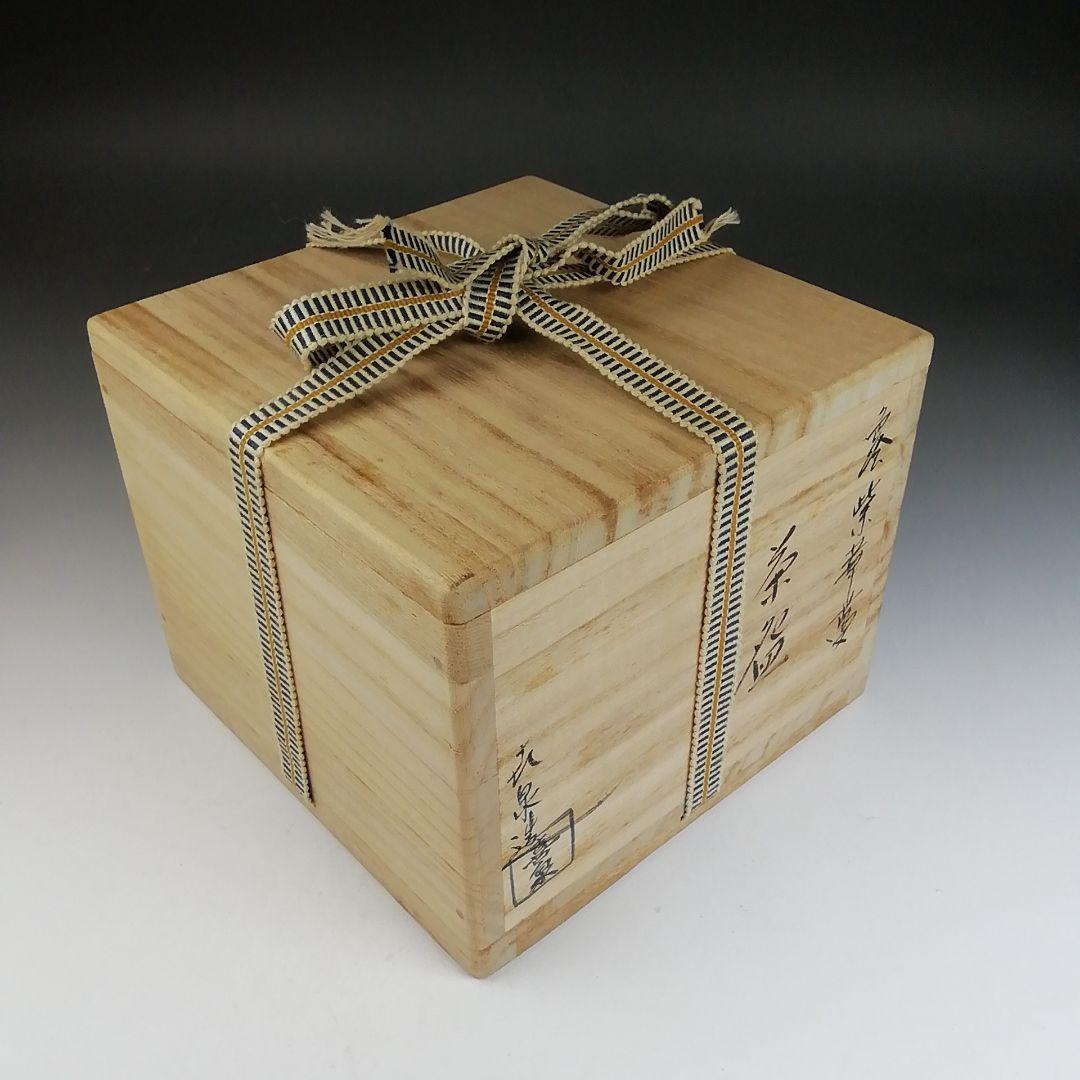
• Box: Signed tomobako with Daitokuji temple inscription and waka poem
• Condition: Excellent — no chips, cracks, or repairs
━━━━━━━━━━━━━━━━━━━━
🔹 [ CULTURAL & ARTISTIC INSIGHT ]
Kyo-yaki, the ceramic tradition of Kyoto, has been the pinnacle of Japanese decorative pottery since the early Edo period. Among its many techniques, iro-e (overglaze enamel painting) represents the most refined expression—delicate brushwork applied over a fired glaze, then re-fired at lower temperatures to permanently fuse the colors to the surface.
This bowl by Hashimoto Kisen features a breathtaking Murasaki Keman (紫華鬘) design—a Buddhist-inspired floral motif centered on cascading wisteria blossoms. The purple wisteria petals are painted with confident, flowing brushstrokes, accompanied by blue-green leaves, soft gold accents, and touches of green that create a garden scene wrapping around the bowl's white porcelain body. The composition captures the fleeting beauty of a spring garden in full bloom.
The tomobako lid bears a waka poem inscribed by Yagyu Shosho of Daitokuji, connecting this bowl to the literary tradition of seasonal poetry. The poem speaks of a garden where purple flowers bloom and scatter—a meditation on transience that perfectly complements the bowl's visual theme. This combination of painting, poetry, and tea transforms the bowl into a multi-layered cultural experience.
*"Wisteria cascades in purple silence—each petal a brushstroke between the seen and the remembered."*
━━━━━━━━━━━━━━━━━━━━
🔹 [ DEEP-DIVE COMMENTARY ]
**The Kyo-yaki Iro-e Tradition**: Kyoto's iro-e technique traces its lineage to Nonomura Ninsei and Ogata Kenzan in the 17th century. Unlike the austere, earth-toned wares of Bizen or Shigaraki, Kyo-yaki celebrates color, pattern, and literary allusion. Each brushstroke is deliberate, each color choice informed by centuries of aesthetic refinement. Hashimoto Kisen works within this lineage, producing bowls that honor classical motifs while maintaining a contemporary freshness.
**The Murasaki Keman Motif**: Keman (華鬘) originally refers to ornamental garlands hung in Buddhist temples. The "Murasaki Keman" or purple garland motif specifically evokes wisteria—a flower deeply embedded in Japanese culture as a symbol of spring, nobility (associated with the Fujiwara clan), and the graceful passage of time. In tea ceremony, wisteria-themed bowls are traditionally used in late spring, connecting the vessel to the seasonal rhythm of chanoyu.
**Daitokuji Literary Connection**: The waka poem on the box lid by Yagyu Shosho adds a literary dimension that elevates this bowl beyond mere craft. Daitokuji abbots have long served as cultural arbiters in the tea world, and their poetic inscriptions create a dialogue between visual art and literature. The poem's theme of flowering and scattering mirrors the Buddhist concept of impermanence that underlies all tea ceremony practice.
**Collector Significance**: Kyo-yaki iro-e bowls with Daitokuji inscriptions represent the intersection of Kyoto's three great cultural pillars: ceramics, poetry, and Zen Buddhism. For collectors, this combination offers both visual beauty and intellectual depth, making the bowl suitable for formal tea gatherings where seasonal themes are carefully curated.
━━━━━━━━━━━━━━━━━━━━
🔹 [ 日本語解説 ]
【基本情報】
• 作家:橋本喜泉
• 書付:大徳寺 柳生紹尚
• 技法:色絵(紫華鬘文様)
• 時代:現代(平成期)
• 産地:京都(京焼)
• 寸法:高さ約7cm、口径約12cm
• 付属:書付共箱(和歌入り)
• 状態:良好(割れ・欠けなし)
【解説】
京焼の色絵技法は、野々村仁清・尾形乾山以来の伝統を受け継ぐ、日本陶磁器の華ともいえる装飾技法です。本作は橋本喜泉による色絵茶碗で、「紫華鬘」と名付けられた藤花文様が白磁の器面を優美に彩っています。
紫の藤花が流れるように描かれ、青緑の葉、金彩の霞、緑の若葉が春の庭園を碗の上に現出させています。一筆一筆に確かな筆力と繊細さが共存し、京焼色絵の粋を感じさせる仕上がりです。
共箱蓋裏には大徳寺・柳生紹尚師による和歌が記されており、「わが庭にむらさきごけまんか花あまたむらりさけりうどかなる春」と、紫の花が咲き誇る春の情景が詠まれています。絵付け・和歌・茶の湯が三位一体となった、京都の文化力を凝縮した一碗です。
━━━━━━━━━━━━━━━━━━━━
🔹 [ SHIPPING & PACKAGING ]
• Dispatch: Within 1-6 business days
• Carrier: Japan Post EMS / UPS (with tracking)
• Packaging: Carefully wrapped with protective materials
*A spring garden held in porcelain and pigment—where poetry, painting, and tea become one quiet breath.*
━━━━━━━━━━━━━━━━━━━━
🔹 [ BASIC DETAILS ]
• Artist: Hashimoto Kisen (橋本喜泉)
• Inscription: Yagyu Shosho (柳生紹尚), Daitokuji Temple
• Technique: Iro-e (色絵, overglaze enamel) with Murasaki Keman (紫華鬘) wisteria design
• Era: Contemporary (Heisei period)
• Origin: Kyoto, Japan (Kyo-yaki tradition)
• Dimensions: Height approx. 7 cm, Diameter approx. 12 cm (2.8 x 4.7 in)
• Box: Signed tomobako with Daitokuji temple inscription and waka poem
• Condition: Excellent — no chips, cracks, or repairs
━━━━━━━━━━━━━━━━━━━━
🔹 [ CULTURAL & ARTISTIC INSIGHT ]
Kyo-yaki, the ceramic tradition of Kyoto, has been the pinnacle of Japanese decorative pottery since the early Edo period. Among its many techniques, iro-e (overglaze enamel painting) represents the most refined expression—delicate brushwork applied over a fired glaze, then re-fired at lower temperatures to permanently fuse the colors to the surface.
This bowl by Hashimoto Kisen features a breathtaking Murasaki Keman (紫華鬘) design—a Buddhist-inspired floral motif centered on cascading wisteria blossoms. The purple wisteria petals are painted with confident, flowing brushstrokes, accompanied by blue-green leaves, soft gold accents, and touches of green that create a garden scene wrapping around the bowl's white porcelain body. The composition captures the fleeting beauty of a spring garden in full bloom.
The tomobako lid bears a waka poem inscribed by Yagyu Shosho of Daitokuji, connecting this bowl to the literary tradition of seasonal poetry. The poem speaks of a garden where purple flowers bloom and scatter—a meditation on transience that perfectly complements the bowl's visual theme. This combination of painting, poetry, and tea transforms the bowl into a multi-layered cultural experience.
*"Wisteria cascades in purple silence—each petal a brushstroke between the seen and the remembered."*
━━━━━━━━━━━━━━━━━━━━
🔹 [ DEEP-DIVE COMMENTARY ]
**The Kyo-yaki Iro-e Tradition**: Kyoto's iro-e technique traces its lineage to Nonomura Ninsei and Ogata Kenzan in the 17th century. Unlike the austere, earth-toned wares of Bizen or Shigaraki, Kyo-yaki celebrates color, pattern, and literary allusion. Each brushstroke is deliberate, each color choice informed by centuries of aesthetic refinement. Hashimoto Kisen works within this lineage, producing bowls that honor classical motifs while maintaining a contemporary freshness.
**The Murasaki Keman Motif**: Keman (華鬘) originally refers to ornamental garlands hung in Buddhist temples. The "Murasaki Keman" or purple garland motif specifically evokes wisteria—a flower deeply embedded in Japanese culture as a symbol of spring, nobility (associated with the Fujiwara clan), and the graceful passage of time. In tea ceremony, wisteria-themed bowls are traditionally used in late spring, connecting the vessel to the seasonal rhythm of chanoyu.
**Daitokuji Literary Connection**: The waka poem on the box lid by Yagyu Shosho adds a literary dimension that elevates this bowl beyond mere craft. Daitokuji abbots have long served as cultural arbiters in the tea world, and their poetic inscriptions create a dialogue between visual art and literature. The poem's theme of flowering and scattering mirrors the Buddhist concept of impermanence that underlies all tea ceremony practice.
**Collector Significance**: Kyo-yaki iro-e bowls with Daitokuji inscriptions represent the intersection of Kyoto's three great cultural pillars: ceramics, poetry, and Zen Buddhism. For collectors, this combination offers both visual beauty and intellectual depth, making the bowl suitable for formal tea gatherings where seasonal themes are carefully curated.
━━━━━━━━━━━━━━━━━━━━
🔹 [ 日本語解説 ]
【基本情報】
• 作家:橋本喜泉
• 書付:大徳寺 柳生紹尚
• 技法:色絵(紫華鬘文様)
• 時代:現代(平成期)
• 産地:京都(京焼)
• 寸法:高さ約7cm、口径約12cm
• 付属:書付共箱(和歌入り)
• 状態:良好(割れ・欠けなし)
【解説】
京焼の色絵技法は、野々村仁清・尾形乾山以来の伝統を受け継ぐ、日本陶磁器の華ともいえる装飾技法です。本作は橋本喜泉による色絵茶碗で、「紫華鬘」と名付けられた藤花文様が白磁の器面を優美に彩っています。
紫の藤花が流れるように描かれ、青緑の葉、金彩の霞、緑の若葉が春の庭園を碗の上に現出させています。一筆一筆に確かな筆力と繊細さが共存し、京焼色絵の粋を感じさせる仕上がりです。
共箱蓋裏には大徳寺・柳生紹尚師による和歌が記されており、「わが庭にむらさきごけまんか花あまたむらりさけりうどかなる春」と、紫の花が咲き誇る春の情景が詠まれています。絵付け・和歌・茶の湯が三位一体となった、京都の文化力を凝縮した一碗です。
━━━━━━━━━━━━━━━━━━━━
🔹 [ SHIPPING & PACKAGING ]
• Dispatch: Within 1-6 business days
• Carrier: Japan Post EMS / UPS (with tracking)
• Packaging: Carefully wrapped with protective materials
*A spring garden held in porcelain and pigment—where poetry, painting, and tea become one quiet breath.*
Quantity
Couldn't load pickup availability
Low stock: 1 left
View full details