1
/
of
15
Iro-e Red Plum Blossom Chawan Tea Bowl by Kokuryo Toshihito
Iro-e Red Plum Blossom Chawan Tea Bowl by Kokuryo Toshihito
Regular price
Dhs. 698.00 AED
Regular price
Sale price
Dhs. 698.00 AED
Taxes included.
Shipping calculated at checkout.
A vivid iro-e painted bowl adorned with plum blossom chawan motifs by Kokuryo Toshihito, a Kyoto ceramic artist working in the overglaze enamel art tradition. This Japanese tea bowl serves as both matcha tea bowl and Japanese floral art — a spring tea ceremony vessel authenticated with tomobako signed box, a meaningful collectors tea bowl.
🔹 [ Basic Details ]
• Artist: Kokuryo Toshihito (国領寿人)
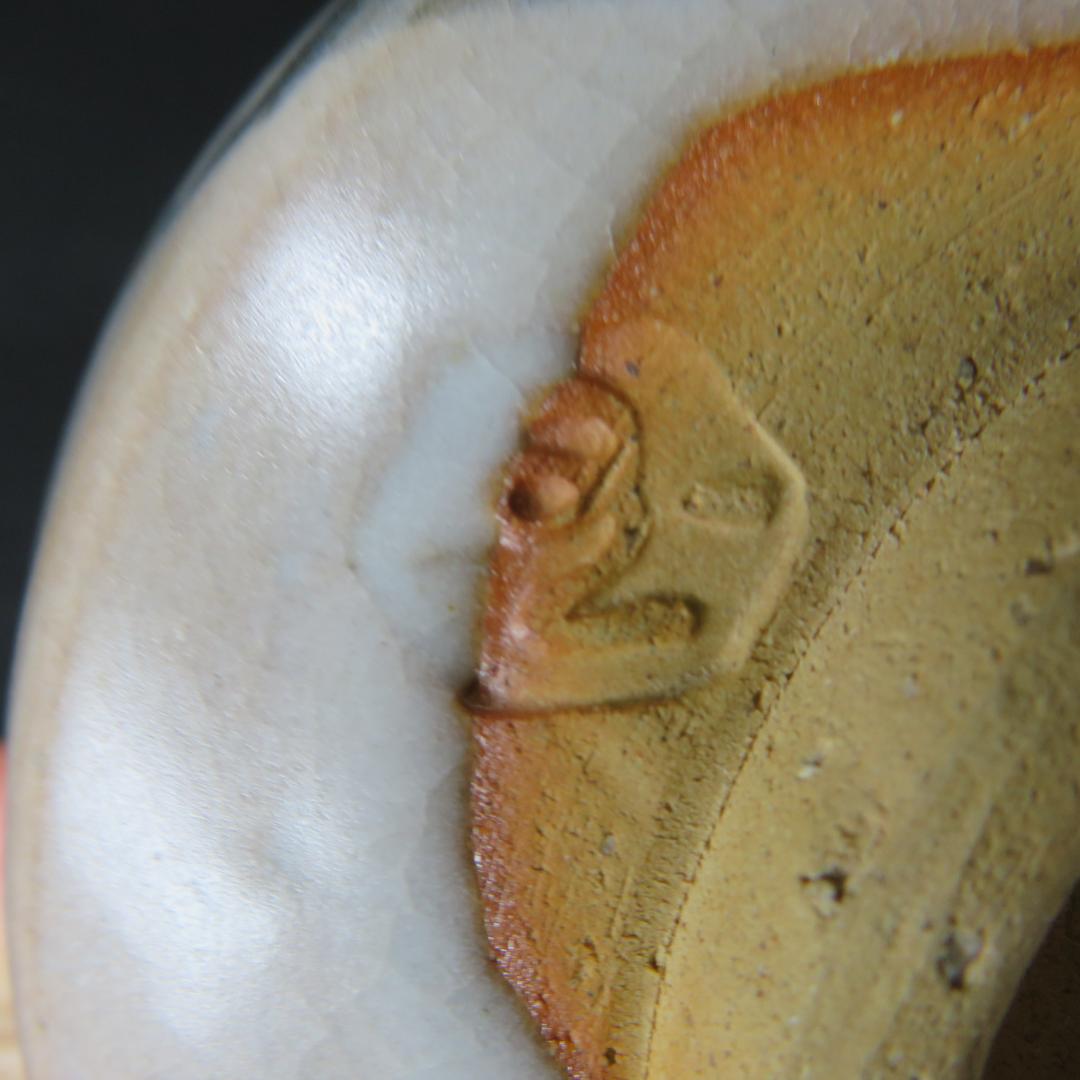
• Technique: Iro-e (色絵) — overglaze polychrome enamel on crackled white glaze
• Era: Contemporary (Heisei–Reiwa period)
• Origin: Japan
• Form: Chawan (茶碗) — tea bowl for matcha
• Dimensions: H approx. 8 cm × Dia approx. 12 cm
• Box: Tomobako (共箱) inscribed "紅梅 茶碗" with artist signature and red seal
• Condition: Good — no notable damage or stains
🔹 [ Cultural & Artistic Insight ]
The red plum blossom — kōbai (紅梅) — is not merely a decorative motif. It is the first declaration of spring. While snow still covers the ground, the plum tree sends out its branches and opens its flowers against the cold. In the tea room, a kōbai chawan announces this transition: winter receding, warmth returning, the year beginning again.
Kokuryo Toshihito renders the red plum in bold overglaze enamel against a crackled white ground. The branches reach across the bowl's surface in grey-blue brushwork — angular, unhesitating, alive. Each five-petaled blossom carries a center of yellow stamens, painted with the precision that only comes from long familiarity with the subject. The crackle glaze (kannyū) beneath adds a dimension of quiet depth to the bright seasonal declaration above.
This is a bowl that belongs to late January, to February — to the moment when the year turns its face toward light.
🔹 [ Deep-Dive Commentary ]
■ Iro-e: The Art of Overglaze Enamel
Iro-e (色絵) refers to the technique of applying polychrome enamels over an already-fired glaze, then refiring at lower temperature to fix the colors. This allows for a palette impossible in underglaze work — vivid reds, bright greens, warm yellows, deep purples. The technique arrived in Japan through Chinese and Korean precedents but was transformed by Japanese sensibility into something distinctly expressive. On this bowl, the red-orange of the plum blossoms and the grey-blue of the branches create a tension between warmth and coolness that mirrors the season itself.
■ Kōbai in Tea Culture
The plum blossom holds a special place in the tea ceremony calendar. Unlike the cherry blossom — which signifies ephemeral beauty and communal celebration — the plum signifies solitary courage. It blooms first, alone, in the cold. In a tea gathering, a kōbai-themed bowl signals the host's awareness of this moment — the quiet recognition that endurance precedes beauty. The choice of a plum blossom bowl for a winter or early spring gathering is not merely seasonal decoration; it is a philosophical statement about patience.
■ Kannyū: The Crackle Beneath
The fine crackle network (kannyū 貫入) visible beneath the enamel painting is not a defect — it is a deliberate aesthetic element in certain ceramic traditions. As the glaze contracts at a different rate from the clay body during cooling, these fine lines appear, creating a texture that suggests accumulated time. On this bowl, the crackle provides a visual counterpoint to the bold painted decoration: beneath the celebration of spring lies the patience of years held still.
🔹 [ 日本語解説 ]
国領寿人作 紅梅茶碗。白釉の貫入を背景に、色絵で紅梅を大胆に描いた作品です。
色絵(いろえ)とは、本焼き済みの釉薬の上に赤・緑・黄などの上絵具を施し、低温で再焼成する技法です。本作では、灰青色の枝が碗の表面を横切り、五弁の紅梅が黄色い蕊(しべ)とともに鮮やかに咲いています。白地の貫入(かんにゅう)が、華やかな絵付の下に静かな時間の層を加えています。
紅梅は茶の湯において特別な意匠です。桜が儲さと共同性の象徴であるのに対し、梅は孤高の勇気を示します。寒さの中で最初に咲く花——それは忍耐が美に先立つことの宣言です。冬から早春にかけての茶席で紅梅の茶碗を選ぶことは、亭主のこの季節への覚醒を示すものです。
共箱には「紅梅 茶碗」の箱書きと作者の署名・朱印があります。
寸法:高さ約8cm × 径約12cm
状態:良好。目立つ傷・汚れなし。
🔹 [ SHIPPING & PACKAGING ]
• Dispatch: Within 1-6 business days
• Carrier: Japan Post EMS / UPS (with tracking)
• Packaging: Carefully wrapped with protective materials
🔹 [ Basic Details ]
• Artist: Kokuryo Toshihito (国領寿人)
• Technique: Iro-e (色絵) — overglaze polychrome enamel on crackled white glaze
• Era: Contemporary (Heisei–Reiwa period)
• Origin: Japan
• Form: Chawan (茶碗) — tea bowl for matcha
• Dimensions: H approx. 8 cm × Dia approx. 12 cm
• Box: Tomobako (共箱) inscribed "紅梅 茶碗" with artist signature and red seal
• Condition: Good — no notable damage or stains
🔹 [ Cultural & Artistic Insight ]
The red plum blossom — kōbai (紅梅) — is not merely a decorative motif. It is the first declaration of spring. While snow still covers the ground, the plum tree sends out its branches and opens its flowers against the cold. In the tea room, a kōbai chawan announces this transition: winter receding, warmth returning, the year beginning again.
Kokuryo Toshihito renders the red plum in bold overglaze enamel against a crackled white ground. The branches reach across the bowl's surface in grey-blue brushwork — angular, unhesitating, alive. Each five-petaled blossom carries a center of yellow stamens, painted with the precision that only comes from long familiarity with the subject. The crackle glaze (kannyū) beneath adds a dimension of quiet depth to the bright seasonal declaration above.
This is a bowl that belongs to late January, to February — to the moment when the year turns its face toward light.
🔹 [ Deep-Dive Commentary ]
■ Iro-e: The Art of Overglaze Enamel
Iro-e (色絵) refers to the technique of applying polychrome enamels over an already-fired glaze, then refiring at lower temperature to fix the colors. This allows for a palette impossible in underglaze work — vivid reds, bright greens, warm yellows, deep purples. The technique arrived in Japan through Chinese and Korean precedents but was transformed by Japanese sensibility into something distinctly expressive. On this bowl, the red-orange of the plum blossoms and the grey-blue of the branches create a tension between warmth and coolness that mirrors the season itself.
■ Kōbai in Tea Culture
The plum blossom holds a special place in the tea ceremony calendar. Unlike the cherry blossom — which signifies ephemeral beauty and communal celebration — the plum signifies solitary courage. It blooms first, alone, in the cold. In a tea gathering, a kōbai-themed bowl signals the host's awareness of this moment — the quiet recognition that endurance precedes beauty. The choice of a plum blossom bowl for a winter or early spring gathering is not merely seasonal decoration; it is a philosophical statement about patience.
■ Kannyū: The Crackle Beneath
The fine crackle network (kannyū 貫入) visible beneath the enamel painting is not a defect — it is a deliberate aesthetic element in certain ceramic traditions. As the glaze contracts at a different rate from the clay body during cooling, these fine lines appear, creating a texture that suggests accumulated time. On this bowl, the crackle provides a visual counterpoint to the bold painted decoration: beneath the celebration of spring lies the patience of years held still.
🔹 [ 日本語解説 ]
国領寿人作 紅梅茶碗。白釉の貫入を背景に、色絵で紅梅を大胆に描いた作品です。
色絵(いろえ)とは、本焼き済みの釉薬の上に赤・緑・黄などの上絵具を施し、低温で再焼成する技法です。本作では、灰青色の枝が碗の表面を横切り、五弁の紅梅が黄色い蕊(しべ)とともに鮮やかに咲いています。白地の貫入(かんにゅう)が、華やかな絵付の下に静かな時間の層を加えています。
紅梅は茶の湯において特別な意匠です。桜が儲さと共同性の象徴であるのに対し、梅は孤高の勇気を示します。寒さの中で最初に咲く花——それは忍耐が美に先立つことの宣言です。冬から早春にかけての茶席で紅梅の茶碗を選ぶことは、亭主のこの季節への覚醒を示すものです。
共箱には「紅梅 茶碗」の箱書きと作者の署名・朱印があります。
寸法:高さ約8cm × 径約12cm
状態:良好。目立つ傷・汚れなし。
🔹 [ SHIPPING & PACKAGING ]
• Dispatch: Within 1-6 business days
• Carrier: Japan Post EMS / UPS (with tracking)
• Packaging: Carefully wrapped with protective materials
Quantity
Couldn't load pickup availability
Low stock: 1 left
View full details