1
/
of
12
Irabo Tea Bowl by Takahashi Dohachi VI - Kyo-yaki Korean Style
Irabo Tea Bowl by Takahashi Dohachi VI - Kyo-yaki Korean Style
Regular price
Dhs. 1,847.00 AED
Regular price
Sale price
Dhs. 1,847.00 AED
Taxes included.
Shipping calculated at checkout.
Experience authentic Japanese Kyo-yaki Pottery tradition with this Irabo Tea Bowl by Takahashi Dohachi VI. This Korean Tea Bowl serves as a Matcha Chawan Bowl and Iron-Rich Stoneware piece, featuring Rough Texture Glaze and Wheel Mark Surface—a must-have for any collector seeking Kyoto Potter Lineage artistry and Wabi-Sabi Aesthetic.
━━━━━━━━━━━━━━━━━━━━
🔹 [ BASIC DETAILS ]
• Artist: Takahashi Dohachi VI (六代 高橋道八)
• Style: Irabo (伊羅保)
• Origin: Kyoto, Japan
• Era: Contemporary (Heisei–Reiwa period)
• Dimensions: Diameter approx. 12.9 cm × Height approx. 7.4 cm (5.1" × 2.9")
• Condition: Excellent – no visible damage
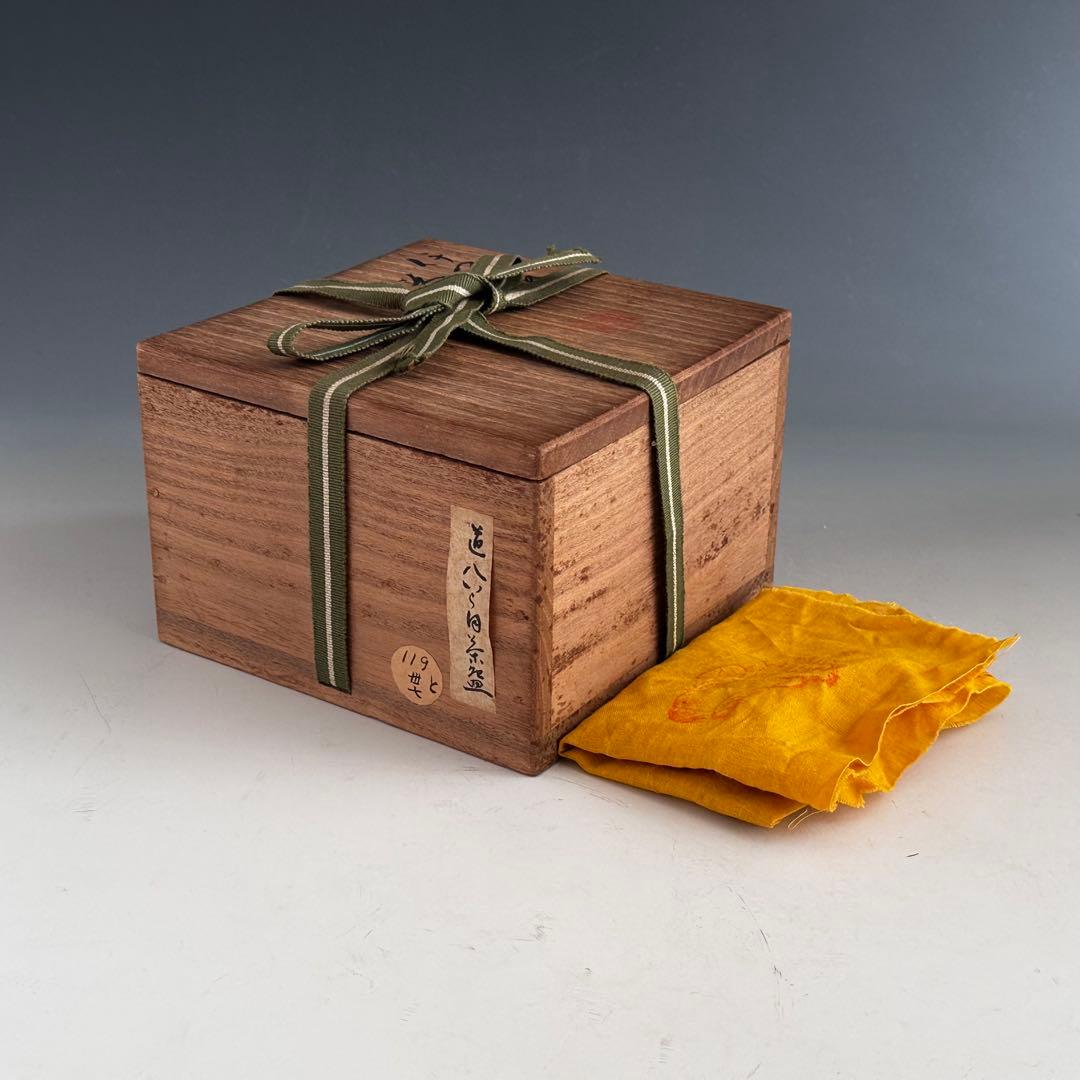
• Box: Tomobako (artist-signed wooden box) with cloth
━━━━━━━━━━━━━━━━━━━━
🔹 [ CULTURAL & ARTISTIC INSIGHT ]
The Takahashi Dohachi lineage stands among the most prestigious names in Kyoto pottery history. Beginning in the late Edo period, the family has maintained continuous artistic excellence across six generations—the second generation, Ninnami Dohachi, remains celebrated as one of Japan's greatest potters.
This irabo bowl represents a deliberate synthesis: Korean roughness meeting Kyoto sophistication. The term "irabo" (伊羅保) literally means "rough skin," describing the intentionally coarse surface texture that characterized certain Korean tea bowls prized by Japanese tea masters. The sixth generation Dohachi interprets this aesthetic through Kyo-yaki refinement—roughness rendered with purpose, not accident.
*"Six generations of knowing. Korean clay memory. Kyoto's hand shaping what roughness means when intention guides it."*
━━━━━━━━━━━━━━━━━━━━
🔹 [ DEEP-DIVE COMMENTARY ]
**The Dohachi Legacy**: The Takahashi Dohachi name carries cultural weight spanning two centuries. Each generation inherited not merely techniques but responsibility—the duty to honor tradition while asserting individual artistic voice. The sixth generation's choice to create an irabo bowl demonstrates this balance: employing a Korean-influenced form within the Kyo-yaki tradition of technical excellence and aesthetic refinement.
**Surface as Narrative**: The dark iron-brown clay body shows pronounced horizontal striations from the potter's wheel—rokuro-me (wheel marks) left deliberately visible. Where the glaze thins, ochre-yellow patches emerge, particularly along the interior rim. This color variation results from the iron-rich clay's reaction to firing temperature and atmosphere. The texture is intentionally rough, yet the overall form maintains Kyoto's characteristic elegance.
**Korean Form, Kyoto Execution**: The conical shape—wider mouth tapering to a narrow foot ring—follows Korean tea bowl proportions favored by Japanese tea masters since the Momoyama period. The kodai (foot ring) is small but precisely formed, evidence of Kyo-yaki's technical standards applied to a historically rough aesthetic. This is not imitation but translation—Korean vocabulary spoken with a Kyoto accent.
**The Collector's Perspective**: Irabo bowls occupy a specific position in tea ceremony aesthetics: valued for their rough texture and earth-toned surfaces that embody wabi-sabi principles. A Kyoto potter creating irabo demonstrates both historical knowledge and technical confidence—the ability to control roughness requires mastery. The tomobako authentication directly from this distinguished lineage adds provenance that Japanese collectors particularly value.
━━━━━━━━━━━━━━━━━━━━
🔹 [ 日本語解説 ]
【基本情報】
• 作家:六代 高橋道八
• 様式:伊羅保写し
• 産地:京都
• 制作年代:現代(平成〜令和)
• 寸法:直径約12.9cm × 高さ約7.4cm
• 状態:良好(目立つ傷なし)
• 付属:共箱・共布
【解説】
高橋道八は江戸後期から続く京焼の名門中の名門です。特に二代道八(仁阿弥道八)は日本陶芸史上屈指の名工として知られ、その血脈を継ぐ六代は伝統の重みを背負いながら独自の作陶を続けています。
この茶碗は伊羅保写しという、朝鮮半島の荒々しい質感を持つ高麗茶碗の様式を、京焼の洗練された技術で再解釈した作品です。「伊羅保」とは文字通り「荒い肌」を意味し、ざらついた表面と鉄分の多い土味が特徴です。轆轤目(ろくろめ)が明瞭に残る表面、釉薬が薄くなった部分に現れる黄褐色の発色—これらは意図的にコントロールされた「荒さ」であり、偶然ではなく計算された美です。
形状は朝鮮茶碗の特徴である口広で腰の絞まった円錐形を踏襲しつつ、高台の造形には京焼らしい丁寧な仕事が見られます。荒々しさと洗練が共存するこの茶碗は、六代道八という名跡が持つ歴史的な重みと、現代作家としての解釈の両方を体現しています。
━━━━━━━━━━━━━━━━━━━━
🔹 [ SHIPPING & PACKAGING ]
• Dispatch: Within 1-6 business days
• Carrier: Japan Post EMS / UPS (with tracking)
• Packaging: Carefully wrapped with protective materials
*Six generations. One understanding. Roughness shaped by hands that know when to release control.*
━━━━━━━━━━━━━━━━━━━━
🔹 [ BASIC DETAILS ]
• Artist: Takahashi Dohachi VI (六代 高橋道八)
• Style: Irabo (伊羅保)
• Origin: Kyoto, Japan
• Era: Contemporary (Heisei–Reiwa period)
• Dimensions: Diameter approx. 12.9 cm × Height approx. 7.4 cm (5.1" × 2.9")
• Condition: Excellent – no visible damage
• Box: Tomobako (artist-signed wooden box) with cloth
━━━━━━━━━━━━━━━━━━━━
🔹 [ CULTURAL & ARTISTIC INSIGHT ]
The Takahashi Dohachi lineage stands among the most prestigious names in Kyoto pottery history. Beginning in the late Edo period, the family has maintained continuous artistic excellence across six generations—the second generation, Ninnami Dohachi, remains celebrated as one of Japan's greatest potters.
This irabo bowl represents a deliberate synthesis: Korean roughness meeting Kyoto sophistication. The term "irabo" (伊羅保) literally means "rough skin," describing the intentionally coarse surface texture that characterized certain Korean tea bowls prized by Japanese tea masters. The sixth generation Dohachi interprets this aesthetic through Kyo-yaki refinement—roughness rendered with purpose, not accident.
*"Six generations of knowing. Korean clay memory. Kyoto's hand shaping what roughness means when intention guides it."*
━━━━━━━━━━━━━━━━━━━━
🔹 [ DEEP-DIVE COMMENTARY ]
**The Dohachi Legacy**: The Takahashi Dohachi name carries cultural weight spanning two centuries. Each generation inherited not merely techniques but responsibility—the duty to honor tradition while asserting individual artistic voice. The sixth generation's choice to create an irabo bowl demonstrates this balance: employing a Korean-influenced form within the Kyo-yaki tradition of technical excellence and aesthetic refinement.
**Surface as Narrative**: The dark iron-brown clay body shows pronounced horizontal striations from the potter's wheel—rokuro-me (wheel marks) left deliberately visible. Where the glaze thins, ochre-yellow patches emerge, particularly along the interior rim. This color variation results from the iron-rich clay's reaction to firing temperature and atmosphere. The texture is intentionally rough, yet the overall form maintains Kyoto's characteristic elegance.
**Korean Form, Kyoto Execution**: The conical shape—wider mouth tapering to a narrow foot ring—follows Korean tea bowl proportions favored by Japanese tea masters since the Momoyama period. The kodai (foot ring) is small but precisely formed, evidence of Kyo-yaki's technical standards applied to a historically rough aesthetic. This is not imitation but translation—Korean vocabulary spoken with a Kyoto accent.
**The Collector's Perspective**: Irabo bowls occupy a specific position in tea ceremony aesthetics: valued for their rough texture and earth-toned surfaces that embody wabi-sabi principles. A Kyoto potter creating irabo demonstrates both historical knowledge and technical confidence—the ability to control roughness requires mastery. The tomobako authentication directly from this distinguished lineage adds provenance that Japanese collectors particularly value.
━━━━━━━━━━━━━━━━━━━━
🔹 [ 日本語解説 ]
【基本情報】
• 作家:六代 高橋道八
• 様式:伊羅保写し
• 産地:京都
• 制作年代:現代(平成〜令和)
• 寸法:直径約12.9cm × 高さ約7.4cm
• 状態:良好(目立つ傷なし)
• 付属:共箱・共布
【解説】
高橋道八は江戸後期から続く京焼の名門中の名門です。特に二代道八(仁阿弥道八)は日本陶芸史上屈指の名工として知られ、その血脈を継ぐ六代は伝統の重みを背負いながら独自の作陶を続けています。
この茶碗は伊羅保写しという、朝鮮半島の荒々しい質感を持つ高麗茶碗の様式を、京焼の洗練された技術で再解釈した作品です。「伊羅保」とは文字通り「荒い肌」を意味し、ざらついた表面と鉄分の多い土味が特徴です。轆轤目(ろくろめ)が明瞭に残る表面、釉薬が薄くなった部分に現れる黄褐色の発色—これらは意図的にコントロールされた「荒さ」であり、偶然ではなく計算された美です。
形状は朝鮮茶碗の特徴である口広で腰の絞まった円錐形を踏襲しつつ、高台の造形には京焼らしい丁寧な仕事が見られます。荒々しさと洗練が共存するこの茶碗は、六代道八という名跡が持つ歴史的な重みと、現代作家としての解釈の両方を体現しています。
━━━━━━━━━━━━━━━━━━━━
🔹 [ SHIPPING & PACKAGING ]
• Dispatch: Within 1-6 business days
• Carrier: Japan Post EMS / UPS (with tracking)
• Packaging: Carefully wrapped with protective materials
*Six generations. One understanding. Roughness shaped by hands that know when to release control.*
Quantity
Couldn't load pickup availability
Out of stock
View full details