1
/
of
7
Irabo Tea Bowl by Kato Eiichi - Korean-Style Chawan with Hakeme Marks and Signed Box
Irabo Tea Bowl by Kato Eiichi - Korean-Style Chawan with Hakeme Marks and Signed Box
Regular price
Dhs. 514.00 AED
Regular price
Sale price
Dhs. 514.00 AED
Taxes included.
Shipping calculated at checkout.
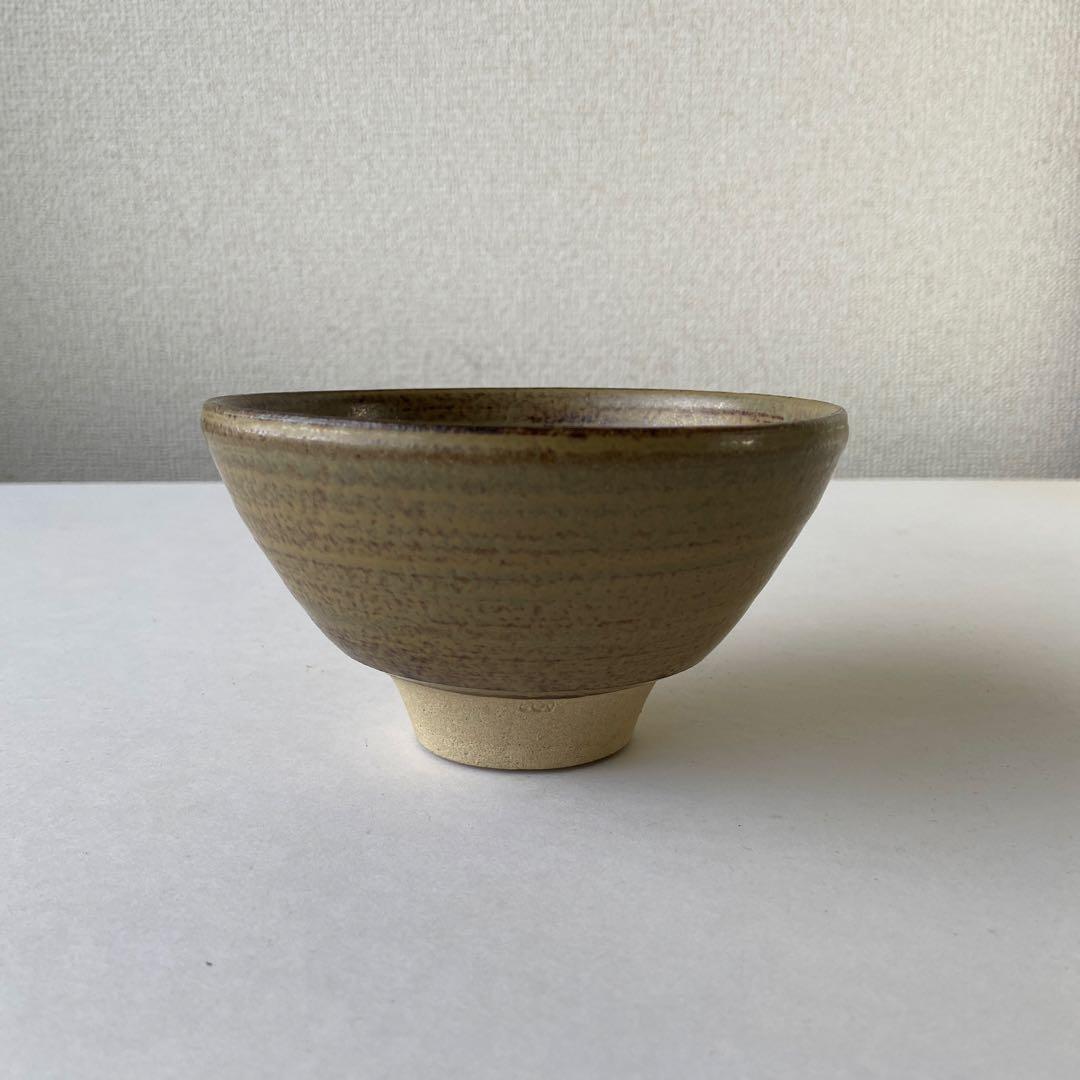
Experience authentic Japanese tea culture with this Irabo Tea Bowl. This Japanese Matcha Bowl serves as a Korean Style Chawan and Irabo Glaze Pottery, featuring Hakeme Brush Marks and Wabi Sabi Ceramic artistry—a must-have for any Art Collector seeking Zen Tea Accessories and Tea Ceremony Bowl.
━━━━━━━━━━━━━━━━━━━━
🔹 [ BASIC DETAILS ]
• Artist: Kato Eiichi (加藤英一)
• Technique: Irabo glaze with hakeme (brush mark) decoration
• Era: Contemporary (Heisei–Reiwa period)
• Origin: Japan — Korean-influenced tea bowl tradition
• Dimensions: Diameter approx. 12.8 cm, Height approx. 7.3 cm
• Box: Signed tomobako (共箱)
• Condition: Excellent — no chips or cracks; sandy unglazed foot with kiln stamp
━━━━━━━━━━━━━━━━━━━━
🔹 [ CULTURAL & ARTISTIC INSIGHT ]
Irabo (伊羅保) represents one of the most revered categories of Korean-influenced tea bowls in Japanese chanoyu. The name derives from the rough, granular texture of the glaze — irakoi (いらこい), meaning "coarse" or "gritty" — a tactile quality that tea masters prize for its honest, unmediated connection between hand and clay. In the hierarchy of Goryeo-inspired tea wares, irabo bowls occupy a position of deep respect, valued precisely for what they refuse to hide.
Kato Eiichi's interpretation honors the essential qualities of the irabo tradition while bringing contemporary technical control. The earthy brown-green glaze flows unevenly across the surface, pooling in valleys and thinning on ridges to reveal the rough clay beneath. Vertical hakeme brush strokes — applied in white slip before glazing — create rhythmic linear marks that catch the glaze differently from the surrounding surface, adding visual movement to the otherwise quiet form. The tall, sandy foot remains deliberately unglazed, preserving the raw character of the clay and bearing the artist's stamp.
*"The hand knows this bowl before the eye does — irabo is felt, not seen."*
━━━━━━━━━━━━━━━━━━━━
🔹 [ DEEP-DIVE COMMENTARY ]
**The Irabo Legacy**: Irabo ware originated in Korea and was adopted into Japanese tea practice during the Momoyama period (late 16th century), when tea masters discovered in Korean utilitarian pottery an aesthetic that perfectly aligned with wabi-cha principles. The deliberate roughness, irregular forms, and earth-toned glazes of irabo bowls represented everything that formal Chinese-influenced ceramics were not — and everything that Rikyu's revolution in taste demanded.
**Hakeme Technique**: The vertical brush marks (hakeme) visible on this bowl are created by applying white clay slip with a coarse brush before the glaze is applied. During firing, the slip and glaze interact differently than the bare clay does, creating a visual rhythm of lighter and darker vertical striations. This technique, borrowed directly from Korean Joseon-dynasty pottery, adds movement and visual texture without departing from the bowl's fundamental earthiness.
**Technical Achievement**: The irabo glaze on this bowl achieves the characteristic granular surface through careful formulation of the glaze materials — typically a high-calcium ash mixture that does not fully melt, leaving a semi-matte, textured surface. The brown-green coloration results from iron oxide in the glaze reacting with the kiln atmosphere. The tall foot, left unglazed, shows the artist's confidence in the clay body itself — sandy, warm-toned, and strong enough to stand as its own statement.
**Collector Significance**: Irabo bowls are particularly valued by advanced tea practitioners who understand that the bowl's rough beauty deepens through use. The textured surface develops a patina over time, and the subtle interaction between matcha and the granular glaze creates a visual intimacy that smoother ceramics cannot replicate. The Kato family name carries weight in Mino-Seto ceramic circles, connecting this work to one of Japan's oldest and most productive pottery regions.
━━━━━━━━━━━━━━━━━━━━
🔹 [ 日本語解説 ]
【基本情報】
• 作家:加藤英一
• 技法:伊羅保釉・刷毛目
• 時代:現代(平成〜令和)
• 産地:日本
• 寸法:口径約12.8cm、高さ約7.3cm
• 付属:共箱
• 状態:良好(ヒビ・カケなし、高台にスタンプ銘)
【解説】
伊羅保茶碗は高麗茶碗の一種で、その名は釉肌のざらりとした手触り「いらこい」に由来します。滑らかさや精緻さを求めるのではなく、土と火の痕跡をありのままに見せる——侘び茶の精神を体現する茶碗として、古来より茶人に愛されてきました。
加藤英一の本作は、茶褐色〜緑色の伊羅保釉が不均一に掛かり、縦方向の刷毛目(白化粧土による筆跡)が施されています。釉薬は刷毛目の上と素地の上で異なる表情を見せ、静かな器面にリズムを生み出します。高い高台は意図的に無釉のまま残され、砂質の土味がそのまま作品の一部となっています。触れて初めてわかる質感の豊かさが、伊羅保の真骨頂です。
━━━━━━━━━━━━━━━━━━━━
🔹 [ SHIPPING & PACKAGING ]
• Dispatch: Within 1-6 business days
• Carrier: Japan Post EMS / UPS (with tracking)
• Packaging: Carefully wrapped with protective materials
*Roughness is not absence of skill. It is the presence of honesty.*
━━━━━━━━━━━━━━━━━━━━
🔹 [ BASIC DETAILS ]
• Artist: Kato Eiichi (加藤英一)
• Technique: Irabo glaze with hakeme (brush mark) decoration
• Era: Contemporary (Heisei–Reiwa period)
• Origin: Japan — Korean-influenced tea bowl tradition
• Dimensions: Diameter approx. 12.8 cm, Height approx. 7.3 cm
• Box: Signed tomobako (共箱)
• Condition: Excellent — no chips or cracks; sandy unglazed foot with kiln stamp
━━━━━━━━━━━━━━━━━━━━
🔹 [ CULTURAL & ARTISTIC INSIGHT ]
Irabo (伊羅保) represents one of the most revered categories of Korean-influenced tea bowls in Japanese chanoyu. The name derives from the rough, granular texture of the glaze — irakoi (いらこい), meaning "coarse" or "gritty" — a tactile quality that tea masters prize for its honest, unmediated connection between hand and clay. In the hierarchy of Goryeo-inspired tea wares, irabo bowls occupy a position of deep respect, valued precisely for what they refuse to hide.
Kato Eiichi's interpretation honors the essential qualities of the irabo tradition while bringing contemporary technical control. The earthy brown-green glaze flows unevenly across the surface, pooling in valleys and thinning on ridges to reveal the rough clay beneath. Vertical hakeme brush strokes — applied in white slip before glazing — create rhythmic linear marks that catch the glaze differently from the surrounding surface, adding visual movement to the otherwise quiet form. The tall, sandy foot remains deliberately unglazed, preserving the raw character of the clay and bearing the artist's stamp.
*"The hand knows this bowl before the eye does — irabo is felt, not seen."*
━━━━━━━━━━━━━━━━━━━━
🔹 [ DEEP-DIVE COMMENTARY ]
**The Irabo Legacy**: Irabo ware originated in Korea and was adopted into Japanese tea practice during the Momoyama period (late 16th century), when tea masters discovered in Korean utilitarian pottery an aesthetic that perfectly aligned with wabi-cha principles. The deliberate roughness, irregular forms, and earth-toned glazes of irabo bowls represented everything that formal Chinese-influenced ceramics were not — and everything that Rikyu's revolution in taste demanded.
**Hakeme Technique**: The vertical brush marks (hakeme) visible on this bowl are created by applying white clay slip with a coarse brush before the glaze is applied. During firing, the slip and glaze interact differently than the bare clay does, creating a visual rhythm of lighter and darker vertical striations. This technique, borrowed directly from Korean Joseon-dynasty pottery, adds movement and visual texture without departing from the bowl's fundamental earthiness.
**Technical Achievement**: The irabo glaze on this bowl achieves the characteristic granular surface through careful formulation of the glaze materials — typically a high-calcium ash mixture that does not fully melt, leaving a semi-matte, textured surface. The brown-green coloration results from iron oxide in the glaze reacting with the kiln atmosphere. The tall foot, left unglazed, shows the artist's confidence in the clay body itself — sandy, warm-toned, and strong enough to stand as its own statement.
**Collector Significance**: Irabo bowls are particularly valued by advanced tea practitioners who understand that the bowl's rough beauty deepens through use. The textured surface develops a patina over time, and the subtle interaction between matcha and the granular glaze creates a visual intimacy that smoother ceramics cannot replicate. The Kato family name carries weight in Mino-Seto ceramic circles, connecting this work to one of Japan's oldest and most productive pottery regions.
━━━━━━━━━━━━━━━━━━━━
🔹 [ 日本語解説 ]
【基本情報】
• 作家:加藤英一
• 技法:伊羅保釉・刷毛目
• 時代:現代(平成〜令和)
• 産地:日本
• 寸法:口径約12.8cm、高さ約7.3cm
• 付属:共箱
• 状態:良好(ヒビ・カケなし、高台にスタンプ銘)
【解説】
伊羅保茶碗は高麗茶碗の一種で、その名は釉肌のざらりとした手触り「いらこい」に由来します。滑らかさや精緻さを求めるのではなく、土と火の痕跡をありのままに見せる——侘び茶の精神を体現する茶碗として、古来より茶人に愛されてきました。
加藤英一の本作は、茶褐色〜緑色の伊羅保釉が不均一に掛かり、縦方向の刷毛目(白化粧土による筆跡)が施されています。釉薬は刷毛目の上と素地の上で異なる表情を見せ、静かな器面にリズムを生み出します。高い高台は意図的に無釉のまま残され、砂質の土味がそのまま作品の一部となっています。触れて初めてわかる質感の豊かさが、伊羅保の真骨頂です。
━━━━━━━━━━━━━━━━━━━━
🔹 [ SHIPPING & PACKAGING ]
• Dispatch: Within 1-6 business days
• Carrier: Japan Post EMS / UPS (with tracking)
• Packaging: Carefully wrapped with protective materials
*Roughness is not absence of skill. It is the presence of honesty.*
Quantity
Couldn't load pickup availability
Low stock: 1 left
View full details