1
/
of
11
Irabo Akae Tea Bowl "Kareno" by Suzuki Hachiro - Seto Ware Chawan with Iron Painted Reeds
Irabo Akae Tea Bowl "Kareno" by Suzuki Hachiro - Seto Ware Chawan with Iron Painted Reeds
Regular price
Dhs. 832.00 AED
Regular price
Sale price
Dhs. 832.00 AED
Taxes included.
Shipping calculated at checkout.
This Irabo Akae Tea Bowl is an authentic Seto Ware Tradition piece. A Matcha Chawan Japan collectors trust, by Suzuki Hachiro Art from Taishi Kiln Pottery, it carries Korean Style Glaze and Iron Painted Design on its surface. A Named Piece Tea Bowl titled "Kareno," this Art Collector Chawan embodies the quiet presence of an Ash Glaze Tea Bowl shaped in time-honored form.
━━━━━━━━━━━━━━━━━━━━
🔹 [ BASIC DETAILS ]
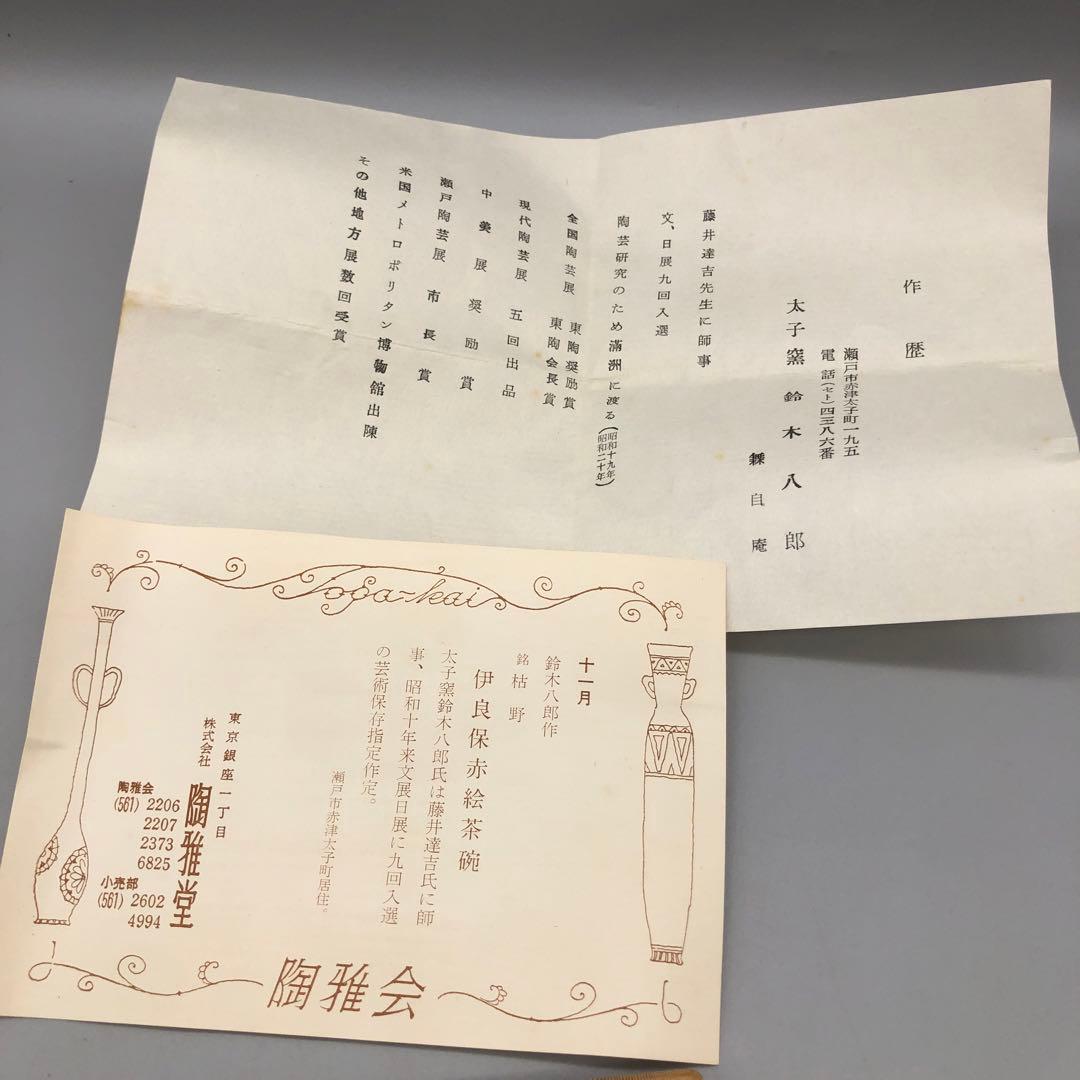
• Artist: Suzuki Hachiro (鈴木八郎)
• Kiln: Taishi-gama (太子窯), Seto
• Technique: Irabo glaze with akae iron painting (伊良保赤絵)
• Name: "Kareno" (枯野 — Withered Field)
• Era: Contemporary (Heisei–Reiwa period)
• Origin: Seto, Aichi Prefecture, Japan (瀬戸焼)
• Dimensions: Diameter approx. 13 cm × Height approx. 8 cm
• Box: Signed kiri tomobako inscribed "枯野 茶盌" with artist seal
• Condition: New / Unused (新品未使用)
• Retailer: Togado (陶雅堂)
━━━━━━━━━━━━━━━━━━━━
🔹 [ CULTURAL & ARTISTIC INSIGHT ]
Kareno. Withered field.
The name arrives before the bowl does—late autumn, the last grasses bending under frost, the silence after harvest. Suzuki Hachiro has given this piece a title that functions as a season, a landscape, and an emotional register all at once.
The wide conical form draws directly from the Korean Ido tradition—a V-shaped profile that opens generously toward the drinker. This is not decoration. It is architecture. The bowl's breadth invites matcha to settle, steam to rise slowly, and the hands to cradle something substantial.
Dark olive-brown ash glaze coats the surface with the rough, granular texture that defines Irabo ware. Iron-painted grasses trace the lower body—sparse, wind-bent, unhurried. They do not illustrate the withered field. They are the withered field.
*"A name is not a label. It is a landscape the bowl carries within itself."*
━━━━━━━━━━━━━━━━━━━━
🔹 [ DEEP-DIVE COMMENTARY ]
**Irabo: The Korean Thread in Japanese Tea**: Irabo (伊良保) traces its lineage to Korean Yi dynasty pottery—vessels with rough, textured ash glazes that Japanese tea masters encountered and revered. The name itself may derive from the Korean pronunciation of certain kiln sites. Unlike the smoothness of Raku or the refinement of Kyo-yaki, Irabo embraces irregularity as a philosophical position. The surface resists the hand slightly before yielding—a tactile metaphor for the discipline of tea practice.
**Suzuki Hachiro and Taishi Kiln**: Working from Taishi-gama in Seto—one of Japan's six ancient kiln sites—Suzuki Hachiro occupies a lineage that stretches back over a thousand years. His work draws on Seto's deep tradition while incorporating Korean-influenced forms that recall the cross-cultural exchanges of the Momoyama period. The Irabo style in his hands becomes a dialogue between Seto earth and Korean memory.
**The Akae Element**: The iron-painted reed motifs (鉄絵/赤絵) on this bowl are restrained to the point of near-absence. A few strokes of iron oxide under the ash glaze—grasses bowing in wind. This restraint is deliberate. The painting does not compete with the glaze surface; it emerges from within it, as though the field depicted on the bowl and the earth the bowl is made from share the same source.
**"Kareno" in Poetic Tradition**: The word 枯野 carries centuries of literary weight. Matsuo Basho wandered the withered fields. They appear in countless waka and haiku as spaces of profound solitude—not emptiness, but fullness without ornament. To name a tea bowl "Kareno" is to invite that entire poetic tradition into the tea room.
**The Ido Form**: The wide, conical shape—sometimes called "V-form" or "trumpet"—descends from Korean Ido bowls that became the most treasured tea vessels in Japanese history. Kizaemon Ido, the most famous tea bowl in existence, shares this fundamental geometry. Suzuki Hachiro's adoption of this profile is a conscious act of continuity.
━━━━━━━━━━━━━━━━━━━━
🔹 [ 日本語解説 ]
【基本情報】
• 作家:鈴木八郎
• 窯元:太子窯(瀬戸)
• 技法:伊良保赤絵
• 銘:枯野(かれの)
• 時代:現代(平成〜令和)
• 産地:愛知県瀬戸市(瀬戸焼)
• 寸法:口径約13cm × 高さ約8cm
• 付属:桐共箱(「枯野 茶盌」銘・落款入り)
• 状態:新品未使用
• 取扱:陶雅堂
【解説】
枯野——晩秋の、収穫を終えた野原の静けさ。鈴木八郎がこの茶碗に与えた銘は、季節であり、風景であり、ひとつの感情です。
朝鮮・李朝の井戸茶碗に通じる大振りの碗形は、瀬戸の土で成形され、ざらりとした伊良保釉に包まれています。下部に描かれた鉄絵の草文は、風に揺れる枯れ草そのもの。描くのではなく、在る。
瀬戸は日本六古窯のひとつであり、太子窯の鈴木八郎はその千年の系譜の中で、桃山時代に盛んだった朝鮮陶磁との対話を現代に継承しています。伊良保の粗い肌合い、井戸形の堂々たる姿、そして「枯野」という銘——芭蕉が歩いた野の静寂が、この一碗に宿っています。
━━━━━━━━━━━━━━━━━━━━
🔹 [ SHIPPING & PACKAGING ]
• Dispatch: Within 1-6 business days
• Carrier: Japan Post EMS / UPS (with tracking)
• Packaging: Carefully wrapped with protective materials
*The withered field asks nothing of the traveler. It simply opens—vast, still, and complete.*
━━━━━━━━━━━━━━━━━━━━
🔹 [ BASIC DETAILS ]
• Artist: Suzuki Hachiro (鈴木八郎)
• Kiln: Taishi-gama (太子窯), Seto
• Technique: Irabo glaze with akae iron painting (伊良保赤絵)
• Name: "Kareno" (枯野 — Withered Field)
• Era: Contemporary (Heisei–Reiwa period)
• Origin: Seto, Aichi Prefecture, Japan (瀬戸焼)
• Dimensions: Diameter approx. 13 cm × Height approx. 8 cm
• Box: Signed kiri tomobako inscribed "枯野 茶盌" with artist seal
• Condition: New / Unused (新品未使用)
• Retailer: Togado (陶雅堂)
━━━━━━━━━━━━━━━━━━━━
🔹 [ CULTURAL & ARTISTIC INSIGHT ]
Kareno. Withered field.
The name arrives before the bowl does—late autumn, the last grasses bending under frost, the silence after harvest. Suzuki Hachiro has given this piece a title that functions as a season, a landscape, and an emotional register all at once.
The wide conical form draws directly from the Korean Ido tradition—a V-shaped profile that opens generously toward the drinker. This is not decoration. It is architecture. The bowl's breadth invites matcha to settle, steam to rise slowly, and the hands to cradle something substantial.
Dark olive-brown ash glaze coats the surface with the rough, granular texture that defines Irabo ware. Iron-painted grasses trace the lower body—sparse, wind-bent, unhurried. They do not illustrate the withered field. They are the withered field.
*"A name is not a label. It is a landscape the bowl carries within itself."*
━━━━━━━━━━━━━━━━━━━━
🔹 [ DEEP-DIVE COMMENTARY ]
**Irabo: The Korean Thread in Japanese Tea**: Irabo (伊良保) traces its lineage to Korean Yi dynasty pottery—vessels with rough, textured ash glazes that Japanese tea masters encountered and revered. The name itself may derive from the Korean pronunciation of certain kiln sites. Unlike the smoothness of Raku or the refinement of Kyo-yaki, Irabo embraces irregularity as a philosophical position. The surface resists the hand slightly before yielding—a tactile metaphor for the discipline of tea practice.
**Suzuki Hachiro and Taishi Kiln**: Working from Taishi-gama in Seto—one of Japan's six ancient kiln sites—Suzuki Hachiro occupies a lineage that stretches back over a thousand years. His work draws on Seto's deep tradition while incorporating Korean-influenced forms that recall the cross-cultural exchanges of the Momoyama period. The Irabo style in his hands becomes a dialogue between Seto earth and Korean memory.
**The Akae Element**: The iron-painted reed motifs (鉄絵/赤絵) on this bowl are restrained to the point of near-absence. A few strokes of iron oxide under the ash glaze—grasses bowing in wind. This restraint is deliberate. The painting does not compete with the glaze surface; it emerges from within it, as though the field depicted on the bowl and the earth the bowl is made from share the same source.
**"Kareno" in Poetic Tradition**: The word 枯野 carries centuries of literary weight. Matsuo Basho wandered the withered fields. They appear in countless waka and haiku as spaces of profound solitude—not emptiness, but fullness without ornament. To name a tea bowl "Kareno" is to invite that entire poetic tradition into the tea room.
**The Ido Form**: The wide, conical shape—sometimes called "V-form" or "trumpet"—descends from Korean Ido bowls that became the most treasured tea vessels in Japanese history. Kizaemon Ido, the most famous tea bowl in existence, shares this fundamental geometry. Suzuki Hachiro's adoption of this profile is a conscious act of continuity.
━━━━━━━━━━━━━━━━━━━━
🔹 [ 日本語解説 ]
【基本情報】
• 作家:鈴木八郎
• 窯元:太子窯(瀬戸)
• 技法:伊良保赤絵
• 銘:枯野(かれの)
• 時代:現代(平成〜令和)
• 産地:愛知県瀬戸市(瀬戸焼)
• 寸法:口径約13cm × 高さ約8cm
• 付属:桐共箱(「枯野 茶盌」銘・落款入り)
• 状態:新品未使用
• 取扱:陶雅堂
【解説】
枯野——晩秋の、収穫を終えた野原の静けさ。鈴木八郎がこの茶碗に与えた銘は、季節であり、風景であり、ひとつの感情です。
朝鮮・李朝の井戸茶碗に通じる大振りの碗形は、瀬戸の土で成形され、ざらりとした伊良保釉に包まれています。下部に描かれた鉄絵の草文は、風に揺れる枯れ草そのもの。描くのではなく、在る。
瀬戸は日本六古窯のひとつであり、太子窯の鈴木八郎はその千年の系譜の中で、桃山時代に盛んだった朝鮮陶磁との対話を現代に継承しています。伊良保の粗い肌合い、井戸形の堂々たる姿、そして「枯野」という銘——芭蕉が歩いた野の静寂が、この一碗に宿っています。
━━━━━━━━━━━━━━━━━━━━
🔹 [ SHIPPING & PACKAGING ]
• Dispatch: Within 1-6 business days
• Carrier: Japan Post EMS / UPS (with tracking)
• Packaging: Carefully wrapped with protective materials
*The withered field asks nothing of the traveler. It simply opens—vast, still, and complete.*
Quantity
Couldn't load pickup availability
Out of stock
View full details