1
/
of
10
Imperial Theme Bridge Tea Bowl by Mizuno Shoichi — Odai Hashi Chawan with Tomobako, Japanese Ceramics
Imperial Theme Bridge Tea Bowl by Mizuno Shoichi — Odai Hashi Chawan with Tomobako, Japanese Ceramics
Regular price
Dhs. 580.00 AED
Regular price
Sale price
Dhs. 580.00 AED
Taxes included.
Shipping calculated at checkout.
Experience Authentic Japan Art with this Imperial Theme Tea Bowl. This Odai Hashi Chawan serves as a Japanese Tea Ceremony Bowl and Bridge Motif Chawan, featuring White Slip Bridge Painting and Irregular Rim Form—a must-have for any Art Collector. Crafted as Signed Studio Pottery, this Mizuno Shoichi work embodies Wabi Sabi Ceramics and Japanese New Year Ceramics tradition, making it a distinguished Japanese Pottery Gift.
🔹 [ BASIC DETAILS ]
• Artist: Mizuno Shoichi (水野鉐一)
• Technique: Hand-thrown stoneware chawan with irregular (ike-dome) rim; iron-dark ground glaze; bold white slip underglaze bridge painting on one face; sculptural undulating rim form
• Theme: Odai (御題) — Imperial New Year Poetry Theme; theme: 橋 (Hashi / Bridge)
• Era: Showa–Heisei period (1970s–2000s)
• Origin: Japan (studio ceramics)
• Dimensions: Height approx. 8.6 cm, Rim diameter approx. 12.6 cm
• Box: Tomobako (artist's own signed wooden box), lid inscribed 「御題 橋 茶盌」with red seal; golden saffron fukusa cloth included
• Condition: Very good; the undulating rim and irregular form are fully intentional; no chips or structural damage
🔹 [ CULTURAL & ARTISTIC INSIGHT ]
Each year, the Japanese Imperial Household issues a poetry theme (御題, odai) for the New Year's poetry reading ceremony — a tradition stretching back over a millennium, in which citizens, scholars, and artists are invited to compose waka verse around the announced motif. When the theme is made public, potters, painters, and craftspeople across Japan take up the challenge, creating objects that interpret the theme in their own medium. This chawan by Mizuno Shoichi responds to the theme 橋 — Bridge — with a daring synthesis of sculptural form and ceramic painting.
The most striking feature of this chawan is its rim. Rather than following the standard circle of a thrown bowl, the lip has been deliberately manipulated after throwing: it rises and dips in a rhythmic, arching motion, tracing an abstracted bridge silhouette across the opening of the bowl. The undulation is bold — almost architectural — yet handled with sufficient delicacy that the bowl remains entirely functional and comfortable in the hands of tea ceremony. The form itself is the bridge.
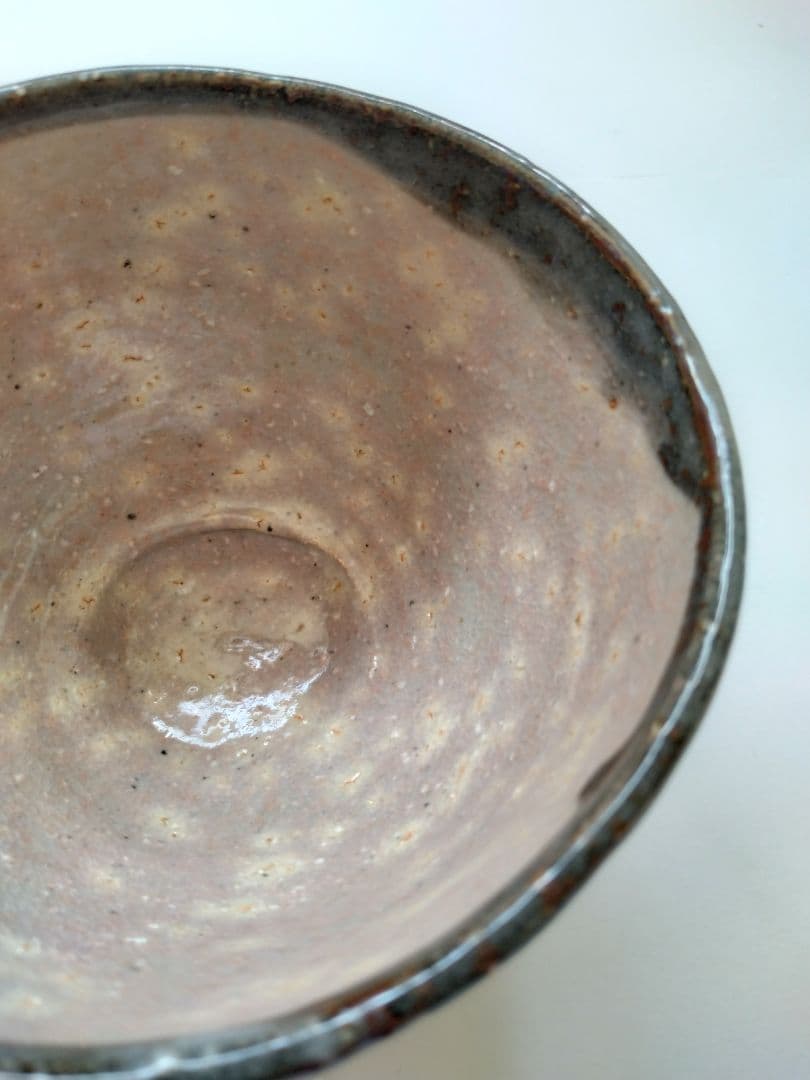
On the exterior face, Mizuno has painted the bridge in bold, gestural white slip on the dark iron ground. The image — horizontal rungs of a latticed bridge rendered in thick, direct brushstrokes — reads as both literal depiction and abstract pattern. The dark glaze (a mottled iron-blue-brown speckled with hints of ochre and lighter flecks) provides the ground against which the white bridge painting stands in high contrast. The interior glaze echoes this palette: rich, dark, complex, warming the colour of green matcha against its depth.
Poetic line: "The bridge does not cross water — it holds the space between two silences, waiting."
🔹 [ DEEP-DIVE COMMENTARY ]
The Odai tradition connects Japanese ceramic art directly to the literary and ceremonial life of the Imperial court. When a potter creates an Odai chawan, the object enters a conversation that extends beyond the workshop into poetry, politics, and national cultural memory. A chawan made for the Bridge theme does not merely depict a bridge; it contemplates crossing, connection, transition — themes that resonate deeply in the wabi-cha philosophy, where the tea room itself is understood as a threshold between the mundane world and a space of heightened awareness.
Mizuno Shoichi's sculptural approach to the rim is technically demanding. After throwing the basic form on the wheel, the lip must be worked by hand while the clay is still wet and responsive — pushing and pulling the edge into the desired undulation without collapsing the walls. Too much manipulation and the clay tears; too little and the rim remains conventional. The irregularity of the finished rim is thus the record of a controlled negotiation between the potter's intention and the clay's resistance — precisely the kind of productive struggle that wabi aesthetics celebrates.
The white slip bridge painting was applied before the dark iron glaze — brushed directly onto the bisque or leather-hard clay surface, then covered with the dark glaze. During firing, the white slip resists absorption by the iron glaze and asserts itself through or beside it, creating the strong contrast visible on the final piece. The thick, direct brushwork references the speed and decisiveness of calligraphic line — a deliberate choice for a theme connected to the literary tradition of the Imperial court.
The golden saffron fukusa (ancient silk storage cloth) accompanying this chawan is itself a form of aesthetic statement. In tea ceremony, the fukusa is not merely a wrapper but a ritual object: the colour, material, and condition of the fukusa communicate the care with which the object has been held. A saffron yellow fukusa signals warmth, formality, and reverence — appropriate for an Imperial-themed piece.
For the collector, this chawan occupies a distinctive position: it is simultaneously a functional tea vessel, a work of ceramic sculpture, a ceramic painting, and a documented response to an Imperial cultural tradition. Few chawan combine all four dimensions in a single object. The signed tomobako confirms Mizuno's authorship and records the piece's theme, providing the complete documentary chain expected by serious collectors.
🔹 [ SHIPPING & PACKAGING ]
• Dispatch: Within 1-6 business days
• Carrier: Japan Post EMS / UPS (with tracking)
• Packaging: Carefully wrapped with protective materials
🔹 [ 日本語解説 ]
【基本情報】
・作家:水野鉐一
・技法:手捻り成形・池留め(波型口縁)・鉄釉地に白泥絵付け(橋文様)
・テーマ:御題「橋」— 宮中歌会始めの年間お題
・年代:昭和後期〜平成期(1970〜2000年代)
・産地:日本(スタジオ陶芸)
・サイズ:高さ 約8.6cm、口径 約12.6cm
・箱:共箱(作家直筆箱書き・朱落款入り)「御題 橋 茶盌」、黄橙色のふくさ付属
・状態:良好。波型口縁・不整形は完全な意図による造形。欠けや構造的損傷なし
【文化的・美術的考察】
御題(おだい)とは、宮中歌会始めにおいて毎年皇室から発表される年間のテーマ(兼題)のこと。千年以上にわたる歌の伝統に根ざし、全国の国民が和歌を寄せるこの催しは、陶芸・絵画・書など様々な工芸の作家にとっても、その年の創作の羅針盤となる。水野鉐一はお題「橋」に応えて、形と絵付けを一体化させた大胆な茶碗を制作した。
この茶碗で最も目を引くのは、緩やかに波打つ口縁(池留め)だ。轆轤で引いた円形の口辺を手によって起伏させ、橋のアーチを抽象的に写し取ったかのような稜線を生む。機能を損なわずに形そのものを表現とする——器と彫刻の境界を越えた造形行為である。
外面には、鉄釉の暗い地に白泥で橋の格子が大胆に描かれる。横桟が連なる橋の骨格は、書のように直截な筆致で一気に描かれ、暗い釉薬地との対比の中で高い視覚的緊張を生む。暗い鉄釉は青みを帯びた茶褐色から濃紺へと移ろい、白い橋文が浮かび上がる。
詩的一行:「橋は水を越えるのではなく、二つの沈黙の間の空白を保つ——ただ、そこにある。」
【深層解説】
御題茶碗は、茶道具でありながら文学・宮中文化・詩的想像力と直接つながる特殊な位置を占める。「橋」というテーマを受け取った作家は、渡る・繋ぐ・越える——という象徴性と向き合い、それを土と釉薬で翻訳する。侘び茶において茶室とは「俗世と聖なる一時の空間の間の橋渡し」とも解される場所であり、橋というお題は茶道の哲学と深く共鳴する。
池留め(なみかた)口縁の成形は技術的に要求が高い。轆轤で引いた後、まだ柔らかい粘土の口辺を手で意図的に波状に変形させる。変形しすぎると壁が崩れ、不足すると凡庸な仕上がりになる——作家と土の緊張した対話の記録が、そのまま完成形として残る。
白泥の橋絵付けは、素焼きまたは革硬状態の素地に直接筆で描いた後、鉄釉を掛けることで実現する。焼成後、白泥は鉄釉に完全には吸収されず、強いコントラストを生み出す。書道的な速さと決断のある筆致は、宮中文学の伝統と意識的に響き合う。
付属の黄橙色のふくさは、茶道における器の扱いを象徴する小道具。深い黄橙(山吹色)は格式と温かみを示し、御題の作品に相応しい選択である。
コレクターにとってこの茶碗は、「機能する茶器」「陶彫刻」「陶絵画」「宮中文化への応答」という四つの次元が一つの器に凝縮された稀有な作品。作家落款入り共箱が来歴と意図を証明し、真剣なコレクターの要求に完全に応える。
🔹 [ BASIC DETAILS ]
• Artist: Mizuno Shoichi (水野鉐一)
• Technique: Hand-thrown stoneware chawan with irregular (ike-dome) rim; iron-dark ground glaze; bold white slip underglaze bridge painting on one face; sculptural undulating rim form
• Theme: Odai (御題) — Imperial New Year Poetry Theme; theme: 橋 (Hashi / Bridge)
• Era: Showa–Heisei period (1970s–2000s)
• Origin: Japan (studio ceramics)
• Dimensions: Height approx. 8.6 cm, Rim diameter approx. 12.6 cm
• Box: Tomobako (artist's own signed wooden box), lid inscribed 「御題 橋 茶盌」with red seal; golden saffron fukusa cloth included
• Condition: Very good; the undulating rim and irregular form are fully intentional; no chips or structural damage
🔹 [ CULTURAL & ARTISTIC INSIGHT ]
Each year, the Japanese Imperial Household issues a poetry theme (御題, odai) for the New Year's poetry reading ceremony — a tradition stretching back over a millennium, in which citizens, scholars, and artists are invited to compose waka verse around the announced motif. When the theme is made public, potters, painters, and craftspeople across Japan take up the challenge, creating objects that interpret the theme in their own medium. This chawan by Mizuno Shoichi responds to the theme 橋 — Bridge — with a daring synthesis of sculptural form and ceramic painting.
The most striking feature of this chawan is its rim. Rather than following the standard circle of a thrown bowl, the lip has been deliberately manipulated after throwing: it rises and dips in a rhythmic, arching motion, tracing an abstracted bridge silhouette across the opening of the bowl. The undulation is bold — almost architectural — yet handled with sufficient delicacy that the bowl remains entirely functional and comfortable in the hands of tea ceremony. The form itself is the bridge.
On the exterior face, Mizuno has painted the bridge in bold, gestural white slip on the dark iron ground. The image — horizontal rungs of a latticed bridge rendered in thick, direct brushstrokes — reads as both literal depiction and abstract pattern. The dark glaze (a mottled iron-blue-brown speckled with hints of ochre and lighter flecks) provides the ground against which the white bridge painting stands in high contrast. The interior glaze echoes this palette: rich, dark, complex, warming the colour of green matcha against its depth.
Poetic line: "The bridge does not cross water — it holds the space between two silences, waiting."
🔹 [ DEEP-DIVE COMMENTARY ]
The Odai tradition connects Japanese ceramic art directly to the literary and ceremonial life of the Imperial court. When a potter creates an Odai chawan, the object enters a conversation that extends beyond the workshop into poetry, politics, and national cultural memory. A chawan made for the Bridge theme does not merely depict a bridge; it contemplates crossing, connection, transition — themes that resonate deeply in the wabi-cha philosophy, where the tea room itself is understood as a threshold between the mundane world and a space of heightened awareness.
Mizuno Shoichi's sculptural approach to the rim is technically demanding. After throwing the basic form on the wheel, the lip must be worked by hand while the clay is still wet and responsive — pushing and pulling the edge into the desired undulation without collapsing the walls. Too much manipulation and the clay tears; too little and the rim remains conventional. The irregularity of the finished rim is thus the record of a controlled negotiation between the potter's intention and the clay's resistance — precisely the kind of productive struggle that wabi aesthetics celebrates.
The white slip bridge painting was applied before the dark iron glaze — brushed directly onto the bisque or leather-hard clay surface, then covered with the dark glaze. During firing, the white slip resists absorption by the iron glaze and asserts itself through or beside it, creating the strong contrast visible on the final piece. The thick, direct brushwork references the speed and decisiveness of calligraphic line — a deliberate choice for a theme connected to the literary tradition of the Imperial court.
The golden saffron fukusa (ancient silk storage cloth) accompanying this chawan is itself a form of aesthetic statement. In tea ceremony, the fukusa is not merely a wrapper but a ritual object: the colour, material, and condition of the fukusa communicate the care with which the object has been held. A saffron yellow fukusa signals warmth, formality, and reverence — appropriate for an Imperial-themed piece.
For the collector, this chawan occupies a distinctive position: it is simultaneously a functional tea vessel, a work of ceramic sculpture, a ceramic painting, and a documented response to an Imperial cultural tradition. Few chawan combine all four dimensions in a single object. The signed tomobako confirms Mizuno's authorship and records the piece's theme, providing the complete documentary chain expected by serious collectors.
🔹 [ SHIPPING & PACKAGING ]
• Dispatch: Within 1-6 business days
• Carrier: Japan Post EMS / UPS (with tracking)
• Packaging: Carefully wrapped with protective materials
🔹 [ 日本語解説 ]
【基本情報】
・作家:水野鉐一
・技法:手捻り成形・池留め(波型口縁)・鉄釉地に白泥絵付け(橋文様)
・テーマ:御題「橋」— 宮中歌会始めの年間お題
・年代:昭和後期〜平成期(1970〜2000年代)
・産地:日本(スタジオ陶芸)
・サイズ:高さ 約8.6cm、口径 約12.6cm
・箱:共箱(作家直筆箱書き・朱落款入り)「御題 橋 茶盌」、黄橙色のふくさ付属
・状態:良好。波型口縁・不整形は完全な意図による造形。欠けや構造的損傷なし
【文化的・美術的考察】
御題(おだい)とは、宮中歌会始めにおいて毎年皇室から発表される年間のテーマ(兼題)のこと。千年以上にわたる歌の伝統に根ざし、全国の国民が和歌を寄せるこの催しは、陶芸・絵画・書など様々な工芸の作家にとっても、その年の創作の羅針盤となる。水野鉐一はお題「橋」に応えて、形と絵付けを一体化させた大胆な茶碗を制作した。
この茶碗で最も目を引くのは、緩やかに波打つ口縁(池留め)だ。轆轤で引いた円形の口辺を手によって起伏させ、橋のアーチを抽象的に写し取ったかのような稜線を生む。機能を損なわずに形そのものを表現とする——器と彫刻の境界を越えた造形行為である。
外面には、鉄釉の暗い地に白泥で橋の格子が大胆に描かれる。横桟が連なる橋の骨格は、書のように直截な筆致で一気に描かれ、暗い釉薬地との対比の中で高い視覚的緊張を生む。暗い鉄釉は青みを帯びた茶褐色から濃紺へと移ろい、白い橋文が浮かび上がる。
詩的一行:「橋は水を越えるのではなく、二つの沈黙の間の空白を保つ——ただ、そこにある。」
【深層解説】
御題茶碗は、茶道具でありながら文学・宮中文化・詩的想像力と直接つながる特殊な位置を占める。「橋」というテーマを受け取った作家は、渡る・繋ぐ・越える——という象徴性と向き合い、それを土と釉薬で翻訳する。侘び茶において茶室とは「俗世と聖なる一時の空間の間の橋渡し」とも解される場所であり、橋というお題は茶道の哲学と深く共鳴する。
池留め(なみかた)口縁の成形は技術的に要求が高い。轆轤で引いた後、まだ柔らかい粘土の口辺を手で意図的に波状に変形させる。変形しすぎると壁が崩れ、不足すると凡庸な仕上がりになる——作家と土の緊張した対話の記録が、そのまま完成形として残る。
白泥の橋絵付けは、素焼きまたは革硬状態の素地に直接筆で描いた後、鉄釉を掛けることで実現する。焼成後、白泥は鉄釉に完全には吸収されず、強いコントラストを生み出す。書道的な速さと決断のある筆致は、宮中文学の伝統と意識的に響き合う。
付属の黄橙色のふくさは、茶道における器の扱いを象徴する小道具。深い黄橙(山吹色)は格式と温かみを示し、御題の作品に相応しい選択である。
コレクターにとってこの茶碗は、「機能する茶器」「陶彫刻」「陶絵画」「宮中文化への応答」という四つの次元が一つの器に凝縮された稀有な作品。作家落款入り共箱が来歴と意図を証明し、真剣なコレクターの要求に完全に応える。
Quantity
Couldn't load pickup availability
Low stock: 1 left
View full details