1
/
of
6
Imari Ando-gama Guinomi Sake Cup with Original Box — Crystalline Blue Glaze, Unused
Imari Ando-gama Guinomi Sake Cup with Original Box — Crystalline Blue Glaze, Unused
Regular price
Dhs. 475.00 AED
Regular price
Sale price
Dhs. 475.00 AED
Taxes included.
Shipping calculated at checkout.
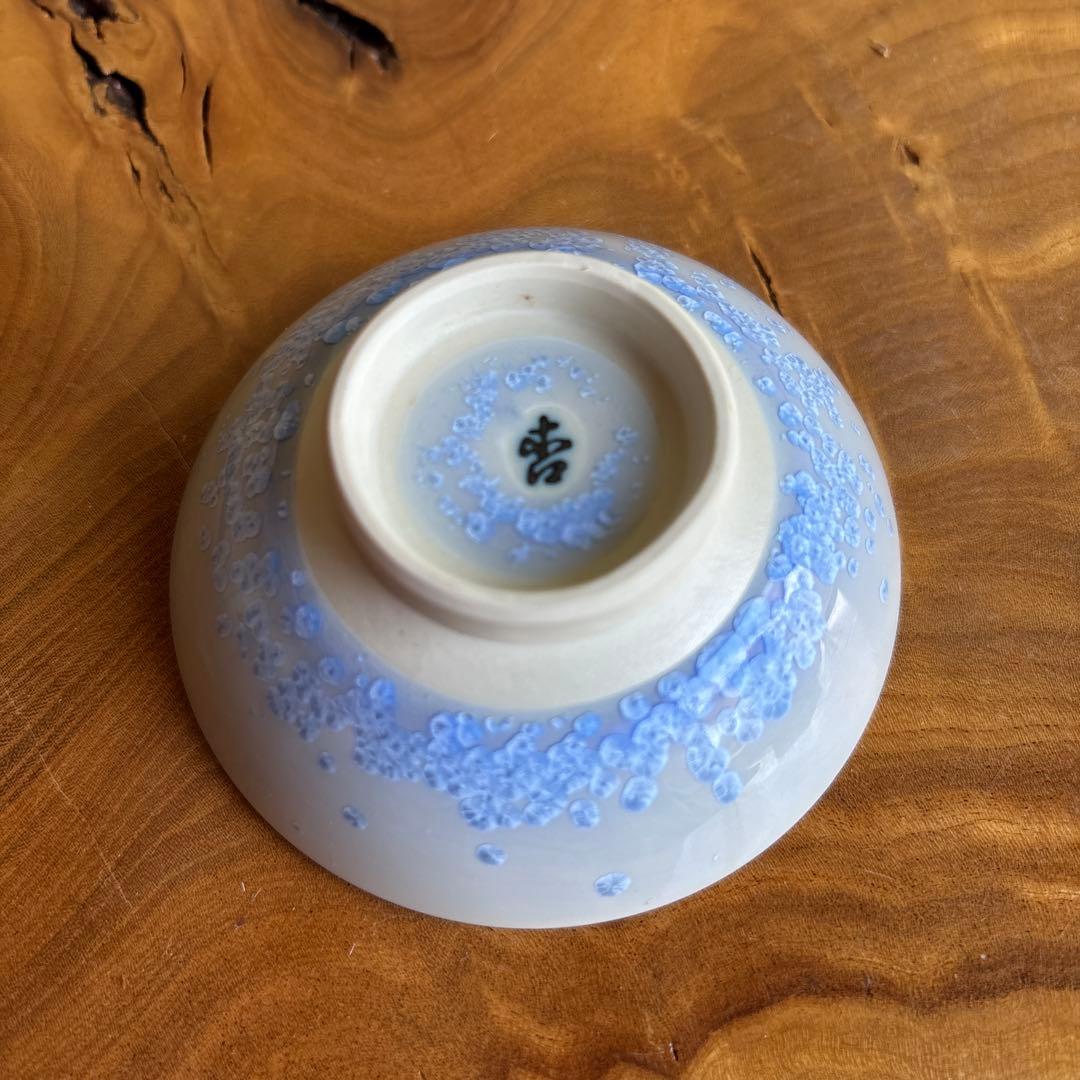
Experience Authentic Japan Art with this Imari Sake Cup. This Japanese Guinomi Sake Cup serves as a Crystalline Glaze Sake Cup and Arita Pottery Gift, featuring Blue Crystal Glaze and Ando Kiln Ceramics—a must-have for any Art Collector seeking Handcrafted Japanese Drinkware and Imari Porcelain Art.
🔹 [ BASIC DETAILS ]
• Artist: Ando-gama (杏土窯), Arita / Imari, Saga Prefecture
• Technique: Crystalline glaze (花結晶 / hana-kessho) on white porcelain — snowflake-like crystal formations fired through precise kiln control
• Era: 2000s – present
• Origin: Arita / Imari, Japan
• Dimensions: Height approx. 3 cm, Diameter approx. 8 cm
• Box: Tomobako (original signed wooden box) included
• Condition: Unused. No chips, cracks, or stains.
🔹 [ CULTURAL & ARTISTIC INSIGHT ]
Crystalline glazes occupy a singular place in ceramic history. Unlike surface decoration applied by hand, hana-kessho — flower crystals — grow from within the glaze itself during a slow, carefully managed cooling phase in the kiln. The potter controls temperature curves over many hours, but the crystals choose their own shape. Each piece is unrepeatable.
Ando-gama, based in the Arita region of Saga Prefecture, has worked within the porcelain traditions of one of Japan's oldest kiln districts — a lineage that traces back to the early seventeenth century and Japan's first porcelain production. The white ground of this guinomi is not passive; it is a stage, allowing the blue crystalline formations to read as petals suspended in stillness.
The guinomi form — shallow, wide-mouthed, intimate — is among the most personal of sake vessels. It sits in the palm. It asks for presence.
POETIC LINE: "Each crystal bloomed once, in a heat that will not return."
🔹 [ DEEP-DIVE COMMENTARY ]
Crystalline glazes are among the most technically demanding in studio ceramics. The effect requires a base glaze high in zinc oxide, which, when cooled slowly through a narrow temperature window (roughly 1050–1100°C), allows zinc silicate crystals to nucleate and grow. The process is not fully controllable — the kiln can be dialed with precision, yet the final growth pattern belongs to chemistry, not intention.
The Arita tradition, which evolved through Chinese influence and the discovery of kaolin on Mt. Izumiyama in 1616, became the foundation for Imari export ware that shaped European porcelain aesthetics for over a century. Working within this lineage, Ando-gama situates modern crystalline technique inside a historically weighted regional identity.
For collectors, a guinomi with tomobako (original wooden box bearing the kiln seal) represents completeness — the object and its provenance held together. The unused condition preserves the glaze surface in its original state, including the subtle sheen that handling gradually transforms.
The blue crystalline formations here evoke the aesthetic register of hyoretsu — ice-formation, the arrest of movement — a quality that connects to broader Japanese aesthetic frameworks where the boundary between the frozen and the alive is intentionally blurred.
As crystalline pottery remains relatively underrepresented in international collecting circles compared to tenmoku or ash-glaze traditions, Ando-gama pieces at this quality level carry both aesthetic weight and the quieter interest of cultural density not yet fully decoded by the market.
🔹 [ JAPANESE DESCRIPTION / 日本語解説 ]
【基本仕様】
作者:杏土窯(佐賀県有田・伊万里)
技法:花結晶釉(白磁素地に結晶釉を施した、窯の温度制御によってのみ生まれる一点一点異なる模様)
年代:2000年代以降
産地:有田・伊万里
寸法:高さ約3cm、口径約8cm
箱:共箱付き(窯印入り)
状態:未使用。傷・欠け・汚れなし。
【文化的・造形的解説】
花結晶釉は、釉薬の内部から結晶が「育つ」という点で、絵付けや刷毛目とは本質的に異なる装飾である。陶工は温度曲線を設計できるが、結晶の形そのものは窯の中の化学が決める。同じぐい呑は二度と生まれない。
杏土窯は、日本最古の磁器産地のひとつである有田・伊万里の窯業圏に根ざす。白磁の素地は舞台として機能し、青い結晶が花弁のように静止した時間の中に浮かぶ。
ぐい呑という形は、酒器の中でもっとも個人的な器型である。掌に収まり、その場の静けさを要求する。
「この結晶はある一度の熱の中でだけ咲き、二度とその熱は戻らない。」
【深層解説】
結晶釉の製造は、スタジオセラミクスの中でも技術的難度がとりわけ高い分野に属する。酸化亜鉛を多く含む釉薬を、精密な冷却曲線に沿って制御することで、1050〜1100℃の狭い温度帯にケイ酸亜鉛の結晶が核形成・成長する。しかし最終的な結晶の形状は制御できない。そこに偶然性の美学が宿る。
有田の陶磁器伝統は1616年の泉山磁石場の発見に端を発し、のちにヨーロッパ磁器美学そのものに影響を与えた。杏土窯はその歴史的系譜の中に現代的な結晶技法を据えることで、地域性と時代性を交差させている。
共箱付きで未使用という状態は、コレクションとしての完結性を示す。釉薬表面の初期光沢が保たれており、時間の手が加わる以前の「生成の瞬間」を所蔵することになる。
結晶釉は天目釉や灰釉と比べて国際的なコレクター市場での認知が相対的に低く、その静かな希少性は文化的密度を帯びた存在感として機能する。
🔹 [ SHIPPING & PACKAGING ]
• Dispatch: Within 1-6 business days
• Carrier: Japan Post EMS / UPS (with tracking)
• Packaging: Carefully wrapped with protective materials
🔹 [ BASIC DETAILS ]
• Artist: Ando-gama (杏土窯), Arita / Imari, Saga Prefecture
• Technique: Crystalline glaze (花結晶 / hana-kessho) on white porcelain — snowflake-like crystal formations fired through precise kiln control
• Era: 2000s – present
• Origin: Arita / Imari, Japan
• Dimensions: Height approx. 3 cm, Diameter approx. 8 cm
• Box: Tomobako (original signed wooden box) included
• Condition: Unused. No chips, cracks, or stains.
🔹 [ CULTURAL & ARTISTIC INSIGHT ]
Crystalline glazes occupy a singular place in ceramic history. Unlike surface decoration applied by hand, hana-kessho — flower crystals — grow from within the glaze itself during a slow, carefully managed cooling phase in the kiln. The potter controls temperature curves over many hours, but the crystals choose their own shape. Each piece is unrepeatable.
Ando-gama, based in the Arita region of Saga Prefecture, has worked within the porcelain traditions of one of Japan's oldest kiln districts — a lineage that traces back to the early seventeenth century and Japan's first porcelain production. The white ground of this guinomi is not passive; it is a stage, allowing the blue crystalline formations to read as petals suspended in stillness.
The guinomi form — shallow, wide-mouthed, intimate — is among the most personal of sake vessels. It sits in the palm. It asks for presence.
POETIC LINE: "Each crystal bloomed once, in a heat that will not return."
🔹 [ DEEP-DIVE COMMENTARY ]
Crystalline glazes are among the most technically demanding in studio ceramics. The effect requires a base glaze high in zinc oxide, which, when cooled slowly through a narrow temperature window (roughly 1050–1100°C), allows zinc silicate crystals to nucleate and grow. The process is not fully controllable — the kiln can be dialed with precision, yet the final growth pattern belongs to chemistry, not intention.
The Arita tradition, which evolved through Chinese influence and the discovery of kaolin on Mt. Izumiyama in 1616, became the foundation for Imari export ware that shaped European porcelain aesthetics for over a century. Working within this lineage, Ando-gama situates modern crystalline technique inside a historically weighted regional identity.
For collectors, a guinomi with tomobako (original wooden box bearing the kiln seal) represents completeness — the object and its provenance held together. The unused condition preserves the glaze surface in its original state, including the subtle sheen that handling gradually transforms.
The blue crystalline formations here evoke the aesthetic register of hyoretsu — ice-formation, the arrest of movement — a quality that connects to broader Japanese aesthetic frameworks where the boundary between the frozen and the alive is intentionally blurred.
As crystalline pottery remains relatively underrepresented in international collecting circles compared to tenmoku or ash-glaze traditions, Ando-gama pieces at this quality level carry both aesthetic weight and the quieter interest of cultural density not yet fully decoded by the market.
🔹 [ JAPANESE DESCRIPTION / 日本語解説 ]
【基本仕様】
作者:杏土窯(佐賀県有田・伊万里)
技法:花結晶釉(白磁素地に結晶釉を施した、窯の温度制御によってのみ生まれる一点一点異なる模様)
年代:2000年代以降
産地:有田・伊万里
寸法:高さ約3cm、口径約8cm
箱:共箱付き(窯印入り)
状態:未使用。傷・欠け・汚れなし。
【文化的・造形的解説】
花結晶釉は、釉薬の内部から結晶が「育つ」という点で、絵付けや刷毛目とは本質的に異なる装飾である。陶工は温度曲線を設計できるが、結晶の形そのものは窯の中の化学が決める。同じぐい呑は二度と生まれない。
杏土窯は、日本最古の磁器産地のひとつである有田・伊万里の窯業圏に根ざす。白磁の素地は舞台として機能し、青い結晶が花弁のように静止した時間の中に浮かぶ。
ぐい呑という形は、酒器の中でもっとも個人的な器型である。掌に収まり、その場の静けさを要求する。
「この結晶はある一度の熱の中でだけ咲き、二度とその熱は戻らない。」
【深層解説】
結晶釉の製造は、スタジオセラミクスの中でも技術的難度がとりわけ高い分野に属する。酸化亜鉛を多く含む釉薬を、精密な冷却曲線に沿って制御することで、1050〜1100℃の狭い温度帯にケイ酸亜鉛の結晶が核形成・成長する。しかし最終的な結晶の形状は制御できない。そこに偶然性の美学が宿る。
有田の陶磁器伝統は1616年の泉山磁石場の発見に端を発し、のちにヨーロッパ磁器美学そのものに影響を与えた。杏土窯はその歴史的系譜の中に現代的な結晶技法を据えることで、地域性と時代性を交差させている。
共箱付きで未使用という状態は、コレクションとしての完結性を示す。釉薬表面の初期光沢が保たれており、時間の手が加わる以前の「生成の瞬間」を所蔵することになる。
結晶釉は天目釉や灰釉と比べて国際的なコレクター市場での認知が相対的に低く、その静かな希少性は文化的密度を帯びた存在感として機能する。
🔹 [ SHIPPING & PACKAGING ]
• Dispatch: Within 1-6 business days
• Carrier: Japan Post EMS / UPS (with tracking)
• Packaging: Carefully wrapped with protective materials
Quantity
Couldn't load pickup availability
Out of stock
View full details