1
/
of
9
Ido-te Chawan by Rikagawa Kiln - Japanese Matcha Bowl in Goryeo Style with Pale Crackle Glaze, Signed Box
Ido-te Chawan by Rikagawa Kiln - Japanese Matcha Bowl in Goryeo Style with Pale Crackle Glaze, Signed Box
Regular price
Dhs. 509.00 AED
Regular price
Sale price
Dhs. 509.00 AED
Taxes included.
Shipping calculated at checkout.
Experience the austere poetry of Korean-influenced Japanese ceramics with this Ido-style Tea Bowl from Rikagawa Kiln (利川窯). This handthrown Matcha Bowl serves as a Goryeo-inspired Ido Chawan and Wabi Sabi Ceramic, featuring pale milky crackle glaze and open, gracious form—an accessible yet deeply considered piece for any collector drawn to the quiet power of Japanese tea ceramics.
━━━━━━━━━━━━━━━━━━━━
🔹 [ BASIC DETAILS ]
• Artist / Kiln: Rikagawa Kiln (利川窯)
• Technique: Ido-te (井戸手) style – thrown in Korean Goryeo manner with pale feldspathic crackle glaze
• Era: Contemporary (Heisei-Reiwa period)
• Origin: Japan (Korean Ido tradition reference)
• Dimensions: Diameter approx. 12.5 cm × Height approx. 7.2 cm (4.9" × 2.8")
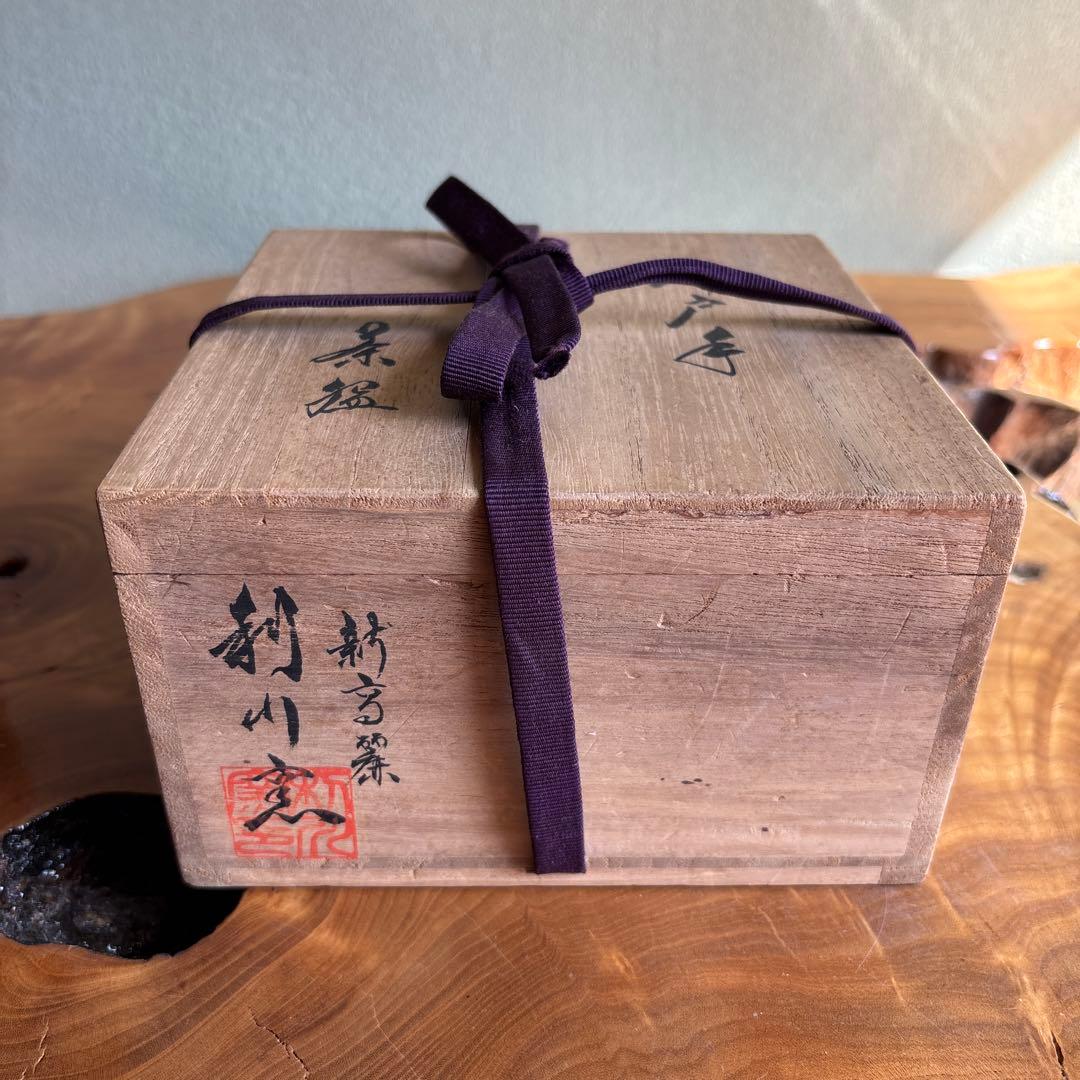
• Box: Tomobako (wooden box inscribed 井戸手 茶碗)
• Condition: Good – no cracks or chips
━━━━━━━━━━━━━━━━━━━━
🔹 [ CULTURAL & ARTISTIC INSIGHT ]
The Ido chawan (井戸茶碗) occupies perhaps the most storied position in all of Japanese tea ceramics. Originally utilitarian rice bowls made in the Goryeo and Joseon dynasties of Korea, these vessels were brought to Japan by merchants and warriors and recognized by tea masters—most famously Sen no Rikyu—as possessing an ineffable quality of naturalness and dignity that perfectly embodied the wabi spirit. A bowl made for daily use, without pretension or ornament, was seen to contain more truth than any vessel crafted with aesthetic intention.
Rikagawa Kiln works in the ido-te (井戸手) style, a Japanese interpretation of this Korean tradition. The pale, milky-white feldspathic glaze with its fine crackle network (kairagi) across the body, the generous open mouth, the slightly conical form that flares from a modest foot—all of these characteristics are faithful to the Ido archetype. When this bowl is filled with matcha, the white interior provides a clean ground that shows the green of the tea with clarity and depth.
What the images confirm is a bowl of genuine presence. The form is simple—almost self-effacing—yet the quality of the surface, the evenness of the crackle, and the clean proportions speak of careful technique and considered restraint. It is a bowl that does not attract attention to itself. That, in the vocabulary of tea, is its highest recommendation.
*"The Ido bowl does not speak. But in its silence, there is more than most words contain."*
━━━━━━━━━━━━━━━━━━━━
🔹 [ DEEP-DIVE COMMENTARY ]
**The Ido Legacy in Japanese Tea**: Great Ido chawan—named pieces preserved in museum collections—are among the most treasured objects in Japanese cultural history. Several have been designated National Treasures. The reason lies not in their materials or their makers (most are anonymous Korean folk potters) but in what they represent: the discovery that objects made without aesthetic agenda can possess greater beauty than those made with it. This philosophical insight transformed Japanese taste and continues to inform ceramic appreciation today.
**Kairagi Crackle Surface**: The fine network of crackle lines (kairagi, meaning "sharkskin") visible across the surface of this bowl is a defining characteristic of the Ido style. It forms as the glaze and clay body contract at different rates during cooling. In traditional appreciation, kairagi is seen as a kind of skin—living, textured, time-marked—that makes the bowl feel like a thing that has been somewhere rather than simply made.
**Generosity of Form**: The wide, open mouth of this bowl—generous relative to its height—is one of the most functional aspects of the Ido form for tea practice. It allows efficient whisking of matcha, comfortable handling with both hands, and a clear view of the tea's color and foam. Utility and beauty, in the Ido chawan, are not in tension. They are the same thing.
━━━━━━━━━━━━━━━━━━━━
🔹 [ 日本語解説 ]
【基本情報】
• 作家:利川窯
• 技法:井戸手、長石系淡白釉、梅花皮(かいらぎ)
• 時代:現代(平成〜令和)
• 産地:日本(高麗井戸写し)
• 寸法:直径約12.5cm × 高さ約7.2cm
• 付属:共箱(「井戸手 茶碗」と墨書)
• 状態:良好(ヒビ・カケなし)
【解説】
井戸茶碗は日本の茶道史において最も重要視される器形のひとつです。もともと朝鮮半島の高麗・李朝時代に日常器として作られたものが、日本に伝わり茶人たちの目に触れ、その無作為の美が侘び茶の精神に共鳴として発見されました。千利休が「名物」として大切にした器の多くが、無名の朝鮮陶工による井戸茶碗であったことは、日本の美意識における逆説的真理を示しています。
利川窯はこの井戸手様式を現代に受け継ぐ窯元で、本作は枇杷色の淡白釉に細かな梅花皮(かいらぎ)が走る正統な姿を示しています。広口の端正な形は実際の茶の点てやすさにも優れており、白い見込みに抹茶の緑が映える清潔な景色を生み出します。
余計なものを一切持たない—その潔さこそが、この茶碗の最大の魅力です。共箱は「井戸手 茶碗」と墨書された素朴な木箱で、茶碗の精神と調和しています。
━━━━━━━━━━━━━━━━━━━━
🔹 [ SHIPPING & PACKAGING ]
• Dispatch: Within 1-6 business days
• Carrier: Japan Post EMS / UPS (with tracking)
• Packaging: Carefully wrapped with protective materials
*Made without intention to be beautiful—and therefore, beautiful in the only way that lasts.*
━━━━━━━━━━━━━━━━━━━━
🔹 [ BASIC DETAILS ]
• Artist / Kiln: Rikagawa Kiln (利川窯)
• Technique: Ido-te (井戸手) style – thrown in Korean Goryeo manner with pale feldspathic crackle glaze
• Era: Contemporary (Heisei-Reiwa period)
• Origin: Japan (Korean Ido tradition reference)
• Dimensions: Diameter approx. 12.5 cm × Height approx. 7.2 cm (4.9" × 2.8")
• Box: Tomobako (wooden box inscribed 井戸手 茶碗)
• Condition: Good – no cracks or chips
━━━━━━━━━━━━━━━━━━━━
🔹 [ CULTURAL & ARTISTIC INSIGHT ]
The Ido chawan (井戸茶碗) occupies perhaps the most storied position in all of Japanese tea ceramics. Originally utilitarian rice bowls made in the Goryeo and Joseon dynasties of Korea, these vessels were brought to Japan by merchants and warriors and recognized by tea masters—most famously Sen no Rikyu—as possessing an ineffable quality of naturalness and dignity that perfectly embodied the wabi spirit. A bowl made for daily use, without pretension or ornament, was seen to contain more truth than any vessel crafted with aesthetic intention.
Rikagawa Kiln works in the ido-te (井戸手) style, a Japanese interpretation of this Korean tradition. The pale, milky-white feldspathic glaze with its fine crackle network (kairagi) across the body, the generous open mouth, the slightly conical form that flares from a modest foot—all of these characteristics are faithful to the Ido archetype. When this bowl is filled with matcha, the white interior provides a clean ground that shows the green of the tea with clarity and depth.
What the images confirm is a bowl of genuine presence. The form is simple—almost self-effacing—yet the quality of the surface, the evenness of the crackle, and the clean proportions speak of careful technique and considered restraint. It is a bowl that does not attract attention to itself. That, in the vocabulary of tea, is its highest recommendation.
*"The Ido bowl does not speak. But in its silence, there is more than most words contain."*
━━━━━━━━━━━━━━━━━━━━
🔹 [ DEEP-DIVE COMMENTARY ]
**The Ido Legacy in Japanese Tea**: Great Ido chawan—named pieces preserved in museum collections—are among the most treasured objects in Japanese cultural history. Several have been designated National Treasures. The reason lies not in their materials or their makers (most are anonymous Korean folk potters) but in what they represent: the discovery that objects made without aesthetic agenda can possess greater beauty than those made with it. This philosophical insight transformed Japanese taste and continues to inform ceramic appreciation today.
**Kairagi Crackle Surface**: The fine network of crackle lines (kairagi, meaning "sharkskin") visible across the surface of this bowl is a defining characteristic of the Ido style. It forms as the glaze and clay body contract at different rates during cooling. In traditional appreciation, kairagi is seen as a kind of skin—living, textured, time-marked—that makes the bowl feel like a thing that has been somewhere rather than simply made.
**Generosity of Form**: The wide, open mouth of this bowl—generous relative to its height—is one of the most functional aspects of the Ido form for tea practice. It allows efficient whisking of matcha, comfortable handling with both hands, and a clear view of the tea's color and foam. Utility and beauty, in the Ido chawan, are not in tension. They are the same thing.
━━━━━━━━━━━━━━━━━━━━
🔹 [ 日本語解説 ]
【基本情報】
• 作家:利川窯
• 技法:井戸手、長石系淡白釉、梅花皮(かいらぎ)
• 時代:現代(平成〜令和)
• 産地:日本(高麗井戸写し)
• 寸法:直径約12.5cm × 高さ約7.2cm
• 付属:共箱(「井戸手 茶碗」と墨書)
• 状態:良好(ヒビ・カケなし)
【解説】
井戸茶碗は日本の茶道史において最も重要視される器形のひとつです。もともと朝鮮半島の高麗・李朝時代に日常器として作られたものが、日本に伝わり茶人たちの目に触れ、その無作為の美が侘び茶の精神に共鳴として発見されました。千利休が「名物」として大切にした器の多くが、無名の朝鮮陶工による井戸茶碗であったことは、日本の美意識における逆説的真理を示しています。
利川窯はこの井戸手様式を現代に受け継ぐ窯元で、本作は枇杷色の淡白釉に細かな梅花皮(かいらぎ)が走る正統な姿を示しています。広口の端正な形は実際の茶の点てやすさにも優れており、白い見込みに抹茶の緑が映える清潔な景色を生み出します。
余計なものを一切持たない—その潔さこそが、この茶碗の最大の魅力です。共箱は「井戸手 茶碗」と墨書された素朴な木箱で、茶碗の精神と調和しています。
━━━━━━━━━━━━━━━━━━━━
🔹 [ SHIPPING & PACKAGING ]
• Dispatch: Within 1-6 business days
• Carrier: Japan Post EMS / UPS (with tracking)
• Packaging: Carefully wrapped with protective materials
*Made without intention to be beautiful—and therefore, beautiful in the only way that lasts.*
Quantity
Couldn't load pickup availability
Low stock: 1 left
View full details