1
/
of
9
Ichikawa Tsuzo Orchid Matcha Bowl — Overglaze Enamel Ran-ka, Signed Wood Box
Ichikawa Tsuzo Orchid Matcha Bowl — Overglaze Enamel Ran-ka, Signed Wood Box
Regular price
Dhs. 465.00 AED
Regular price
Sale price
Dhs. 465.00 AED
Taxes included.
Shipping calculated at checkout.
Experience Authentic Japan Art with this Japanese Overglaze Enamel Matcha Bowl. This Japanese Ceramic Tea Bowl serves as a Wabi Sabi Pottery piece and Chado Tea Ceremony Bowl, featuring Orchid Flower Motif and Contemporary Japanese Ceramics—a must-have for any Art Collector.
🔹 [ BASIC DETAILS ]
• Artist: Ichikawa Tsuzo (市川通三)
• Technique: Wheel-thrown stoneware, overglaze enamel (uwae) decoration, cobalt blue and iron red
• Motif: Ran-ka (蘭花 — Orchid Flower)
• Era: Contemporary
• Origin: Japan
• Dimensions: Approx. 13 cm diameter × 6.5 cm height
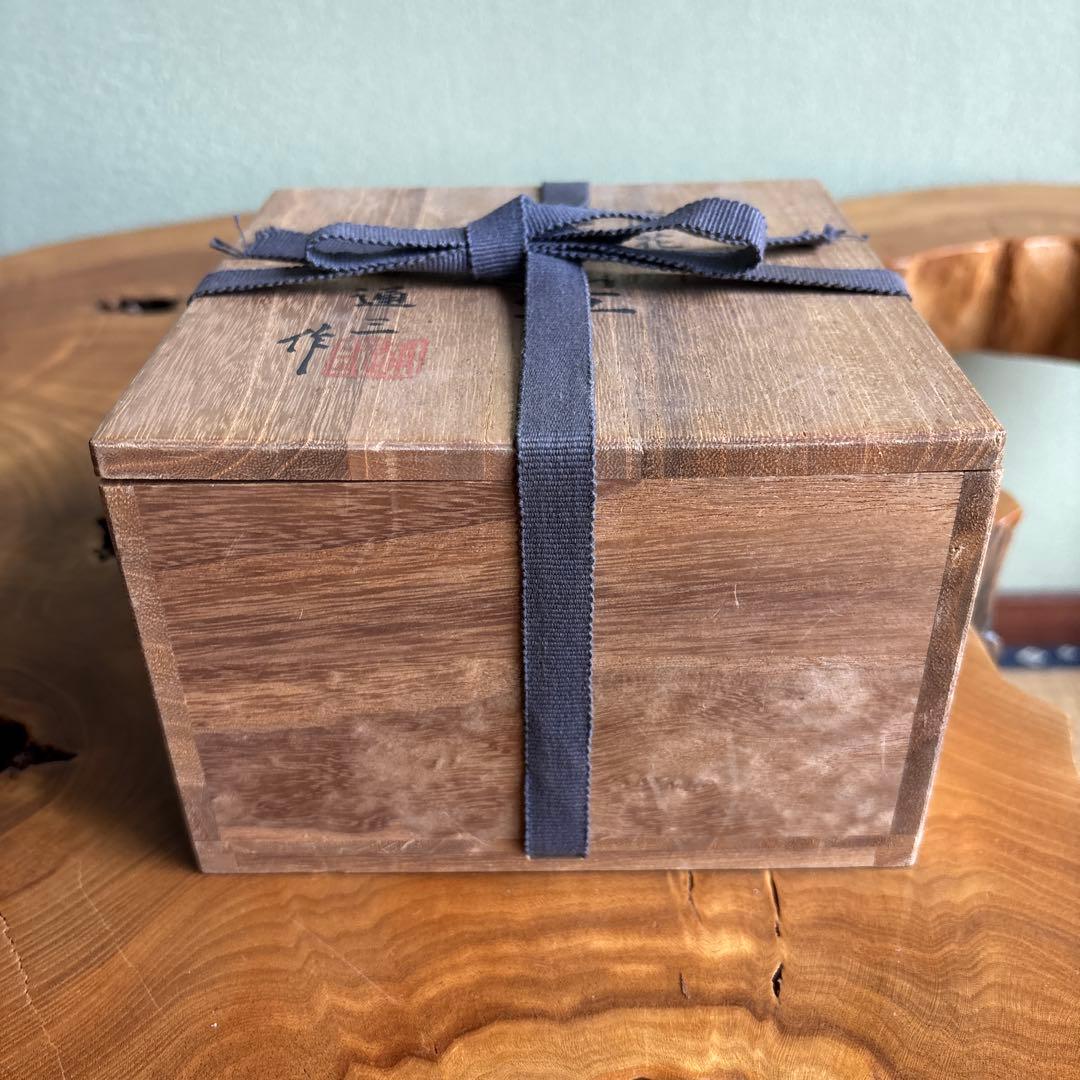
• Box: Signed tomobako (artist's own wooden box) included
• Condition: No cracks or chips; excellent condition
🔹 [ Cultural & Artistic Insight ]
The orchid (ran, 蘭) occupies a special position in East Asian aesthetic culture, carrying associations of refinement, scholarly virtue, and quiet elegance. In the Chinese literati tradition, the orchid is one of the Four Gentlemen (四君子)—alongside bamboo, plum blossom, and chrysanthemum—representing the noble character that blooms without seeking recognition. This symbolic resonance made orchid motifs a favored subject for tea ceramics across both Chinese and Japanese traditions.
Ichikawa Tsuzo's approach to this motif is distinctly modern: rather than filling the bowl's surface with dense botanical repetition, he places his orchid composition asymmetrically, allowing the painted stalks and leaves to move across the cream-white ground with calligraphic confidence. The negative space surrounding the motif is as compositionally active as the painted elements—a sensibility that owes as much to ink painting and graphic design as it does to traditional ceramic decoration.
The palette is restrained: cobalt blue for the flowing stalks and leaves, iron red for the cluster of blooms that punctuate the composition. This two-color scheme against the crackled cream-white ground creates a visual freshness that reads as contemporary while remaining rooted in the classical overglaze enamel traditions of Kyoto and Arita.
🔹 [ Deep-Dive Commentary ]
The form of this bowl is clean and confident—a gently flared profile rising from a compact, stable foot ring. The walls have a slight outward taper that makes the bowl comfortable to hold with both hands in the formal tea posture. At 13 cm diameter and 6.5 cm height, the proportions sit in the middle range of chawan forms: neither the deep, tall profile of a winter bowl nor the flat openness of a summer umadarai, but a versatile form suitable for year-round use.
The overglaze decoration technique (uwae) involves applying enamel pigments atop a pre-fired glaze surface and re-firing at lower temperatures. This process gives the painted elements a slightly raised tactile quality—one can sense the brushstrokes as subtle texture when running a finger across the surface. Ichikawa's brushwork on the orchid stalks is fluid and economical: a few decisive strokes carry the full weight of the composition without overworking.
The interior glaze shows a fine crackle (kannyu) over the cream-white base, visible in the interior depth. This crackle is not a structural concern but an aesthetic quality—the fine web of hairline fissures creates a softness of surface that distinguishes hand-crafted ceramic from industrial pottery.
The tomobako lid carries the inscription "蘭花 茶碗" (Orchid Flower Tea Bowl) in Tsuzo's hand, with his seal "通三" pressed beneath. The composition of calligraphy and seal on the raw cedar lid forms its own modest work of art—a Japanese tradition of packaging-as-presentation that Western collecting culture rarely replicates.
For collectors who appreciate decorative ceramics that balance painterly expressiveness with functional tea-ware design, this Ichikawa Tsuzo orchid chawan offers an appealing entry point into contemporary Japanese studio pottery.
━━━━━━━━━━━━━━━━━━━━━━
[ JAPANESE DESCRIPTION / 日本語解説 ]
━━━━━━━━━━━━━━━━━━━━━━
🔹 [ 基本情報 ]
• 作家:市川通三
• 技法:轆轤成形、上絵付け(コバルト藍・鉄赤)
• 文様:蘭花
• 時代:現代作
• 産地:日本
• サイズ:直径約13cm × 高さ約6.5cm
• 付属:作家共箱
• 状態:ヒビ・カケなし、良好
🔹 [ 文化的背景・作品解説 ]
蘭は東アジアの美意識において「四君子」のひとつとして位置づけられ、高潔・清廉・静謐の象徴とされてきた。顕示を求めず、静かに香り立つ蘭の姿は、茶の湯の精神と深く共鳴する。
市川通三はこの蘭花の文様を現代的なアシンメトリーの構図で展開する。コバルト藍の茎葉と鉄赤の花弁が、貫入のある白土地の上に筆の勢いをそのまま残す形で描かれており、書画と陶芸の境界を自然に横断するような筆致を持つ。余白の使い方に現代的な感覚があり、伝統的な上絵付けの語法を借りながら、構図は水墨画や現代グラフィックに近い清潔さを持つ。
🔹 [ 深掘り解説 ]
口径13cm・高さ6.5cmのフォルムは、一年を通じて使いやすい汎用的な寸法である。わずかに外開きの口縁は両手で包む際に安定し、茶の湯の正式な姿勢に自然に馴染む。内部には細かい貫入が走り、素地の柔らかな質感を演出している。
共箱の蓋には「蘭花 茶碗」と認め、「通三」の印が捺されている。杉板の蓋に筆書きされた文字と朱印は、器の延長として機能する日本固有の梱包美学を示している。
装飾的な美しさと機能性が自然に統合されたこの茶碗は、現代日本の陶芸へのアクセスポイントとして、コレクターにも茶道愛好者にも広く開かれた一碗である。
🔹 [ SHIPPING & PACKAGING ]
• Dispatch: Within 1-6 business days
• Carrier: Japan Post EMS / UPS (with tracking)
• Packaging: Carefully wrapped with protective materials
🔹 [ BASIC DETAILS ]
• Artist: Ichikawa Tsuzo (市川通三)
• Technique: Wheel-thrown stoneware, overglaze enamel (uwae) decoration, cobalt blue and iron red
• Motif: Ran-ka (蘭花 — Orchid Flower)
• Era: Contemporary
• Origin: Japan
• Dimensions: Approx. 13 cm diameter × 6.5 cm height
• Box: Signed tomobako (artist's own wooden box) included
• Condition: No cracks or chips; excellent condition
🔹 [ Cultural & Artistic Insight ]
The orchid (ran, 蘭) occupies a special position in East Asian aesthetic culture, carrying associations of refinement, scholarly virtue, and quiet elegance. In the Chinese literati tradition, the orchid is one of the Four Gentlemen (四君子)—alongside bamboo, plum blossom, and chrysanthemum—representing the noble character that blooms without seeking recognition. This symbolic resonance made orchid motifs a favored subject for tea ceramics across both Chinese and Japanese traditions.
Ichikawa Tsuzo's approach to this motif is distinctly modern: rather than filling the bowl's surface with dense botanical repetition, he places his orchid composition asymmetrically, allowing the painted stalks and leaves to move across the cream-white ground with calligraphic confidence. The negative space surrounding the motif is as compositionally active as the painted elements—a sensibility that owes as much to ink painting and graphic design as it does to traditional ceramic decoration.
The palette is restrained: cobalt blue for the flowing stalks and leaves, iron red for the cluster of blooms that punctuate the composition. This two-color scheme against the crackled cream-white ground creates a visual freshness that reads as contemporary while remaining rooted in the classical overglaze enamel traditions of Kyoto and Arita.
🔹 [ Deep-Dive Commentary ]
The form of this bowl is clean and confident—a gently flared profile rising from a compact, stable foot ring. The walls have a slight outward taper that makes the bowl comfortable to hold with both hands in the formal tea posture. At 13 cm diameter and 6.5 cm height, the proportions sit in the middle range of chawan forms: neither the deep, tall profile of a winter bowl nor the flat openness of a summer umadarai, but a versatile form suitable for year-round use.
The overglaze decoration technique (uwae) involves applying enamel pigments atop a pre-fired glaze surface and re-firing at lower temperatures. This process gives the painted elements a slightly raised tactile quality—one can sense the brushstrokes as subtle texture when running a finger across the surface. Ichikawa's brushwork on the orchid stalks is fluid and economical: a few decisive strokes carry the full weight of the composition without overworking.
The interior glaze shows a fine crackle (kannyu) over the cream-white base, visible in the interior depth. This crackle is not a structural concern but an aesthetic quality—the fine web of hairline fissures creates a softness of surface that distinguishes hand-crafted ceramic from industrial pottery.
The tomobako lid carries the inscription "蘭花 茶碗" (Orchid Flower Tea Bowl) in Tsuzo's hand, with his seal "通三" pressed beneath. The composition of calligraphy and seal on the raw cedar lid forms its own modest work of art—a Japanese tradition of packaging-as-presentation that Western collecting culture rarely replicates.
For collectors who appreciate decorative ceramics that balance painterly expressiveness with functional tea-ware design, this Ichikawa Tsuzo orchid chawan offers an appealing entry point into contemporary Japanese studio pottery.
━━━━━━━━━━━━━━━━━━━━━━
[ JAPANESE DESCRIPTION / 日本語解説 ]
━━━━━━━━━━━━━━━━━━━━━━
🔹 [ 基本情報 ]
• 作家:市川通三
• 技法:轆轤成形、上絵付け(コバルト藍・鉄赤)
• 文様:蘭花
• 時代:現代作
• 産地:日本
• サイズ:直径約13cm × 高さ約6.5cm
• 付属:作家共箱
• 状態:ヒビ・カケなし、良好
🔹 [ 文化的背景・作品解説 ]
蘭は東アジアの美意識において「四君子」のひとつとして位置づけられ、高潔・清廉・静謐の象徴とされてきた。顕示を求めず、静かに香り立つ蘭の姿は、茶の湯の精神と深く共鳴する。
市川通三はこの蘭花の文様を現代的なアシンメトリーの構図で展開する。コバルト藍の茎葉と鉄赤の花弁が、貫入のある白土地の上に筆の勢いをそのまま残す形で描かれており、書画と陶芸の境界を自然に横断するような筆致を持つ。余白の使い方に現代的な感覚があり、伝統的な上絵付けの語法を借りながら、構図は水墨画や現代グラフィックに近い清潔さを持つ。
🔹 [ 深掘り解説 ]
口径13cm・高さ6.5cmのフォルムは、一年を通じて使いやすい汎用的な寸法である。わずかに外開きの口縁は両手で包む際に安定し、茶の湯の正式な姿勢に自然に馴染む。内部には細かい貫入が走り、素地の柔らかな質感を演出している。
共箱の蓋には「蘭花 茶碗」と認め、「通三」の印が捺されている。杉板の蓋に筆書きされた文字と朱印は、器の延長として機能する日本固有の梱包美学を示している。
装飾的な美しさと機能性が自然に統合されたこの茶碗は、現代日本の陶芸へのアクセスポイントとして、コレクターにも茶道愛好者にも広く開かれた一碗である。
🔹 [ SHIPPING & PACKAGING ]
• Dispatch: Within 1-6 business days
• Carrier: Japan Post EMS / UPS (with tracking)
• Packaging: Carefully wrapped with protective materials
Quantity
Couldn't load pickup availability
Low stock: 1 left
View full details