1
/
of
12
Hydrangea Ajisai Maki-e Chu-Natsume White Lacquer Tea Caddy by Takada Saiko
Hydrangea Ajisai Maki-e Chu-Natsume White Lacquer Tea Caddy by Takada Saiko
Regular price
Dhs. 1,357.00 AED
Regular price
Sale price
Dhs. 1,357.00 AED
Taxes included.
Shipping calculated at checkout.
Experience authentic Japanese lacquer art with this Hydrangea Maki-e Chu-Natsume by Takada Saiko. This White Lacquer Tea Caddy serves as a Shiro-Urushi Natsume masterwork and Gold Maki-e Hydrangea collectible, featuring Raden Shell Inlay detail and Summer Tea Utensil artistry—a must-have for any Art Collector seeking Japanese Tea Ceremony accessories and Botanical Maki-e.
━━━━━━━━━━━━━━━━━━━━
🔹 [ BASIC DETAILS ]
• Artist: Takada Saiko (高田犀光) — lacquer artisan
• Technique: Gold maki-e with raden (螺鈿, shell inlay) on shiro-urushi (白漆, white lacquer)
• Origin: Japan
• Form: Chu-natsume (中棗) — medium-format tea caddy
• Dimensions: Height approx. 6.8 cm, Diameter approx. 6.7 cm (2.7" × 2.6")
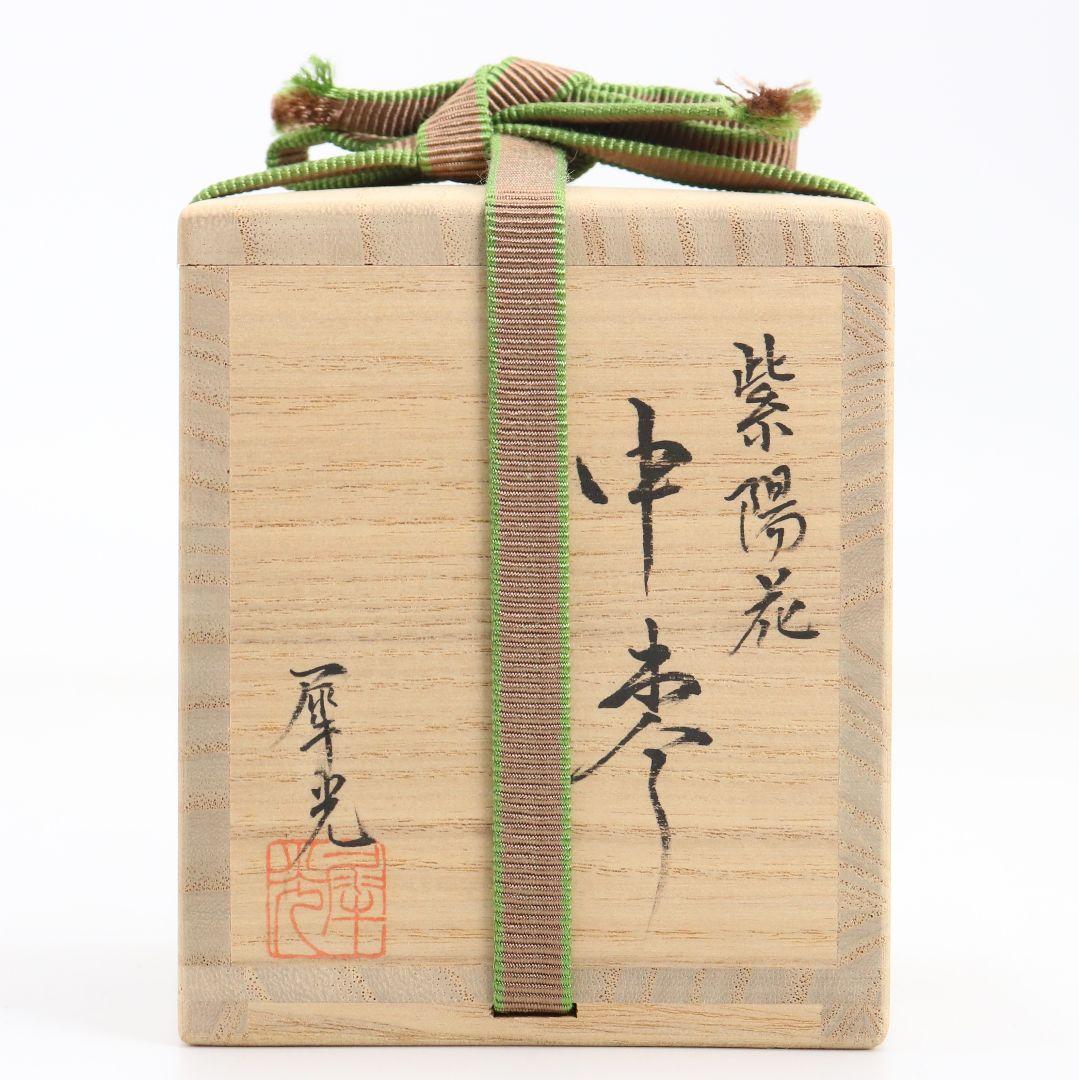
• Box: Signed tomobako inscribed '紫陽花 中棗 / 犀光' with seal
• Condition: Excellent
• Season: Summer (hydrangea = June / July)
━━━━━━━━━━━━━━━━━━━━
🔹 [ CULTURAL & ARTISTIC INSIGHT ]
The hydrangea changes color according to the soil it grows in — blue in acid, pink in alkaline, white when it refuses to decide. It is a flower defined by response, by the quiet chemical conversation between root and earth. In Japanese, ajisai (紫陽花) carries the characters for purple, sun, and flower, yet the plant itself is associated with rain. It blooms during tsuyu — the plum rain season of June — when the world softens into mist and the boundaries between garden and sky dissolve.
Takada Saiko renders this rain-season flower on shiro-urushi, a ground the color of warm cream — not the stark white of porcelain but the living white of eggshell, of rice paper held against light. White lacquer is among the most technically demanding urushi surfaces. It requires translucent lacquer thinned and layered over a white pigment base, with each coat risking contamination from the natural amber of raw urushi. The margin for error is almost nothing.
Against this pale field, gold maki-e hydrangea clusters appear as though drawn by morning light on a fog-covered garden wall. Fine gold lines trace each tiny floret. At the center of certain blooms, minute raden — shell inlay dots — catch and scatter light with the iridescence of actual rain on petals.
*"A flower that answers the soil's question — rendered on a ground the color of held breath."*
━━━━━━━━━━━━━━━━━━━━
🔹 [ DEEP-DIVE COMMENTARY ]
**Shiro-Urushi — The Difficulty of White**: White lacquer occupies a particular place in the lacquer world because urushi, in its natural state, is dark. Raw urushi oxidizes to brown-black. To achieve white, the lacquer artist must work with highly refined, near-transparent urushi layered over titanium white or lead white pigment grounds. Each application must be thin enough to preserve the white beneath while building sufficient depth for durability. Temperature and humidity during curing are critical — too warm and the urushi yellows; too dry and it fails to polymerize. Saiko's mastery of this process is evident in the even, luminous quality of the ground.
**Gold Maki-e on White**: The visual dynamics of gold maki-e shift fundamentally when the ground changes from black to white. On black lacquer, gold maki-e appears to float forward — bright against dark, figure against void. On white lacquer, the relationship inverts. Gold and white share a similar luminosity, so the maki-e must rely on line quality and compositional density rather than contrast for its visual presence. Saiko's response is a composition of considerable delicacy: hydrangea clusters rendered in fine kegaki (hair-drawing) lines, with leaves arcing in controlled curves that echo the flower heads' rounded geometry.
**Raden Micro-Inlay**: The tiny shell dots placed at the centers of individual florets demonstrate a technique sometimes called kiri-gai or ten-raden (point shell). Each fragment is cut to a circle barely a millimeter across, set into the lacquer surface, and sealed with additional coats of transparent urushi. The effect is subtle until light strikes at the correct angle — then the shell points ignite with blue-green iridescence, mimicking the dew that collects in hydrangea blooms during the rainy season.
**Seasonal Placement**: A hydrangea natsume belongs to the furo season — specifically the sixth month, when the ro has been put away and the portable brazier stands in the tearoom. The host who selects this caddy acknowledges tsuyu without complaint, finding in the rain not inconvenience but a particular quality of softened light and heightened color.
**Chu-Natsume Proportions**: The medium-format natsume occupies the middle ground between the tall o-natsume and the compact ko-natsume. Its proportions — nearly equal height and diameter — create a satisfying symmetry in the hand. For usucha (thin tea) preparation, the chu-natsume offers a generous opening while maintaining an intimate scale.
━━━━━━━━━━━━━━━━━━━━
🔹 [ 日本語解説 ]
【基本情報】
• 作家:高田犀光
• 技法:金蒔絵・螺鈿、白漆地
• 産地:日本
• 形状:中棗
• 寸法:高さ約6.8cm × 径約6.7cm
• 付属:共箱(「紫陽花 中棗 犀光」箱書き・印)
• 状態:優良
• 季節:夏(紫陽花=六月・七月)
【解説】
高田犀光作の紫陽花蒔絵中棗です。白漆(しろうるし)という極めて難度の高い塗り地の上に、金蒔絵で紫陽花の花房と葉を繊細に描いた逸品です。白漆は天然漆の琥珀色を抑え、白い顔料の上に透明度の高い漆を何層も重ねて仕上げるため、温度・湿度の管理に極めて高い技術を要します。花の中心には微細な螺鈿(切貝)が嵌め込まれ、光の角度によって青緑色の虹彩を放ちます。これは梅雨の季節、紫陽花の花弁に溜まる露を思わせる繊細な演出です。紫陽花は梅雨の季語であり、風炉の時期、特に六月の茶席にふさわしい意匠です。共箱に犀光の箱書きと印。
━━━━━━━━━━━━━━━━━━━━
🔹 [ SHIPPING & PACKAGING ]
• Dispatch: Within 1-6 business days
• Carrier: Japan Post EMS / UPS (with tracking)
• Packaging: Carefully wrapped with protective materials
*Gold hydrangea on white lacquer — a rain-season flower placed where silence gathers, shell-point dew catching light it was not promised.*
━━━━━━━━━━━━━━━━━━━━
🔹 [ BASIC DETAILS ]
• Artist: Takada Saiko (高田犀光) — lacquer artisan
• Technique: Gold maki-e with raden (螺鈿, shell inlay) on shiro-urushi (白漆, white lacquer)
• Origin: Japan
• Form: Chu-natsume (中棗) — medium-format tea caddy
• Dimensions: Height approx. 6.8 cm, Diameter approx. 6.7 cm (2.7" × 2.6")
• Box: Signed tomobako inscribed '紫陽花 中棗 / 犀光' with seal
• Condition: Excellent
• Season: Summer (hydrangea = June / July)
━━━━━━━━━━━━━━━━━━━━
🔹 [ CULTURAL & ARTISTIC INSIGHT ]
The hydrangea changes color according to the soil it grows in — blue in acid, pink in alkaline, white when it refuses to decide. It is a flower defined by response, by the quiet chemical conversation between root and earth. In Japanese, ajisai (紫陽花) carries the characters for purple, sun, and flower, yet the plant itself is associated with rain. It blooms during tsuyu — the plum rain season of June — when the world softens into mist and the boundaries between garden and sky dissolve.
Takada Saiko renders this rain-season flower on shiro-urushi, a ground the color of warm cream — not the stark white of porcelain but the living white of eggshell, of rice paper held against light. White lacquer is among the most technically demanding urushi surfaces. It requires translucent lacquer thinned and layered over a white pigment base, with each coat risking contamination from the natural amber of raw urushi. The margin for error is almost nothing.
Against this pale field, gold maki-e hydrangea clusters appear as though drawn by morning light on a fog-covered garden wall. Fine gold lines trace each tiny floret. At the center of certain blooms, minute raden — shell inlay dots — catch and scatter light with the iridescence of actual rain on petals.
*"A flower that answers the soil's question — rendered on a ground the color of held breath."*
━━━━━━━━━━━━━━━━━━━━
🔹 [ DEEP-DIVE COMMENTARY ]
**Shiro-Urushi — The Difficulty of White**: White lacquer occupies a particular place in the lacquer world because urushi, in its natural state, is dark. Raw urushi oxidizes to brown-black. To achieve white, the lacquer artist must work with highly refined, near-transparent urushi layered over titanium white or lead white pigment grounds. Each application must be thin enough to preserve the white beneath while building sufficient depth for durability. Temperature and humidity during curing are critical — too warm and the urushi yellows; too dry and it fails to polymerize. Saiko's mastery of this process is evident in the even, luminous quality of the ground.
**Gold Maki-e on White**: The visual dynamics of gold maki-e shift fundamentally when the ground changes from black to white. On black lacquer, gold maki-e appears to float forward — bright against dark, figure against void. On white lacquer, the relationship inverts. Gold and white share a similar luminosity, so the maki-e must rely on line quality and compositional density rather than contrast for its visual presence. Saiko's response is a composition of considerable delicacy: hydrangea clusters rendered in fine kegaki (hair-drawing) lines, with leaves arcing in controlled curves that echo the flower heads' rounded geometry.
**Raden Micro-Inlay**: The tiny shell dots placed at the centers of individual florets demonstrate a technique sometimes called kiri-gai or ten-raden (point shell). Each fragment is cut to a circle barely a millimeter across, set into the lacquer surface, and sealed with additional coats of transparent urushi. The effect is subtle until light strikes at the correct angle — then the shell points ignite with blue-green iridescence, mimicking the dew that collects in hydrangea blooms during the rainy season.
**Seasonal Placement**: A hydrangea natsume belongs to the furo season — specifically the sixth month, when the ro has been put away and the portable brazier stands in the tearoom. The host who selects this caddy acknowledges tsuyu without complaint, finding in the rain not inconvenience but a particular quality of softened light and heightened color.
**Chu-Natsume Proportions**: The medium-format natsume occupies the middle ground between the tall o-natsume and the compact ko-natsume. Its proportions — nearly equal height and diameter — create a satisfying symmetry in the hand. For usucha (thin tea) preparation, the chu-natsume offers a generous opening while maintaining an intimate scale.
━━━━━━━━━━━━━━━━━━━━
🔹 [ 日本語解説 ]
【基本情報】
• 作家:高田犀光
• 技法:金蒔絵・螺鈿、白漆地
• 産地:日本
• 形状:中棗
• 寸法:高さ約6.8cm × 径約6.7cm
• 付属:共箱(「紫陽花 中棗 犀光」箱書き・印)
• 状態:優良
• 季節:夏(紫陽花=六月・七月)
【解説】
高田犀光作の紫陽花蒔絵中棗です。白漆(しろうるし)という極めて難度の高い塗り地の上に、金蒔絵で紫陽花の花房と葉を繊細に描いた逸品です。白漆は天然漆の琥珀色を抑え、白い顔料の上に透明度の高い漆を何層も重ねて仕上げるため、温度・湿度の管理に極めて高い技術を要します。花の中心には微細な螺鈿(切貝)が嵌め込まれ、光の角度によって青緑色の虹彩を放ちます。これは梅雨の季節、紫陽花の花弁に溜まる露を思わせる繊細な演出です。紫陽花は梅雨の季語であり、風炉の時期、特に六月の茶席にふさわしい意匠です。共箱に犀光の箱書きと印。
━━━━━━━━━━━━━━━━━━━━
🔹 [ SHIPPING & PACKAGING ]
• Dispatch: Within 1-6 business days
• Carrier: Japan Post EMS / UPS (with tracking)
• Packaging: Carefully wrapped with protective materials
*Gold hydrangea on white lacquer — a rain-season flower placed where silence gathers, shell-point dew catching light it was not promised.*
Quantity
Couldn't load pickup availability
Low stock: 1 left
View full details