1
/
of
13
Hounsai-Konomi Red Chrysanthemum Maki-e O-Natsume Tea Caddy by Seiho
Hounsai-Konomi Red Chrysanthemum Maki-e O-Natsume Tea Caddy by Seiho
Regular price
Dhs. 2,548.00 AED
Regular price
Sale price
Dhs. 2,548.00 AED
Taxes included.
Shipping calculated at checkout.
Discover this Hounsai-Konomi Shu-Kiku-e Maki-e O-Natsume by lacquer artisan Seiho. This Urasenke Grand Master endorsed Chrysanthemum Lacquer Natsume features Red Maki-e Tea Caddy artistry and Bold Kiku Design on Black Lacquer—a must-have for any Art Collector seeking Japanese Tea Ceremony accessories and Grand Master Endorsed lacquerware.
━━━━━━━━━━━━━━━━━━━━
🔹 [ BASIC DETAILS ]
• Artist: Seiho (清峰) — Nushi / lacquer artisan (塗師)
• Technique: Vermillion and gold maki-e (朱菊絵蒔絵) on black urushi
• Design Authorization: Hounsai-konomi utsushi (鵬雲斎好写) — design after the preference of Hounsai, 15th Grand Master of Urasenke
• Origin: Japan
• Form: O-natsume (大棗) — large-format tea caddy
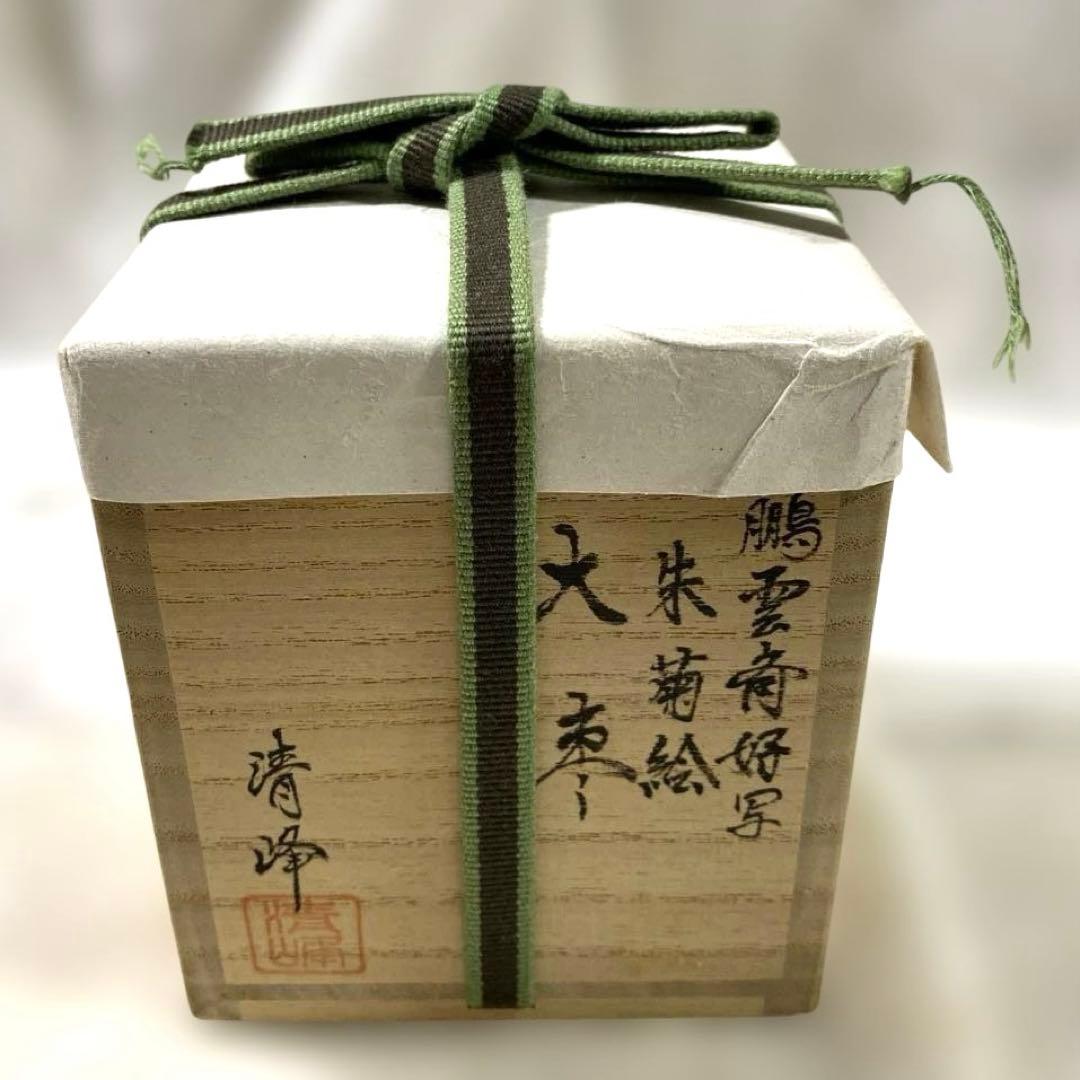
• Box: Signed tomobako with cloth (共箱共布), inscribed '鵬雲斎好写 朱菊絵 大棗'
• Condition: Excellent
━━━━━━━━━━━━━━━━━━━━
🔹 [ CULTURAL & ARTISTIC INSIGHT ]
The chrysanthemum does not compete for attention. It arrives in autumn when other flowers have already withdrawn, and it stays — unhurried, structural, entirely itself. In Japan, the kiku is the Imperial flower, a symbol woven into the national identity so deeply that it appears on passports and the Chrysanthemum Throne. Yet in the tearoom, its meaning shifts from sovereignty to endurance — the flower that does not yield to the first frost.
Seiho's interpretation commands the entire vessel. Vermillion chrysanthemums — shu-kiku — spread across the black lacquer ground in various scales, their petals rendered in bold, confident strokes of red and gold maki-e. This is not the restrained, single-bloom treatment common in tea utensils. This is kiku as abundance, as a field in full voice. The composition covers both lid and body in a continuous panorama, so the boundary between top and side dissolves into a single flowering surface.
The designation 'Hounsai-konomi utsushi' (鵬雲斎好写) carries institutional authority. Hounsai — Sen Soshitsu XV — guided Urasenke through the latter decades of the 20th century, and utensils bearing his konomi represent designs personally endorsed by the living lineage of Sen no Rikyu.
*"The chrysanthemum does not decorate the vessel. It inhabits it."*
━━━━━━━━━━━━━━━━━━━━
🔹 [ DEEP-DIVE COMMENTARY ]
**Shu-Kiku-e — Vermillion Chrysanthemum Painting**: The term shu-kiku-e (朱菊絵) is specific and deliberate. Shu (朱) denotes vermillion — not any red, but the cinnabar-derived pigment that carries sacred and celebratory associations in East Asian culture. Seiho layers this vermillion in maki-e technique, building the petals with urushi mixed with red pigment and gold powder. The result is a red that glows with its own internal warmth, distinct from the flat red of simple lacquer application.
**Dramatic Scale and Coverage**: Where many natsume employ maki-e as accent — a single motif on the lid, perhaps a spray along the body — Seiho covers virtually the entire surface. Large chrysanthemums dominate the composition, flanked by smaller blooms and leaves that fill every interval. This totalizing approach transforms the natsume from a vessel that carries decoration into a decorative object that happens to hold tea. The boldness of this choice speaks to the Hounsai-konomi aesthetic, which often embraces a more expansive visual vocabulary than austere wabi traditions.
**Kiku in Chanoyu**: The chrysanthemum appears throughout the tea year but finds its truest moment in the ninth month gatherings — choyo-no-sekku (重陽の節句), the Chrysanthemum Festival on the ninth day of the ninth lunar month. A natsume bearing this motif signals autumn's fullness: the harvest gathered, the garden at peak, the year beginning its descent toward winter stillness.
**Tomobako Documentation**: The tomobako inscription reads '鵬雲斎好写 朱菊絵 大棗' — three lines of information compressed into a single statement: the authorizing Grand Master's preference, the decorative subject, and the vessel form. The inclusion of both box and cloth (共箱共布) indicates complete provenance documentation from the artisan's hand.
━━━━━━━━━━━━━━━━━━━━
🔹 [ 日本語解説 ]
【基本情報】
• 作家:清峰(塗師)
• 好み:鵬雲斎好写(裏千家十五代)
• 技法:朱菊絵蒔絵、黒漆地
• 産地:日本
• 形状:大棗
• 付属:共箱・共布(「鵬雲斎好写 朱菊絵 大棗」箱書き)
• 状態:優良
【解説】
塗師・清峰作、鵬雲斎好写の朱菊絵大棗です。黒漆の地に、朱と金の蒔絵で大小の菊花を大胆に描いた力強い構図が見どころです。蓋から胴にかけて菊花が途切れることなく展開し、器全体が一つの花園のような迫力ある意匠となっています。菊は皇室の紋章であると同時に、茶道では重陽の節句をはじめ秋の取り合わせに欠かせない意匠です。「鵬雲斎好写」の箱書きは裏千家十五代家元のお好みに倣った作であることを示し、茶道具としての格式を保証するものです。共箱・共布付き。
━━━━━━━━━━━━━━━━━━━━
🔹 [ SHIPPING & PACKAGING ]
• Dispatch: Within 1-6 business days
• Carrier: Japan Post EMS / UPS (with tracking)
• Packaging: Carefully wrapped with protective materials
*Vermillion chrysanthemums claim the entire vessel — autumn's authority rendered in cinnabar and gold, endorsed by the lineage of Rikyu.*
━━━━━━━━━━━━━━━━━━━━
🔹 [ BASIC DETAILS ]
• Artist: Seiho (清峰) — Nushi / lacquer artisan (塗師)
• Technique: Vermillion and gold maki-e (朱菊絵蒔絵) on black urushi
• Design Authorization: Hounsai-konomi utsushi (鵬雲斎好写) — design after the preference of Hounsai, 15th Grand Master of Urasenke
• Origin: Japan
• Form: O-natsume (大棗) — large-format tea caddy
• Box: Signed tomobako with cloth (共箱共布), inscribed '鵬雲斎好写 朱菊絵 大棗'
• Condition: Excellent
━━━━━━━━━━━━━━━━━━━━
🔹 [ CULTURAL & ARTISTIC INSIGHT ]
The chrysanthemum does not compete for attention. It arrives in autumn when other flowers have already withdrawn, and it stays — unhurried, structural, entirely itself. In Japan, the kiku is the Imperial flower, a symbol woven into the national identity so deeply that it appears on passports and the Chrysanthemum Throne. Yet in the tearoom, its meaning shifts from sovereignty to endurance — the flower that does not yield to the first frost.
Seiho's interpretation commands the entire vessel. Vermillion chrysanthemums — shu-kiku — spread across the black lacquer ground in various scales, their petals rendered in bold, confident strokes of red and gold maki-e. This is not the restrained, single-bloom treatment common in tea utensils. This is kiku as abundance, as a field in full voice. The composition covers both lid and body in a continuous panorama, so the boundary between top and side dissolves into a single flowering surface.
The designation 'Hounsai-konomi utsushi' (鵬雲斎好写) carries institutional authority. Hounsai — Sen Soshitsu XV — guided Urasenke through the latter decades of the 20th century, and utensils bearing his konomi represent designs personally endorsed by the living lineage of Sen no Rikyu.
*"The chrysanthemum does not decorate the vessel. It inhabits it."*
━━━━━━━━━━━━━━━━━━━━
🔹 [ DEEP-DIVE COMMENTARY ]
**Shu-Kiku-e — Vermillion Chrysanthemum Painting**: The term shu-kiku-e (朱菊絵) is specific and deliberate. Shu (朱) denotes vermillion — not any red, but the cinnabar-derived pigment that carries sacred and celebratory associations in East Asian culture. Seiho layers this vermillion in maki-e technique, building the petals with urushi mixed with red pigment and gold powder. The result is a red that glows with its own internal warmth, distinct from the flat red of simple lacquer application.
**Dramatic Scale and Coverage**: Where many natsume employ maki-e as accent — a single motif on the lid, perhaps a spray along the body — Seiho covers virtually the entire surface. Large chrysanthemums dominate the composition, flanked by smaller blooms and leaves that fill every interval. This totalizing approach transforms the natsume from a vessel that carries decoration into a decorative object that happens to hold tea. The boldness of this choice speaks to the Hounsai-konomi aesthetic, which often embraces a more expansive visual vocabulary than austere wabi traditions.
**Kiku in Chanoyu**: The chrysanthemum appears throughout the tea year but finds its truest moment in the ninth month gatherings — choyo-no-sekku (重陽の節句), the Chrysanthemum Festival on the ninth day of the ninth lunar month. A natsume bearing this motif signals autumn's fullness: the harvest gathered, the garden at peak, the year beginning its descent toward winter stillness.
**Tomobako Documentation**: The tomobako inscription reads '鵬雲斎好写 朱菊絵 大棗' — three lines of information compressed into a single statement: the authorizing Grand Master's preference, the decorative subject, and the vessel form. The inclusion of both box and cloth (共箱共布) indicates complete provenance documentation from the artisan's hand.
━━━━━━━━━━━━━━━━━━━━
🔹 [ 日本語解説 ]
【基本情報】
• 作家:清峰(塗師)
• 好み:鵬雲斎好写(裏千家十五代)
• 技法:朱菊絵蒔絵、黒漆地
• 産地:日本
• 形状:大棗
• 付属:共箱・共布(「鵬雲斎好写 朱菊絵 大棗」箱書き)
• 状態:優良
【解説】
塗師・清峰作、鵬雲斎好写の朱菊絵大棗です。黒漆の地に、朱と金の蒔絵で大小の菊花を大胆に描いた力強い構図が見どころです。蓋から胴にかけて菊花が途切れることなく展開し、器全体が一つの花園のような迫力ある意匠となっています。菊は皇室の紋章であると同時に、茶道では重陽の節句をはじめ秋の取り合わせに欠かせない意匠です。「鵬雲斎好写」の箱書きは裏千家十五代家元のお好みに倣った作であることを示し、茶道具としての格式を保証するものです。共箱・共布付き。
━━━━━━━━━━━━━━━━━━━━
🔹 [ SHIPPING & PACKAGING ]
• Dispatch: Within 1-6 business days
• Carrier: Japan Post EMS / UPS (with tracking)
• Packaging: Carefully wrapped with protective materials
*Vermillion chrysanthemums claim the entire vessel — autumn's authority rendered in cinnabar and gold, endorsed by the lineage of Rikyu.*
Quantity
Couldn't load pickup availability
Low stock: 1 left
View full details