1
/
of
13
Heian Toraku Ninsei-Style Gold Crane Chawan Kyo-yaki Tea Bowl
Heian Toraku Ninsei-Style Gold Crane Chawan Kyo-yaki Tea Bowl
Regular price
Dhs. 580.00 AED
Regular price
Sale price
Dhs. 580.00 AED
Taxes included.
Shipping calculated at checkout.
Discover this Ninsei-Style Gold Crane Chawan by the distinguished Heian Toraku kiln. This Kyo-yaki Tea Bowl features Gold Leaf Ground with painted crane and chick — a nurturing scene framed by vivid pine, rendered in Overglaze Enamel artistry. A must-have for any Art Collector seeking Japanese Tea Ceremony bowls, Crane Motif Ceramics, and Gold Kyo-yaki masterwork.
━━━━━━━━━━━━━━━━━━━━
🔹 [ BASIC DETAILS ]
• Artist: Heian Toraku (平安陶楽) — established Kyoto ceramic house
• Technique: Ninsei-utsushi (仁清写) — overglaze enamel (uwae) and gold wash on cream stoneware
• Motif: Kinchi-tsuru (金地鶴) — crane and chick on gold ground with pine
• Origin: Kyoto, Japan (京焼)
• Era: 2010–2019
• Dimensions: Diameter approx. 12 cm × Height approx. 8 cm (4.7" × 3.1")
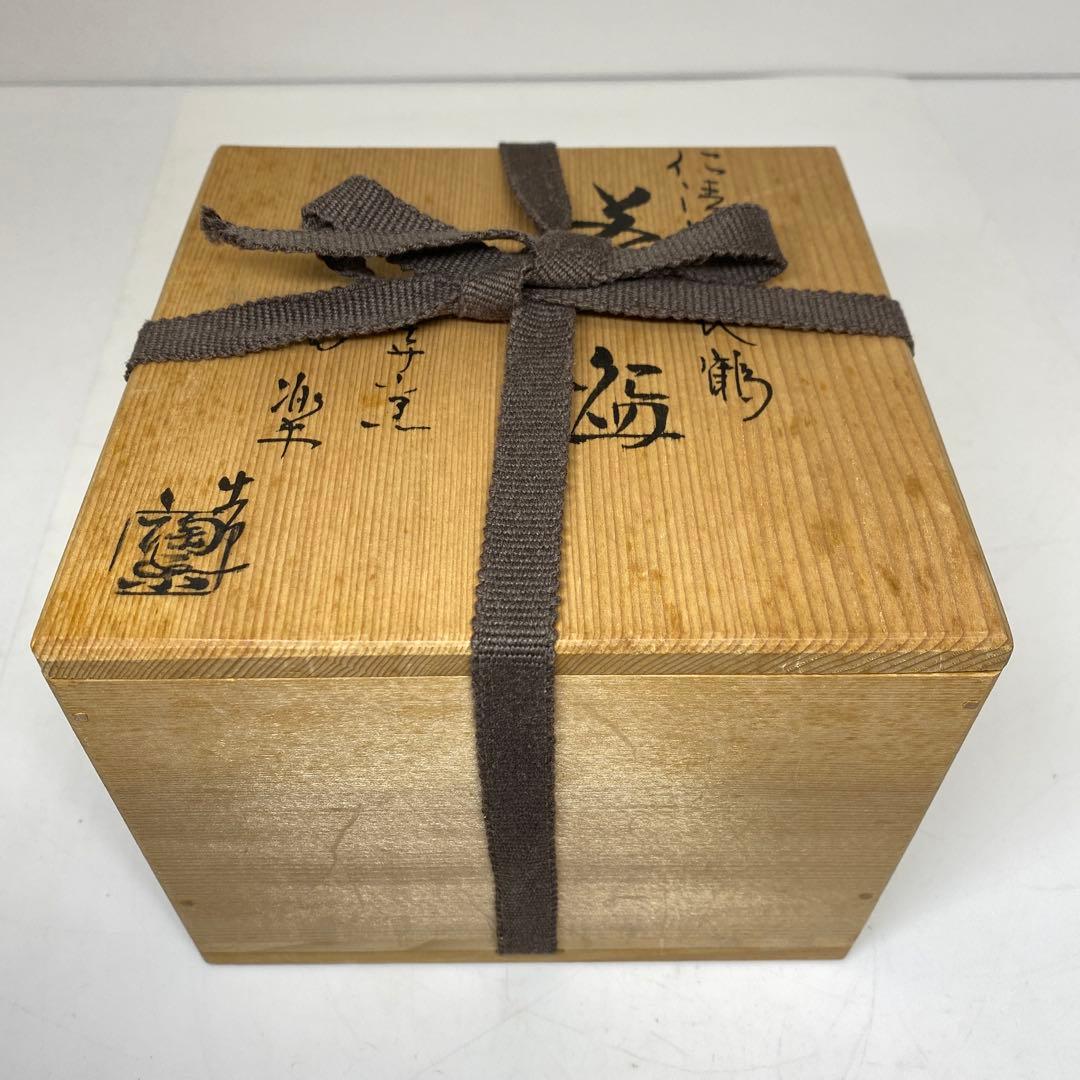
• Box: Signed tomobako inscribed '仁清写 金地鶴茶碗' with '陶楽' signature
• Condition: Excellent — gold ground intact, enamel vivid, fine kannyu (crackle) on body
━━━━━━━━━━━━━━━━━━━━
🔹 [ CULTURAL & ARTISTIC INSIGHT ]
The crane does not pose. It stands in the position it was found — head lowered toward the chick, body angled not for display but for the act of feeding. This is tsuru as the Japanese have understood it for centuries: not the bird of flight but the bird of return, of fidelity, of the gesture repeated across a thousand years. The pine beside it is not backdrop. It is the other half of the sentence — evergreen permanence meeting feathered devotion.
Heian Toraku inherits the Ninsei vocabulary — that particular Kyoto language of gold ground and enamel color that Nonomura Ninsei established in the seventeenth century. Ninsei-utsushi does not mean copy. It means conversation across time. The gold wash that covers the bowl's exterior is applied by hand, each section requiring separate firing to fuse gold to the ceramic surface. Over this ground, the enamels are painted and fired again — green for pine, white and grey for the crane's plumage, touches of red at the crown.
The reverse of the bowl reveals a quieter composition — cream body divided by gold geometric lines with faint cherry blossom details in pink. This is the bowl's private face, the side that rests against the palm.
*"The crane lowers its head. Not in deference — in continuation."*
━━━━━━━━━━━━━━━━━━━━
🔹 [ DEEP-DIVE COMMENTARY ]
**Ninsei-Utsushi — Writing in a Living Language**: Nonomura Ninsei (野々村仁清) created the grammar of Kyoto overglaze ceramics in the mid-1600s — gold grounds, vivid enamels, subjects drawn from nature and classical literature. When a Kyoto potter works in Ninsei-utsushi, they are not reproducing a historical object. They are demonstrating fluency in a vocabulary that has been spoken continuously for over three and a half centuries. Heian Toraku's interpretation maintains the essential character — bold gold, confident enamel application, subject matter rooted in auspicious iconography — while carrying the assured hand of contemporary mastery.
**Kinchi — The Gold Ground**: The gold ground (kinchi / 金地) is not a single application. It requires gold leaf or gold wash applied to the bisque-fired surface, then sealed with additional firings. The warmth of this gold — neither yellow nor white but somewhere between honey and morning light — sets Kyo-yaki gold apart from metallic gold leaf used in other traditions. Fine crackle (kannyu) develops across the cream body beneath, visible where gold thins at the foot and interior, adding the characteristic texture that tea practitioners associate with age and use.
**Tsuru and Matsu — Crane and Pine**: The pairing of crane (tsuru / 鶴) and pine (matsu / 松) is among the most enduring iconographic combinations in Japanese art. Tsuru represents longevity — the crane was believed to live a thousand years. Matsu represents constancy — the pine that never sheds its green. Together they form a wish that needs no words: long life, steady devotion. The specific scene here — parent crane feeding its chick — adds a dimension beyond the conventional pairing. This is not merely longevity. It is continuity. The transmission of life from one generation to the next.
**Kinkuchi — The Gold Rim**: The gold rim (kinkuchi / 金口) that edges the bowl's lip serves both aesthetic and practical purposes. Visually, it frames the composition and provides a clean boundary between interior and exterior worlds. In tea practice, the gold rim signals a bowl of formal standing — appropriate for occasions where the host wishes to honor the guest with a vessel of evident intention.
━━━━━━━━━━━━━━━━━━━━
🔹 [ 日本語解説 ]
【基本情報】
• 作家:平安陶楽
• 技法:仁清写・上絵付(金地に色絵)
• 意匠:金地鶴(親鶴と雛、松)
• 産地:京都(京焼)
• 時代:2010年代
• 寸法:口径約12cm × 高さ約8cm
• 付属:共箱(「仁清写 金地鶴茶碗」箱書き、「陶楽」署名)
• 状態:優良——金彩・色絵鮮明、貫入あり(景色として)
【解説】
京都の名窯・平安陶楽による仁清写の金地鶴茶碗です。クリーム色の素地全体に金彩を施し、その上に色絵で親鶴が雛に餌を与える場面と松枝を描いた、おめでたい図柄の茶碗です。仁清写とは、十七世紀に野々村仁清が確立した京焼の色絵技法を継承する作行きを指し、単なる模倣ではなく、三百五十年以上続く京都陶芸の語彙を現代の手で語り直すものです。金地は一度の施工ではなく、金彩と焼成を重ねて深みのある光沢を実現しています。裏面にはクリーム地に金の幾何学的区画と淡い桜花が描かれ、掌に収まる側にも繊細な意匠が施されています。鶴と松は長寿と不変を象徴する吉祥の取り合わせであり、特に親子鶴の図は「継承」——命の連なりを表す格別な意味を持ちます。共箱付き。
━━━━━━━━━━━━━━━━━━━━
🔹 [ SHIPPING & PACKAGING ]
• Dispatch: Within 1-6 business days
• Carrier: Japan Post EMS / UPS (with tracking)
• Packaging: Carefully wrapped with protective materials
*A crane lowers its head toward the chick — not decoration but continuation, gold ground holding a gesture older than the kiln that fired it.*
━━━━━━━━━━━━━━━━━━━━
🔹 [ BASIC DETAILS ]
• Artist: Heian Toraku (平安陶楽) — established Kyoto ceramic house
• Technique: Ninsei-utsushi (仁清写) — overglaze enamel (uwae) and gold wash on cream stoneware
• Motif: Kinchi-tsuru (金地鶴) — crane and chick on gold ground with pine
• Origin: Kyoto, Japan (京焼)
• Era: 2010–2019
• Dimensions: Diameter approx. 12 cm × Height approx. 8 cm (4.7" × 3.1")
• Box: Signed tomobako inscribed '仁清写 金地鶴茶碗' with '陶楽' signature
• Condition: Excellent — gold ground intact, enamel vivid, fine kannyu (crackle) on body
━━━━━━━━━━━━━━━━━━━━
🔹 [ CULTURAL & ARTISTIC INSIGHT ]
The crane does not pose. It stands in the position it was found — head lowered toward the chick, body angled not for display but for the act of feeding. This is tsuru as the Japanese have understood it for centuries: not the bird of flight but the bird of return, of fidelity, of the gesture repeated across a thousand years. The pine beside it is not backdrop. It is the other half of the sentence — evergreen permanence meeting feathered devotion.
Heian Toraku inherits the Ninsei vocabulary — that particular Kyoto language of gold ground and enamel color that Nonomura Ninsei established in the seventeenth century. Ninsei-utsushi does not mean copy. It means conversation across time. The gold wash that covers the bowl's exterior is applied by hand, each section requiring separate firing to fuse gold to the ceramic surface. Over this ground, the enamels are painted and fired again — green for pine, white and grey for the crane's plumage, touches of red at the crown.
The reverse of the bowl reveals a quieter composition — cream body divided by gold geometric lines with faint cherry blossom details in pink. This is the bowl's private face, the side that rests against the palm.
*"The crane lowers its head. Not in deference — in continuation."*
━━━━━━━━━━━━━━━━━━━━
🔹 [ DEEP-DIVE COMMENTARY ]
**Ninsei-Utsushi — Writing in a Living Language**: Nonomura Ninsei (野々村仁清) created the grammar of Kyoto overglaze ceramics in the mid-1600s — gold grounds, vivid enamels, subjects drawn from nature and classical literature. When a Kyoto potter works in Ninsei-utsushi, they are not reproducing a historical object. They are demonstrating fluency in a vocabulary that has been spoken continuously for over three and a half centuries. Heian Toraku's interpretation maintains the essential character — bold gold, confident enamel application, subject matter rooted in auspicious iconography — while carrying the assured hand of contemporary mastery.
**Kinchi — The Gold Ground**: The gold ground (kinchi / 金地) is not a single application. It requires gold leaf or gold wash applied to the bisque-fired surface, then sealed with additional firings. The warmth of this gold — neither yellow nor white but somewhere between honey and morning light — sets Kyo-yaki gold apart from metallic gold leaf used in other traditions. Fine crackle (kannyu) develops across the cream body beneath, visible where gold thins at the foot and interior, adding the characteristic texture that tea practitioners associate with age and use.
**Tsuru and Matsu — Crane and Pine**: The pairing of crane (tsuru / 鶴) and pine (matsu / 松) is among the most enduring iconographic combinations in Japanese art. Tsuru represents longevity — the crane was believed to live a thousand years. Matsu represents constancy — the pine that never sheds its green. Together they form a wish that needs no words: long life, steady devotion. The specific scene here — parent crane feeding its chick — adds a dimension beyond the conventional pairing. This is not merely longevity. It is continuity. The transmission of life from one generation to the next.
**Kinkuchi — The Gold Rim**: The gold rim (kinkuchi / 金口) that edges the bowl's lip serves both aesthetic and practical purposes. Visually, it frames the composition and provides a clean boundary between interior and exterior worlds. In tea practice, the gold rim signals a bowl of formal standing — appropriate for occasions where the host wishes to honor the guest with a vessel of evident intention.
━━━━━━━━━━━━━━━━━━━━
🔹 [ 日本語解説 ]
【基本情報】
• 作家:平安陶楽
• 技法:仁清写・上絵付(金地に色絵)
• 意匠:金地鶴(親鶴と雛、松)
• 産地:京都(京焼)
• 時代:2010年代
• 寸法:口径約12cm × 高さ約8cm
• 付属:共箱(「仁清写 金地鶴茶碗」箱書き、「陶楽」署名)
• 状態:優良——金彩・色絵鮮明、貫入あり(景色として)
【解説】
京都の名窯・平安陶楽による仁清写の金地鶴茶碗です。クリーム色の素地全体に金彩を施し、その上に色絵で親鶴が雛に餌を与える場面と松枝を描いた、おめでたい図柄の茶碗です。仁清写とは、十七世紀に野々村仁清が確立した京焼の色絵技法を継承する作行きを指し、単なる模倣ではなく、三百五十年以上続く京都陶芸の語彙を現代の手で語り直すものです。金地は一度の施工ではなく、金彩と焼成を重ねて深みのある光沢を実現しています。裏面にはクリーム地に金の幾何学的区画と淡い桜花が描かれ、掌に収まる側にも繊細な意匠が施されています。鶴と松は長寿と不変を象徴する吉祥の取り合わせであり、特に親子鶴の図は「継承」——命の連なりを表す格別な意味を持ちます。共箱付き。
━━━━━━━━━━━━━━━━━━━━
🔹 [ SHIPPING & PACKAGING ]
• Dispatch: Within 1-6 business days
• Carrier: Japan Post EMS / UPS (with tracking)
• Packaging: Carefully wrapped with protective materials
*A crane lowers its head toward the chick — not decoration but continuation, gold ground holding a gesture older than the kiln that fired it.*
Quantity
Couldn't load pickup availability
Out of stock
View full details