1
/
of
9
Hayashi Mikiko Kogo Incense Container — Juhakko Pine Maki-e on Gold, Clam Form, Signed Box | Kyoto Lacquer Art, Tea Ceremony
Hayashi Mikiko Kogo Incense Container — Juhakko Pine Maki-e on Gold, Clam Form, Signed Box | Kyoto Lacquer Art, Tea Ceremony
Regular price
Dhs. 2,493.00 AED
Regular price
Sale price
Dhs. 2,493.00 AED
Taxes included.
Shipping calculated at checkout.
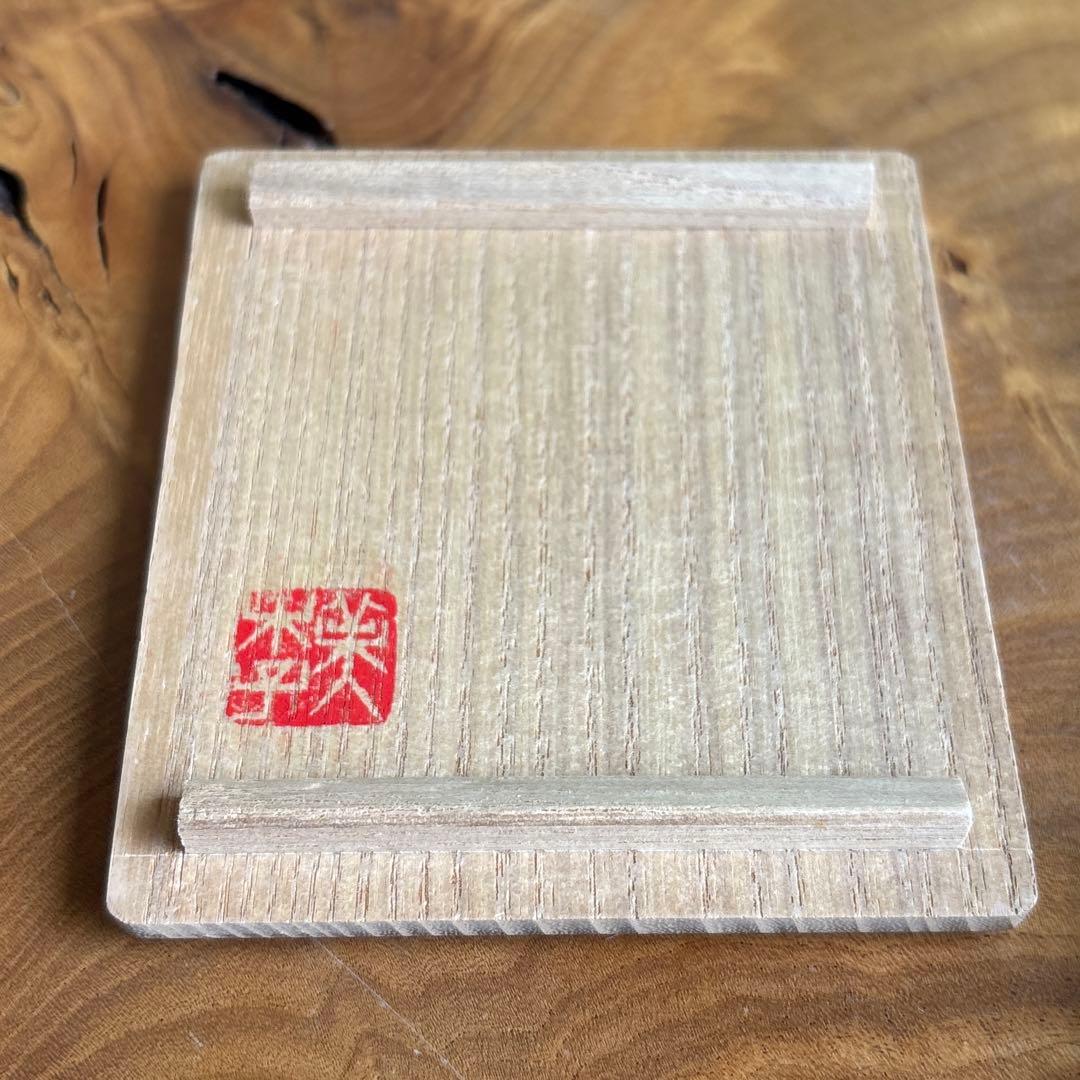
A clam-shaped incense container (kogo) in gold-ground urushi lacquer, decorated with a windswept pine rendered in rich teal and emerald maki-e against a warm gold ground. Signed work by Hayashi Mikiko, one of Kyoto's foremost female lacquer artists, with original signed wooden tomobako.
🔹 [ BASIC DETAILS ]
• Artist: Hayashi Mikiko
• Origin: Kyoto, Japan
• Material: Urushi lacquer with gold maki-e
• Motif: Pine (Juhakko / 十八公)
• Era: 1990s
• Box: Tomobako (artist's wooden presentation box)
• Condition: Good, carefully inspected
🔹 [ Cultural & Artistic Insight ]
━━━━━━━━━━━━━━━━━━━━━━━━
THE FORM
━━━━━━━━━━━━━━━━━━━━━━━━
The clam (hamaguri) has long been chosen as a vessel for incense in the tea tradition — its natural bilaterally symmetrical halves fitting together with a precision no two shells can replicate. That intimacy of form carries a quiet symbolism: of fidelity, of belonging, of things that return to where they began. This piece carries the tradition intact. The lid settles into the base with a soft, unhurried resistance. The gold ground of the exterior continues unbroken across the underside, the full shell unified in warmth.
━━━━━━━━━━━━━━━━━━━━━━━━
THE MOTIF — JUHAKKO (十八公)
━━━━━━━━━━━━━━━━━━━━━━━━
The name inscribed on the box — Juhakko — is an elegant classical cipher for pine: the three characters of matsu (松) broken apart yield 十 (ten), 八 (eight), and 公 (lord), hence juhakko. The pine has stood in Japanese poetic culture as the emblem of constancy, of endurance through winter, of a dignity that neither softens nor yields.
Hayashi Mikiko has painted that pine not as botanical record but as presence. The branches sweep outward across the gold ground with the controlled tension of a brushstroke caught mid-breath. Teal and emerald pigments are built in layers, deepening toward the trunk. Small dots of white and pale blue — needle clusters, falling blossoms — scatter across the composition with the restraint of someone who knows when to stop. The pine does not fill the surface; it inhabits it.
━━━━━━━━━━━━━━━━━━━━━━━━
THE ARTIST
━━━━━━━━━━━━━━━━━━━━━━━━
Hayashi Mikiko trained and worked within the Kyoto maki-e tradition — a lineage defined by pictorial sophistication, refined ground preparation, and a color sensibility shaped by centuries of proximity to Nishijin textile culture and Higashiyama aesthetics. Her work as a female artist in what has historically been a male-dominated craft represents both continuity and distinction. The hand visible in this piece — the confidence of the pine silhouette, the evenness of the gold ground, the proportion of image to negative space — reflects a practiced authority.
━━━━━━━━━━━━━━━━━━━━━━━━
CONDITION
━━━━━━━━━━━━━━━━━━━━━━━━
🔹 [ Deep-Dive Commentary ]
No cracks. No chips. Gold ground intact with natural warmth and depth. Maki-e decoration fully preserved. Lid and base fit cleanly. Tomobako (original signed wooden box) present and sound.
Diameter: approx. 7 cm / 2.75 in
Height: approx. 3.5 cm / 1.4 in
━━━━━━━━━━━━━━━━━━━━━━━━
COLLECTOR'S CONTEXT
━━━━━━━━━━━━━━━━━━━━━━━━
Kogo of this quality — signed, boxed, with a coherent artistic program — are increasingly difficult to encounter in the secondary market. The combination of a named female lacquer artist from Kyoto, a classical literary motif, and a form that participates in the tea ceremony tradition gives this piece multiple points of collector interest: tea utensil, lacquer art, women's craft history, classical Japanese literature.
It is suited to use in a formal tea setting, to display in a tokonoma alcove, or to hold as a study piece within a collection of Kyoto urushi work.
━━━━━━━━━━━━━━━━━━━━━━━━
【日本語説明】
━━━━━━━━━━━━━━━━━━━━━━━━
林美木子作「十八公」蛤香合。金地に翠の松を描いた京蒔絵。「十八公」とは松(木+十八公)を解字した雅語で、常盤の松の気品と不変を指す。蛤形の優しい曲線に金漆を施し、松の姿が静かに広がる。共箱(箱書あり)付き。ヒビ・カケなし、状態良好。茶席の香合として、床の間の飾りとして、また京漆芸コレクションの一点として。
━━━━━━━━━━━━━━━━━━━━━━━━
🔹 [ 日本語解説 ]
京蒔絵の女性作家・林美木子による蛤形香合。金地に松の翠を描いた「十八公」の銘。蛤の柔らかな曲線に金漆を施し、翠と群青の松が静かに広がる。「十八公」とは松の雅語(松の字を十・八・公に解字)で、常盤の松=不変・気品の象徴。共箱(箱書あり)付き。茶席・床の間・漆芸コレクションとして。
🔹 [ SHIPPING & PACKAGING ]
• Dispatch: Within 1-6 business days
• Carrier: Japan Post EMS / UPS (with tracking)
• Packaging: Carefully wrapped with protective materials
🔹 [ BASIC DETAILS ]
• Artist: Hayashi Mikiko
• Origin: Kyoto, Japan
• Material: Urushi lacquer with gold maki-e
• Motif: Pine (Juhakko / 十八公)
• Era: 1990s
• Box: Tomobako (artist's wooden presentation box)
• Condition: Good, carefully inspected
🔹 [ Cultural & Artistic Insight ]
━━━━━━━━━━━━━━━━━━━━━━━━
THE FORM
━━━━━━━━━━━━━━━━━━━━━━━━
The clam (hamaguri) has long been chosen as a vessel for incense in the tea tradition — its natural bilaterally symmetrical halves fitting together with a precision no two shells can replicate. That intimacy of form carries a quiet symbolism: of fidelity, of belonging, of things that return to where they began. This piece carries the tradition intact. The lid settles into the base with a soft, unhurried resistance. The gold ground of the exterior continues unbroken across the underside, the full shell unified in warmth.
━━━━━━━━━━━━━━━━━━━━━━━━
THE MOTIF — JUHAKKO (十八公)
━━━━━━━━━━━━━━━━━━━━━━━━
The name inscribed on the box — Juhakko — is an elegant classical cipher for pine: the three characters of matsu (松) broken apart yield 十 (ten), 八 (eight), and 公 (lord), hence juhakko. The pine has stood in Japanese poetic culture as the emblem of constancy, of endurance through winter, of a dignity that neither softens nor yields.
Hayashi Mikiko has painted that pine not as botanical record but as presence. The branches sweep outward across the gold ground with the controlled tension of a brushstroke caught mid-breath. Teal and emerald pigments are built in layers, deepening toward the trunk. Small dots of white and pale blue — needle clusters, falling blossoms — scatter across the composition with the restraint of someone who knows when to stop. The pine does not fill the surface; it inhabits it.
━━━━━━━━━━━━━━━━━━━━━━━━
THE ARTIST
━━━━━━━━━━━━━━━━━━━━━━━━
Hayashi Mikiko trained and worked within the Kyoto maki-e tradition — a lineage defined by pictorial sophistication, refined ground preparation, and a color sensibility shaped by centuries of proximity to Nishijin textile culture and Higashiyama aesthetics. Her work as a female artist in what has historically been a male-dominated craft represents both continuity and distinction. The hand visible in this piece — the confidence of the pine silhouette, the evenness of the gold ground, the proportion of image to negative space — reflects a practiced authority.
━━━━━━━━━━━━━━━━━━━━━━━━
CONDITION
━━━━━━━━━━━━━━━━━━━━━━━━
🔹 [ Deep-Dive Commentary ]
No cracks. No chips. Gold ground intact with natural warmth and depth. Maki-e decoration fully preserved. Lid and base fit cleanly. Tomobako (original signed wooden box) present and sound.
Diameter: approx. 7 cm / 2.75 in
Height: approx. 3.5 cm / 1.4 in
━━━━━━━━━━━━━━━━━━━━━━━━
COLLECTOR'S CONTEXT
━━━━━━━━━━━━━━━━━━━━━━━━
Kogo of this quality — signed, boxed, with a coherent artistic program — are increasingly difficult to encounter in the secondary market. The combination of a named female lacquer artist from Kyoto, a classical literary motif, and a form that participates in the tea ceremony tradition gives this piece multiple points of collector interest: tea utensil, lacquer art, women's craft history, classical Japanese literature.
It is suited to use in a formal tea setting, to display in a tokonoma alcove, or to hold as a study piece within a collection of Kyoto urushi work.
━━━━━━━━━━━━━━━━━━━━━━━━
【日本語説明】
━━━━━━━━━━━━━━━━━━━━━━━━
林美木子作「十八公」蛤香合。金地に翠の松を描いた京蒔絵。「十八公」とは松(木+十八公)を解字した雅語で、常盤の松の気品と不変を指す。蛤形の優しい曲線に金漆を施し、松の姿が静かに広がる。共箱(箱書あり)付き。ヒビ・カケなし、状態良好。茶席の香合として、床の間の飾りとして、また京漆芸コレクションの一点として。
━━━━━━━━━━━━━━━━━━━━━━━━
🔹 [ 日本語解説 ]
京蒔絵の女性作家・林美木子による蛤形香合。金地に松の翠を描いた「十八公」の銘。蛤の柔らかな曲線に金漆を施し、翠と群青の松が静かに広がる。「十八公」とは松の雅語(松の字を十・八・公に解字)で、常盤の松=不変・気品の象徴。共箱(箱書あり)付き。茶席・床の間・漆芸コレクションとして。
🔹 [ SHIPPING & PACKAGING ]
• Dispatch: Within 1-6 business days
• Carrier: Japan Post EMS / UPS (with tracking)
• Packaging: Carefully wrapped with protective materials
Quantity
Couldn't load pickup availability
Low stock: 1 left
View full details