1
/
of
17
Hashimoto Makoto Shigaraki Guinomi - Six Ancient Kilns Sake Cup with Ishihaze
Hashimoto Makoto Shigaraki Guinomi - Six Ancient Kilns Sake Cup with Ishihaze
Regular price
Dhs. 719.00 AED
Regular price
Sale price
Dhs. 719.00 AED
Taxes included.
Shipping calculated at checkout.
Experience authentic Japanese ceramics with this Hashimoto Makoto Shigaraki Guinomi. This Six Ancient Kilns Sake Cup serves as a Shigaraki Ware Masterwork and Yakishime Stoneware Art, featuring Ishihaze Feldspar Bursts and Hi-iro Fire Color—a must-have for any Art Collector seeking Shiga Prefecture Pottery and Wood Fired Ceramics.
━━━━━━━━━━━━━━━━━━━━
🔹 [ BASIC DETAILS ]
• Artist: Hashimoto Makoto (橋本誠)
• Type: Guinomi (ぐい呑) — sake cup
• Technique: Shigaraki ware (信楽焼)
• Era: Contemporary
• Origin: Shigaraki, Shiga Prefecture, Japan
• Dimensions: Dia approx. 7.2 cm × H approx. 6.1 cm
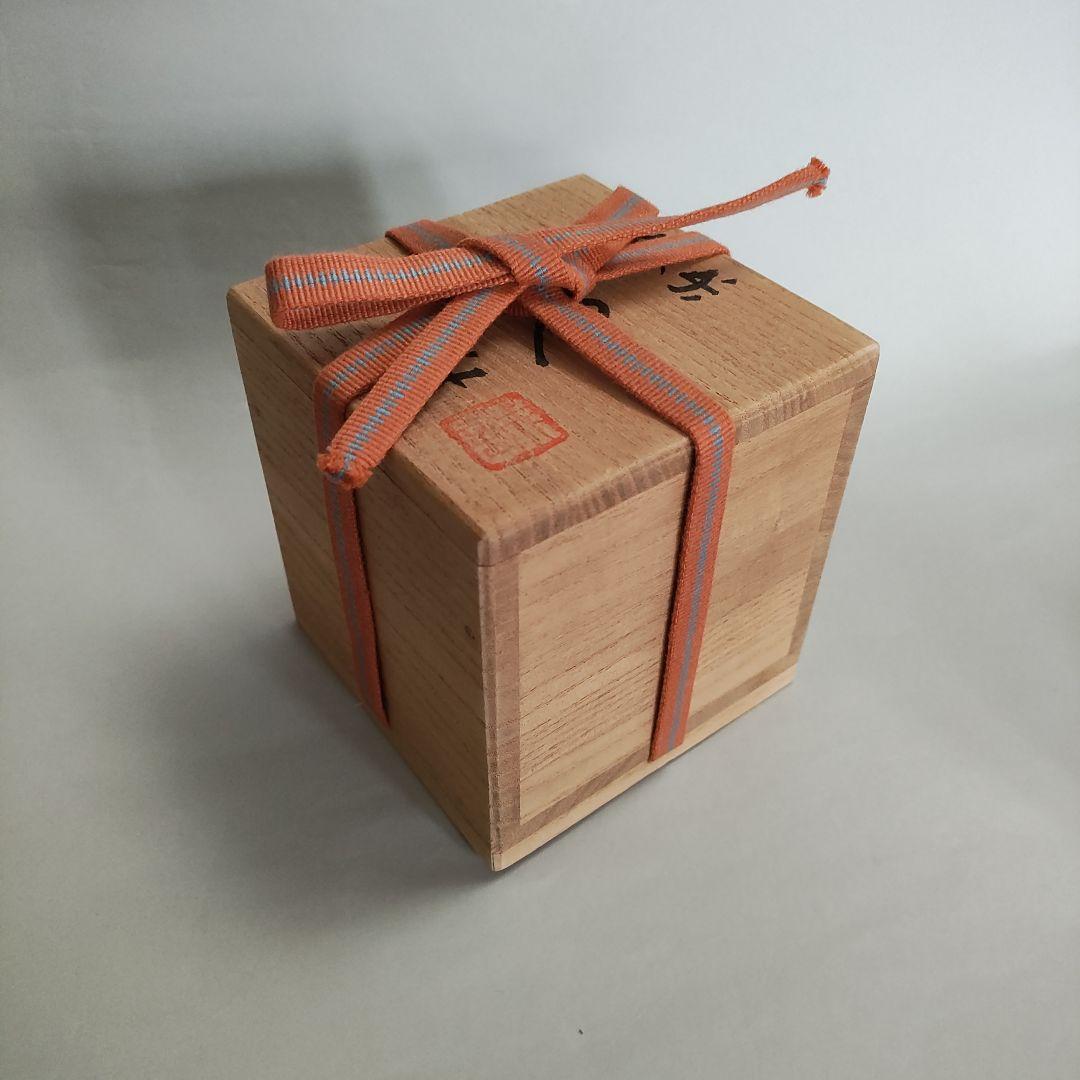
• Box: Tomobako (signed wooden box with red seal)
• Condition: Excellent
━━━━━━━━━━━━━━━━━━━━
🔹 [ CULTURAL & ARTISTIC INSIGHT ]
Shigaraki stands among the Rokkoyo — the Six Ancient Kilns of Japan — a lineage stretching back over seven centuries. Unlike traditions that rely on applied glazes and deliberate decoration, Shigaraki ware submits the clay to the kiln and accepts whatever the fire returns. The result is not designed. It is yielded.
This guinomi carries the full vocabulary of that surrender. The warm reddish-brown hi-iro (火色) across the body is the direct mark of oxidation — the kiln's breath made visible on the surface. Scattered across this warmth, white feldspar bursts (ishihaze/石爆ぜ) erupt where mineral inclusions in the local Shigaraki clay exploded under intense heat. These are not decorations placed by the potter. They are geological events, sealed into the wall of a drinking vessel.
Hashimoto Makoto has worked the body with deliberate hera-me — horizontal spatula marks that catch light and shadow in quiet alternation. From the waist down to the foot, the trimming grows rough and unrefined, grounding the cup with a weight that speaks to the earth it came from.
*"What the kiln gives, the potter keeps. Nothing is corrected."*
━━━━━━━━━━━━━━━━━━━━
🔹 [ DEEP-DIVE COMMENTARY ]
**Ishihaze (石爆ぜ)**: The white feldspar eruptions across the surface are among the most valued characteristics of Shigaraki ware. Feldspar particles embedded in the coarse local clay expand and burst during high-temperature firing, leaving crystalline white scars. Each one records a specific moment of thermal violence — irreproducible and unrepeatable.
**Hi-iro (火色)**: The warm reddish-brown tone covering the body is not from any applied pigment. It emerges when iron-bearing clay oxidizes in the kiln atmosphere. The depth and variation of color depend on placement within the kiln, duration of firing, and the unpredictable flow of flame. This particular cup shows a rich, even warmth suggesting a well-positioned firing.
**Hera-me (ヘラ目)**: The horizontal paddle marks across the body are Hashimoto's primary intervention — rhythmic impressions left by a spatula or wooden tool while the clay was still responsive. These marks create a tactile geography that transforms in the hand during use, each ridge catching sake differently.
**The Foot**: Rough, crusty, embedded with stone inclusions — the foot of a Shigaraki piece is where the conversation between clay and kiln is most honest. Hashimoto has left it deliberately unrefined, preserving the wild character of the material. The transition from the worked body to this untouched base embodies the Shigaraki principle of restraint.
━━━━━━━━━━━━━━━━━━━━
🔹 [ 日本語解説 ]
【基本情報】
• 作家:橋本誠
• 技法:信楽焼
• 時代:現代
• 産地:滋賀県信楽
• 寸法:径 約7.2cm × 高さ 約6.1cm
• 付属:共箱(署名・印あり)
• 状態:良好
【解説】
日本六古窯の一つに数えられる信楽。その土味を存分に活かした橋本誠のぐい呑です。胴に施されたヘラ目が静かな律動を生み、腰から高台にかけての野趣ある削りが、信楽土の力強さをそのまま伝えます。
赤褐色の火色は窯中での酸化が生んだ自然の発色であり、散在する白い石爆ぜは信楽特有の長石粒が高温で弾けた痕跡です。施釉を用いず、土と炎の対話だけで完結するこの表情は、信楽焼七百年の記憶そのものと言えるでしょう。
口縁内側に見える灰白色の自然釉も、薪窯の灰が降りかかって溶けたものであり、人為を超えた窯の恩恵です。手に取れば、土の粒子と炎の記録が掌に伝わります。
━━━━━━━━━━━━━━━━━━━━
🔹 [ SHIPPING & PACKAGING ]
• Dispatch: Within 1-6 business days
• Carrier: Japan Post EMS / UPS (with tracking)
• Packaging: Carefully wrapped with protective materials
*A cup that holds seven centuries of fire — and waits for sake to complete the sentence.*
━━━━━━━━━━━━━━━━━━━━
🔹 [ BASIC DETAILS ]
• Artist: Hashimoto Makoto (橋本誠)
• Type: Guinomi (ぐい呑) — sake cup
• Technique: Shigaraki ware (信楽焼)
• Era: Contemporary
• Origin: Shigaraki, Shiga Prefecture, Japan
• Dimensions: Dia approx. 7.2 cm × H approx. 6.1 cm
• Box: Tomobako (signed wooden box with red seal)
• Condition: Excellent
━━━━━━━━━━━━━━━━━━━━
🔹 [ CULTURAL & ARTISTIC INSIGHT ]
Shigaraki stands among the Rokkoyo — the Six Ancient Kilns of Japan — a lineage stretching back over seven centuries. Unlike traditions that rely on applied glazes and deliberate decoration, Shigaraki ware submits the clay to the kiln and accepts whatever the fire returns. The result is not designed. It is yielded.
This guinomi carries the full vocabulary of that surrender. The warm reddish-brown hi-iro (火色) across the body is the direct mark of oxidation — the kiln's breath made visible on the surface. Scattered across this warmth, white feldspar bursts (ishihaze/石爆ぜ) erupt where mineral inclusions in the local Shigaraki clay exploded under intense heat. These are not decorations placed by the potter. They are geological events, sealed into the wall of a drinking vessel.
Hashimoto Makoto has worked the body with deliberate hera-me — horizontal spatula marks that catch light and shadow in quiet alternation. From the waist down to the foot, the trimming grows rough and unrefined, grounding the cup with a weight that speaks to the earth it came from.
*"What the kiln gives, the potter keeps. Nothing is corrected."*
━━━━━━━━━━━━━━━━━━━━
🔹 [ DEEP-DIVE COMMENTARY ]
**Ishihaze (石爆ぜ)**: The white feldspar eruptions across the surface are among the most valued characteristics of Shigaraki ware. Feldspar particles embedded in the coarse local clay expand and burst during high-temperature firing, leaving crystalline white scars. Each one records a specific moment of thermal violence — irreproducible and unrepeatable.
**Hi-iro (火色)**: The warm reddish-brown tone covering the body is not from any applied pigment. It emerges when iron-bearing clay oxidizes in the kiln atmosphere. The depth and variation of color depend on placement within the kiln, duration of firing, and the unpredictable flow of flame. This particular cup shows a rich, even warmth suggesting a well-positioned firing.
**Hera-me (ヘラ目)**: The horizontal paddle marks across the body are Hashimoto's primary intervention — rhythmic impressions left by a spatula or wooden tool while the clay was still responsive. These marks create a tactile geography that transforms in the hand during use, each ridge catching sake differently.
**The Foot**: Rough, crusty, embedded with stone inclusions — the foot of a Shigaraki piece is where the conversation between clay and kiln is most honest. Hashimoto has left it deliberately unrefined, preserving the wild character of the material. The transition from the worked body to this untouched base embodies the Shigaraki principle of restraint.
━━━━━━━━━━━━━━━━━━━━
🔹 [ 日本語解説 ]
【基本情報】
• 作家:橋本誠
• 技法:信楽焼
• 時代:現代
• 産地:滋賀県信楽
• 寸法:径 約7.2cm × 高さ 約6.1cm
• 付属:共箱(署名・印あり)
• 状態:良好
【解説】
日本六古窯の一つに数えられる信楽。その土味を存分に活かした橋本誠のぐい呑です。胴に施されたヘラ目が静かな律動を生み、腰から高台にかけての野趣ある削りが、信楽土の力強さをそのまま伝えます。
赤褐色の火色は窯中での酸化が生んだ自然の発色であり、散在する白い石爆ぜは信楽特有の長石粒が高温で弾けた痕跡です。施釉を用いず、土と炎の対話だけで完結するこの表情は、信楽焼七百年の記憶そのものと言えるでしょう。
口縁内側に見える灰白色の自然釉も、薪窯の灰が降りかかって溶けたものであり、人為を超えた窯の恩恵です。手に取れば、土の粒子と炎の記録が掌に伝わります。
━━━━━━━━━━━━━━━━━━━━
🔹 [ SHIPPING & PACKAGING ]
• Dispatch: Within 1-6 business days
• Carrier: Japan Post EMS / UPS (with tracking)
• Packaging: Carefully wrapped with protective materials
*A cup that holds seven centuries of fire — and waits for sake to complete the sentence.*
Quantity
Couldn't load pickup availability
Out of stock
View full details