1
/
of
6
Hand-Pinched Wabi Chawan — Rustic Red and Ash Clay Matcha Tea Bowl
Hand-Pinched Wabi Chawan — Rustic Red and Ash Clay Matcha Tea Bowl
Regular price
Dhs. 483.00 AED
Regular price
Sale price
Dhs. 483.00 AED
Taxes included.
Shipping calculated at checkout.
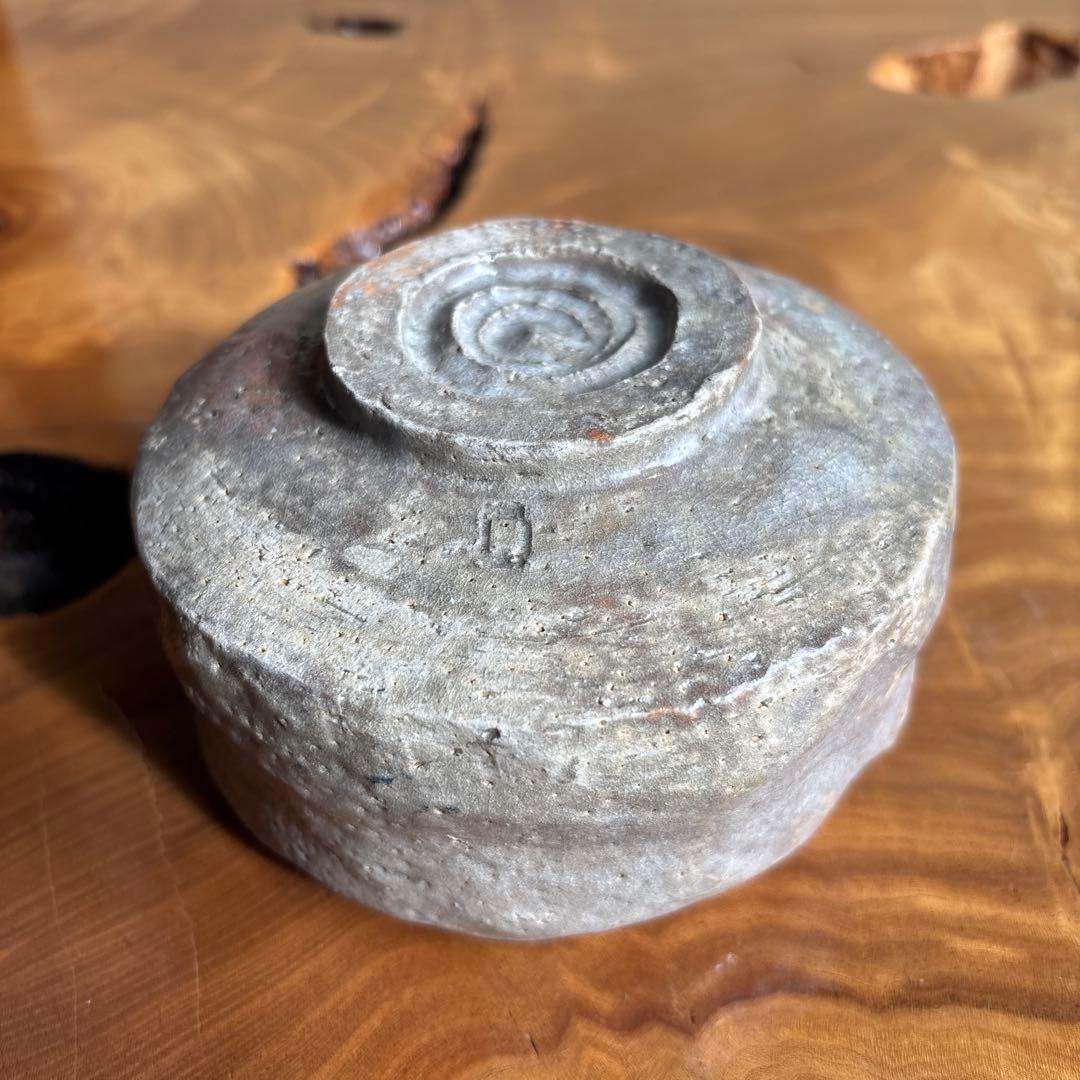
A hand-pinched Japanese matcha tea bowl in raw red and ash-toned clay — wabi chawan with textured surface, irregular form, coarse stoneware body — the kind of chado tea bowl that holds emotional silence more than symmetry. No artist signature; presence speaks instead.
🔹 [ BASIC DETAILS ]
• Artist: Unknown (artist chawan, anonymous)
• Technique: Hand-pinched (tebineri), unglazed exterior, sparse ash glaze interior
• Era: Contemporary
• Origin: Japan
• Dimensions: Diameter approx. 11.5 cm, Height approx. 7 cm
• Box: None
• Condition: Good vintage condition; natural variations in surface texture inherent to the firing process
🔹 [ CULTURAL & ARTISTIC INSIGHT ]
In the wabi-cha tradition traced to Sen no Rikyu, the unpolished and the unattributed carry their own authority. The roughened red clay exterior — pocked with small air pockets from the firing — shifts into a dark, smoke-touched ash interior where tea rests. Two faces of the same earth: one exposed to fire, one turned inward. Hand-pinched without the wheel's mediation, the rim is uneven in the way only human touch creates. Where scholars look for signatures, this bowl offers something quieter — the density of intention expressed through material and process alone.
🔹 [ DEEP-DIVE COMMENTARY ]
The exterior surface reveals two distinct clay characters firing together: a warm red-brown base — suggestive of red stoneware fired at high temperature — and a gray-ash overlay that settles in the pits and folds of the hand-formed wall. The pocking is not a flaw. In anagama and wood-fire traditions, these small craters are where the kiln atmosphere pressed closest to the clay; they record the firing event the way a document records time.
The form is compact and low — a practical winter-season bowl (fuyugama style in proportion) that keeps heat close. The slightly thickened rim is pinched unevenly, so the drinking edge offers a different physical sensation depending on which side the bowl is turned to. This is intentional in tea practice: the act of turning the bowl before drinking is partly ritual, partly a tactile dialogue with the maker's hand.
The interior presents an ash-gray to charcoal pool. From the close-up image, traces of iron-red bleed through the gray — the clay beneath asserting itself through the surface treatment. This is the kind of interior that makes green matcha appear vivid by contrast, a quiet stage that serves the tea.
Without attribution, this bowl enters the conversation that Rikyu understood well: that authorship is not always a name. A piece made with this level of material awareness carries a different kind of provenance — the provenance of the hand itself.
[ JAPANESE DESCRIPTION / 日本語解説 ]
🔹 [ 基本情報 ]
• 作者:不詳(作家作品、無銘)
• 技法:手捻り(てびねり)、外面無釉、内面灰釉
• 時代:現代
• 産地:日本
• 寸法:直径約11.5cm、高さ約7cm
• 箱:なし
• 状態:良好。焼成による景色は本品の個性です。
🔹 [ 文化・芸術的考察 ]
利休が追い求めた侘び茶の精神において、無銘・無釉・粗肌の器はそれ自体が語りかける。赤土と白土が混じり合い、窯の炎に抱かれて生まれたこの茶碗は、名前ではなく、土の意思によって成立している。
🔹 [ 詳細解説 ]
外面は赤茶と灰色が混在し、焼成時に生まれた細かい気泡孔が表面に点在する。これは薪窯焼成の痕跡であり、窯の空気が土に最も近づいた証拠として残る景色だ。低く扁平なフォルムは冬茶碗の趣があり、熱を逃がさない実用性と侘びの美意識を両立している。飲み口は手捻りゆえの不整形で、茶を服するたびに向きを変える茶道の所作と呼応する。内面は灰から炭色のグラデーションを見せ、鉄分が浮き上がって赤みを帯びる部分もある。抹茶の緑を引き立てるための、静かな舞台である。
🔹 [ SHIPPING & PACKAGING ]
• Dispatch: Within 1-6 business days
• Carrier: Japan Post EMS / UPS (with tracking)
• Packaging: Carefully wrapped with protective materials
🔹 [ BASIC DETAILS ]
• Artist: Unknown (artist chawan, anonymous)
• Technique: Hand-pinched (tebineri), unglazed exterior, sparse ash glaze interior
• Era: Contemporary
• Origin: Japan
• Dimensions: Diameter approx. 11.5 cm, Height approx. 7 cm
• Box: None
• Condition: Good vintage condition; natural variations in surface texture inherent to the firing process
🔹 [ CULTURAL & ARTISTIC INSIGHT ]
In the wabi-cha tradition traced to Sen no Rikyu, the unpolished and the unattributed carry their own authority. The roughened red clay exterior — pocked with small air pockets from the firing — shifts into a dark, smoke-touched ash interior where tea rests. Two faces of the same earth: one exposed to fire, one turned inward. Hand-pinched without the wheel's mediation, the rim is uneven in the way only human touch creates. Where scholars look for signatures, this bowl offers something quieter — the density of intention expressed through material and process alone.
🔹 [ DEEP-DIVE COMMENTARY ]
The exterior surface reveals two distinct clay characters firing together: a warm red-brown base — suggestive of red stoneware fired at high temperature — and a gray-ash overlay that settles in the pits and folds of the hand-formed wall. The pocking is not a flaw. In anagama and wood-fire traditions, these small craters are where the kiln atmosphere pressed closest to the clay; they record the firing event the way a document records time.
The form is compact and low — a practical winter-season bowl (fuyugama style in proportion) that keeps heat close. The slightly thickened rim is pinched unevenly, so the drinking edge offers a different physical sensation depending on which side the bowl is turned to. This is intentional in tea practice: the act of turning the bowl before drinking is partly ritual, partly a tactile dialogue with the maker's hand.
The interior presents an ash-gray to charcoal pool. From the close-up image, traces of iron-red bleed through the gray — the clay beneath asserting itself through the surface treatment. This is the kind of interior that makes green matcha appear vivid by contrast, a quiet stage that serves the tea.
Without attribution, this bowl enters the conversation that Rikyu understood well: that authorship is not always a name. A piece made with this level of material awareness carries a different kind of provenance — the provenance of the hand itself.
[ JAPANESE DESCRIPTION / 日本語解説 ]
🔹 [ 基本情報 ]
• 作者:不詳(作家作品、無銘)
• 技法:手捻り(てびねり)、外面無釉、内面灰釉
• 時代:現代
• 産地:日本
• 寸法:直径約11.5cm、高さ約7cm
• 箱:なし
• 状態:良好。焼成による景色は本品の個性です。
🔹 [ 文化・芸術的考察 ]
利休が追い求めた侘び茶の精神において、無銘・無釉・粗肌の器はそれ自体が語りかける。赤土と白土が混じり合い、窯の炎に抱かれて生まれたこの茶碗は、名前ではなく、土の意思によって成立している。
🔹 [ 詳細解説 ]
外面は赤茶と灰色が混在し、焼成時に生まれた細かい気泡孔が表面に点在する。これは薪窯焼成の痕跡であり、窯の空気が土に最も近づいた証拠として残る景色だ。低く扁平なフォルムは冬茶碗の趣があり、熱を逃がさない実用性と侘びの美意識を両立している。飲み口は手捻りゆえの不整形で、茶を服するたびに向きを変える茶道の所作と呼応する。内面は灰から炭色のグラデーションを見せ、鉄分が浮き上がって赤みを帯びる部分もある。抹茶の緑を引き立てるための、静かな舞台である。
🔹 [ SHIPPING & PACKAGING ]
• Dispatch: Within 1-6 business days
• Carrier: Japan Post EMS / UPS (with tracking)
• Packaging: Carefully wrapped with protective materials
Quantity
Couldn't load pickup availability
Low stock: 1 left
View full details