1
/
of
8
Hagi-yaki Matcha Bowl Hirose Tanga "Tenhouzan" — Crackle Glaze, Signed Box
Hagi-yaki Matcha Bowl Hirose Tanga "Tenhouzan" — Crackle Glaze, Signed Box
Regular price
Dhs. 498.00 AED
Regular price
Sale price
Dhs. 498.00 AED
Taxes included.
Shipping calculated at checkout.
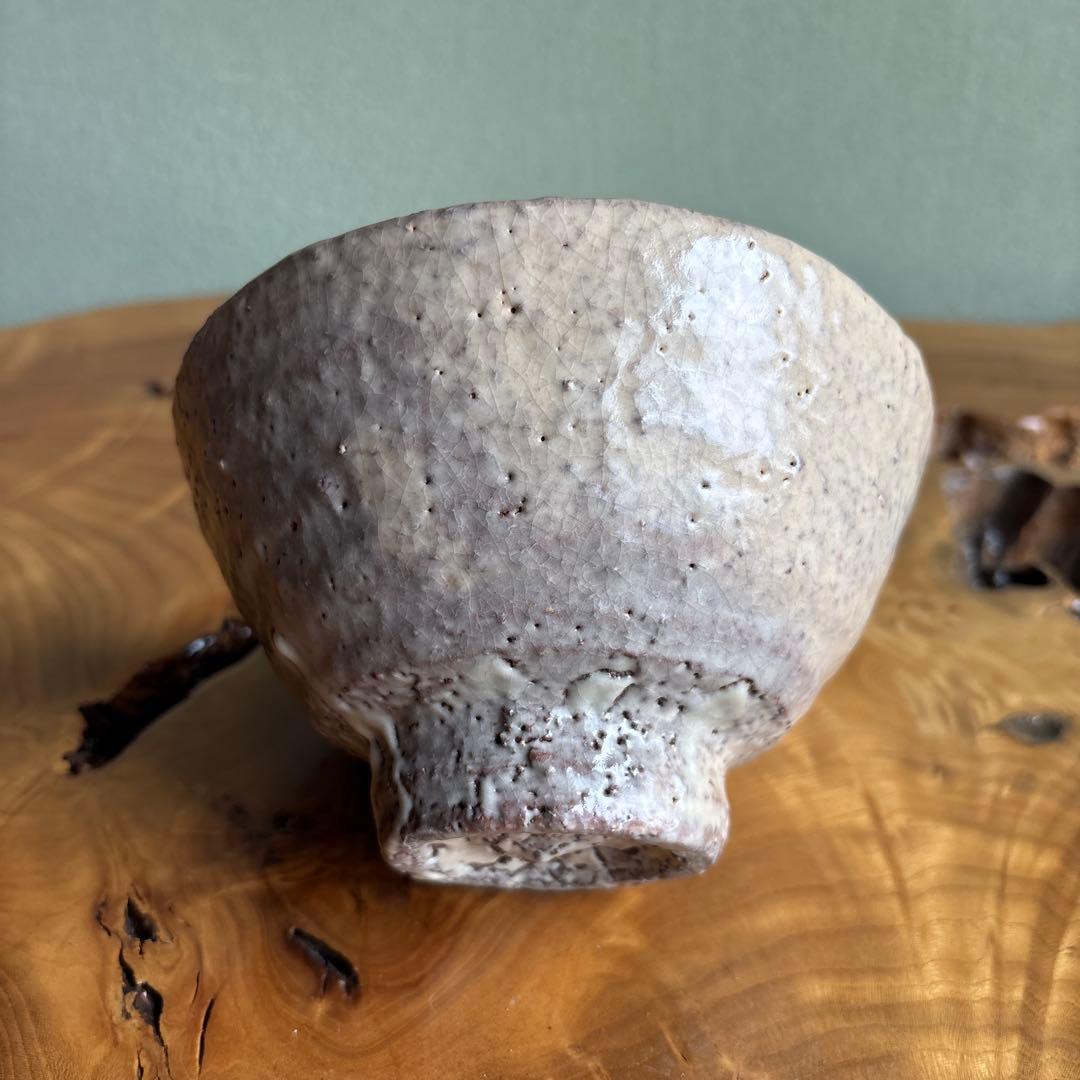
Experience Authentic Japan Art with this Hagi Pottery Matcha Bowl. This Japanese Ceramic Tea Bowl serves as a Wabi Sabi Pottery piece and Chado Tea Ceremony Bowl, featuring Traditional Crackle Glaze and Milky White Feldspathic Glaze—a must-have for any Art Collector.
🔹 [ BASIC DETAILS ]
• Artist: Hirose Tanga (廣瀬淡雅), kiln name: Tenhouzan (天鵬山)
• Technique: Hagi-yaki (萩焼), wheel-thrown, feldspathic white glaze with kannyu (crackle)
• Era: Contemporary
• Origin: Hagi, Yamaguchi Prefecture, Japan
• Dimensions: Approx. 14 cm diameter × 8.5 cm height
• Box: Signed tomobako (artist's own wooden box) included
• Condition: No cracks or chips; excellent used condition
🔹 [ Cultural & Artistic Insight ]
Hagi-yaki is among the most celebrated of Japan's regional ceramics traditions, born in the castle town of Hagi, Yamaguchi Prefecture, in the early seventeenth century. Tea masters rank it second only to Raku in the classical hierarchy—"first Raku, second Hagi, third Karatsu" (一楽二萩三唐津)—because its porous white clay absorbs tea over decades of use, gradually staining the crackle lines with amber and ochre in a transformation tea practitioners call yo-hen: the beautiful change.
Hirose Tanga works under the kiln name Tenhouzan, a name evoking a mountain of flight and elevation. His glazing draws on the deep Hagi lineage of milky feldspathic glaze over iron-rich white clay, producing the characteristic blush-pink mottling visible beneath the surface—a quality unique to Hagi's clay body, which incorporates naturally occurring iron oxide in soft, pink-toned veins.
The kannyu (crackle pattern) covering this bowl is not a defect but a designed quality central to Hagi's aesthetic identity. As the porous clay body contracts differently from the glaze during cooling, a fine web of hairline fissures spreads across the surface. Over years of use, tea seeps into these lines, creating a lived-in beauty that deepens with every sitting—the bowl's character accumulating like the rings of a tree.
🔹 [ Deep-Dive Commentary ]
The form of this bowl is classical Hagi: a generous, slightly open mouth with a soft inward curve toward the rim, rising from a sturdy kodai foot. The wide diameter of 14 cm and the bowl's open profile make it ideal for the whisking motion of chasen (tea whisk) in both usucha (thin tea) and relaxed everyday tea practice.
The exterior surface carries a texture of scattered mineral inclusions from the Hagi clay—small, dark specks embedded in the milky glaze that give the surface its characteristic depth. In certain light, the glaze shifts from cool white to a warm, almost pink-tinged softness, a phenomenon Hagi collectors describe as the "blush of the kiln." This chromatic warmth becomes more pronounced as the bowl is used and the clay absorbs the tannins of matcha over time.
The interior shows a clean, smooth pool of glaze with a subtle concentric ring mark from the wheel—evidence of hand-throwing rather than casting, a quality marker in Japanese studio ceramics. The foot ring is roughly textured in the tradition of Hagi, left deliberately unglazed to allow the clay body to breathe and develop its seasonal yo-hen changes.
The signed tomobako, with its yellow cloth ribbon, is a visual signal familiar to Japanese collectors: this is a bowl the artist considered worthy of formal documentation. The box bears Tanga's calligraphic inscription and seal, marking both the kiln name Tenhouzan and the tradition of Hagi.
For collectors drawn to the slow, patient aesthetics of the Japanese tea world—where a bowl's beauty is not fixed but unfolds over years of companionship—this Hirose Tanga Hagi chawan is a quietly rewarding choice.
━━━━━━━━━━━━━━━━━━━━━━
[ JAPANESE DESCRIPTION / 日本語解説 ]
━━━━━━━━━━━━━━━━━━━━━━
🔹 [ 基本情報 ]
• 作家:廣瀬淡雅(天鵬山)
• 技法:萩焼、轆轤成形、白土・貫入釉
• 時代:現代作
• 産地:山口県萩市
• サイズ:直径約14cm × 高さ約8.5cm
• 付属:作家共箱(黄布紐)
• 状態:ヒビ・カケなし、良好
🔹 [ 文化的背景・作品解説 ]
萩焼は「一楽二萩三唐津」の格言で知られる、茶道における最高位の焼き物のひとつである。江戸初期に萩藩の御用窯として始まり、400年以上にわたって茶の湯の世界を支えてきた。最大の特徴は、多孔質の白土と貫入釉の組み合わせが生む「七化け」——使い重ねるほどに茶渋が釉薬の貫入に染み込み、器の表情が変化していく現象である。
廣瀬淡雅は天鵬山の窯号のもと、伝統的な萩焼の白土釉を継承しながら、現代感覚を持ったフォルムで制作を続ける。この茶碗は白磁釉の下に萩特有の薄紅色の発色が見られ、全面を覆う貫入が時間とともに器を育てていく。
🔹 [ 深掘り解説 ]
口径14cmの大ぶりな開口部は、茶筅を大きく振る際の使いやすさを与える。外側には萩土特有の鉄分の小点が白釉の中に浮かび、光の角度によって温かみのある薄紅色に変化する。内部の轆轤目は手仕事の証であり、高台は無釉のまま仕上げられ、七化けを促す設計となっている。
共箱には天鵬山の窯名と淡雅の印が墨書されており、作品の真正性を保証する。使い込むほどに深みを増すこの萩茶碗は、時間をかけて育てる茶の湯の哲学を体現した一碗である。
🔹 [ SHIPPING & PACKAGING ]
• Dispatch: Within 1-6 business days
• Carrier: Japan Post EMS / UPS (with tracking)
• Packaging: Carefully wrapped with protective materials
🔹 [ BASIC DETAILS ]
• Artist: Hirose Tanga (廣瀬淡雅), kiln name: Tenhouzan (天鵬山)
• Technique: Hagi-yaki (萩焼), wheel-thrown, feldspathic white glaze with kannyu (crackle)
• Era: Contemporary
• Origin: Hagi, Yamaguchi Prefecture, Japan
• Dimensions: Approx. 14 cm diameter × 8.5 cm height
• Box: Signed tomobako (artist's own wooden box) included
• Condition: No cracks or chips; excellent used condition
🔹 [ Cultural & Artistic Insight ]
Hagi-yaki is among the most celebrated of Japan's regional ceramics traditions, born in the castle town of Hagi, Yamaguchi Prefecture, in the early seventeenth century. Tea masters rank it second only to Raku in the classical hierarchy—"first Raku, second Hagi, third Karatsu" (一楽二萩三唐津)—because its porous white clay absorbs tea over decades of use, gradually staining the crackle lines with amber and ochre in a transformation tea practitioners call yo-hen: the beautiful change.
Hirose Tanga works under the kiln name Tenhouzan, a name evoking a mountain of flight and elevation. His glazing draws on the deep Hagi lineage of milky feldspathic glaze over iron-rich white clay, producing the characteristic blush-pink mottling visible beneath the surface—a quality unique to Hagi's clay body, which incorporates naturally occurring iron oxide in soft, pink-toned veins.
The kannyu (crackle pattern) covering this bowl is not a defect but a designed quality central to Hagi's aesthetic identity. As the porous clay body contracts differently from the glaze during cooling, a fine web of hairline fissures spreads across the surface. Over years of use, tea seeps into these lines, creating a lived-in beauty that deepens with every sitting—the bowl's character accumulating like the rings of a tree.
🔹 [ Deep-Dive Commentary ]
The form of this bowl is classical Hagi: a generous, slightly open mouth with a soft inward curve toward the rim, rising from a sturdy kodai foot. The wide diameter of 14 cm and the bowl's open profile make it ideal for the whisking motion of chasen (tea whisk) in both usucha (thin tea) and relaxed everyday tea practice.
The exterior surface carries a texture of scattered mineral inclusions from the Hagi clay—small, dark specks embedded in the milky glaze that give the surface its characteristic depth. In certain light, the glaze shifts from cool white to a warm, almost pink-tinged softness, a phenomenon Hagi collectors describe as the "blush of the kiln." This chromatic warmth becomes more pronounced as the bowl is used and the clay absorbs the tannins of matcha over time.
The interior shows a clean, smooth pool of glaze with a subtle concentric ring mark from the wheel—evidence of hand-throwing rather than casting, a quality marker in Japanese studio ceramics. The foot ring is roughly textured in the tradition of Hagi, left deliberately unglazed to allow the clay body to breathe and develop its seasonal yo-hen changes.
The signed tomobako, with its yellow cloth ribbon, is a visual signal familiar to Japanese collectors: this is a bowl the artist considered worthy of formal documentation. The box bears Tanga's calligraphic inscription and seal, marking both the kiln name Tenhouzan and the tradition of Hagi.
For collectors drawn to the slow, patient aesthetics of the Japanese tea world—where a bowl's beauty is not fixed but unfolds over years of companionship—this Hirose Tanga Hagi chawan is a quietly rewarding choice.
━━━━━━━━━━━━━━━━━━━━━━
[ JAPANESE DESCRIPTION / 日本語解説 ]
━━━━━━━━━━━━━━━━━━━━━━
🔹 [ 基本情報 ]
• 作家:廣瀬淡雅(天鵬山)
• 技法:萩焼、轆轤成形、白土・貫入釉
• 時代:現代作
• 産地:山口県萩市
• サイズ:直径約14cm × 高さ約8.5cm
• 付属:作家共箱(黄布紐)
• 状態:ヒビ・カケなし、良好
🔹 [ 文化的背景・作品解説 ]
萩焼は「一楽二萩三唐津」の格言で知られる、茶道における最高位の焼き物のひとつである。江戸初期に萩藩の御用窯として始まり、400年以上にわたって茶の湯の世界を支えてきた。最大の特徴は、多孔質の白土と貫入釉の組み合わせが生む「七化け」——使い重ねるほどに茶渋が釉薬の貫入に染み込み、器の表情が変化していく現象である。
廣瀬淡雅は天鵬山の窯号のもと、伝統的な萩焼の白土釉を継承しながら、現代感覚を持ったフォルムで制作を続ける。この茶碗は白磁釉の下に萩特有の薄紅色の発色が見られ、全面を覆う貫入が時間とともに器を育てていく。
🔹 [ 深掘り解説 ]
口径14cmの大ぶりな開口部は、茶筅を大きく振る際の使いやすさを与える。外側には萩土特有の鉄分の小点が白釉の中に浮かび、光の角度によって温かみのある薄紅色に変化する。内部の轆轤目は手仕事の証であり、高台は無釉のまま仕上げられ、七化けを促す設計となっている。
共箱には天鵬山の窯名と淡雅の印が墨書されており、作品の真正性を保証する。使い込むほどに深みを増すこの萩茶碗は、時間をかけて育てる茶の湯の哲学を体現した一碗である。
🔹 [ SHIPPING & PACKAGING ]
• Dispatch: Within 1-6 business days
• Carrier: Japan Post EMS / UPS (with tracking)
• Packaging: Carefully wrapped with protective materials
Quantity
Couldn't load pickup availability
Low stock: 1 left
View full details